
Last Updated on July 27, 2026 by Daniel Globe
Italy is a year-round destination, but the best travel dates depend on where you are going and what you want to do. A spring city break, an August beach holiday, an autumn food trip, and a winter ski vacation all require different timing. Weather, crowds, prices, local holidays, and seasonal closures can also vary sharply between regions.
Quick Answer
For most travelers, the best time to visit Italy is from April to early June or from September to October. These periods usually offer comfortable sightseeing weather and fewer crowds than July and August. Choose summer for beaches, winter for skiing, and late autumn or winter for lower-cost city trips.
Key Takeaways
- Best overall months: April, May, early June, September, and October.
- Best for beaches: June through September, with July and August bringing the hottest weather and largest crowds.
- Best for city sightseeing: Spring, fall, and the quieter winter months outside major holidays.
- Best for skiing: Winter through early spring, depending on altitude and snow conditions.
- Best for lower prices: November through March outside Christmas, New Year, Carnival, and ski-resort peak dates.
- Important: Italy does not have one national climate. Always check conditions for your exact destination.
Best Time to Visit Italy at a Glance
The following table offers a quick comparison. These are broad patterns rather than guarantees. A festival, school holiday, major exhibition, religious event, or unusually hot or wet period can change local demand.
| Period | Typical Conditions | Crowds and Costs | Best For |
| March to May | Changeable early in the season, then generally warmer. Rain is still possible. | Moderate, with spikes around Easter and public holidays. | Cities, gardens, countryside, hiking, and cultural events. |
| June to August | Warm to very hot in many lowland and inland destinations. | Highest demand in famous cities, lakes, islands, and coastal resorts. | Beaches, islands, mountain escapes, festivals, and long evenings. |
| September to October | Often warm in September, becoming cooler and wetter as fall advances. | Busy in September; generally calmer later in October. | Food and wine, cities, countryside, photography, and hiking. |
| November to February | Cool or cold in cities, snowy at altitude, and milder in parts of the south. | Lower in many cities, but high during holidays and at ski resorts. | Museums, Christmas events, food trips, skiing, and budget city breaks. |
Spring in Italy: Sightseeing, Flowers, and Outdoor Activities
Spring is one of the most flexible times to visit Italy. The weather becomes milder, daylight increases, gardens begin to bloom, and outdoor dining returns. Rome, Florence, Bologna, Verona, Naples, and many smaller towns are easier to explore before the most intense summer heat.
Conditions still depend on the month and region. March can feel cool and unsettled, especially in northern Italy and at higher elevations. April is often mild but can be rainy. May is warmer and usually feels closer to early summer in central and southern Italy.
What to Expect in March
March suits museum visits, city walks, and lower-season travel. Days become longer, but travelers should pack layers and a waterproof jacket. Mountain areas may still have winter conditions, while parts of Sicily and southern Italy can feel much milder.
What to Expect in April
April brings flowers, outdoor events, and more comfortable sightseeing days. It also brings Easter travel. Holy Week can increase crowds and accommodation prices in Rome, Florence, Assisi, and other religious or cultural destinations.
Florence celebrates the Scoppio del Carro, or Explosion of the Cart, on Easter Sunday. Because Easter moves each year, travelers should verify the date before booking. Villa Bardini’s wisteria pergola is another well-known spring attraction in Florence, although peak bloom is brief and depends on the weather.
What to Expect in May
May is one of the strongest all-around choices for a first trip to Italy. The days are warmer, but most inland cities have not yet reached their hottest summer conditions. Countryside destinations in Tuscany and Umbria are green, while lakes and coastal towns are becoming more active.
Spello’s Infiorate transform the historic streets with floral designs for Corpus Christi. The date changes annually. Visitors planning a trip around this or another festival should consult the organizer’s current calendar before making nonrefundable reservations.
Spring can also be suitable for hiking in Cinque Terre and along the Amalfi Coast. However, rain, landslides, maintenance, or crowd-control measures can temporarily affect trails.
Pro Tip: Check the official trail status shortly before any hike. Cinque Terre National Park posts current access information, temporary restrictions, and route updates on its trail network page.
Summer in Italy: Beaches, Festivals, and Peak Demand
Summer brings long days, a full events calendar, and the strongest demand for beaches, islands, lakes, and famous cities. June often offers a useful balance between warm weather and the heaviest vacation period. July and August are hotter and usually more crowded.
Beach travelers head to Sardinia, Sicily, Puglia, Calabria, Liguria, Tuscany, Campania, and the Adriatic coast. Positano has direct access to the sea, including pebble and gravel beaches. Ravello, by contrast, is an elevated hill town known for gardens, villas, concerts, and coastal views rather than a town-center beach.
Beach clubs commonly rent sunbeds and umbrellas, although prices, reservation rules, and the amount of free public beach vary by location. Popular coastal accommodations and ferry routes can sell out well in advance.
Warning: Summer heat can make midday sightseeing difficult, especially in inland cities. Italy’s Civil Protection Department advises avoiding outdoor activity during the hottest hours in severe heat, drinking water regularly, and wearing light clothing and sun protection. Review its heatwave guidance and local alerts.
Plan demanding outdoor activities for early morning or evening. Reserve the middle of the day for lunch, museums, shaded gardens, or rest. Not every historic hotel, apartment, train, or restaurant has equally strong air conditioning, so confirm this before booking if heat affects your comfort.
Summer Festivals
The Palio di Siena is traditionally associated with races on July 2 and August 16. Events can be delayed or adjusted for weather and safety, so visitors should check the City of Siena’s current Palio information.
Summer evenings also bring concerts, village festivals, outdoor opera, religious celebrations, and local food events. Exact schedules vary each year. Book accommodation early when a major event is central to your trip.
Traveling in August
August is not simply an ordinary peak-season month. The national Ferragosto holiday on August 15 is part of a wider vacation period for many Italians. Beach and mountain resorts can be extremely busy, while some family-run businesses in large cities may close or reduce their hours.
Museums and major attractions do not all close, and special holiday openings are sometimes offered. Still, travelers should verify each attraction, restaurant, transport connection, and tour directly rather than relying on a general rule.
Fall in Italy: Harvests, Food Festivals, and Cooler Days
Fall is one of Italy’s strongest seasons for food, wine, countryside travel, and city sightseeing. September can still feel like summer, especially in central and southern Italy. October brings cooler evenings, changing leaves, and a greater chance of rain. November is quieter in many destinations but has shorter days and more seasonal closures.
Wine regions in Tuscany, Piedmont, Veneto, Sicily, and other areas become active during the grape harvest. Some wineries accept visitors during this period, while others limit tours because staff are focused on production. Tastings should be arranged directly rather than assumed to be available.
Autumn is also associated with truffles, chestnuts, mushrooms, olive oil, and regional food festivals. The International Alba White Truffle Fair is one of the best-known events. Dates change by edition, so travelers should check the official Alba fair calendar.
September
September is ideal for travelers who want warm weather without committing to the height of summer. Sea temperatures may remain comfortable in many coastal areas, but famous destinations can still be crowded. Early September is often closer to peak season than true shoulder season.
October
October works well for Rome, Florence, Bologna, Turin, Naples, Tuscany, Umbria, and food-focused trips. Pack for both warm afternoons and cool or rainy periods. Coastal services may begin reducing their schedules as the month progresses.
November
November can offer lower room rates and fewer visitors in many cities. It is less dependable for beaches, high mountain hiking, or small seasonal resorts. Travelers should also be prepared for rain and shorter attraction hours.
Note: Autumn is part of Venice’s higher-risk period for acqua alta, or elevated tides. The City of Venice reports that significant events are rare in summer and more common during the autumn tide season. Check the city’s official seasonal tide information and short-term forecast before visiting.
Winter in Italy: Holiday Events and Alpine Skiing
| Aspect | Details |
| Main Ski Regions | The Italian Alps and Dolomites, including resorts in Aosta Valley, Piedmont, Lombardy, Trentino-Alto Adige, and Veneto. |
| Activities | Skiing, snowboarding, snowshoeing, sledding, winter walking, and ice skating at designated facilities. |
| Weather | Cold and potentially snowy at altitude; cool and wetter in many cities; generally milder in parts of southern Italy and the islands. |
| Accommodation | City hotels may offer lower rates outside holidays, while ski lodges can be expensive during school breaks and snow-sure periods. |
| Attractions | Museums, churches, seasonal lights, Christmas markets, holiday performances, mountain scenery, and winter sports. |
| Seasonal Food | Panettone, pandoro, roasted chestnuts, hearty soups, polenta, mountain cheeses, and regional holiday dishes. |
Winter combines quieter cultural trips with busy holiday and ski periods. Rome, Milan, Florence, Turin, Bologna, Naples, and many smaller cities decorate their streets for Christmas. Seasonal stalls and markets may sell crafts, sweets, roasted chestnuts, and warm drinks.
Piazza Navona in Rome traditionally hosts festive activity during the Christmas and Epiphany period, but the exact mix of stalls and entertainment can change. Verify the current program rather than planning around a specific attraction such as an ice rink.
For winter sports, Cortina d’Ampezzo, Val Gardena, Cervinia, Courmayeur, Livigno, and other Alpine destinations offer slopes for different ability levels. Snow quality, lift openings, and the length of the season depend on altitude and current conditions.
Winter can also be a good time for museums and indoor attractions. However, small coastal resorts, islands, restaurants, and excursion operators may reduce their schedules. Daylight is shorter, and bad weather can affect ferries and mountain roads.
Off-Peak Travel: Smaller Crowds and Potential Savings
The quietest periods vary by destination. November, January, February, and early March are often less crowded in major art cities, excluding Christmas, New Year, Carnival, fashion events, religious dates, and school holidays.
Lower demand can produce better accommodation rates, but savings are not guaranteed. Venice during Carnival, Milan during a major trade fair, and an Alpine resort during a school break can be expensive even in winter.
Off-peak travel is most useful for travelers who prioritize museums, restaurants, neighborhood walks, and local life over beaches or guaranteed outdoor weather. The Colosseum, Uffizi Gallery, Vatican Museums, and other major sights may still attract queues, so timed reservations remain worthwhile.
Travelers should also expect trade-offs. Some attractions close earlier, coastal transport may be limited, and small businesses may take seasonal breaks. Check each essential stop before finalizing the itinerary.
Shoulder Seasons: Mild Conditions with Important Exceptions
Spring and fall are commonly described as Italy’s shoulder seasons, but they are not uniformly quiet. April, May, September, and early October can be very popular in Rome, Florence, Venice, Tuscany, the Amalfi Coast, and the Italian lakes.
These months remain attractive because walking conditions are often more comfortable than in midsummer. Spring brings gardens and green countryside, while fall offers harvest foods and warmer colors. The trade-off is greater weather uncertainty, including spring showers and autumn storms.
Shoulder season also varies by activity. September may be excellent for beaches but too early for fall foliage. April can be pleasant in Rome but still wintry on a high Alpine trail. Late October may suit museums and food trips but be less dependable for ferries and coastal swimming.
The best month for Italy is not a single date on the calendar. It is the month that matches your region, preferred activities, heat tolerance, budget, and crowd tolerance.
Peak Tourist Season: Managing Heat, Crowds, and Reservations
Peak tourist season generally runs from June through August, although famous cities can be busy from Easter through October. Coastal destinations, islands, lakes, and mountain resorts have their own peak periods.
Reserve high-priority attractions through their official websites. Early-morning and late-afternoon entry times can be more comfortable, but they do not guarantee empty rooms or streets. Avoid buying tickets from unofficial resellers unless you fully understand the added fees and cancellation rules.
Restaurant reservations are especially helpful in small towns, popular neighborhoods, and destinations with limited evening dining. Trains between major cities can also become more expensive or sell out in preferred classes as departure approaches.
Build flexibility into the schedule. Trying to visit several major attractions during the hottest part of one day can leave little time to enjoy the city. A slower plan with a midday break is often more realistic.
Italy Month by Month
| Month | What to Expect | Best Uses |
| January | Cold in the north and mountains; quieter after the holiday period. | Skiing, museums, winter sales, and city breaks. |
| February | Generally low season outside ski areas and Carnival destinations. | Culture, food, skiing, and Carnival events. |
| March | Changeable weather, longer days, and growing visitor numbers. | Cities, museums, and early spring trips. |
| April | Mild periods mixed with rain; Easter can create major crowd spikes. | Gardens, cities, countryside, and religious events. |
| May | Warm days and increasing demand without midsummer heat in many areas. | First trips, sightseeing, lakes, hiking, and countryside. |
| June | Summer weather, long daylight, and growing heat and crowds. | Beaches, islands, festivals, lakes, and mountain trips. |
| July | Hot and crowded in many destinations, with high accommodation demand. | Coasts, islands, Alps, evening events, and outdoor dining. |
| August | Very busy in resorts; some urban businesses close around Ferragosto. | Beach vacations, mountains, lakes, and summer festivals. |
| September | Often warm, with active cities and continued coastal demand. | Beaches, cities, harvest trips, and hiking. |
| October | Cooler evenings, autumn food, and a greater chance of rain. | Food, wine, art cities, countryside, and photography. |
| November | Quieter cities, shorter days, more rain risk, and seasonal closures. | Museums, food trips, lower-cost stays, and truffle events. |
| December | Holiday decorations and events, with rising demand around Christmas. | Christmas atmosphere, winter food, museums, and skiing. |
Best Time to Visit Italy by Trip Type
Products Worth Considering

Comprehensive coverage of Italy's top cities: Rome, Florence, and Venice


Best Time for Rome, Florence, and Other Art Cities
April, May, October, and the quieter winter months are strong options. September is also pleasant but can remain crowded. Avoid relying on “off-season” labels for Easter, Christmas, major exhibitions, fashion weeks, or large religious events.
Best Time for Italian Beaches
June through September is the main beach period. June offers long days with somewhat less pressure than August. September can provide warm water and fewer families after schools reopen, although services may begin decreasing later in the month.
Best Time for the Amalfi Coast and Cinque Terre
Late spring and early fall generally offer better walking temperatures than midsummer. June and September are good for combining ferries, swimming, and sightseeing. Check seasonal ferry schedules and trail closures before booking a tightly timed itinerary.
Best Time for the Italian Lakes
May, June, and September suit sightseeing, gardens, ferries, and outdoor dining. July and August are warmer and busier. Winter is peaceful, but some lakeside hotels, restaurants, and boat services operate on reduced schedules.
Best Time for Skiing
January through March is the core period at many Alpine resorts. December can be festive but is more dependent on early-season snow. Higher resorts may operate into spring, although conditions vary each year.
Best Time for Hiking
Late spring and early fall are often suitable for lower-elevation trails. Summer is better for high-altitude routes after snow has cleared, but storms and heat remain concerns. Never assume a trail is open solely because the weather looks clear.
Best Time for Food and Wine
September through November is ideal for harvest foods, wine regions, truffles, mushrooms, chestnuts, and olive oil. Spring also offers artichokes, asparagus, flowers, and local festivals.
Cheapest Time to Visit Italy
November, January, February, and early March can be less expensive in many cities. Exclude Christmas, New Year, Carnival, Valentine’s Day weekends, ski holidays, and major local events. Airfare and hotel prices depend on origin, booking date, and destination.
Regional Climate and Seasonal Differences
Italy stretches from the Alps to Mediterranean islands, so regional planning is more useful than relying on one national forecast.
| Region | Seasonal Considerations | Strong Travel Windows |
| Northern Cities | Winters can be cold or foggy; summers can be hot and humid. | April to June and September to October. |
| Alps and Dolomites | Winter supports snow sports; high trails may remain snowy well into spring. | Winter for skiing and summer for high hiking. |
| Central Italy | Inland summers can be hot; spring and fall suit cities and countryside. | April to May and September to October. |
| Southern Mainland | Long, hot summers and generally milder winters, with local variation. | Late spring, early summer, and early fall. |
| Sicily and Sardinia | Excellent beach seasons but potentially intense summer heat; winter services can be reduced. | May to June and September for mixed touring and beaches. |
| Venice | Humid summers; elevated tides are more frequent in the autumn period than in summer. | Spring for milder weather or winter for quieter travel with tide monitoring. |
Practical Tips for Choosing Your Travel Dates
Products Worth Considering

Ultralight Travel Companion - Engineered for 1-5 Day Getaways! This comprehensive set includes four compression packing cubes in varying sizes (XL, L, M, S) to accommodate everything from bulky coats to delicate tops. Plus, enjoy added convenience with a hanging toiletry bag, shoe bag, machine-washable laundry bag, and versatile pouch—all designed to keep your luggage perfectly organized and clutter-free.
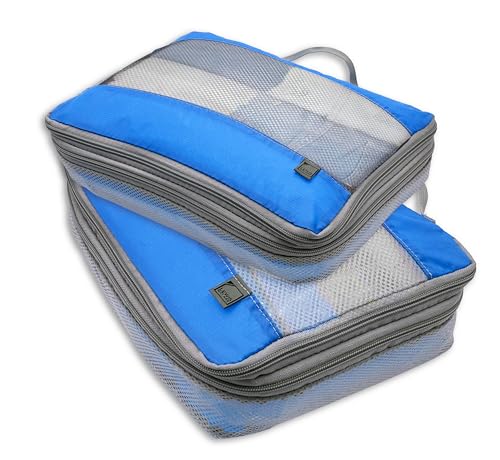
PACKING MADE EASY: These packing cubes compartmentalize similar sized items in their own “small drawers” right inside your luggage or carry on. Expands 3 full inches providing much needed extra room during travel. Also features a double zipper compression system to remove air, compress clothing, and help you save space.

Premium Fabric: Smooth and durable fabric protects clothes from wrinkles and stains; high performance feature makes the packing cubes can bear high density wear and tear during traveling; water-repellent feature protect your clothes from spill or leaks
Check the Exact Destination, Not “Italy” as a Whole
Compare forecasts for each overnight stop. Conditions in Milan, Venice, Rome, Naples, Palermo, and the Dolomites can differ greatly on the same day.
Confirm Seasonal Transport
Ferry, cable-car, mountain-lift, and rural bus schedules may change throughout the year. Confirm the timetable for the actual travel date, particularly on Sundays and public holidays.
Reserve Essential Attractions First
Book any must-see attraction before organizing the rest of that day. Use official booking websites whenever possible, and review entry, identification, bag, cancellation, and late-arrival rules.
Pack for Variation
- Spring: Layers, a compact rain jacket, and comfortable shoes.
- Summer: Breathable clothes, sun protection, a refillable water bottle, and modest clothing for churches.
- Fall: Layers, waterproof footwear, and rain protection.
- Winter: A warm outer layer, rain protection, and proper mountain equipment when applicable.
Leave Room for Weather Changes
A flexible day can protect a trip from rain, rough seas, heat, trail closures, or transport interruptions. Avoid placing every outdoor activity on the same day without a backup.
Frequently Asked Questions
What is the best time to travel to Italy?
For most travelers, the best overall periods are April to early June and September to October. These months usually provide a better balance of sightseeing weather, operating services, and crowd levels than July and August. The ideal dates still depend on the region and activity.
What is the weather like during the best months?
Spring and early fall often bring mild or warm sightseeing conditions, but there is no single nationwide temperature range. Northern cities, Alpine areas, central hill towns, southern coasts, Sicily, and Sardinia can have very different weather. Rain is possible in both spring and fall.
Which festivals should travelers consider?
Examples include Florence’s Scoppio del Carro at Easter, Spello’s Corpus Christi flower displays, Siena’s summer Palio events, and Alba’s autumn white-truffle fair. Several dates change annually, and outdoor events can be delayed, so consult the organizer’s current schedule.
Are Italy’s spring and fall crowds small?
They are often smaller than in July and August, but not always small. Rome, Florence, Venice, Tuscany, the Amalfi Coast, and the lakes can be busy in April, May, September, and early October. Easter and major events can produce peak-level demand.
Which regions are best in spring and fall?
Tuscany, Umbria, Rome, Florence, Naples, Bologna, the Italian lakes, Liguria, and much of the southern mainland can be rewarding. High Alpine trails may remain snowy in spring, while islands and coastal areas may have reduced services in late fall.
What is the cheapest month to visit Italy?
January, February, and November are often among the less expensive months for major cities, excluding holidays, Carnival, ski periods, trade fairs, and special events. Prices depend on the destination and how early transportation and accommodation are booked.
Is August a bad time to visit Italy?
Not necessarily. August is excellent for beaches, islands, lakes, and mountains, but it can be hot, crowded, and expensive. Some city businesses reduce their hours around Ferragosto, while resort areas become busier. Confirm operating schedules before traveling.
When is the best time for a first trip to Italy?
May, early June, late September, and early October are strong choices for a first trip focused on Rome, Florence, Venice, and nearby countryside. Travelers who dislike heat should favor spring or October, while beach-focused visitors may prefer June or September.
Sources
- Italia.it: Seasons and Best Time to Visit Italy — official seasonal travel ideas and destination planning.
- Italian Civil Protection Department: Heatwaves — summer heat risks and protective guidance.
- City of Venice: Seasonal Tides — seasonal frequency of elevated tides and acqua alta.
- City of Siena: Palio — official dates, announcements, and event updates.
- International Alba White Truffle Fair — official fair dates and program information.
- Cinque Terre National Park: Trail Network — current trail access, restrictions, and route information.
