
Last Updated on July 28, 2026 by Daniel Globe
Edinburgh is worth visiting in every season, but the best time depends on what you want from the trip. Late spring and early summer offer flowers, long days, and generally milder sightseeing weather, while August is the clear choice for major festivals. Autumn brings colorful parks and cultural events, and winter is best for Christmas celebrations and Hogmanay.
Quick Answer
For most visitors, late May through June or early September offers a good balance of mild weather, long sightseeing days, and fewer festival crowds than August. Choose August for Edinburgh’s world-famous arts festivals, October for autumn color and cultural events, or late December for Christmas markets and Hogmanay.
Key Takeaways
- Late May through June is a strong all-around choice for flowers, long daylight hours, outdoor sightseeing, and milder temperatures.
- August is the main festival month, including the Edinburgh Festival Fringe, Edinburgh International Festival, Royal Edinburgh Military Tattoo, and Edinburgh Art Festival.
- September and October suit travelers who prefer autumn scenery and a calmer atmosphere after the August festival peak.
- Late November through New Year is ideal for Christmas markets, festive lights, ice skating, and Hogmanay.
- Edinburgh’s weather is changeable in every season, so pack layers and a waterproof outer layer even in summer.
Disclosure: As an Amazon Associate I earn from qualifying purchases. Some links on this page are affiliate links, at no extra cost to you.
Best Time to Visit Edinburgh by Travel Style
| Your Priority | Best Time |
| Best overall balance | Late May to June or early September |
| Major arts festivals | August |
| Spring flowers and gardens | April to May |
| Autumn foliage | Late September to October |
| Christmas and Hogmanay | Late November through January 1 |
Weather should be part of that decision, but Edinburgh rarely guarantees sunshine. According to Met Office 1991–2020 climate averages for the Royal Botanic Garden Edinburgh station, July has an average maximum of about 19.3°C (67°F) and minimum of 11.6°C (53°F). August is nearly identical. April is considerably cooler but is also among the drier months in the long-term record.
Edinburgh’s warmest weather and biggest festival calendar do not necessarily occur at the same time as its quietest streets. August offers unmatched cultural energy, while late spring and early autumn provide a more balanced city-break experience.
Spring in Edinburgh: Flowers, Gardens, and Fewer Festival Crowds
As winter recedes, Edinburgh’s parks and gardens return to life. Daffodils, crocuses, blossom, and other spring flowers brighten green spaces across the city. The Royal Botanic Garden Edinburgh is especially rewarding in spring, while Princes Street Gardens and The Meadows provide easy places to enjoy the changing season.
The city’s official tourism organization, Forever Edinburgh, highlights spring flowers in parks and gardens as one of the season’s main attractions. The season also provides a pleasant middle ground for travelers who want to spend time outdoors without visiting during the busiest part of the August festival calendar.
Spring also brings one of Edinburgh’s best-known family and educational events, the Edinburgh Science Festival. It takes place around the Easter holidays rather than in March. The 2026 festival ran from April 4 to 19, while the next announced festival is scheduled for April 3 to 18, 2027. Visitors planning around the event should confirm current dates on the official Edinburgh Science Festival website.
Edinburgh in March: Early Spring and St. Patrick’s Day
March marks the transition from winter to spring. Met Office normals show an average March maximum of about 9.7°C (49°F) and minimum of about 2.9°C (37°F), so warm layers are still useful. Daylight increases quickly during the month, making walking and sightseeing more comfortable than during midwinter.
St. Patrick’s Day falls on March 17, and individual pubs, music venues, and community groups may hold Irish-themed events, live music, or special menus. However, visitors should not assume that Edinburgh has a guaranteed annual citywide St. Patrick’s Day parade. Programs vary from year to year, so check current local event listings before planning a trip around a particular celebration.
The Edinburgh Science Festival should not be treated as a March event. It is normally staged over the Easter holiday period and was held in April in 2026.
Summer in Edinburgh: Long Days, Outdoor Activities, and Festival Season
Unbridled Creativity
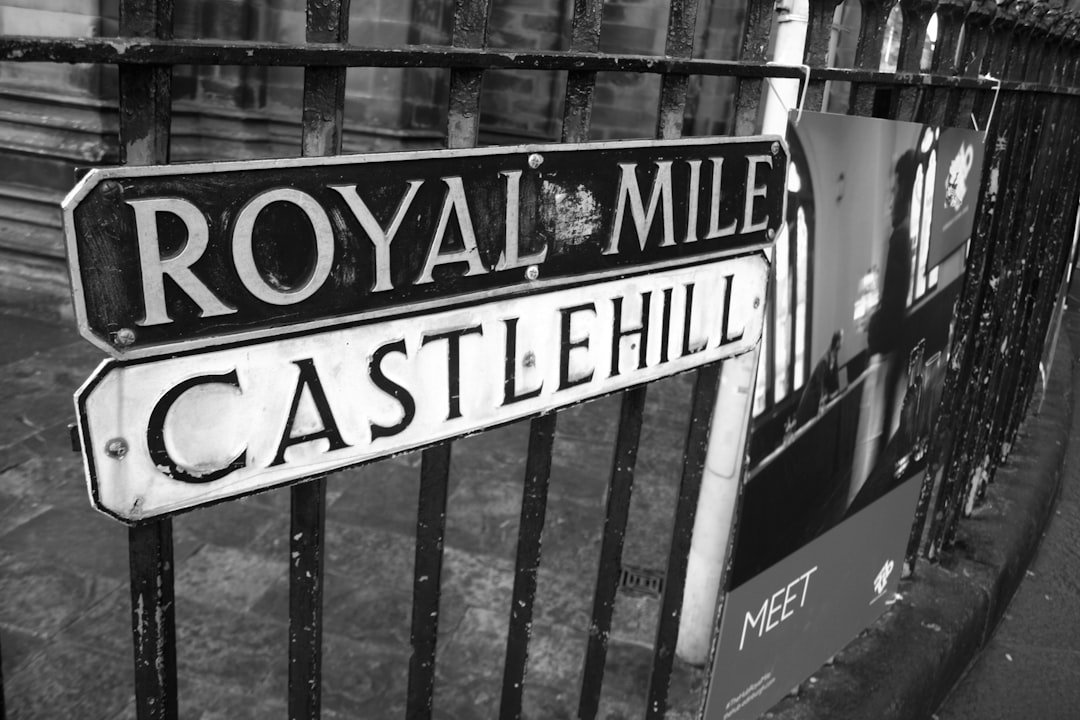
Summer brings Edinburgh’s busiest cultural period, particularly in August. Performers, musicians, comedians, dancers, and theater companies take over conventional venues as well as temporary spaces throughout the city. Street performances and promotional activity add to the festival atmosphere around central areas such as the Royal Mile.
The range is unusually broad, from experimental theater and comedy to children’s shows, circus, dance, spoken word, music, and opera. For travelers whose main goal is live performance, August is much more important than July.
Outdoor Delights
Summer also offers ample opportunities to explore Edinburgh outdoors. Parks and green spaces become popular for picnics and walks, while Holyrood Park gives visitors access to dramatic scenery close to the historic center. Arthur’s Seat, an ancient volcanic peak, provides wide views over Edinburgh when weather and access conditions are suitable.
Warning: Routes in Holyrood Park can close because of weather, rockfall, wildfire, maintenance, or other hazards. Before hiking Arthur’s Seat, check Historic Environment Scotland’s current visitor information. Wear sturdy footwear with good grip and take extra care on steep, uneven, or slippery surfaces.
Natural Beauty Abounds
Long summer days provide more time for the Royal Mile, gardens, viewpoints, and riverside walks. Instead of looking for a sightseeing boat ride on the Water of Leith, explore the river on foot or by bike. The Water of Leith Walkway extends for about 13 miles and passes places such as Dean Village, Stockbridge, the Scottish National Gallery of Modern Art area, and Leith.
Pro Tip: Travelers who want summer daylight without the full intensity of Edinburgh’s August festival season should consider June. You still get long days and relatively mild temperatures, while the largest August events have not yet begun.
Edinburgh in July: Festival Build-Up Before the Fringe
Performers Prepare for August
July can feel like the beginning of Edinburgh’s festival season, but it is important to distinguish the build-up from the main events. Artists and venues prepare programs, promotional campaigns increase, and the city begins moving toward its busiest cultural month.
The Edinburgh Festival Fringe itself does not take place throughout July. In 2026, the official Fringe runs from August 7 to 31. Visitors traveling specifically for Fringe performances should therefore book for August rather than July.
A Sense of Community
As August approaches, artists promote shows, venues prepare performance spaces, and festival material becomes increasingly visible. This gives July visitors some of the anticipation surrounding the festivals while allowing them to experience the city before the main Fringe dates.
Anticipation Builds
July is therefore better viewed as a warm-up month. Travelers can enjoy summer sightseeing and the growing festival atmosphere, but those who want the full concentration of theater, comedy, music, dance, and street performances should plan for August.
Edinburgh in August: The Main Festival Month
August is Edinburgh’s defining festival month. It offers the strongest choice of live performance and cultural events of the year, but it also creates heavy demand for accommodation, restaurants, transport, and popular attractions. Booking early is sensible when your travel dates overlap major events.
- Edinburgh Festival Fringe: August 7–31, 2026, according to the official Fringe.
- Edinburgh International Festival: August 7–30, 2026, according to the official festival website.
- Royal Edinburgh Military Tattoo: August 7–29, 2026, at Edinburgh Castle Esplanade, according to the official Tattoo website.
- Edinburgh Art Festival: August 14–30, 2026, with exhibitions, installations, performances, and events at venues around the city, according to the official festival website.
The sheer number of events means visitors do not need to fill every hour in advance, but headline shows and limited-capacity events can sell out. Build some unstructured time into the itinerary so you can enjoy street performances, pop-up events, and discoveries that were not part of the original plan.
Autumn in Edinburgh: Foliage and a Calmer Cultural Season
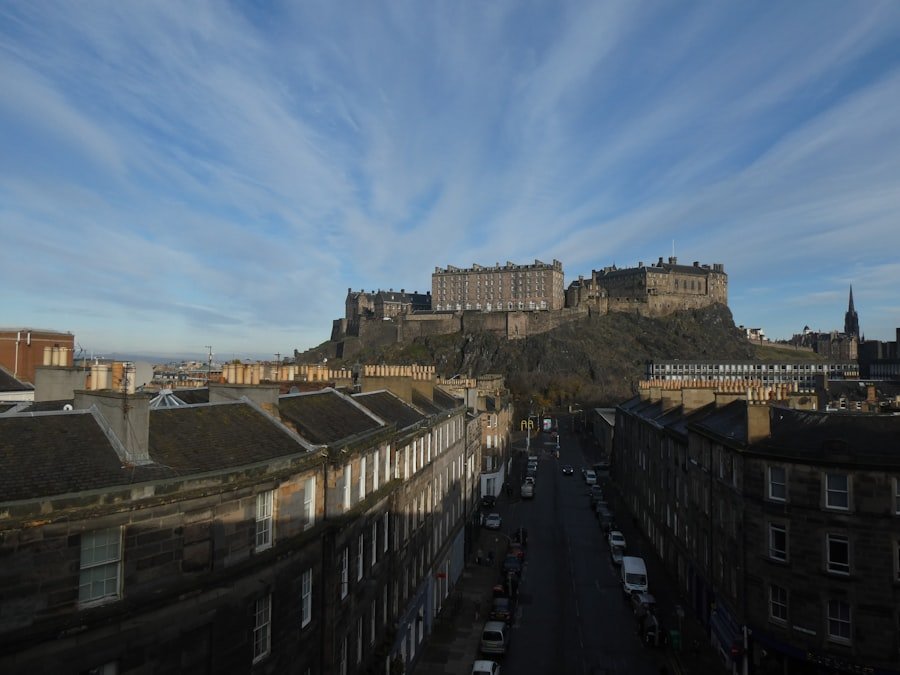
As summer fades into autumn, Edinburgh’s parks and tree-lined streets shift toward shades of gold, orange, red, and brown. The changing leaves complement the city’s stone architecture, while cooler temperatures make walking comfortable when the weather cooperates.
Places such as Inverleith Park, the Royal Botanic Garden, and Holyrood Park offer easy opportunities to enjoy autumn scenery. September can be especially appealing to visitors who want relatively mild conditions after the busiest August festivals have finished.
Autumn remains culturally active, but one event from the original article needs correcting: the Edinburgh Art Festival belongs to the August festival season rather than autumn. October instead brings the Scottish International Storytelling Festival. In 2026, the festival runs from October 21 to 31, with live storytelling, workshops, gatherings, and related traditional arts events.
Autumn is therefore a strong choice for travelers who value photography, walks, museums, pubs, storytelling, and a less festival-dominated city break.
Edinburgh in October: Halloween Atmosphere, Storytelling, and Cocktail Week
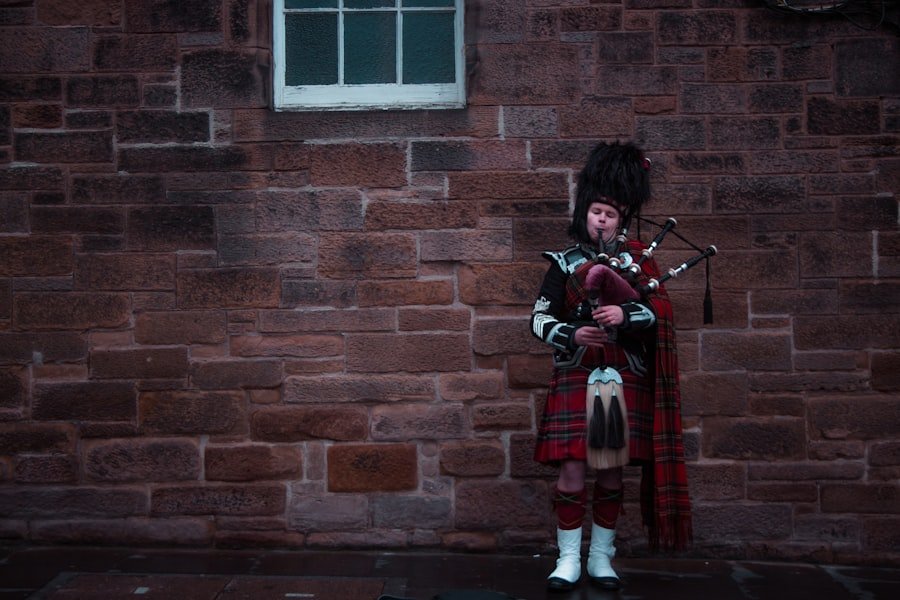
October suits Edinburgh’s atmospheric side. Shorter days, autumn leaves, old stone closes, graveyards, and centuries of local history make ghost walks and evening storytelling particularly popular at this time of year.
The Beltane Fire Society also stages the Samhuinn Fire Festival, a community arts event drawing on seasonal storytelling, fire performance, drumming, and theatrical ritual. Dates, location, admission arrangements, and access rules can change, so visitors should check the Beltane Fire Society before planning around the event.
October is also the month for the Scottish International Storytelling Festival. The 2026 edition runs from October 21 to 31 and explores oral storytelling through performances, workshops, talks, and community events.
For cocktail enthusiasts, Edinburgh Cocktail Week runs from October 2 to 11, 2026. Participating bars offer festival menus and special drinks, while the Cocktail Village at Festival Square serves as one of the event’s central hubs.
Note: October weather is cooler and wetter than midsummer. Met Office 1991–2020 normals show an average maximum of about 13.4°C (56°F), a minimum of about 6.7°C (44°F), and roughly 76 mm of monthly rainfall.
Winter in Edinburgh: Festive Events and a Cozy Atmosphere
| Winter Activities | Cozy Atmosphere | Festive Events |
| Ice skating on George Street | Fireside lounges in local pubs | Christmas market in East Princes Street Gardens |
| Christmas shopping around George Street | Candlelit dinners in historic restaurants | Hogmanay events around New Year’s Eve |
| Winter walks when conditions allow | Hot chocolate and seasonal drinks | Ceilidhs, concerts, and seasonal entertainment |
Winter gives Edinburgh a very different character. Historic streets are decorated with lights, evenings arrive early, and the city center hosts a concentrated programme of seasonal attractions.
Edinburgh’s Christmas uses several central sites. The traditional Christmas market is held in East Princes Street Gardens, while George Street hosts the ice rink. West Princes Street Gardens is also used for festive attractions and community events.
Market stalls sell gifts, crafts, food, and seasonal drinks, while restaurants and pubs provide a warm break from cold or wet weather. Traditional Scottish dishes such as haggis, neeps, and tatties are widely available in the city, although they are not limited to the Christmas season.
Late December then shifts attention toward Edinburgh’s Hogmanay. The official 2026/27 celebrations are scheduled from December 29, 2026, through January 1, 2027. The programme includes major live events, the New Year’s Eve Street Party, and fireworks, although the exact mix of activities can change between years.
Traditions such as singing “Auld Lang Syne” remain closely associated with the arrival of the New Year. Because outdoor Hogmanay events can also be affected by severe weather, travelers should check the current official Edinburgh’s Hogmanay programme shortly before attending.
Edinburgh in December: Christmas Markets and Hogmanay
December transforms central Edinburgh with Christmas lights and festive attractions. East Princes Street Gardens hosts the traditional Christmas market, where stalls sell gifts, food, and seasonal treats against the backdrop of the city-center skyline.
The ice rink is on George Street rather than inside East Princes Street Gardens. This distinction matters when planning an itinerary because Edinburgh’s Christmas is spread across several central locations rather than contained within one market site.
As Christmas passes, attention turns toward Hogmanay. The 2026/27 programme runs from December 29 through January 1, with New Year’s Eve forming the centerpiece of the celebrations. Live music, the Street Party, and fireworks create a very different experience from a quiet winter city break.
December can therefore be one of Edinburgh’s most memorable months, but it is not a low-key alternative to summer. Christmas weekends and New Year can attract substantial demand, so travelers attending ticketed events should arrange accommodation and event tickets early.
What to Pack for Edinburgh in Any Season
Edinburgh weather can change quickly, so packing flexible layers works better than relying on a single seasonal outfit.
- Waterproof outer layer: Useful year-round for rain and wind.
- Comfortable walking shoes: Edinburgh’s hills, steps, cobbled streets, and park paths can be tiring in unsuitable footwear.
- Warm mid-layer: Even summer evenings can feel cool, particularly when it is windy.
- Winter accessories: A warm hat, gloves, and insulating layers make December through February much more comfortable.
- Small day bag: Useful for carrying an extra layer, water, and rain protection while sightseeing.
Visitors planning to hike in Holyrood Park should use footwear with good grip and check official route information before leaving. Conditions and temporary closures can change quickly.
Frequently Asked Questions
What is the best time to travel to Edinburgh?
For many first-time visitors, late May through June or early September offers a good balance of mild weather and outdoor sightseeing. August is better if attending Edinburgh’s major festivals is the main purpose of your trip.
What is the weather like in Edinburgh during summer?
Edinburgh summers are mild rather than hot. Met Office 1991–2020 averages show July at about 19.3°C (67°F) for the average daily maximum and 11.6°C (53°F) for the minimum. August is similar. Rain and wind remain possible, so bring layers and a waterproof jacket.
What are the biggest Edinburgh festivals in summer?
August is the main festival month. In 2026, the Edinburgh Festival Fringe runs August 7–31, the Edinburgh International Festival runs August 7–30, the Royal Edinburgh Military Tattoo runs August 7–29, and Edinburgh Art Festival runs August 14–30.
Are there drawbacks to visiting Edinburgh in August?
Yes. August’s festival atmosphere is exceptional, but accommodation, restaurants, transport, and central attractions face much stronger demand. Book important accommodation and ticketed events well in advance if your dates overlap the major festivals.
What outdoor activities can I enjoy in Edinburgh?
Popular choices include exploring the Royal Botanic Garden, walking sections of the Water of Leith Walkway, visiting Edinburgh’s parks, and hiking in Holyrood Park when routes and weather conditions allow. Check current Holyrood Park closures before attempting Arthur’s Seat.
Is July or August better for the Edinburgh Festival Fringe?
August is the correct month for the Fringe. July brings increasing festival preparation and summer activity, but the 2026 Edinburgh Festival Fringe itself runs from August 7 to 31.
When should I visit Edinburgh for fewer crowds?
Spring and early autumn generally provide a calmer alternative to the main August festival period. Late May, June, and early September are particularly useful compromises for travelers who still want comfortable sightseeing conditions.
Sources
- Met Office — Edinburgh climate averages — temperature and rainfall normals for the Royal Botanic Garden Edinburgh station.
- Forever Edinburgh — Edinburgh Season Guide — official seasonal travel information and city highlights.
- Edinburgh Festival Fringe — official 2026 Fringe dates and visitor information.
- Edinburgh Science Festival — official Science Festival timing and programme information.
- Edinburgh’s Christmas — official Christmas market, ice rink, and festive-site information.
- Historic Environment Scotland — Holyrood Park — access, route closures, park rules, and outdoor safety guidance.
