

Last Updated on July 28, 2026 by Tyler Morgan
Connecting flights can make an expensive or unavailable trip more practical, but the cheapest or shortest connection is not always the best choice. A safer itinerary gives you enough time to change terminals, clear security or immigration, manage checked bags, and recover from a delay. Before paying, compare the ticket structure, layover airport, total trip time, baggage rules, travel-document requirements, and later backup flights.
Quick Answer
Choose a connecting flight by favoring one ticket from your origin to your final destination. Then check the layover airport, terminal transfer, minimum connection time, baggage rules, immigration or security steps, and later backup flights. Add extra time for international arrivals, self-transfers, airport changes, families, and mobility needs.
Key Takeaways
- A single through ticket usually provides better rebooking support than two separate bookings.
- The airline’s minimum connection time is an operational minimum, not necessarily a comfortable layover.
- Check terminal changes, immigration, security, baggage collection, and transit-document requirements before booking.
- Compare the full cost, including bags, seats, airport transfers, and the financial risk of a self-transfer.
- Routes with later same-day flights may provide more recovery options when the first flight is delayed.
At a Glance
| Time Required | About 15–30 minutes to compare and verify an itinerary |
| Difficulty | Easy, but international and separate-ticket connections need extra checking |
| Tools Needed | Flight-search tool, airline itinerary details, airport map, and official passport or visa checker |
| Cost | Free to research; airfare, baggage, seat, visa, and transfer costs vary |
Disclosure: As an Amazon Associate I earn from qualifying purchases. Some links on this page are affiliate links, at no extra cost to you.
What Is a Connecting Flight?
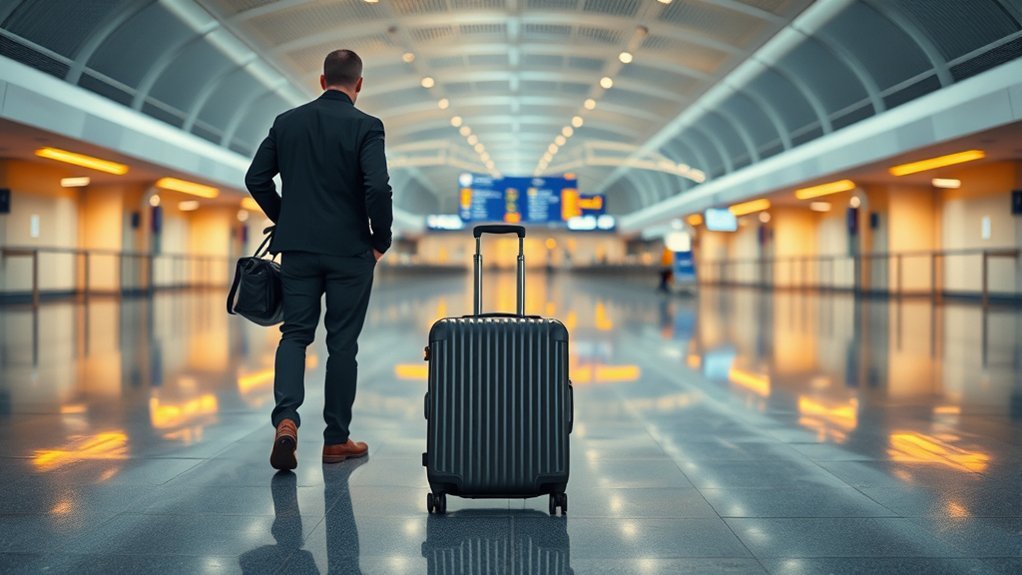
A connecting itinerary uses two or more flight segments to take you from your departure airport to your final destination. You land at an intermediate airport, leave the first aircraft, and continue on another flight.
Nonstop, Direct, and Connecting Flights
- Nonstop flight: Travels from the departure airport to the destination without a scheduled stop.
- Direct flight: Uses one flight number but may stop on the way. Depending on the service, passengers may remain onboard or change aircraft.
- Connecting flight: Requires you to transfer from one flight segment to another at an intermediate airport.
A connection may reduce the fare or make an otherwise unavailable route possible. It also adds more points where delays, terminal changes, border controls, or baggage problems can affect the journey.
Through Ticket Versus Self-Transfer
A through ticket places the journey from origin to final destination on one ticketed itinerary. The airlines involved have accepted the planned connection, and baggage may be checked to the final destination when their agreements and airport procedures allow it.
A self-transfer combines separate tickets or bookings. You may need to collect your bags, enter the country, travel between terminals or airports, check in again, and clear security before the second airline’s deadline. If the first flight is late, the second airline may treat you as a no-show rather than rebook you without charge.
Warning: Do not assume an itinerary is protected just because a travel website displays both flights on one screen. Look for labels such as “self-transfer,” “separate tickets,” “collect and recheck baggage,” or “airport change” before paying.
How to Choose the Best Connecting Flight
- Favor one-ticket itineraries. A through ticket usually gives the airline or ticket issuer more responsibility for managing the onward journey when an eligible disruption causes a missed connection.
- Check the airport codes. Confirm that the arrival and departure use the same airport. A city may have several airports, and transferring between them can require immigration, baggage collection, ground transportation, another check-in, and another security screening.
- Review the terminals. Use the airport’s official map to see whether you must walk a long distance, take a train or bus, leave security, or pass through passport control.
- Check the minimum connection time. The International Air Transport Association defines minimum connection time as the shortest scheduled interval needed to transfer a passenger and baggage at a particular location. Add a personal buffer rather than treating that minimum as a comfort target.
- Confirm the baggage process. Ask whether your bag will be tagged to the final destination and whether customs rules require you to collect and recheck it.
- Check passports and transit permission. Verify the rules for every country where you may pass through immigration or enter the public side of an airport.
- Look for recovery options. A route with another suitable flight later that day may be easier to recover than the final departure of the night, although an available seat is never guaranteed.
- Compare the entire trip. Consider total travel time, overnight waits, baggage fees, seat fees, airport transfers, meals, hotels, and the risk of buying a replacement ticket.
Minimum connection time is the booking floor—not a promise that the transfer will feel comfortable for every traveler.
How Long Should a Layover Be?
There is no universal ideal layover. The right amount of time depends on the airport, terminals, ticket structure, border procedures, checked baggage, mobility needs, weather, and time of day. The ranges below are practical planning buffers rather than official airline minimums.
| Connection Type | Practical Planning Buffer |
|---|---|
| Domestic to domestic | About 90 minutes at a large or unfamiliar airport |
| Domestic to international | About 2 hours, especially with a terminal change |
| International arrival followed by a domestic flight | About 2½–3 hours when immigration, customs, bag recheck, and security are required |
| International to international | About 2 hours for a straightforward airside transfer; longer for border or terminal procedures |
| Self-transfer or separate tickets | At least 3–4 hours, with an overnight buffer for high-risk or infrequent routes |
Add more time when you are traveling with young children, reduced mobility, several checked bags, an unfamiliar passport-control process, or an airport change. A slightly longer layover may also be worthwhile when the connecting flight is the final departure of the day.
How to Choose the Cheapest Option
A connecting flight may cost less than a nonstop flight, but that is not guaranteed. Compare the same travel dates across airlines and reputable booking platforms, then calculate the full trip cost rather than choosing the lowest displayed base fare.
| Strategy | What to Check |
|---|---|
| Compare platforms | Confirm that each result includes the same fare class, bags, seat options, and ticket structure. |
| Track prices | Use an official tool such as Google Flights price tracking to watch a route or specific flight. |
| Shift dates or airports | Compare nearby dates and airports, but include the cost and time needed to reach them. |
| Compare nonstop and connecting fares | Decide whether the savings justify the added travel time and disruption risk. |
| Review separate-ticket costs | Include duplicate bag fees, possible visa costs, airport transfers, hotels, and replacement-ticket risk. |
| Check flexible-booking terms | Compare change, cancellation, credit, and refund conditions before choosing a restrictive fare. |
Pro Tip: Compare the cheapest result with the best one-ticket itinerary. A small fare difference may be worthwhile when it removes a self-transfer, airport change, overnight wait, or last-flight-of-the-day connection.
Airline Rules That Affect Your Connection
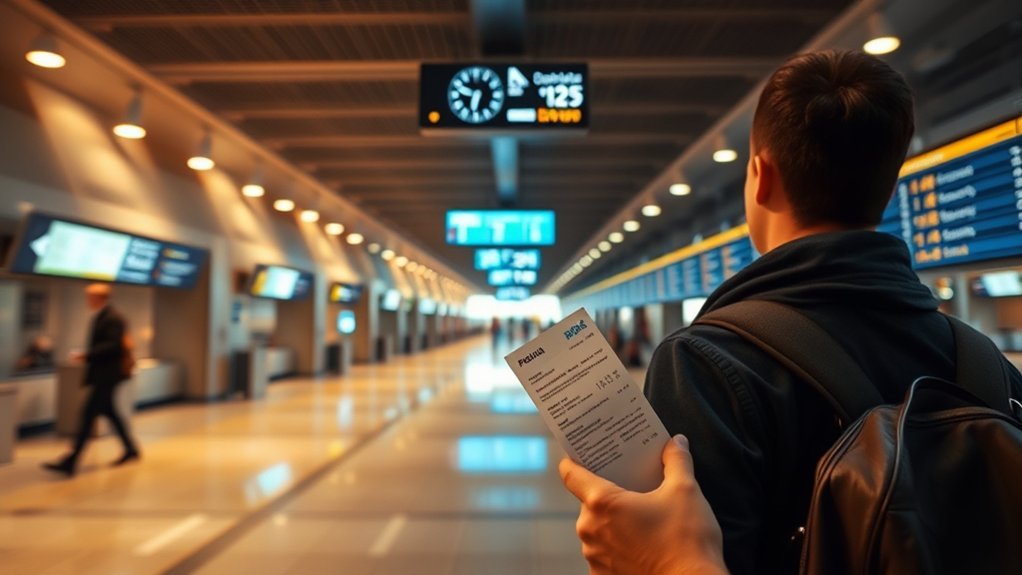
Airline rules can determine whether a delay becomes a manageable rebooking or an expensive interruption. Check the operating carrier, ticket numbers, baggage instructions, check-in deadlines, and conditions of carriage before booking.
Minimum Connection Time
Minimum connection time varies by airport, airline, terminal combination, domestic or international status, and required border procedures. A booking system will normally avoid selling an invalid connection on a properly constructed through ticket. However, meeting the official minimum does not guarantee that the connection will feel comfortable or that an unexpected delay will not cause a missed flight.
Baggage Transfer Rules
On a through ticket, the airline may tag checked baggage to your final destination. Confirm the destination airport code printed on the bag tag before leaving the counter.
You may still need to collect and recheck baggage when:
- the flights are on separate tickets;
- the airlines do not have an applicable baggage agreement;
- you change airports;
- customs rules require baggage presentation;
- the airport or itinerary instructions specifically tell you to reclaim it; or
- an overnight or unusually long connection ends through-checking eligibility.
Note: When entering the United States from overseas, travelers generally collect their checked bags and take them through U.S. Customs before rechecking them for the onward flight. Follow the instructions provided by the airline, airport, and U.S. Customs and Border Protection, because procedures and approved exceptions can vary.
Missed Connections and Rebooking
If an airline delay causes you to miss a flight on the same ticket, contact the operating airline or ticket issuer immediately. It may rebook you under its contract, published commitments, or applicable passenger-rights law. The next flight may not have an open seat, so rebooking can involve a later departure or an overnight wait.
In the United States, the Department of Transportation’s airline cancellation and delay dashboard compares participating airlines’ commitments for controllable disruptions. Meal, hotel, ground-transportation, and alternative-airline commitments vary.
On separate tickets, the second airline may not be responsible for a delay involving the first flight. Travel insurance or a specific booking-platform guarantee may help, but you must read the exact terms and exclusions rather than assuming the connection is covered.
International Connections: Passports, Transit Visas, and Security
International connections can require more than walking to another gate. Before booking, check the entry and transit rules for every country and territory in the itinerary.
- Passport validity: Confirm that your passport meets the destination and transit-country rules.
- Transit visa or travel authorization: Some nationalities need permission even for a short airport connection. The U.S. Department of State explains U.S. transit-visa requirements; use the official authority for every other transit country as well.
- Airside versus landside transfer: An airside transfer keeps you inside the secure international area. A landside transfer requires you to pass border control, enter the country, and clear security again.
- Customs and immigration: You may need to complete border formalities at the first airport where you enter a country or customs area.
- Security rescreening: Some airports require connecting passengers to pass through another security checkpoint.
- Airport changes: A transfer between different airports nearly always requires entry permission, baggage collection, ground transportation, check-in, and security screening.
Do not rely only on a travel-app label such as “no visa required.” Verify the rule through the official immigration or foreign-affairs authority using your passport nationality, residence status, travel purpose, and exact itinerary.
Tips for Booking a Better Layover
- Choose one airport. Avoid cross-city airport transfers unless the savings and schedule justify the added risk.
- Review the airport map. Check terminal locations, trains, buses, walking distances, passport control, and security checkpoints.
- Consider the time of day. A missed morning connection may leave several recovery options, while missing the final departure can create an overnight delay.
- Check seasonal risks. Add more time when severe weather, holiday crowds, or airport construction may disrupt the transfer.
- Keep essentials in your carry-on. Pack medication, documents, chargers, valuables, and basic overnight items where you can reach them.
- Enable airline notifications. Watch for gate changes, delays, boarding times, and automatic rebooking.
- Request assistance early. Travelers with reduced mobility or other assistance needs should arrange support through the airline before departure and allow a longer connection.
- Know the boarding deadline. The departure time is not the same as the time the gate closes.
Pro Tip: After booking, save the airline app, airport map, reservation number, ticket receipt, and baggage details on your phone. Also keep an offline screenshot in case airport Wi-Fi or mobile service is unreliable.
What to Do If You Miss a Connecting Flight
- Check the airline app. The carrier may have already assigned a new flight or offered rebooking choices.
- Contact the operating airline. Use the transfer desk, gate agent, phone line, chat service, or app while waiting in line.
- Explain the ticket structure. Tell the agent whether all segments are on one ticket and whether you have checked baggage.
- Ask about the next available route. Consider another hub or nearby airport only after confirming baggage and ground-transportation details.
- Ask what assistance applies. Meal, hotel, transportation, and refund rights depend on the cause, jurisdiction, airline policy, and length of the disruption.
- Keep receipts. Save reasonable meal, hotel, and transportation receipts in case the airline, insurer, or card benefit permits reimbursement.
- Trace checked baggage. Confirm whether the bag will follow the new itinerary or remain on the original routing.
- Notify separate-ticket carriers. If the next flight is a different booking, contact that airline before its check-in or boarding deadline and ask about available changes.
Avoid buying a replacement ticket immediately unless the airline confirms that it will not provide a suitable option or the separate-ticket terms leave you responsible. A new purchase can be difficult to recover later.
Frequently Asked Questions
How long should I allow between connecting flights?
The right time depends on the airport and itinerary. As a practical buffer, consider about 90 minutes for a domestic connection, around two hours for many international transfers, and 2½–3 hours when immigration, customs, bag recheck, and security are involved. Separate tickets generally need more time.
Are checked bags automatically transferred to a connecting flight?
Sometimes. Bags are often transferred on a through ticket when the airlines and airport support it. You may need to collect and recheck them on separate tickets, during an airport change, or when customs procedures require baggage collection. Confirm the final airport code printed on your bag tag.
What happens if my first flight is late and I miss the connection?
On a through ticket, contact the operating airline because it may rebook you under its contract, commitments, or applicable law. Rebooking depends on the circumstances and seat availability. On separate tickets, you may be responsible for changing or replacing the second flight.
Do I need a visa for a connecting flight?
You might. Transit requirements depend on your passport, residence status, itinerary, airport, and whether you pass through border control. Check the official immigration or foreign-affairs website for every transit country before booking.
Can I leave the airport during a long layover?
You can leave only when you are legally permitted to enter the country and have enough time to pass immigration, travel into the city, return, clear security, and reach the gate before boarding closes. Airport and airline guidance may recommend remaining in the terminal even during a long connection.
Is a connecting flight always cheaper than a nonstop flight?
No. A connection may be cheaper, but fare inventory changes by route, date, and airline. Compare the total cost, including bags, seats, meals, hotels, transfers, and the added risk of separate tickets.
Conclusion
The best connecting flight balances price, travel time, and protection against disruption. Start with a single through ticket, then check the airport, terminals, connection time, baggage process, border requirements, and later backup flights. A slightly longer layover may cost you extra time, but it can prevent a rushed terminal transfer, missed flight, or expensive self-transfer problem.
Sources
- International Air Transport Association — Minimum Connection Time — definition and use of airport minimum connection times
- UK Civil Aviation Authority — Planning Your Trip — ticket structure, airport changes, baggage, and border checks
- U.S. Customs and Border Protection — Checking Baggage Through — baggage procedures for international arrivals and onward flights
- U.S. Department of Transportation — Airline Cancellation and Delay Dashboard — airline commitments during controllable disruptions
- Google Travel Help — Track Flights and Prices — official instructions for monitoring airfare changes
- U.S. Department of State — Transit Visas — U.S. transit-document requirements

