
Last Updated on August 22, 2026 by Ethan Caldwell
Weather conditions can affect transportation by delaying, rerouting, or canceling trips across roads, flights, and rail networks. Snow, rain, fog, ice, flooding, and strong winds can reduce safety, limit visibility, and disrupt schedules. By checking forecasts, monitoring travel alerts, packing for changing conditions, and allowing extra time, you can reduce stress and handle weather-related travel problems more confidently.
Quick Answer
Weather affects transportation by making roads unsafe, reducing visibility for drivers and pilots, slowing trains, and causing delays or cancellations. Snow, storms, flooding, ice, and strong winds can change routes and schedules. Checking official alerts and preparing before travel helps you respond faster when conditions change.
Key Takeaways
- Snow, ice, rain, fog, and wind can disrupt roads, flights, and rail service.
- Forecasts and transportation alerts help you adjust plans before delays become serious.
- Packing layers, weather-resistant gear, and emergency supplies improves travel readiness.
Disclosure: As an Amazon Associate I earn from qualifying purchases. Some links on this page are affiliate links, at no extra cost to you.
How Weather Disrupts Travel Plans
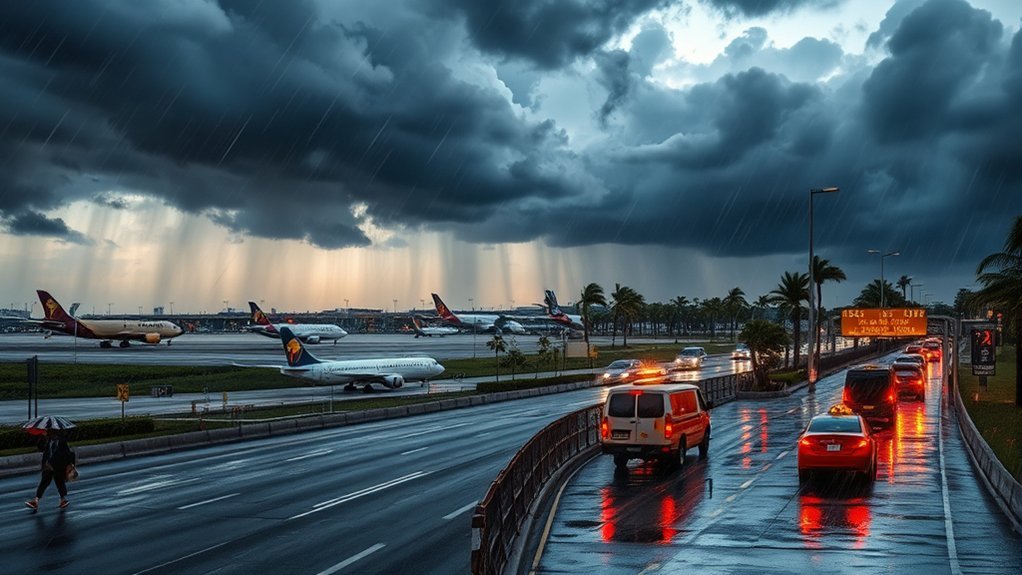
Weather can quickly change a travel plan by creating delays, detours, and cancellations. Heavy snowfall can close roads, ice can make surfaces dangerous, and flooding can block routes that were previously safe. Poor visibility from fog or heavy rain can also slow transportation and increase safety risks.
Weather disruptions affect more than personal travel. Freight carriers, delivery services, airlines, and rail operators may face longer travel times, increased operating costs, and schedule changes. Staying informed helps you make safer decisions when conditions become unpredictable.
At a Glance
| Time Required | A few minutes to check forecasts and alerts before travel |
| Difficulty | Easy preparation |
| Tools Needed | Weather apps, travel alerts, emergency supplies |
| Cost | Usually free |
How Weather Delays Road, Air, and Rail Travel
Different transportation systems respond to weather in different ways. Roads may become dangerous because of snow, ice, flooding, or poor visibility. Drivers may need to reduce speed, change routes, or delay travel until conditions improve.
Air travel can be affected by storms, strong winds, lightning, and low visibility. Airlines may delay departures, reroute flights, or cancel service when operating conditions become unsafe. Rail systems may also reduce speeds or pause operations during severe weather to protect passengers and equipment.
Warning: Never ignore official warnings during severe weather. A delayed trip is inconvenient, but traveling through unsafe conditions can create serious risks.
What to Pack for Safe Weather Travel
Weather-aware packing helps you stay comfortable when conditions change. Layers, weather-resistant clothing, and suitable footwear allow you to adapt without carrying unnecessary items.
- Pack an umbrella or rain jacket for unexpected rain.
- Bring sturdy shoes with traction for wet, icy, or uneven surfaces.
- Carry extra layers if temperatures may change during the day.
- Keep chargers, medications, and important documents protected from weather exposure.
Pro Tip: Check the weather at your destination and along your route, not just where you start. Conditions can change significantly between locations.
How to Use Forecasts and Delay Alerts
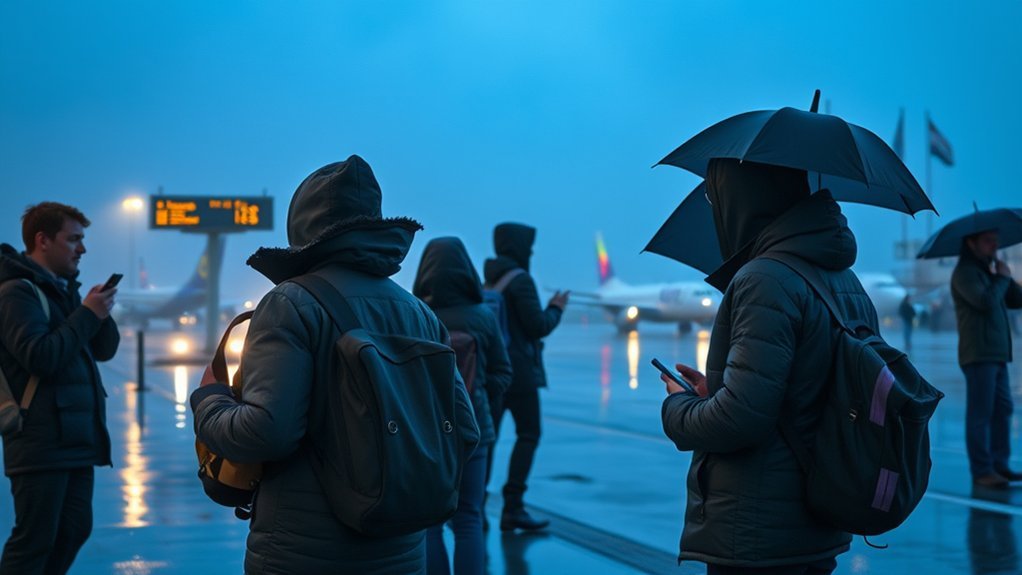
Checking weather forecasts before leaving gives you time to adjust your plans. Use official weather services and transportation alerts to monitor storms, closures, delays, and cancellations.
Transportation providers often publish real-time updates through websites and mobile apps. Combining those alerts with local weather information helps you decide whether to continue, change your route, or postpone your trip.
What to Do If Weather Delays Your Trip
If weather delays your trip, focus on safety and practical next steps. Check current alerts, contact your transportation provider, and look for alternative options if available.
- Choose backup routes or transportation options.
- Allow extra time when traveling during storms or winter conditions.
- Keep your phone charged and emergency contacts available.
- Review travel insurance terms if delays create extra expenses.
You cannot control the weather, but preparation helps you respond calmly and make better travel decisions.
Frequently Asked Questions
How Does Inclement Weather Affect Travel?
Inclement weather can cause flight delays, road hazards, rail disruptions, and higher travel costs. Snow, ice, rain, fog, and wind can affect safety and change transportation schedules.
How Can Travelers Prepare for Weather Delays?
Travelers can prepare by checking forecasts, signing up for alerts, packing suitable clothing, carrying important supplies, and leaving extra time for possible disruptions.
Conclusion
Weather can change transportation plans quickly, but preparation makes disruptions easier to manage. Checking forecasts, watching delay alerts, packing appropriately, and staying flexible can help you travel more safely by road, air, or rail. A few simple habits can reduce stress and help you handle whatever conditions appear.
Sources
- National Weather Service — official weather forecasts, warnings, and alerts.
- Federal Aviation Administration — aviation safety and weather information.
- Federal Highway Administration — transportation and roadway safety information.