
Last Updated on July 25, 2026 by Daniel Globe
The “Hotel California” legend comes from the Eagles’ 1976 album and its famous title song, not from one confirmed hotel that listeners can visit. The story feels physical because it uses vivid images of arrival, luxury, temptation, and confinement. Yet the band has consistently described the song as a broad metaphor for American excess, lost innocence, and the uneasy relationship between art, fame, and commerce.
Quick Answer
The Hotel California in the Eagles’ song is best understood as a fictional, symbolic place rather than a specific hotel. It represents the seductive side of success and pleasure, followed by disillusionment and a feeling of being trapped. The Beverly Hills Hotel appears on the album cover, but it is not a literal setting for the song.
Key Takeaways
- “Hotel California” describes a fictional setting that works as a metaphor, not a confirmed real-world hotel.
- Don Henley has linked the song to the darker side of the American dream, excess, narcissism, and the music business.
- Don Felder, Glenn Frey, and Don Henley received songwriting credit for the title track.
- The Beverly Hills Hotel is pictured on the album cover, which helped blur the line between fiction and reality.
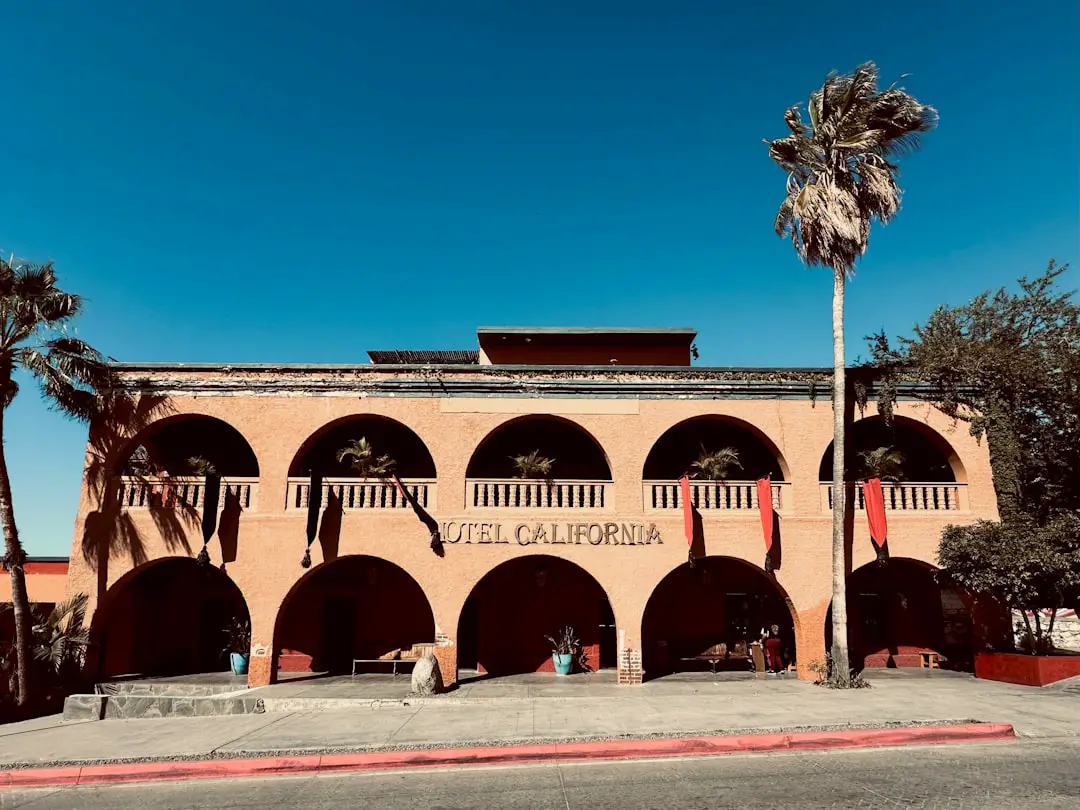
- The real Hotel California in Todos Santos, Mexico, states that it did not inspire the Eagles’ song.
Is Hotel California a Real Place?
No single real hotel has been established as the setting of the song. The hotel in the lyrics functions like a dream space: it is attractive, comfortable, and unsettling at the same time. That tension lets listeners read the story as a warning about fame, wealth, addiction, consumer culture, unhealthy relationships, or any pleasure that becomes difficult to leave behind.
Several real businesses use the name Hotel California, but sharing the name does not create a connection to the Eagles. The best-known example is the Hotel California in Todos Santos, Baja California Sur. Its own history page states that the property did not inspire the song and has no past or present association with the band.
Note: The real hotel shown on the album cover and the fictional hotel described in the song are two different things. The cover uses a recognizable California landmark; the lyrics create a symbolic setting.
Products Worth Considering

Wall Art Size: The canvas wall art each panel size is 28x14 inch (35x70cm), 3 panels total are 42x28 inch (70x105cm). If you want to customize pictures or photos, please contact us directly.

California Map Illustrated Art Print – A must-have for anyone who loves the charm and history of the Golden State. This framed print captures the essence of California’s landmarks, coastline, and mountains, blending vintage nostalgia with a whimsical artistic touch. With its rich details and retro travel poster vibes, it brings warmth and character to any space. Whether you're a history buff or a traveler at heart, this California History and Culture Poster is a timeless addition to your decor.

Matte-finish art print on smooth heavyweight paper with printed artwork. Unframed.
The History and Creation of “Hotel California”
The Eagles released the Hotel California album in December 1976. The title track later appeared as a single in 1977. Don Felder developed the music, while Glenn Frey and Don Henley helped shape the lyrics and narrative. The official Grammy record credits all three as songwriters.
The album was made during 1976 recording sessions in Miami and Los Angeles, including work at Criteria Studios and the Record Plant. Those sessions produced a polished sound that moved the Eagles beyond their earlier country-rock identity and toward a larger, darker style.
The song’s cinematic structure is central to its effect. A traveler enters an inviting place, meets strange figures, and gradually senses that the welcome carries a hidden cost. The story never explains every detail, which is one reason the song has encouraged so many theories.
What Does “Hotel California” Mean?
There is no single narrow interpretation that explains every image. In a 2016 interview, Don Henley described the song as a journey from innocence to experience and connected it to America, excess, narcissism, and the music business. That explanation supports a broad reading: the hotel represents an appealing world whose pleasures can become controlling.
The Dark Side of the American Dream
The song contrasts aspiration with consequence. California had long represented reinvention, opportunity, sunshine, and success. In the song, that promise becomes unstable. The traveler finds beauty and comfort, but also confusion, repetition, and loss of control. The result is a critique of success without limits.
Fame, the Music Business, and Excess
The Eagles were experiencing major commercial success while observing the pressures and indulgences surrounding the Los Angeles music scene. The hotel can therefore be read as a symbol of an industry that welcomes ambitious artists, rewards them, and then makes it difficult to escape its demands.
Addiction and Entrapment
Many listeners interpret the story as an addiction metaphor because desire gradually becomes confinement. That reading is plausible, but it should not be presented as the only official meaning. The song’s power comes from its ability to describe several forms of dependence without naming just one.
Loss of Innocence
The traveler begins as an outsider and ends with a changed understanding of the place. This movement from curiosity to awareness supports Henley’s description of the song as a journey from innocence to experience. The hotel is less a building than a state of mind that reveals the cost of unchecked desire.
The hotel is most convincing as a symbol: it offers everything the traveler thinks he wants, then exposes the price of wanting it without limits.
The Album Cover and the Beverly Hills Hotel
The front cover of Hotel California shows the Beverly Hills Hotel at dusk. Its palm trees, warm lights, and partly obscured architecture create the same mix of glamour and unease found in the song. California’s official tourism site identifies the property as the hotel pictured on the cover.
This visual connection has caused understandable confusion. The Beverly Hills Hotel is a real luxury property on Sunset Boulevard, but the fact that it appears on the cover does not mean the song describes a stay there. The image acts as a visual symbol of Los Angeles glamour rather than a map to the fictional hotel.
Products Worth Considering
In the color options, you can choose a framed style and unframe style. Order according to your needs.
In the color options, you can choose a framed style and unframe style. Order according to your needs.

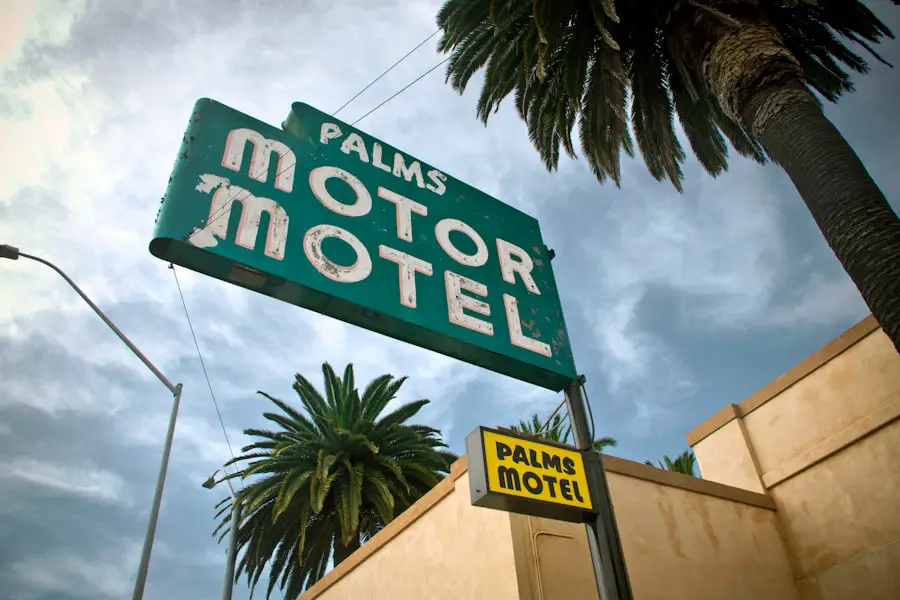
Signboard of a hotel Beverly Hills Hotel Beverly Hills Los Angeles County California USA
The Mystery and Common Hotel California Myths
The song leaves important questions unanswered, so rumors have filled the gaps. Some theories identify a particular California hotel. Others claim the lyrics describe a cult, a psychiatric hospital, a religious institution, or a coded supernatural story. These claims are not supported by the band’s explanations.
Was It Inspired by the Hotel in Todos Santos?
No verified evidence connects the song’s creation to the Hotel California in Todos Santos. The Eagles disputed claims that the property inspired the song, and the hotel now publishes a direct disclaimer stating that it has no association with the band or the song.
Was It Based on the Beverly Hills Hotel?
The Beverly Hills Hotel is tied to the album artwork, not confirmed as the literal subject of the lyrics. Its presence on the cover may strengthen the song’s Los Angeles atmosphere, but the band’s explanation points to a larger metaphor about America and the high life.
Is the Song About Satanism or a Cult?
There is no reliable evidence for those claims. They are urban legends built from the song’s ominous mood, unexplained characters, and ambiguous images. The band’s own comments emphasize American excess, the music business, and the loss of innocence instead.
The Music Behind the Legend
The arrangement helps turn the story into a legend. The opening guitar pattern creates a calm but slightly unsettled mood before the vocal begins. Layered harmonies make the hotel sound inviting, while the steady rhythm keeps the traveler moving deeper into the scene.
The extended dual-guitar ending is performed by Don Felder and Joe Walsh. Rather than resolving the story neatly, the instrumental section stretches out the tension. The music feels elegant and controlled even as the narrative suggests that control has been lost.
The title track won Record of the Year at the 20th Annual Grammy Awards in 1978. The album was nominated for Album of the Year, but Fleetwood Mac’s Rumours won that category. This distinction is often blurred in brief histories of the song.
Verified Facts at a Glance
| Album release | December 1976 |
| Single release | 1977 |
| Songwriters | Don Felder, Glenn Frey, and Don Henley |
| 1978 Grammy result | Record of the Year |
| Album-cover hotel | The Beverly Hills Hotel |
| U.S. certification reported in 2026 | 28× Platinum |
Products Worth Considering

Brand New in box. The product ships with all relevant accessories


The Influence of “Hotel California” on Popular Culture
The song became a lasting cultural reference because its central idea is easy to adapt: a beautiful place or successful system becomes difficult to leave. Writers and viewers often use “Hotel California” as shorthand for seductive entrapment, institutional permanence, or a situation that offers comfort while limiting freedom.
Its influence is also musical. The title track has been performed and reinterpreted by artists in many genres, while its guitar ending remains a familiar reference point for rock musicians. Rather than relying on unsupported counts of covers or media appearances, the clearest measurable signs of its reach are its Grammy recognition, chart success, and continuing album certification. In January 2026, the Eagles reported that the album had been recertified 28× Platinum in the United States.
Why the Hotel Feels Like a Real Experience
The song works because it uses concrete sensory details while withholding a clear explanation. Listeners can imagine the road, the lights, the rooms, the gathering, and the growing unease. The hotel feels specific enough to enter but vague enough to represent a personal fear or temptation.
That balance also explains why people search for the building. A literal location would make the mystery easier to solve. The song resists that solution. Its fictional hotel remains compelling because every listener can recognize a different version of the trap.
The Legacy of “Hotel California”
“Hotel California” endures because its story operates on several levels at once. It is a travel narrative, a portrait of Los Angeles glamour, a warning about excess, a reflection on the music business, and a broader account of innocence giving way to experience. None of those readings requires a real hotel.
The song’s ambiguity is not a flaw to solve but a major part of its design. The Eagles gave listeners a setting vivid enough to remember and open enough to debate. Decades later, the legend continues because the hotel represents a recurring human problem: the things that attract us most can also become the hardest to leave.
For readers planning a music-themed trip or another walking-heavy journey, the site’s guide to waterproof sneakers for travel offers practical footwear ideas for changing weather.
Frequently Asked Questions
What is the location of Hotel California?
The song does not give a verifiable real-world address. Its hotel is a fictional setting used to explore temptation, excess, disillusionment, and entrapment.
Is there a real Hotel California?
Yes, several hotels use that name. However, none has been confirmed as the hotel described in the Eagles’ song. The Hotel California in Todos Santos states that it did not inspire the song.
Can I visit the Hotel California mentioned in the song?
No. The hotel in the song is fictional. You can visit real properties associated with the legend, including the Beverly Hills Hotel shown on the album cover, but they are not the literal hotel in the lyrics.
What inspired “Hotel California”?
The song grew from the Eagles’ experiences with Los Angeles, fame, the music business, and the excesses surrounding success. Don Henley has described it as a journey from innocence to experience and a look at the darker side of the American dream.
Which hotel appears on the album cover?
The front cover shows the Beverly Hills Hotel in Los Angeles. The image supports the album’s mood, but it does not prove that the song is set at that property.
When was “Hotel California” released, and who wrote it?
The album was released in December 1976, and the title track was issued as a single in 1977. Don Felder, Glenn Frey, and Don Henley are the credited songwriters.
Sources
- Eagles Official Store: Hotel California — confirms the 1976 album and official track listing.
- CBS News interview with Don Henley — supports the song’s themes and the journey-from-innocence interpretation.
- Recording Academy: 20th Annual Grammy Awards — confirms the songwriters, Record of the Year win, and Album of the Year result.
- Eagles: 2026 RIAA certification announcement — supports the reported 28× Platinum album certification.
- Visit California: Beverly Hills Hotel — identifies the hotel pictured on the album cover.
- Hotel California Baja: Official History — states that the Todos Santos property did not inspire the Eagles’ song.
