Last Updated on September 27, 2026 by Logan Reeves
The best cordless drill for you depends on the materials you work with, how often you use it, and which batteries you already own. Torque, chuck size, motor type, and included accessories matter more than marketing claims.
The Milwaukee M18 FUEL 2904-22 is our overall pick for demanding drilling, with 1,400 in-lbs of torque and two included batteries. The Kobalt KDD 524B-03 offers an alternative for people who already own compatible batteries.
These picks were assessed using manufacturer specifications, included equipment, compatibility information, and product documentation.
Cordless Drills Compared
| Product | Best for | Maximum torque | Power system | Score |
|---|---|---|---|---|
|
Premium
|
Best overall and professional use | 1,400 in-lbs | M18; two 5.0Ah batteries included | 95/100 |
| Light screwdriving; not a full drill | 36 in-lbs | Integrated 4V battery | 86/100 | |
| Existing ONE+ users; discontinued kit | 500 in-lbs | 18V ONE+ | 88/100 | |
|
Mid-range bare tool
|
Brushless drilling with an existing battery system | 650 in-lbs | 24V Max; battery sold separately | 80/100 |
Best Cordless Drills: Our Top Picks
1. Milwaukee M18 FUEL 2904-22
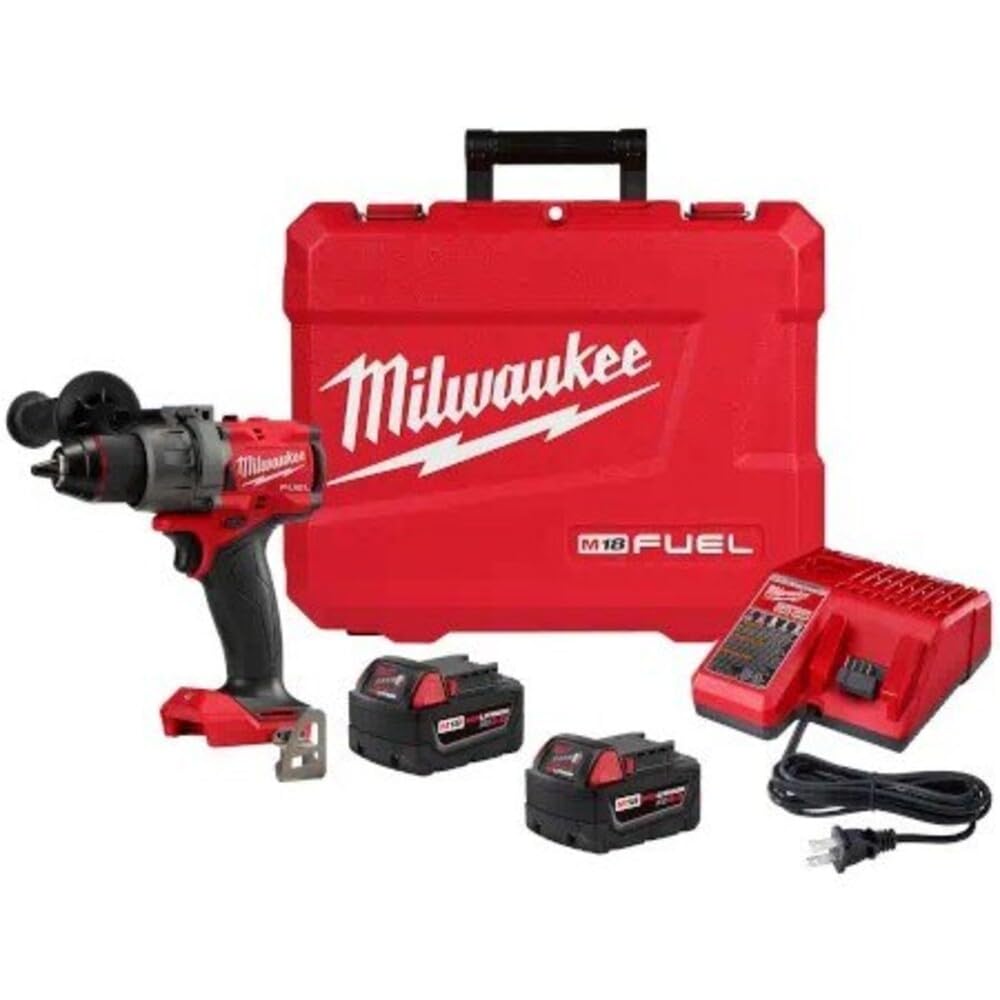
Bottom line: The Milwaukee M18 FUEL 2904-22 combines high torque, hammer drilling, and a complete battery kit for demanding work.
Key Specs
- Power system: M18 lithium-ion, compatible with the M18 tool platform.
- Maximum torque: 1,400 in-lbs, suited to demanding drilling.
- Chuck: 1/2-inch all-metal ratcheting chuck for secure bit retention.
- Motor: POWERSTATE brushless motor for efficient operation.
- Included power: Two 5.0Ah batteries and a charger.
This hammer drill gives you the flexibility to drill wood, metal, brick, and block with the correct bit and mode. Its two-speed gearbox helps match the task, while the mechanical clutch provides control when driving fasteners.
The drill measures 6.9 inches long. That compact body improves access, although the battery and high-torque design still make it a substantial tool for extended overhead work.
AUTOSTOP control helps limit over-rotation during a bind-up. The kit also includes a side handle and carrying case.

Ease of Use
|
Feature |
Ease Level |
|---|---|
|
Grip & Balance |
Moderate |
|
Controls & Settings |
Easy |
|
Battery Swap |
Easy |
|
Bit Changes |
Easy |
What It Handles
Use it for framing, drilling in wood and metal, fastening, and occasional masonry work. Select hammer mode with the appropriate masonry bit for brick, block, or concrete.
A standard hammer drill is not a rotary hammer. For repeated large holes in concrete, consider an SDS rotary hammer instead.
Pros and Cons
- High maximum torque for demanding applications.
- Brushless motor and hammer-drilling mode.
- Two 5.0Ah batteries included.
- AUTOSTOP bind-up protection.
- All-metal chuck and included side handle.
- More tool than most light household jobs require.
- Can feel substantial during prolonged overhead work.
- M18 batteries are not interchangeable with other brands.
2. SKIL SD561801

The SKIL SD561801 is a compact 4V rechargeable screwdriver for furniture assembly, cabinet hardware, and small household fasteners. It is not a replacement for a conventional cordless drill.
Its integrated lithium-ion battery charges through Micro-USB. A built-in LED helps illuminate the work area, and the kit includes screwdriver bits and a magnetic bit holder.
The small size is convenient for storage and light tasks. However, its hex bit holder and limited power make it unsuitable for general drilling, framing, or masonry.

Ease of Use
|
Feature |
Ease Level |
|---|---|
|
One-Handed Use |
Easy |
|
Trigger Control |
Easy |
|
LED Light |
Easy |
|
USB Charging |
Easy |
What It Handles
This screwdriver handles routine screwdriving, furniture assembly, and small repairs. Its low torque makes it more appropriate for light fasteners than structural work.
Pros and Cons
- Compact and easy to store.
- Integrated rechargeable battery.
- LED work light.
- Includes screwdriver bits and magnetic holder.
- Not a full cordless drill.
- Limited torque for demanding fasteners.
- Integrated battery cannot be swapped like a standard drill pack.
3. Ryobi P215K

The Ryobi P215K is an 18V ONE+ drill/driver kit with a two-speed gearbox, 24-position clutch, and 1/2-inch keyless chuck. Ryobi identifies this model as discontinued.
Its stated maximum torque is 500 in-lbs. The clutch helps control screwdriving force, while the ONE+ battery system allows compatible batteries to work across tools in the same platform.
The linked kit includes a battery and charger. Buyers should confirm the package contents and warranty terms with the seller when considering an older kit.

Ease of Use
|
Feature |
Ease Level |
|---|---|
|
Grip & Balance |
Easy |
|
Clutch Adjustment |
Moderate |
|
Battery Swap |
Easy |
|
Bit Changes |
Easy |
What It Handles
The P215K supports ordinary household drilling and fastening in wood and light metal. It is a standard drill/driver without a hammer-drilling mode.
Pros and Cons
- Compatible with the 18V ONE+ system.
- 24-position clutch.
- Two-speed gearbox.
- 1/2-inch keyless chuck.
- Discontinued model.
- No hammer-drilling function.
- Older kit contents and warranty eligibility require confirmation.
4. Kobalt KDD 524B-03
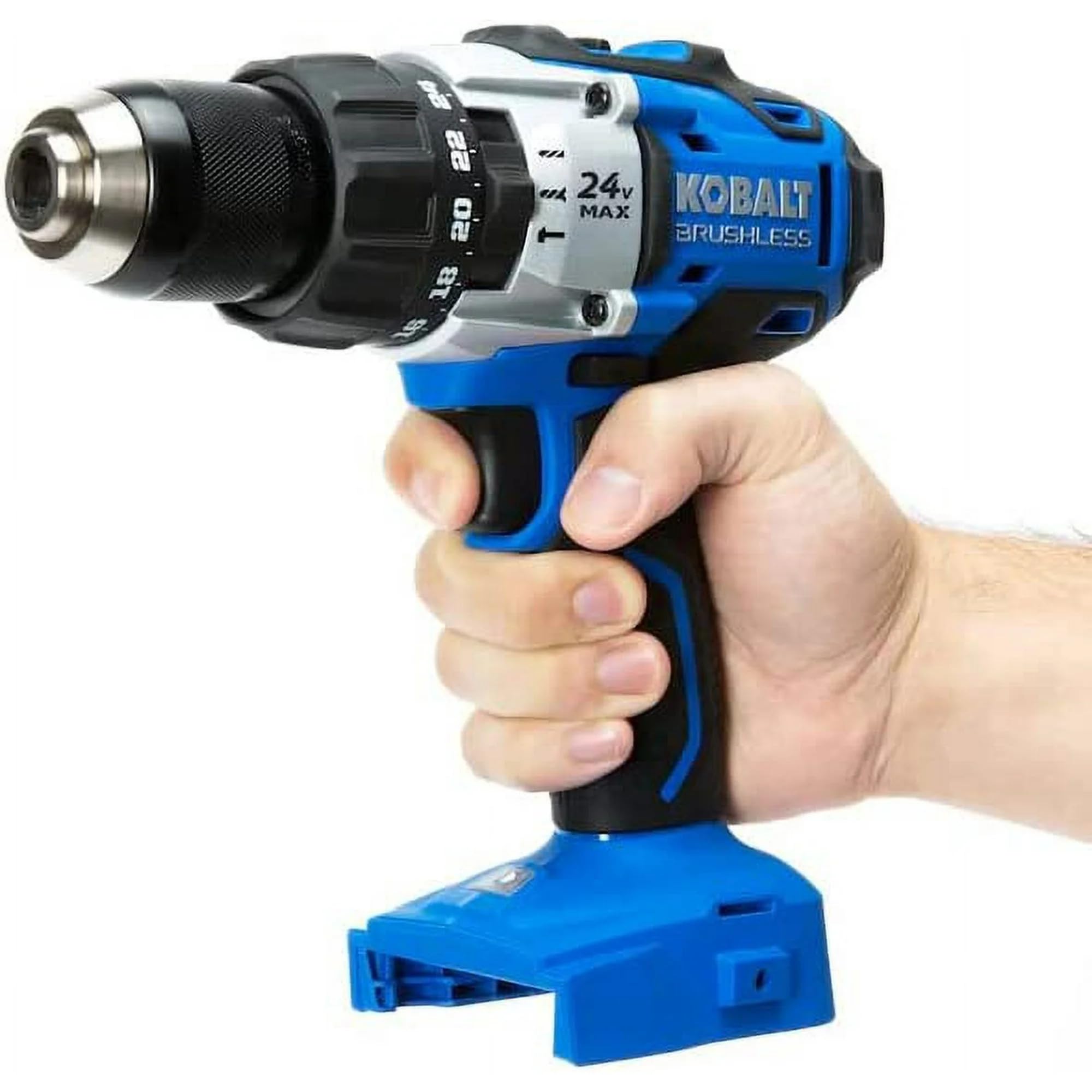
Bottom line: The Kobalt KDD 524B-03 provides brushless drilling power for people who already own compatible Kobalt 24V Max batteries.
Key Specs
- Power system: Kobalt 24V Max, compatible with matching battery packs.
- Maximum torque: 650 in-lbs, suitable for substantial household drilling.
- Chuck: 1/2-inch keyless chuck for common drill bits.
- Motor: Brushless motor for efficient operation.
- Included power: Bare tool; battery and charger required separately.
This model combines a two-speed gearbox with a variable-speed trigger. Its stated no-load speed ranges are 0–550 and 0–2,000 RPM, allowing you to match speed to the task.
The adjustable clutch helps control fastening, while the keyless chuck makes bit changes convenient. The brushless motor also avoids the brush maintenance associated with conventional brushed motors.
Important model distinction: KDD 524B-03 is identified as a drill/driver in the manufacturer’s manual. KHD 524B-03 is the separate hammer-drill model. Check the model printed on the tool before purchasing, especially because the linked listing uses inconsistent naming.

Ease of Use
|
Feature |
Ease Level |
|---|---|
|
Grip & Balance |
Easy |
|
Speed Control |
Moderate |
|
Bit Changes |
Easy |
|
Clutch Adjustment |
Moderate |
What It Handles
The KDD 524B-03 handles drilling and fastening in wood and metal with appropriate bits. Its standard drill/driver configuration is not intended to replace a hammer drill for masonry.
Pros and Cons
- 650 in-lbs maximum torque.
- Brushless motor.
- Two-speed gearbox and adjustable clutch.
- 1/2-inch keyless chuck.
- Compatible with Kobalt 24V Max batteries.
- Battery and charger are not included.
- No hammer-drilling mode on the KDD model.
- Listing name conflicts with the manufacturer’s model designation.
Milwaukee M18 FUEL 2904-22 vs Kobalt KDD 524B-03: Is the Upgrade Worth It?
The choice depends on whether you need a complete hammer-drill kit or already have batteries for a standard drill/driver.
- Power: Milwaukee provides 1,400 in-lbs maximum torque; Kobalt provides 650 in-lbs.
- Masonry: Milwaukee has hammer mode; the Kobalt KDD does not.
- Included equipment: Milwaukee includes two batteries, charger, and case; Kobalt is a bare tool.
- Battery platform: Both use proprietary systems, so existing tools influence the total cost.
Which Cordless Drill Should You Buy?
- Professional drilling: Get the Milwaukee M18 FUEL 2904-22.
- Occasional masonry: Choose the Milwaukee for its hammer-drilling mode.
- Existing Kobalt batteries: Consider the Kobalt KDD 524B-03 for ordinary drilling and driving.
- Complete starter kit: Milwaukee includes batteries and a charger.
- Ordinary household drilling: Select a drill/driver with a clutch and keyless chuck rather than relying on a small electric screwdriver.
How We Chose
- Performance: Compared manufacturer-stated torque, chuck capacity, speed settings, and motor type.
- Battery system: Checked platform compatibility, included batteries, and charging equipment.
- Practical design: Considered clutch adjustment, grip, weight, and task suitability.
- Documentation: Cross-checked listings against manufacturer product pages and manuals.
- Safety: Reviewed available manufacturer recall information and product identification.
The specifications describe manufacturer-rated capabilities, not results from independent hands-on testing. Actual performance depends on the bit, material, battery, and working conditions.
How to Choose the Best Cordless Drill
Torque and Drilling Power
Torque describes rotational force. Higher maximum torque can help when drilling larger holes or working with demanding materials, but the correct bit and speed remain important.
For routine home repairs, you may not need a high-torque professional tool. For repeated demanding work, the Milwaukee provides more stated torque than the Kobalt model listed here.
Brushed vs Brushless Motors
Brushless motors use electronic control instead of conventional carbon brushes. They can improve efficiency and reduce brush-related maintenance.
Both recommended drills in this roundup use brushless motors. That makes motor type less important than their differences in torque, hammer mode, kit contents, and battery compatibility.
Battery Voltage and Capacity
Voltage identifies the battery platform, while amp-hours describe battery capacity. A larger compatible battery generally provides more stored energy, but runtime still depends on workload.
The Milwaukee kit includes two 5.0Ah batteries. The Kobalt listing is for a bare tool, so you need compatible power equipment separately.
Chuck Size and Bit Compatibility
A 1/2-inch chuck accepts a broad range of common drilling accessories. A keyless design also lets you change bits without a separate chuck key.
Both recommended models have 1/2-inch chucks. Always check each accessory’s shank size and the drill manufacturer’s operating limits.
Clutch and Speed Settings
A clutch helps prevent excess force when driving screws. Start with a lower setting, then increase it until the fastener seats correctly.
Use lower speed when the material or bit calls for greater control. Higher speed is useful for suitable smaller-bit applications.
Hammer Drill vs Standard Drill
A hammer drill adds a rapid hammering action for drilling suitable masonry materials. A standard drill/driver does not provide that action.
The Milwaukee 2904-22 has hammer mode. The Kobalt KDD 524B-03 is a standard drill/driver. Do not confuse it with the similarly named Kobalt KHD hammer-drill model.
Battery Ecosystem and Total Cost
Buying within an existing battery system can reduce the number of chargers and packs you need. However, batteries from competing brands are not normally interchangeable.
Compare complete kit contents rather than the tool alone. A bare tool may require extra purchases before you can use it.
Mistakes to Avoid When Buying a Cordless Drill
- Confusing similar model numbers: Check the manufacturer’s model designation against the listing.
- Overlooking batteries: Confirm whether the package includes a battery and charger.
- Buying too much power: Match drill size and capability to your normal projects.
- Ignoring chuck compatibility: Check that your intended bits fit the tool.
- Using the wrong drilling mode: Follow the manufacturer’s instructions for the material.
Drill and Battery Maintenance
Keep battery contacts clean and dry. Store batteries away from excessive heat, moisture, and prolonged freezing conditions.
Clear dust from the drill’s ventilation openings and inspect the chuck for damage. Remove the battery before cleaning the tool or changing accessories when directed by the manufacturer.
Use the recommended charger and follow the battery manufacturer’s storage guidance. Avoid leaving lithium-ion batteries deeply discharged for extended periods.
Wear eye protection during drilling. Secure the workpiece, select the correct bit, and use the side handle where recommended.
Customer Preferences
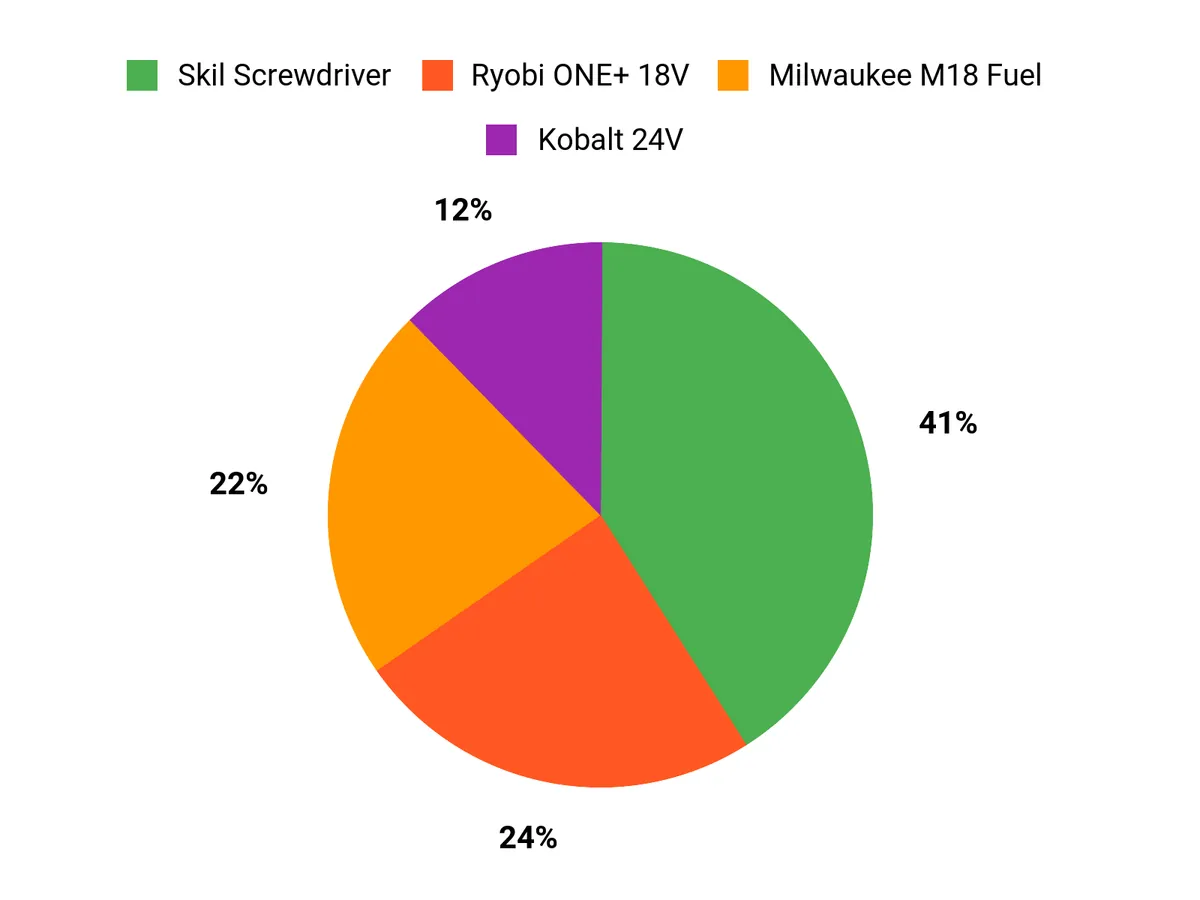
Your priorities determine which drill features matter most. Some projects call for high torque and masonry capability, while others benefit from a compact body or an existing battery system.
FAQs
Which Cordless Drill Is Right for Me?
Choose a drill based on the work you do most often. A standard drill/driver handles many household tasks, while a hammer drill adds masonry capability. For frequent demanding work, the Milwaukee M18 FUEL 2904-22 provides high torque and a complete kit. Also consider weight, chuck size, and battery compatibility.
How Important Are Battery Compatibility and Runtime?
Battery compatibility matters because it affects which tools can share batteries and chargers. Higher amp-hour capacity generally provides more stored energy, but actual runtime depends on the task. If you already own compatible tools, staying within that system may reduce extra purchases. A spare charged battery can help limit interruptions during longer projects.
Is a Brushless Cordless Drill Worth It?
A brushless drill can be useful when efficiency and reduced brush maintenance matter. However, motor type alone does not determine performance. Compare torque, speed settings, chuck size, and the included battery equipment. The Milwaukee and Kobalt models in this roundup both use brushless motors, so their drilling functions and kit contents are important differences.
Can a Cordless Drill Be Used on Concrete?
Some cordless hammer drills can drill concrete using the correct masonry bit and operating mode. The Milwaukee M18 FUEL 2904-22 includes hammer mode. For repeated large holes or demanding concrete work, an SDS rotary hammer is generally more appropriate. A standard drill/driver such as the Kobalt KDD 524B-03 should not be confused with a hammer drill.
What Is the Difference Between a Drill and an Electric Screwdriver?
A conventional drill/driver has a chuck that accepts a range of drill bits and driving accessories. A small electric screwdriver is designed mainly for light screwdriving with hex bits. Electric screwdrivers are convenient for furniture assembly, but they generally offer less torque and drilling versatility than full cordless drills.
Should I Buy a Bare Tool or a Complete Kit?
Choose a bare tool when you already own compatible batteries and a charger. Otherwise, compare the total cost of obtaining everything needed to operate it. The Kobalt KDD 524B-03 listing is for a bare tool, while the Milwaukee 2904-22 kit includes two batteries and a charger.
How Do I Maintain My Drill and Batteries?
Keep the chuck and ventilation openings clean, inspect the tool regularly, and use the manufacturer’s recommended charger. Store lithium-ion batteries at moderate temperatures and avoid leaving them deeply discharged. Remove the battery before maintenance when required by the manual. Correct bit selection and clutch settings also help prevent tool damage.
Final Verdict: Best Cordless Drill
The Milwaukee M18 FUEL 2904-22 combines high torque, hammer-drilling capability, and a complete battery kit. The Kobalt KDD 524B-03 offers a standard brushless drill/driver for buyers already invested in its battery platform.
If you already own compatible Kobalt batteries, compare the Kobalt KDD 524B-03 before purchasing another battery platform.
Additional Product Comparison
| Product Name | Image | Maximum Torque | Battery Type | Drill Type |
|---|---|---|---|---|
| Milwaukee M18 FUEL 2904-22 |
|
1,400 in-lbs | Lithium-ion | Hammer drill |
| SKIL SD561801 |
|
36 in-lbs | Integrated lithium-ion | Electric screwdriver |
| Ryobi P215K |
|
500 in-lbs | Lithium-ion | Standard drill/driver; discontinued kit |
| Kobalt KDD 524B-03 |
|
650 in-lbs | Lithium-ion | Standard brushless drill/driver |