

Last Updated on July 26, 2026 by Daniel Globe
Checking out of a hotel is usually simple, but a few minutes of planning can prevent forgotten belongings, billing surprises, missed transportation, and late-checkout fees. Before leaving, confirm the hotel’s checkout deadline, pack carefully, review your final bill, inspect the room, and follow the property’s preferred checkout method.
Quick Answer
To check out of a hotel, confirm your checkout time, pack your belongings, inspect the room, review the final bill, and settle any balance. Then use the front desk, express checkout, or the hotel’s app as instructed. Keep your receipt and confirm transportation before leaving the property.
Key Takeaways
- Check the exact checkout time shown in your reservation or on the hotel’s website instead of assuming every property uses the same deadline.
- Request late checkout before the deadline; approval and fees depend on the hotel, availability, and sometimes loyalty status.
- Review your folio for room charges, taxes, dining, parking, minibar, resort or destination fees, and other incidentals.
- Search the bed, bathroom, outlets, drawers, safe, closet, refrigerator, and charging areas before closing your luggage.
- Use the hotel’s front desk, express checkout, or digital checkout method and save the final receipt.
- Confirm your airport transfer, rideshare, shuttle, rental car, or public-transit plan before leaving.
At a Glance
| Time Required | About 10–20 minutes for the final room check and checkout, plus packing time |
| Difficulty | Easy |
| Tools Needed | Phone, luggage, payment method, room key if applicable, and a simple checklist |
| Cost | Normally no separate checkout fee; approved late checkout or other hotel services may carry a charge |
Disclosure: As an Amazon Associate I earn from qualifying purchases. Some links on this page are affiliate links, at no extra cost to you.
How to Check Out of a Hotel Step by Step
A smooth departure starts before you arrive at the front desk. The basic process is:
- Confirm the hotel’s checkout deadline.
- Ask for late checkout if you need more time.
- Pack your luggage and count every bag.
- Search the room for personal items.
- Review the hotel folio and outstanding charges.
- Confirm transportation to your next destination.
- Use the hotel’s front desk, express, or digital checkout method.
- Return physical keys if the property requests them.
- Save your final receipt.
- Check your payment account and loyalty account later for the final transaction and any earned credit.
Confirm the Hotel’s Checkout Time
Do not assume that every hotel requires guests to leave at the same time. Although 11:00 a.m. and noon are common checkout times, policies vary by property. Hilton, for example, tells guests to check the individual hotel’s details because check-in and checkout times vary by location. Hilton’s official checkout guidance explains how guests can find a property’s specific time.
Look at your reservation confirmation, the hotel website, the hotel’s app, or information provided at check-in. If you are uncertain, call or message the front desk the evening before departure.
Knowing the deadline lets you plan breakfast, showers, packing, transportation, and any final activities without rushing.
Pro Tip: Pack most of your belongings the night before. Leave out only what you need for sleeping, showering, medication, charging devices, and getting dressed the next morning.
Request Late Checkout Early
If your flight, train, meeting, or other plans start well after the normal checkout time, ask whether late checkout is available. Do not simply stay in the room past the deadline without permission.
Availability and fees depend on the property. Hilton states that early or late checkout may be requested but is not guaranteed and that fees may apply. Marriott’s current loyalty guidance also shows that late-checkout benefits can vary according to elite status and property type. Marriott’s late-checkout policy provides current details for Bonvoy members.
Warning: A requested late checkout is not approved until the hotel confirms it. Remaining in the room past the stated deadline without approval can result in an additional fee or other property-specific charge.
Settling Any Outstanding Charges
Before leaving the hotel, review your final folio or itemized bill. Depending on the property and your stay, it may include the room rate, taxes, parking, room service, restaurant charges, spa services, minibar purchases, resort or destination fees, pet fees, or other incidentals.
Look for duplicate charges, services you did not use, incorrect room rates, or expenses that should have been covered by a package, voucher, points redemption, or company account.
If anything looks wrong, contact the front desk before departure when possible. Resolving a question while you are still at the property is often easier because staff can immediately review the reservation and room account.
Many hotels can also provide or email a final receipt. Hilton, for example, lets eligible guests retrieve receipts from past stays through its website or app and directs other guests to contact the hotel. Hilton’s receipt instructions show one example of how modern hotel folios can be retrieved after checkout.
Understand Incidental Holds and Pending Charges
A pending amount on your credit card is not always the hotel’s final charge. Hotels may request an estimated authorization when the final cost of a stay is not yet known. This can temporarily reduce the credit or funds available on the card.
The Consumer Financial Protection Bureau uses a hotel authorization hold as an example in its credit-card regulatory commentary. Visa’s lodging guidance likewise explains that hotel authorizations can reserve part of a cardholder’s available credit until the transaction is settled.
Note: Your account may temporarily show both a pending authorization and the final hotel transaction while payment processing catches up. Release timing can depend on the hotel, payment network, and card issuer. Contact the hotel and your card issuer if a hold remains unexpectedly or a posted charge is incorrect.
Organizing Luggage and Belongings

Start organizing luggage the night before checkout whenever possible. Taking inventory early reduces the chance of rushing and leaving something behind.
Gather clothing, toiletries, electronics, travel documents, medications, souvenirs, children’s items, and anything stored separately from your main luggage.
Pack by category when that helps you stay organized. Clothing can go into the main suitcase, while fragile souvenirs can be cushioned with soft clothing. Packing cubes or compression bags can also make it easier to see whether anything is missing.
Keep items you still need in the morning—such as a toothbrush, medication, phone charger, travel documents, and the clothes you plan to wear—in one obvious place.
Before leaving, count your suitcases, backpacks, handbags, garment bags, child-travel items, and other pieces. Doing a final bag count is especially useful when several people are traveling together.
Checking for Personal Items
| Area to Check | Items Commonly Overlooked |
| Bed and nightstands | Phones, watches, earbuds, jewelry, glasses, books |
| Electrical outlets | Phone chargers, laptop chargers, adapters, power banks |
| Bathroom | Toiletries, cosmetics, medication, razors, toothbrushes |
| Closet and drawers | Shoes, jackets, clothing, laundry bags |
| Room safe | Passport, wallet, cash, jewelry, important documents |
| Refrigerator and kitchenette | Food, drinks, reusable bottles, children’s supplies |
| Under furniture | Shoes, toys, small bags, dropped electronics |
Before officially checking out, walk through the room methodically rather than scanning it from the doorway. Start at one side of the room and work around it so you do not repeatedly check some areas while overlooking others.
Open every drawer and closet door. Look under the bed and behind curtains. Check the shower, towel hooks, bathroom counter, safe, refrigerator, desk, bedside outlets, and every place where a charger was connected.
If you are traveling with several bags, place all luggage near the door and count each piece before anyone leaves the room.
Pro Tip: Take a slow phone video while making your final sweep. The act of filming often makes you look more carefully at outlets, drawers, shelves, and corners that are easy to miss when you are in a hurry.
What If You Discover a Missing Item Later?
Contact the hotel directly as soon as you realize something is missing. Give staff your name, stay dates, room number if known, a detailed description of the item, and a reliable contact method.
Marriott’s current lost-and-found guidance similarly advises guests to contact the property promptly and notes that hotels may keep a lost-and-found record to match reported items with belongings turned in by housekeeping or security. Marriott’s lost-item guidance provides an example of a major chain’s process.
Choosing the Right Checkout Method
Going to the front desk is still a common way to check out, especially when you need to pay a balance, change the payment method, discuss a charge, request a printed receipt, or resolve another issue.
However, visiting the desk is not always required. Depending on the property, you may be able to use:
- Front-desk checkout: Speak with an employee, review the bill, settle any remaining balance, and request a receipt.
- Express checkout: Follow the hotel’s instructions for leaving without waiting at the desk, often after the final folio has been delivered electronically or to the room.
- Digital checkout: Use the hotel’s website or mobile app when the feature is available.
Hilton currently lists Digital Check-out as a Hilton Honors app benefit, demonstrating why modern hotel guests should check the individual property’s app or instructions rather than assuming a front-desk visit is mandatory. Hilton Honors member benefits provides current details.
Products Worth Considering
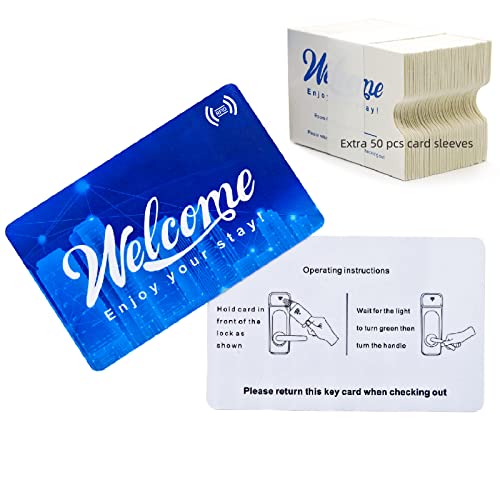
200 pack Hotel & Motel key cards welcome enjoy your stay card, 50 cutting sleeve for gift.

SHARE YOUR ENTIRE PROFILE IN ONE TAP: A single tap or scan opens your VTag.ID digital profile — contact details, links, social media, and a playable video, all in one place. It works like a personal mini-website, so one smart card replaces an entire stack of paper business cards.
Do You Have to Return the Room Key?
Follow the property’s instructions. Some hotels provide a key-return box or ask guests to leave physical key cards at the front desk, while guests using a digital key may have no physical key to return.
When you are unsure, ask the front desk. Do not delay your departure simply because you cannot find a disposable or reprogrammable key card unless the hotel specifically requires its return.
Confirming Transportation
Confirm transportation before checkout rather than waiting until you are standing in the lobby with your bags.
If you are using public transportation, verify the current route, departure time, station, and estimated travel time. For an airport shuttle or private transfer, confirm the pickup location and reservation time.
For taxis or rideshare services such as Uber or Lyft, make sure your app is working, your payment information is current, and you know where drivers are permitted to meet hotel guests.
Build in extra time for elevators, baggage collection, traffic, airport security, rental-car returns, and other delays. A smooth hotel checkout is not useful if a departure scheduled too tightly causes you to miss the next part of your trip.
Ask About Luggage Storage When You Have Time to Fill
If checkout is several hours before your flight, train, or next check-in, ask whether the hotel can store your luggage after you leave the room. Many individual properties offer this service, but availability, security procedures, operating hours, and fees can vary.
Keep passports, medication, electronics, money, travel documents, and other essential valuables with you unless you are comfortable with the hotel’s storage arrangement.
Providing Feedback

Checkout is a good time to mention a problem that the hotel may still be able to resolve. If there was a billing error, maintenance problem, serious noise issue, or cleanliness concern, explain what happened clearly and provide the room number or relevant details.
Positive feedback can also be useful. If a particular employee provided exceptional service, mention the person’s name if you know it. Specific feedback is more helpful than a generic compliment because management can identify what worked well.
You do not have to complete a survey while rushing to leave. Many hotels send post-stay surveys or provide an online feedback form that can be completed later.
Saying Goodbye to Hotel Staff
A brief thank-you to the front desk, housekeeping team, bell staff, concierge, valet, or other employees who helped during your stay is a simple way to end the visit positively.
If you choose to tip for service, follow local customs, property policies, and your own judgment. Tipping practices vary by country, hotel type, and service.
If a staff member made a particularly strong impression, a written comment or post-stay survey that names the employee may help ensure the compliment reaches management.
Planning for Future Stays
Before deleting reservation emails or removing the hotel’s app, save anything that may be useful later: the final receipt, reservation number, loyalty information, and notes about the property.
If you participate in a hotel loyalty program, check your account after the stay to make sure qualifying points, nights, or other credits appear according to the program’s terms. Loyalty benefits differ substantially among hotel brands and membership levels, so review the current program rules rather than assuming every stay earns the same rewards.
It can also help to note what worked well. You may want to remember a quiet room location, convenient airport transfer, useful fitness center, good breakfast, or neighborhood that made the trip easier.
Families planning another trip may also want to review larger travel gear before booking transportation and accommodations. The site’s guide to the best double stroller for travel covers considerations for traveling with two young children.
If You Are Leaving Earlier Than Your Reservation
Leaving the hotel building early in the morning is different from ending a reservation earlier than the departure date you originally booked. If you intend to shorten the stay itself, contact the front desk as soon as possible.
Early-departure charges and refund rules vary by reservation, rate plan, property, and booking channel. Marriott, for example, states that its early-checkout policy varies by hotel and recommends speaking with the front desk about possible penalties. Do not assume that leaving the room automatically cancels the remaining booked nights.
The safest checkout routine is simple: confirm the deadline, review the bill, sweep the room, save the receipt, and leave enough time for the next part of your trip.
Frequently Asked Questions
What is the usual check-out time at a hotel?
There is no universal hotel checkout time. Many properties use times such as 11:00 a.m. or noon, but the exact deadline varies. Check your reservation confirmation, hotel website, app, or front desk for the time that applies to your stay.
What should I do before checking out of a hotel?
Pack and count your bags, check drawers, outlets, the bathroom, closet, refrigerator, room safe, and under the bed, review your final bill, confirm transportation, and save your receipt. Also verify whether the hotel wants physical keys returned.
How do I check out of a hotel?
Use the checkout method provided by the property. You may check out at the front desk, use an express-checkout procedure, or complete checkout through a hotel app or website when digital checkout is offered. Review the final charges and keep the receipt.
Can I check out of a hotel online?
Some hotels support digital or mobile checkout, but availability depends on the brand and property. Hilton, for example, lists Digital Check-out as a Hilton Honors app benefit. Follow the instructions in your reservation or hotel app.
What should I do if I need a late check-out?
Ask the hotel as early as possible. Late checkout is often subject to availability and may involve a fee, although some loyalty programs provide late-checkout benefits. Do not assume the request is approved until the hotel confirms it.
Do I have to go to the front desk to check out?
Not always. A front-desk visit is useful when you need to pay, dispute a charge, change payment methods, or request assistance. Some properties also offer express or digital checkout that lets you leave without waiting at the desk.
Why is there still a pending hotel charge after I check out?
The pending amount may be an authorization placed on your card during the stay rather than a second final charge. Hotels and card issuers need time to settle the final transaction and release unused authorization amounts. Contact the hotel and card issuer if the amount remains unexpectedly or a posted charge is wrong.
Sources
- Hilton Help Center — Check-in and check-out time — supports property-specific checkout times, late-checkout availability, and possible fees.
- Marriott — Late Checkout Benefit — supports current Marriott Bonvoy late-checkout rules and status-based benefits.
- Hilton — How to get a copy of your stay receipt — supports post-stay folio and receipt guidance.
- Consumer Financial Protection Bureau — Regulation Z commentary — provides an official example of a hotel credit-card authorization hold.
- Marriott — Lost and Found Guidance — supports contacting a hotel promptly when belongings are left behind.
