
Last Updated on July 23, 2026 by Daniel Globe
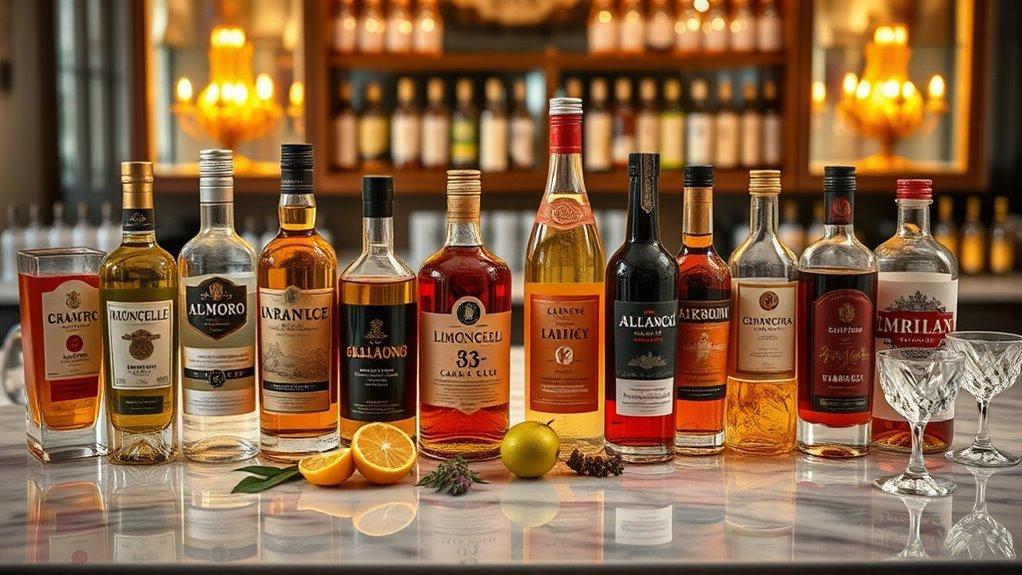
If you want to build a useful collection of Italian liquor and spirit brands, start by choosing bottles for specific jobs. Aperol and Campari cover classic aperitivo drinks, Cocchi and Carpano work well in vermouth cocktails, and Averna, Montenegro, Amaro Lucano, or Fernet-Branca give you several levels of herbal bitterness. You can then expand into grappa, limoncello, sambuca, maraschino liqueur, and Italian gin.
Quick Answer
The best Italian spirit brand depends on how you plan to drink it. Choose Aperol for a light spritz, Campari for a bitter Negroni, Cocchi or Carpano for vermouth cocktails, Averna or Montenegro for approachable amaro, and Fernet-Branca for a sharper herbal finish.
What Makes Italian Liquor & Spirit Brands Stand Out
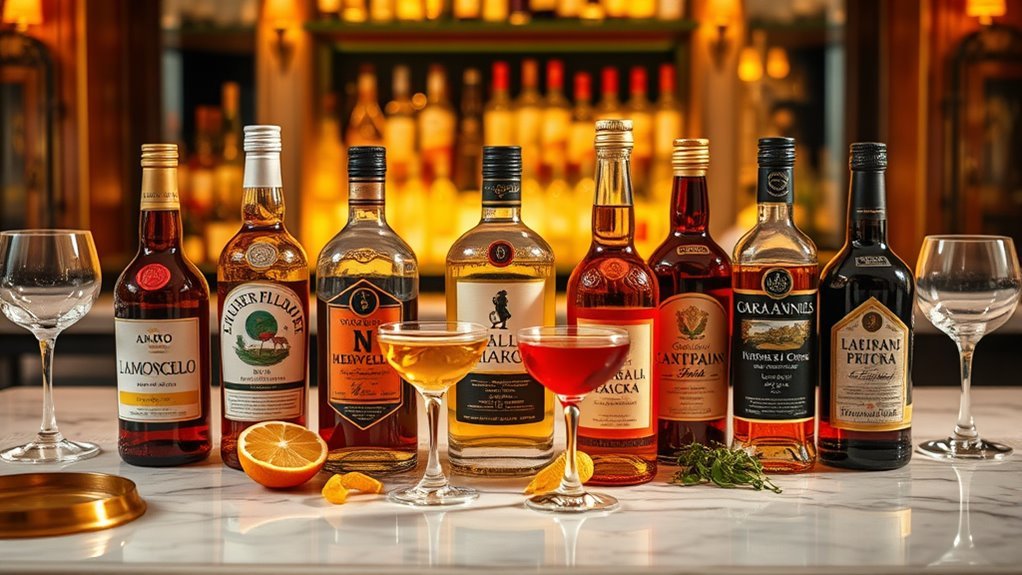
Italian spirits stand out because they connect flavor with place, ritual, and production tradition. That connection may come from a protected regional name, a locally produced base wine, selected regional botanicals, a long-used family formula, or a serving custom such as aperitivo before dinner.
Not every ingredient in an Italian bottle is necessarily grown in Italy. Some producers use botanicals collected from several countries, while others highlight ingredients from a specific region. The stronger claim is that many established brands use distinctive formulas and production methods to create recognizable house styles.
A good Italian home bar can include several different categories:
- Aperitivo: A generally bittersweet drink served before a meal, often with soda, sparkling wine, or citrus.
- Vermouth: An aromatized, fortified wine flavored with botanicals, including wormwood.
- Amaro: A broad category of bittersweet herbal liqueurs that may be served before or after a meal or used in cocktails.
- Fernet: A particularly dry, bitter, and strongly herbal style within the wider amaro family.
- Grappa: A grape-pomace spirit available in clear, aged, delicate, and powerful styles.
- Limoncello and other fruit liqueurs: Sweet, citrus-led bottles commonly served chilled.
Key Takeaways
- Aperol is an approachable spritz base, while Campari gives cocktails a firmer bitter edge.
- Cocchi and Carpano are dependable Italian vermouth choices, while Dolin is French rather than Italian.
- Montenegro and Averna are smoother starting points for amaro; Fernet-Branca is much more intense.
- Refrigerate wine-based vermouth after opening and use it while its aroma still tastes fresh.
- A digestivo is a cultural serving tradition, not a medical treatment for stomach problems.
Italian Spirit Categories at a Glance
| Category | Typical Character | Common Use | Brands to Explore |
|---|---|---|---|
| Aperitivo | Citrusy, bittersweet, herbal | Spritzes, soda drinks, pre-dinner cocktails | Aperol, Campari, Contratto |
| Vermouth | Wine-led, spiced, floral, bitter or sweet | Negroni, Manhattan, Martini, sipping | Cocchi, Carpano, Baldoria |
| Amaro | Bittersweet, herbal, citrusy or earthy | Neat, over ice, highballs, cocktails | Averna, Montenegro, Lucano, Nardini |
| Fernet | Dry, minty, medicinal, strongly bitter | Small neat pours, cola, bold cocktails | Fernet-Branca, Contratto Fernet |
| Grappa | Grape, floral, fruity, sometimes oaky | Neat after a meal or with coffee | Nonino, Nardini, Poli |
| Fruit and sweet liqueurs | Lemon, cherry, anise, almond or coffee | Chilled sipping, desserts, cocktails | Pallini, Villa Massa, Luxardo, Molinari |
Campari and Aperol: The Aperitivo Icons
Campari and Aperol are two of Italy’s best-known aperitivi, but they do not taste interchangeable.
Campari traces its history to Gaspare Campari’s creation in Milan in 1860. It has a firm bitterness with orange, herbal, floral, and woody notes. It is the standard bitter component in a Negroni and also works with soda or sparkling wine. You can review the producer’s current tasting description on the official Campari product page.
Aperol was created in Padua in 1919 and offers a lighter, sweeter, more orange-led profile. Its current official product page lists 11% ABV, although you should always check the label sold in your market. Aperol is best known for the Aperol Spritz but can also be mixed with soda, tonic, citrus, or sparkling wine. See the official Aperol product information.
| Bottle | Taste | Best For |
|---|---|---|
| Aperol | Sweet orange, mild herbs, gentle bitterness | Light spritzes and first-time aperitivo drinkers |
| Campari | Orange peel, herbs, wood, assertive bitterness | Negronis, Americanos, and bitter spritzes |
Vermouth Brands Worth Knowing
Vermouth is an aromatized wine, not a distilled spirit. That wine base gives it freshness and complexity, but it also means an opened bottle needs more care than Campari or most amari.
- Cocchi Storico Vermouth di Torino has a rich, spiced, cocoa-like and citrus-led profile that can stand up to Campari in a Negroni.
- Carpano Antica Formula is plush and strongly aromatic, with a recognizable vanilla character. Carpano traces its vermouth history to Turin in 1786.
- Baldoria Dry Umami Vermouth uses porcini and kombu to create a savory style suited to experimental Martinis, highballs, and food pairings.
- Contratto Vermouth Rosso or Bianco gives you a Piedmont producer with both vermouth and separate aperitif products. Contratto Aperitif is an aperitivo liqueur, not a vermouth.
Vermouth di Torino is a protected geographical indication governed by a production specification. The designation is tied to Italian production, Piedmontese tradition, and defined requirements rather than being a generic phrase for any sweet vermouth. Learn more from the Consorzio del Vermouth di Torino.
Note: Dolin makes respected Vermouth de Chambéry, but Dolin is a French producer rather than an Italian liquor brand. It can be useful as a lighter French comparison, especially in Martinis, but it should not be counted as an Italian recommendation.
Pro Tip: Refrigerate vermouth after opening, close it tightly, and use a smaller bottle if you make cocktails only occasionally. Cocchi advises keeping its opened vermouth cool and consuming it preferably within about one month.
The Best Amaro Brands for Sipping
Amaro ranges from soft and citrusy to dry, minty, earthy, or intensely bitter. There is no single “best” bottle for everyone, so choose according to how much bitterness you enjoy.
- Amaro Montenegro: Smooth, citrusy, floral, and gently bitter. It is one of the easiest starting points for a new amaro drinker.
- Amaro Averna: Darker and richer, with caramel-like sweetness, herbs, citrus, and a rounded bittersweet finish.
- Amaro Nardini: Firmer and more herbal, with a profile that works neat, over ice, or in spirit-forward cocktails.
- Vecchio Amaro del Capo: A Calabrian amaro made with a large mixture of herbs, flowers, fruits, and roots. It is often served very cold, although serving temperature remains a matter of taste.
- Amaro Lucano: Created in Pisticci in 1894 and made with a blend of more than 30 herbs. It sits between approachable citrus sweetness and a more traditional herbal bitterness.
- Fernet-Branca: Much drier and more forceful than the bottles above. Its official formula uses 27 herbs, roots, and spices, giving it a minty, earthy, medicinal character.
For an amaro tasting, pour small amounts and taste from lighter to more bitter. Start with Montenegro, move to Averna or Lucano, then finish with Nardini or Fernet-Branca. Adding one ice cube or a splash of soda can make a powerful bottle easier to explore.
Italian Aperitifs for Spritzes and Negronis
A spritz and a Negroni use related Italian ingredients, but they create very different drinks. A spritz is sparkling and diluted, while a Negroni is stronger, denser, and more bitter.
Classic Aperitif Bases
Use these bottles according to the flavor you want:
- Aperol: Mild bitterness, orange sweetness, and a lighter spritz.
- Campari: A stronger bitter backbone for a Negroni, Americano, or Campari Spritz.
- Contratto Aperitif: A Piedmont alternative made with herbs, spices, roots, and seeds.
- Contratto Bitter: A more bitter option for cocktails that normally use a red Italian bitter.
- Select Aperitivo: A Venetian-style alternative for drinkers who want more bitterness than Aperol but a different profile from Campari.
Spritz and Negroni Staples
The official Aperol Spritz formula follows a simple 3:2:1 pattern:
- 3 parts Prosecco
- 2 parts Aperol
- 1 part soda water
- Ice and an orange slice
Build the drink in a large wine glass filled with ice and stir gently.
A classic Negroni uses equal parts:
- Campari
- London dry gin
- Sweet red vermouth
Stir the ingredients with ice and garnish with orange. A rich vermouth such as Carpano Antica Formula makes a fuller, sweeter drink, while Cocchi Storico Vermouth di Torino gives a firm spiced profile.
Bitter, Sweet, Herbal Balance
A successful Italian aperitivo cocktail balances four elements:
- Bitterness from Campari, Aperol, Contratto, or another aperitivo.
- Sweetness from the liqueur, vermouth, or sparkling wine.
- Aroma from herbs, roots, citrus peel, wine, and spices.
- Dilution from ice, soda, or sparkling wine.
If a drink tastes too sweet, add soda or use a drier vermouth. If it tastes too bitter, increase dilution or choose Aperol instead of Campari. If it feels flat, fresh citrus peel can lift the aroma without adding much sweetness.
The best Italian bottle is not necessarily the rarest one. It is the bottle whose sweetness, bitterness, and strength match the way you actually drink.
Regional Italian Brands to Try Next
Regional exploration can make an Italian bottle collection more interesting. Northern Italy is closely associated with vermouth, alpine amari, and Milanese bitters, while central and southern producers often emphasize honey, citrus, mountain herbs, Mediterranean botanicals, or local family formulas.
Piedmont Aperitivi
Piedmont is central to the history of modern vermouth. Three reliable directions are:
- Carpano for rich vermouth with a strong historical identity.
- Cocchi for classic and modern Vermouth di Torino styles.
- Baldoria for contemporary recipes, including Dry Umami Vermouth.
Contratto, based in Canelli, also produces vermouth, aperitif, bitter, Americano Rosso, and fernet. These products let you compare several related categories from one producer.
The name “Vetrano” sometimes appears in informal vermouth lists, but it is not sufficiently identified as a current Piedmont vermouth producer in the original information. Check the legal producer, country of origin, and exact product name before treating an unfamiliar label as an established regional recommendation.
Lombardy Bitters
Campari and Fernet-Branca are two major names connected with Milan and Lombardy, but they serve different purposes.
Campari is a bittersweet aperitivo built for pre-dinner cocktails. Fernet-Branca is a much drier, more concentrated herbal liqueur commonly enjoyed in small pours, with cola, or as a forceful cocktail modifier.
Owning both gives you more range than buying two similar red aperitivi. Campari covers Negronis and sparkling drinks, while Fernet-Branca adds minty herbal intensity.
Central Italian Amari
Amaro Sibilla belongs with central Italian spirits rather than southern ones. Distilleria Varnelli produces it in the Marche region near the Sibillini Mountains. Its style combines mountain herbs, roots, bark, and honeyed richness.
This is a useful bottle for drinkers who have moved beyond softer amari and want a more rustic mountain profile without going directly to the sharpest fernet styles.
Southern Herbal Liqueurs
Southern Italy offers several distinctive herbal and citrus-led bottles:
- Amaro Averna represents a rich Sicilian style with rounded sweetness, herbs, and citrus.
- Vecchio Amaro del Capo comes from Calabria and combines numerous herbs, flowers, fruits, and roots.
- Amaro Lucano comes from Basilicata and offers citrus, floral, herbal, and bittersweet notes.
- Jefferson Amaro Importante is a modern Calabrian option for drinkers interested in a more artisanal regional bottle.
These bottles can be served neat, over ice, with soda, or in cocktails. They differ enough that a tasting flight is more useful than assuming every southern amaro will taste dark and sweet.
Other Italian Spirit Categories Worth Knowing
An Italian bar shelf does not need to stop at aperitivo, vermouth, and amaro.
Grappa
Grappa is distilled from grape pomace left after winemaking. Clear grappa can taste floral, grassy, fruity, or fiery, while barrel-aged versions may develop vanilla, spice, dried-fruit, and oak notes. Nonino, Nardini, and Poli are established names to explore.
Limoncello
Limoncello is a sweet lemon liqueur usually served chilled in a small glass. Pallini and Villa Massa are widely recognized brands. Look for a clean lemon aroma and enough acidity or peel bitterness to balance the sugar.
Sambuca
Sambuca is a sweet, anise-led liqueur. Molinari is a familiar starting point. You can serve it neat, add it to coffee, or use a small amount in cocktails that benefit from licorice-like flavor.
Maraschino Liqueur
Luxardo Maraschino is a dry, complex cherry liqueur used in classic cocktails. It does not taste like bright-red cocktail-cherry syrup. Its profile is more floral, nutty, and spirit-forward.
Italian Gin
Italian gin brands such as Malfy and Engine highlight citrus or Mediterranean-inspired botanicals. Gin is a useful addition when you already own Campari and sweet vermouth because it completes the ingredients needed for a Negroni.
How to Choose an Italian Bottle for Your Home Bar
Start with the drinks you make most often rather than buying only by reputation.
| Your Goal | First Bottle | Second Bottle |
|---|---|---|
| Make light spritzes | Aperol | Contratto Aperitif or Select |
| Make Negronis | Campari | Cocchi Storico or Carpano Antica Formula |
| Sip an approachable amaro | Amaro Montenegro | Averna or Amaro Lucano |
| Explore stronger bitterness | Amaro Nardini | Fernet-Branca |
| Serve a chilled after-dinner liqueur | Limoncello | Sambuca |
| Explore grape-based spirits | Clear grappa | Barrel-aged grappa |
Check the bottle size and ABV before buying. A lower-strength aperitivo may be easier to use in long sparkling drinks, while a stronger amaro or grappa will produce smaller, more concentrated servings. Availability and formulation can vary by country, so the local label is the final authority.
Best Italian Liquor & Spirit Brands by Price
Exact prices change by country, tax rate, bottle size, retailer, and promotion. A more reliable approach is to compare bottles by budget tier and intended use.
Accessible Starting Bottles
- Aperol for spritzes and simple sparkling drinks.
- Amaro Montenegro for easy sipping and flexible cocktails.
- Amaro Averna for a richer, sweeter amaro style.
- Amaro Lucano for a balanced traditional herbal profile.
Premium Cocktail Bottles
- Campari when a Negroni or Americano is a regular drink in your home.
- Cocchi Storico Vermouth di Torino for a versatile sweet vermouth.
- Carpano Antica Formula when you want a richer vanilla-led vermouth.
- Baldoria Dry Umami Vermouth for savory and experimental cocktails.
Specialty and Enthusiast Bottles
- Fred Jerbis Amaro 16 for a modern craft-amaro direction.
- Jefferson Amaro Importante for a contemporary Calabrian bottle.
- Amaro Sibilla for a more rustic central Italian mountain style.
- Aged grappa for drinkers who enjoy grape character, oak, and stronger spirits.
Compare the price per 100 ml or per ounce rather than comparing bottle prices alone. Vermouth may come in a smaller bottle, while aperitivi and amari are often sold in larger formats.
What to Pair With Italian Spirits
Italian spirits work best with foods that balance bitterness, sweetness, salt, fat, or citrus.
| Spirit | Good Pairings | Why It Works |
|---|---|---|
| Aperol Spritz | Olives, bruschetta, mild cheese, potato chips | Salt and acidity balance the drink’s orange sweetness. |
| Campari | Cured meat, aged cheese, roasted nuts | Fat and salt soften assertive bitterness. |
| Sweet vermouth | Hard cheese, nuts, mushrooms, charcuterie | Savory foods match its wine, spice, and herbal notes. |
| Amaro | Dark chocolate, biscotti, orange cake | Bitterness controls dessert sweetness. |
| Grappa | Dark chocolate, dried fruit, espresso | Concentrated flavors stand up to the stronger spirit. |
| Italian gin | Lemon, orange, seafood, herb-led snacks | Fresh citrus and herbs reinforce the botanicals. |
Which Italian Brand Should You Buy First?
Your first bottle should match the occasion you enjoy most. Aperol is the easiest starting bottle for a light sparkling drink. Campari is more useful if you already own gin and sweet vermouth. Montenegro or Averna is better when you want to explore amaro neat or over ice.
Aperitivo or Digestivo
An aperitivo is generally served before a meal, often with snacks. Aperol, Campari, Contratto Aperitif, vermouth, and sparkling wine all fit this ritual.
A digestivo is traditionally served after a meal. Amaro, fernet, grappa, limoncello, and sambuca may be served this way. The term describes timing and tradition; it does not prove that the drink improves digestion.
- Start light: Aperol.
- Build classic cocktails: Campari.
- Try approachable amaro: Montenegro.
- Choose a richer after-dinner style: Averna.
- Explore stronger bitterness: Fernet-Branca.
Best First-Buy Brands
Aperol is the best general first buy for someone who likes sparkling, citrus-led drinks. Campari is the stronger choice for a home cocktail maker interested in Negronis and Americanos.
For sipping, Amaro Montenegro is approachable and versatile. Amaro Averna offers more dark sweetness, while Amaro Lucano provides a balanced bridge between citrus, herbs, and bitterness.
Baldoria Dry Umami Vermouth is better as a later purchase for someone who already understands classic vermouth and wants an unusual savory direction.
How to Store Italian Spirits After Opening
- Vermouth: Refrigerate after opening, close tightly, and aim to use it while the wine aromas remain fresh.
- Aperitivo and amaro: Store tightly closed in a cool, dark place unless the producer gives different directions.
- Limoncello: Follow the label. Many people chill or freeze it for serving, but sugar and alcohol levels vary.
- Grappa and gin: Keep upright, tightly sealed, and away from heat and direct sunlight.
- All bottles: Replace damaged closures and avoid leaving a small amount in a large bottle for a very long period, because more air can speed flavor loss.
Warning: Alcohol is not a treatment for indigestion or other health problems. Do not drink before driving or operating machinery. Avoid alcohol during pregnancy, when under the legal drinking age, or when it conflicts with medication, recovery, or a medical condition. Drinking less reduces alcohol-related risk.
Frequently Asked Questions
What is Italy’s most popular liquor?
There is no single reliable answer without defining the category, country, and sales period. Aperol, Campari, limoncello, amaro, grappa, and sambuca are all widely recognized Italian drinks. Aperol is one of the best-known aperitivo brands, but it should not be declared Italy’s single most popular liquor without current sales data.
What alcohol are Italians known for?
Italy is known for aperitivo liqueurs such as Aperol and Campari, regional amari, Vermouth di Torino, grappa, limoncello, sambuca, maraschino liqueur, and a growing range of Italian gin. Wine and wine-based products also play a major role in Italian drinking culture.
What alcohol settles your stomach?
No alcoholic drink should be relied on to settle your stomach. Amaro and grappa are traditionally served as digestivi after meals, but alcohol can irritate the stomach, increase acid release, and worsen reflux or other digestive symptoms. Seek appropriate medical advice for persistent pain, reflux, nausea, or indigestion.
What liquor do Italians drink straight?
Amaro, grappa, limoncello, sambuca, fernet, and some vermouths may be served neat. Serving style varies by bottle: limoncello is commonly chilled, grappa may be served at a moderate temperature, and amaro may be enjoyed neat, cold, or over ice.
Is Dolin an Italian vermouth?
No. Dolin is a French producer associated with Vermouth de Chambéry. It is a respected vermouth brand and can be useful in cocktails, but it should not be included in a list of Italian liquor brands without clearly identifying its French origin.
Does vermouth need to be refrigerated?
Yes. Vermouth is wine-based and should generally be refrigerated after opening. Keep the cap or cork tight and use the bottle while its aroma and flavor remain fresh. Some producers recommend consuming opened vermouth within about one month.
Which Italian bottle is best for a beginner?
Choose Aperol for light spritzes, Campari for classic bitter cocktails, Amaro Montenegro for approachable sipping, or Cocchi Storico Vermouth di Torino if you already make Negronis or Manhattans. The best beginner bottle depends on whether you prefer sparkling, bitter, sweet, or herbal drinks.
Conclusion
The best Italian liquor brands give you more than one style of drink. Aperol covers light spritzes, Campari anchors classic bitter cocktails, Cocchi and Carpano strengthen a vermouth collection, and Montenegro, Averna, Lucano, Nardini, or Fernet-Branca let you explore several levels of amaro.
Build your shelf slowly and buy according to use. Start with one aperitivo, one fresh bottle of vermouth, and one approachable amaro. Add grappa, limoncello, sambuca, maraschino, or Italian gin only when those categories match the drinks and food you enjoy.
Sources
- Campari official product information — Campari tasting profile, brand identity, and cocktail use.
- Aperol official product information — Aperol flavor profile, ingredients overview, and alcohol content.
- Consorzio del Vermouth di Torino — history and protection of the Vermouth di Torino geographical indication.
- Giulio Cocchi Storico Vermouth di Torino — product details and opened-bottle refrigeration guidance.
- Fernet-Branca official recipe overview — the producer’s description of its 27 herbs, roots, and spices.
- National Institute on Alcohol Abuse and Alcoholism — alcohol’s effects on the digestive system and overall health.
