
Last Updated on September 27, 2026 by Daniel Globe
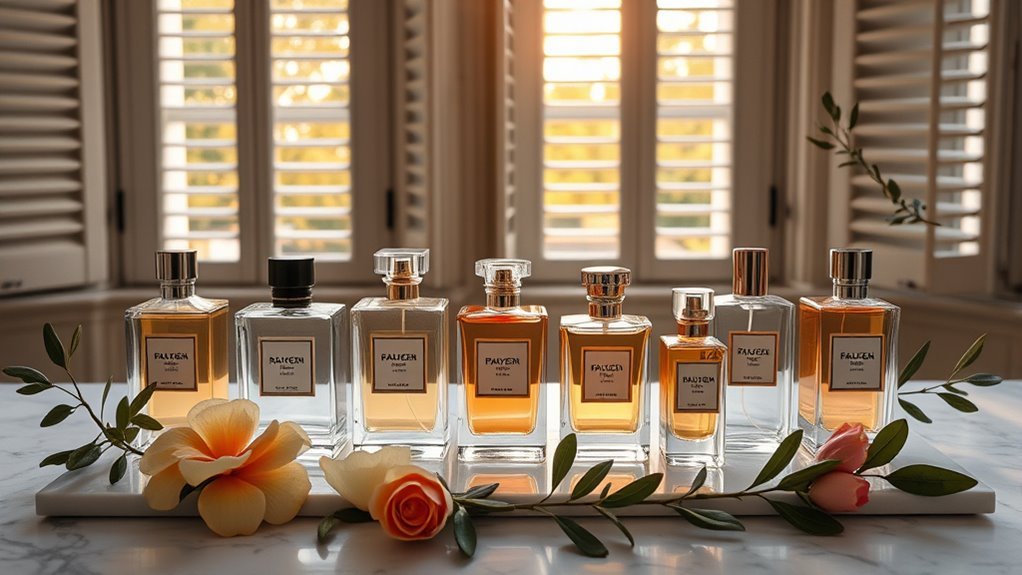
Italian perfume brands offer everything from fresh Mediterranean citrus to rich vanilla, florals, woods, and experimental niche fragrances. Houses such as Santa Maria Novella, Acqua di Parma, Ortigia, and Orto Parisi show how varied Italian perfumery can be. This guide compares 10 distinctive brands, their signature scents, and the fragrance styles that may suit you.
Quick Answer
Ten Italian perfume brands worth exploring are Ortigia, Santa Maria Novella, Orto Parisi, Giardini di Toscana, Eau d’Italie, Acqua di Parma, Laboratorio Olfattivo, Carthusia, Profumo di Firenze, and Tiziana Terenzi. Start with Acqua di Parma for citrus, Santa Maria Novella for heritage, or Orto Parisi for bold niche compositions. Your ideal choice depends on scent family, concentration, and personal taste.
Key Takeaways
- Italian fragrance houses range from centuries-old Florentine institutions to modern niche perfumers.
- Citrus and aromatic scents suit those who enjoy freshness, while amber, vanilla, and woods offer richer alternatives.
- Fragrance concentration affects strength, but the formula and your skin also influence longevity.
- A perfume inspired by an Italian region does not necessarily contain ingredients grown there.
Disclosure: As an Amazon Associate I earn from qualifying purchases. Some links on this page are affiliate links, at no extra cost to you.
What Makes Italian Perfume Special?
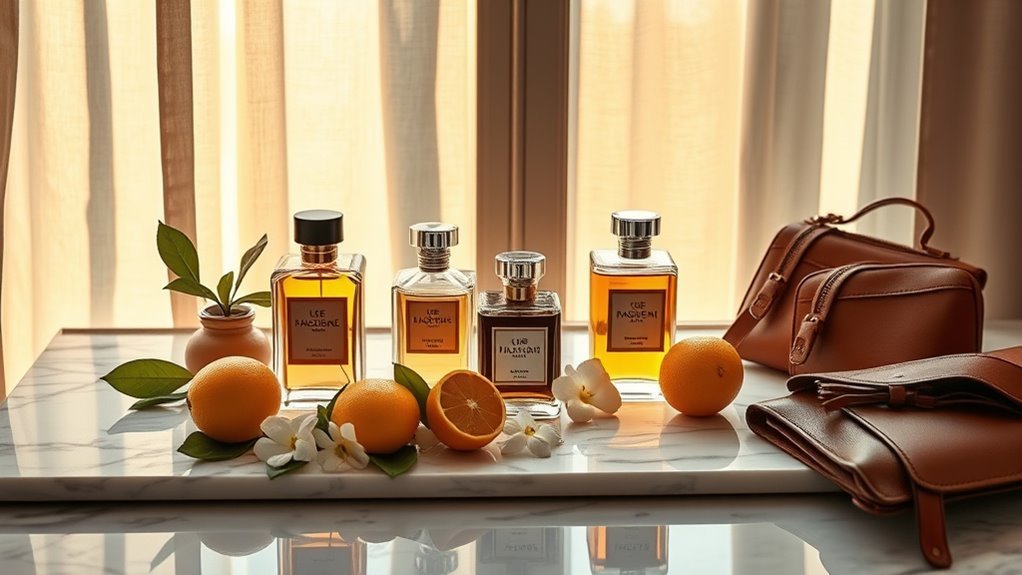
Italian perfumery combines a long fragrance-making tradition with strong regional identities. Many houses create scents inspired by the landscapes, gardens, architecture, and everyday life of Italy.
Florentine perfumery has historic ties to herbal preparations and the Renaissance court. Coastal brands often favor citrus, flowers, aromatic herbs, and mineral or marine accords.
You can also find modern compositions built around vanilla, leather, spices, incense, musk, and woods.
These regional influences help give Italian fragrances their character, but they do not mean every ingredient comes from Italy. A perfume may use materials sourced internationally or carefully designed accords that recreate a particular smell.
For example, a mineral accord can suggest volcanic soil without containing material taken from a volcano. Likewise, a marine fragrance can evoke sea air without using seawater.
What connects many Italian houses is their attention to composition, presentation, and storytelling. Some preserve traditional formulas, while others challenge familiar ideas about how perfume should smell.
How to Choose an Italian Perfume
Choose an Italian perfume by starting with the notes you enjoy, then consider its concentration and how you plan to wear it. A fragrance that smells beautiful on paper may develop differently on your skin.
Understanding a few basic fragrance terms makes comparing brands much easier.
Start With Your Preferred Scent Family
- Citrus: Bergamot, lemon, orange, and petitgrain create bright, refreshing openings. Acqua di Parma and Santa Maria Novella offer examples.
- Floral: Tuberose, jasmine, neroli, and other flowers can create soft or powerful fragrances. Carthusia is a useful house to explore.
- Woody and earthy: Cedar, patchouli, vetiver, and darker accords add depth. Orto Parisi offers a more experimental direction.
- Amber and gourmand: Vanilla, caramel, musk, and warm spices create comforting or rich compositions. Giardini di Toscana and Laboratorio Olfattivo have notable examples.
- Marine and aromatic: Salty accords, herbs, and fresh citrus suggest coastal air and Mediterranean landscapes. Eau d’Italie is particularly relevant.
Understand Perfume Concentration
Concentration describes the proportion of fragrance materials in a perfume’s base. It helps explain the difference between eau de cologne, eau de toilette, eau de parfum, and parfum.
According to The Perfume Society’s fragrance-strength guide, common concentration ranges vary by category and formula.
- Eau de Cologne generally has a lighter fragrance concentration.
- Eau de Toilette usually offers a moderate concentration.
- Eau de Parfum is commonly more concentrated, although percentages vary between manufacturers.
- Parfum or extrait typically contains a higher concentration of fragrance materials.
Higher concentration can improve staying power, but it does not guarantee that every fragrance will last longer. Ingredients, skin chemistry, climate, and application all influence the result.
Some houses also use different note combinations for their eau de toilette and eau de parfum versions. They are not necessarily identical fragrances at different strengths.
Test the Fragrance Before Choosing a Full Bottle
Begin with a sample or discovery set whenever possible. Smell the opening, then allow the fragrance to develop before making a decision.
The opening notes are what you notice first. Heart notes emerge as the opening fades, while base notes form the longer-lasting foundation.
If you enjoy fragrance layering, start with two scents that share a compatible note, such as citrus or vanilla. Test a small amount first so neither composition overwhelms the other.
When visiting Italy, local perfumeries can introduce you to regional houses and fragrances that may be harder to encounter elsewhere.
Note: If you have eczema, fragrance allergies, or another skin condition, seek advice from a dermatologist before applying perfume to affected skin. The American Academy of Dermatology recommends fragrance-free skin care for eczema. Some fragrance ingredients also raise questions about endocrine effects, as explained by the National Institute of Environmental Health Sciences, but this does not establish that ordinary perfume use causes thyroid disease.
Ortigia: Sicily’s Sunlit Signature
Ortigia captures the colors and aromas of Sicily through fragrances, soaps, and decorative packaging. Founded by Sue Townsend in 2006, the brand draws inspiration from the island’s flowers, fruits, and landscapes.
Its fragrances offer an approachable introduction to Italian perfumery, particularly if you enjoy citrus, botanical, or softly fruity scents.
Signature Fragrance: Fico d’India
Fico d’India takes its name from the prickly pear cactus, a familiar feature of Sicilian landscapes.
Despite its name, the fragrance is not simply a sweet cactus-fruit scent. Its character combines powdery fig, cedar, and orange flowers.
The Fico d’India fragrance description identifies these notes and highlights the brand’s distinctive decorated bottles.
Ortigia’s visual style also draws heavily on Sicilian imagery, including tropical plants, bold patterns, and Baroque-inspired decoration.
Explore Ortigia if you enjoy:
- Fresh, fruity, and botanical fragrances.
- Scents that suggest Mediterranean gardens.
- Decorative perfume bottles and gift packaging.
- Fragrance collections that extend into soaps and body care.
Fico d’India is a particularly useful starting point if you want a Sicilian-inspired signature without the intensity of a darker woody fragrance.
Santa Maria Novella: Florence’s Historic House
Santa Maria Novella is one of Italy’s most historic fragrance institutions. Its origins date to 1221, when Dominican friars established a religious community and cultivated medicinal plants in Florence.
The institution formally established its public pharmacy in 1612. Its history connects herbal preparations, cosmetics, and fragrance production across several centuries.
The house’s official historical timeline traces this development, including its relationship with the Medici court.
Signature Fragrance: Acqua della Regina
Acqua della Regina is associated with Caterina de’ Medici and her marriage to the future Henry II of France in 1533.
Its citrus opening includes Italian citrus and petitgrain. Neroli, rosemary, cloves, and lavender form the aromatic heart, while musk supports the base.
The combination makes it a strong choice if you enjoy traditional citrus fragrances with herbal complexity.
Santa Maria Novella appeals to people who value perfume history, elegant packaging, and compositions rooted in the Florentine fragrance tradition.
Its heritage does not mean every product uses an unchanged medieval formula. The modern collection includes both historic preparations and newer fragrance creations.
Orto Parisi: Raw Italian Perfume With Edge
Orto Parisi is the experimental fragrance project of Italian perfumer Alessandro Gualtieri. Introduced in 2014, the house explores the relationship between the human body, nature, memory, and scent.
Its compositions favor character over conventional freshness. Earthy, animalic, woody, and unusual accords help distinguish the collection.
Signature Fragrance: Terroni
Terroni draws inspiration from soil, roots, and the idea of belonging to the earth.
The fragrance has a dark, earthy character with sweet, spicy, and woody impressions. Its presentation reinforces the concept: the official Terroni fragrance page describes a cap incorporating volcanic stone.
Terroni was released in 2017 and is presented as a parfum.
Orto Parisi is worth exploring if you prefer:
- Unconventional niche fragrances.
- Earthy, woody, and animalic impressions.
- Strong conceptual themes.
- Scents that develop in unexpected ways.
Terroni is different from Black Afgano, which belongs to another fragrance project associated with Gualtieri.
If you are unfamiliar with this style, begin with a sample. Its darker character may feel quite different from the fresh citrus scents of other Italian houses.
Laboratorio Olfattivo’s Story-Driven Scents
Laboratorio Olfattivo approaches perfume as a creative collaboration between a fragrance house and individual perfumers. Founded in 2009 by Daniela Caon and Roberto Drago, it produces compositions inspired by memories, emotions, places, and materials.
The brand’s range includes fragrances that move from bright and aromatic to rich and resinous.
Storytelling Through Scent
Laboratorio Olfattivo builds each fragrance around a distinct creative idea rather than a single house-wide scent style.
This gives you room to choose between different olfactory experiences without leaving the brand.
A fragrance may explore a particular ingredient, recall a journey, or express a memory through changing notes.
The brand’s storytelling approach works especially well if you enjoy discovering how a composition develops from its opening to its base.
Creative Perfumers Collaborations
Collaborations with international perfumers are central to Laboratorio Olfattivo’s identity. Roberto Drago guides the creative direction, while Daniela Caon oversees the brand’s visual presentation.
One notable example is Vanagloria, composed by Dominique Ropion.
The fragrance explores the different sides of vanilla, supported by saffron, incense, tonka bean, and musk.
The official Vanagloria fragrance description identifies the following notes:
- Opening: saffron essential oil and a pineapple accord.
- Heart: incense and tonka bean absolute.
- Base: vanilla bean extract and musk.
The result is more complex than a straightforward sweet vanilla perfume. Spice, resinous warmth, and darker nuances add depth.
Emotion in Every Bottle
Laboratorio Olfattivo uses fragrance to connect scent with memory and personal expression.
Vanagloria is a useful example because its vanilla develops through several different facets rather than remaining uniformly sweet.
If you enjoy fragrance layering, you can experiment with a small amount alongside a compatible scent. A simple citrus fragrance may create contrast with its warmer base.
However, Vanagloria is a complete composition on its own. Layering is optional, not necessary to appreciate its structure.
Explore Laboratorio Olfattivo if you enjoy artistic perfumery, detailed ingredient combinations, and fragrances with distinct creative identities.
Giardini di Toscana’s Memory Fragrances
Giardini di Toscana creates fragrances inspired by personal memories, gardens, and the atmosphere of Tuscany.
The family’s perfumery tradition began in 1942, when Giovan Piero and Emma Ducci opened a small shop in Bibbiena. The modern fragrance brand developed from that family business, with Silvia Martinelli carrying the creative vision forward.
Its official brand history and discovery collection explain this connection between the original shop and today’s fragrances.
Signature Fragrance: Bianco Latte
Bianco Latte is an amber-gourmand eau de parfum built around a warm, comforting combination of caramel and vanilla.
According to the official Bianco Latte note pyramid, its structure includes:
- Top: caramel.
- Heart: honey and coumarin.
- Base: vanilla and white musk.
Coumarin contributes a sweet, warm character that can suggest hay or almond-like nuances.
The fragrance suits people who enjoy soft, creamy, dessert-inspired scents.
| Aspect | Character | Example |
|---|---|---|
| Bianco Latte | Comforting gourmand | Caramel and vanilla |
| Collection | Memory-inspired | Gardens and personal experiences |
| Heritage | Family perfumery | Silvia Martinelli |
Bianco Latte offers a different experience from Sicily’s citrus and floral fragrances. Its sweetness makes it particularly appealing if you prefer a warm, enveloping scent.
Giardini di Toscana also offers discovery options, allowing you to compare its gourmand creations with floral, woody, and aromatic alternatives.
Eau d’Italie’s Amalfi Coast Scents
Eau d’Italie takes its inspiration from Positano and the Italian landscape. The brand was created by Marina Sersale and Sebastián Alvarez Murena in connection with the celebrated Le Sirenuse hotel.
Its fragrances translate places and memories into combinations of citrus, flowers, mineral notes, woods, and other accords.
Positano Coastal Inspiration
Eau d’Italie began in 2004 with a fragrance created to celebrate Le Sirenuse’s 50th anniversary.
The original Eau d’Italie perfume evokes the hotel’s terraces, warm terracotta, and Mediterranean surroundings.
Its composition includes bergamot, blackcurrant buds, mineral notes, florals, amber, patchouli, and musk.
Acqua di Positano offers a different interpretation of the coast, focusing on brighter marine and citrus notes.
It is a useful choice if you enjoy fresh fragrances with a salty edge rather than a heavy aquatic character.
Mediterranean Scent Notes
Acqua di Positano combines sparkling citrus with salt and orange blossom.
The official Acqua di Positano fragrance description identifies these notes:
- Citron.
- Petitgrain.
- Salt grains.
- Orange flower absolute.
- Hedione.
- Driftwood.
Citron and petitgrain create a bright opening, while orange flower adds a floral heart.
The salt and driftwood accords give the fragrance its coastal identity.
These notes make Acqua di Positano suitable for people who enjoy citrus and floral fragrances but want something less traditional than a classic cologne.
Le Sirenuse Heritage
Le Sirenuse provides the setting behind Eau d’Italie’s original fragrance story. The brand draws on the hotel’s atmosphere and the personal memories of its creators.
That connection gives its perfumes a clear sense of place.
Acqua di Positano emphasizes the coast’s fresh, summery side. The original Eau d’Italie has a more layered composition with mineral, floral, and woody elements.
If you want a fragrance that recalls an Italian coastal holiday, compare these two scents before choosing.
Their different note structures show how one destination can inspire more than one fragrance style.
Acqua di Parma: Classic Italian Citrus and Modern Elegance
Acqua di Parma is closely associated with refined Italian cologne and bright citrus compositions.
Its fragrance range extends from traditional colognes to richer modern perfumes, giving you several ways to explore the house.
Signature Fragrance: Colonia Pura
Colonia Pura is an eau de cologne with a fresh citrus-woody character.
Its opening combines Italian bergamot, orange, and petitgrain. Jasmine sambac, narcissus, and coriander form the heart, while cedarwood, patchouli, and musk support the base.
The official Colonia Pura product description confirms its concentration category and note structure.
Colonia Pura is a useful option if you prefer:
- Bright citrus rather than heavy sweetness.
- Fresh fragrances for everyday wear.
- Subtle floral and woody depth.
- A polished scent that does not rely on intense spice.
Because it is an eau de cologne, do not assume it will behave like a concentrated parfum. Test how it develops on your skin and whether its staying power meets your needs.
Carthusia: Fragrances Inspired by Capri
Carthusia connects its fragrance identity with the island of Capri. The brand draws inspiration from Mediterranean flowers, citrus, herbs, and the island’s natural surroundings.
Its collection offers both fresh and richer scents, making it useful for exploring different sides of coastal Italian perfumery.
Signature Fragrance: Tuberosa
Tuberosa is a floral eau de parfum built around the distinctive character of tuberose.
Its composition combines tuberose with ylang-ylang and cinnamon. Vetiver, vanilla, ambroxan, and musk add warmth and depth.
The official Carthusia Tuberosa description confirms these notes and identifies it as a unisex fragrance.
Its floral richness makes it a strong option if you enjoy a noticeable white-flower scent.
For a fresher direction, Carthusia’s Mediterraneo combines lemon leaf, green tea, white musk, and cardamom.
Comparing these two fragrances shows the range within the house: one is rich and floral, while the other emphasizes freshness.
Profumo di Firenze: Florentine Heritage and Gourmand Scents
Profumo di Firenze draws inspiration from Florence and its fragrance-making tradition.
Its collections explore different scent families, including sweet gourmand fragrances and compositions inspired by the city’s cultural history.
Signature Fragrance: Buontalenti
Buontalenti is a rich gourmand fragrance centered on vanilla and fruit.
The official Buontalenti note pyramid lists peach, apricot, banana, and red fruits in the opening.
Raspberry, coconut, and vanilla cream form the heart. Caramel, cookie, toffee, and musk complete the base.
This creates a noticeably different style from the citrus and herbal fragrances associated with many traditional Italian houses.
If you enjoy Bianco Latte, Buontalenti is worth comparing. Both explore sweetness, but Buontalenti introduces more fruit and dessert-like notes.
Tiziana Terenzi: Expressive Italian Niche Perfume
Tiziana Terenzi creates expressive niche fragrances inspired by travel, memories, and personal experiences.
The brand is associated with elaborate compositions and perfume extracts that explore fruit, flowers, amber, woods, and other rich materials.
Signature Fragrance: Kirkè
Kirkè takes inspiration from the mythological figure Circe and the landscape south of Rome.
Its opening combines passion fruit, peach, pear, raspberry, and cassis. Lily of the valley, heliotropine, patchouli, and musk add further character.
The official Tiziana Terenzi fragrance descriptions explain the inspiration and composition of Kirkè.
Its fruit-led character offers an alternative to the darker woody fragrances in the niche category.
Explore Tiziana Terenzi if you enjoy distinctive compositions, elaborate presentation, and fragrances with a strong creative theme.
Best Italian Perfumes for Women
Italian perfume houses offer many options for women, from fresh citrus to rich florals and sweet gourmand compositions.
These fragrances are suggestions based on scent style rather than strict gender categories. Anyone can wear a fragrance they enjoy.
- Acqua di Parma Colonia Pura: A fresh citrus-woody eau de cologne with bergamot, orange, flowers, and musk.
- Ortigia Fico d’India: A soft, powdery fig fragrance with cedar and orange flowers.
- Santa Maria Novella Acqua della Regina: A historic citrus-aromatic fragrance with rosemary, lavender, and neroli.
- Laboratorio Olfattivo Vanagloria: A layered vanilla composition with saffron, incense, and tonka bean.
- Carthusia Tuberosa: A rich white-floral fragrance with ylang-ylang, cinnamon, and a warm base.
For warm-weather freshness, begin with Colonia Pura or Fico d’India. If you prefer a richer evening fragrance, compare Vanagloria and Tuberosa.
The difference is mainly one of personal taste: vanilla and spice provide a warmer impression, while citrus and aromatic notes often feel brighter.
Best Italian Unisex Perfumes to Try
Italian unisex perfumes offer a wide range of scent styles without requiring you to choose according to a traditional gender label.
From citrus and marine notes to earthy woods and rich vanilla, the main decision is which fragrance character you enjoy wearing.
Timeless Unisex Signatures
A versatile unisex fragrance should suit your taste and feel comfortable in the situations where you plan to wear it.
These Italian fragrances offer distinct starting points:
- Vanagloria: Vanilla, saffron, incense, tonka bean, and musk.
- Terroni: A dark, earthy composition with sweet, spicy, and woody impressions.
- Acqua di Positano: Citron, orange flower, salt, and driftwood.
- Mediterraneo: Lemon leaf, green tea, white musk, and cardamom.
- Bianco Latte: Caramel, honey, coumarin, vanilla, and white musk.
Mediterraneo and Acqua di Positano offer fresher directions. Vanagloria and Bianco Latte provide warmer alternatives, while Terroni explores a darker style.
Bold Shared Scents
Bold fragrances tend to have a distinctive character that remains noticeable as the scent develops.
Terroni offers an earthy and woody direction. Vanagloria combines vanilla with spice and incense, while Kirkè provides a fruit-rich alternative.
Acqua di Positano gives you another kind of presence through citrus, flowers, and salty accords rather than heavy sweetness.
If you enjoy exploring different fragrance styles, compare these compositions individually before attempting to layer them.
Each has its own structure, and combining several powerful scents can make their individual notes harder to appreciate.
Long-Lasting Eau de Parfum
Eau de parfum can be a useful starting point when you want a noticeable fragrance with good staying power.
However, concentration is only one part of performance. Different ingredients evaporate at different rates, and a fragrance may behave differently on skin and clothing.
For a warmer scent, compare Vanagloria and Bianco Latte. If you prefer a darker profile, try Terroni, which is sold as a parfum.
For brighter options, explore Acqua di Positano or Carthusia Mediterraneo.
Apply a small amount, allow the scent to settle, and assess both its character and longevity before choosing a larger bottle.
Frequently Asked Questions
What Are the Italian Luxury Fragrance Brands?
Italian luxury fragrance houses include Santa Maria Novella, Acqua di Parma, Ortigia, Carthusia, Laboratorio Olfattivo, Orto Parisi, and Tiziana Terenzi. They offer different styles, from classic citrus and floral perfumes to experimental niche fragrances. The right choice depends on the scent family and concentration you prefer.
Can Perfume Affect the Thyroid?
There is no established evidence that ordinary perfume use causes thyroid disease. Some chemicals used in fragrances and other consumer products are studied for possible endocrine effects, but their risks depend on the substance and level of exposure. If you have a thyroid condition or specific concerns, discuss them with your healthcare professional.
What Perfume Is Good for Eczema?
No perfume is guaranteed to be suitable for eczema. Fragrance ingredients, including some natural essential oils, may irritate sensitive skin or trigger allergic reactions. Fragrance-free skin care is generally the safer choice. Ask a dermatologist for advice if you want to use perfume and have active eczema or a known fragrance allergy.
Is Italy Good for Perfumes?
Yes, Italy has a long fragrance-making tradition and many established perfume houses. Its offerings range from historic Florentine fragrances to Mediterranean-inspired colognes and modern niche compositions. Exploring regional brands is a useful way to experience different fragrance styles and discover scents beyond familiar international labels.
Conclusion
Italian perfume offers much more than one recognizable scent style. From Santa Maria Novella’s historic citrus compositions to Ortigia’s Sicilian botanicals and Orto Parisi’s experimental fragrances, each house brings a different perspective.
Start with the scent family that appeals to you, compare a few samples, and choose a fragrance that feels comfortable and distinctive on your skin.
Sources
- The Perfume Society: Fragrance concentration categories and differences.
- Liberty London: Ortigia Fico d’India notes and brand information.
- Santa Maria Novella: Official institutional history and historical dates.
- Orto Parisi: Terroni fragrance information and presentation.
- Laboratorio Olfattivo: Vanagloria composition and perfumer information.
- Giardini di Toscana: Family history and fragrance collection.
- Giardini di Toscana: Bianco Latte notes and fragrance classification.
- Eau d’Italie: Acqua di Positano fragrance notes.
- Acqua di Parma: Colonia Pura concentration and notes.
- Carthusia: Tuberosa composition and classification.
- Profumo di Firenze: Buontalenti fragrance notes.
- Tiziana Terenzi: Kirkè inspiration and fragrance description.
- American Academy of Dermatology: Fragrance exposure and eczema care.
- National Institute of Environmental Health Sciences: Endocrine-disrupting chemicals and fragrance-related exposure research.
