
Last Updated on July 28, 2026 by Daniel Globe
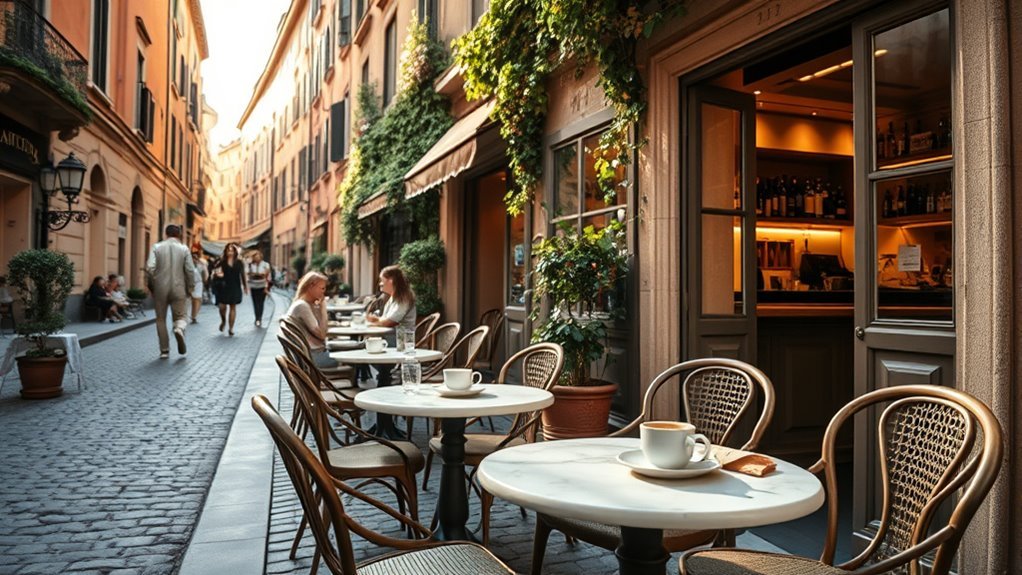
Rome’s best cafés are not all the same. Some are fast, standing-room espresso bars; others are pastry shops, brunch cafés, museum courtyards, or modern specialty-coffee spots. The right choice depends on whether you want a classic Roman ritual, a memorable pastry, careful filter coffee, or a beautiful place to sit.
Quick Answer
For classic espresso near the Pantheon, start with Sant’Eustachio Il Caffè or Tazza d’Oro. Choose Roscioli Caffè Pasticceria for coffee and pastries, Faro or Barnum for specialty coffee and brunch, and Caffè Doria or Chiostro del Bramante when atmosphere matters as much as the cup.
Key Takeaways
- Standing at the bar is usually faster and cheaper than ordering table service.
- Sant’Eustachio and Tazza d’Oro are the classic coffee stops closest to the Pantheon.
- Roscioli is a strong choice for espresso with maritozzi, pastries, breakfast, or a light meal.
- Faro, Barnum, LOVE, Pergamino, and Fax Factory represent Rome’s growing specialty-coffee scene.
- Antico Caffè Greco closed in October 2025; confirm any reopening through an official source before planning a visit.
Disclosure: As an Amazon Associate I earn from qualifying purchases. Some links on this page are affiliate links, at no extra cost to you.
What Makes Rome Cafés Different
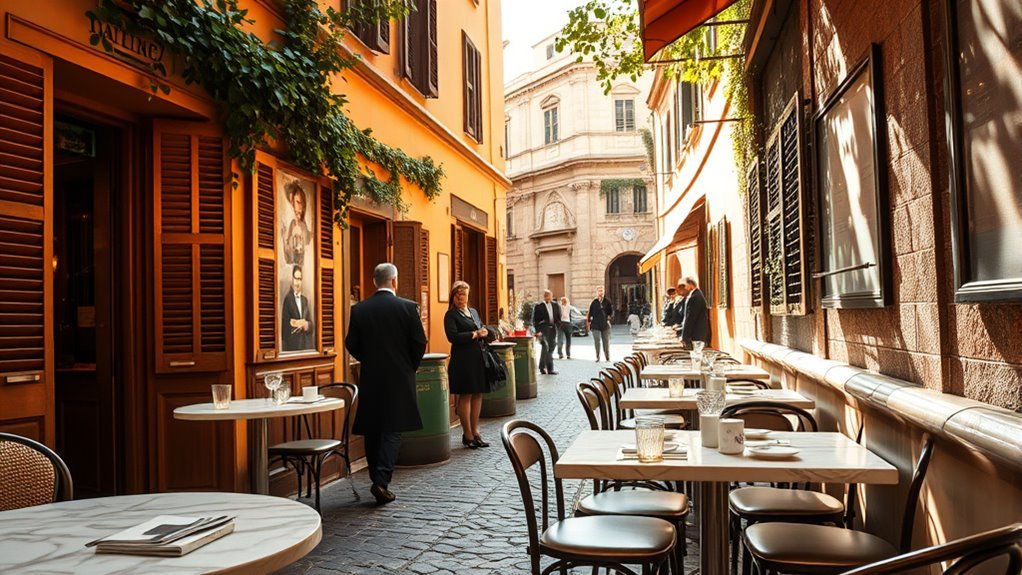
In Rome, the word bar often means a café that serves coffee, pastries, soft drinks, and sometimes alcohol. Many Romans stop for only a few minutes. They order at the register or counter, drink standing up, exchange a few words, and continue with the day.
This quick rhythm does not mean the coffee is unimportant. It means coffee is woven into daily life. A small espresso may be taken several times during the day, while a cappuccino and cornetto are common morning choices. Modern cafés now offer longer brunches, single-origin espresso, filter coffee, plant-based milk, and laptop-friendly seating, but the traditional standing ritual remains part of the city’s identity.
Note: Payment systems vary. At many traditional bars, you pay at the cashier first and hand the receipt to the barista. At others, you order and pay at the same counter. Watch what regulars do or ask, “Pago prima?”—“Do I pay first?”
Best Rome Cafés at a Glance
At a Glance: Where to Go
| Sant’Eustachio Il Caffè | Classic Roman coffee near the Pantheon; order the Gran Caffè and request it without sugar if preferred |
| Tazza d’Oro | Espresso and granita di caffè steps from the Pantheon |
| Roscioli Caffè Pasticceria | Pastries, maritozzi, breakfast, brunch, and several coffee blends near Campo de’ Fiori |
| Faro – Caffè Specialty | Specialty espresso, filter coffee, bakery items, and all-day brunch near Porta Pia |
| Barnum | Popular specialty coffee, bakery, and brunch in the Campo de’ Fiori area |
| Caffè Doria | Elegant breakfast, coffee, and aperitivo beside Palazzo Doria Pamphilj |
| LOVE Specialty Croissants | Laminated pastries, specialty coffee, and brunch near the Vatican Museums |
Best Rome Cafés for Classic Espresso
For a traditional Roman coffee stop, focus on the historic center. The strongest route begins near the Pantheon, where Sant’Eustachio and Tazza d’Oro sit only a short walk apart. Both can be busy, so early morning is usually more comfortable than late morning or mid-afternoon.
Products Worth Considering

✔️ Precision Dosing & Static Control Combo - This all-in-one set features a premium ceramic dosing cup and an spritzer, designed to measure coffee beans accurately and eliminate static in one smooth workflow—an essential for serious coffee brewing.

Barista Cloth Set: Includes a 6-pack of compact 12-inch x 12-inch towels, designed to fit snugly in your hand, for wiping up coffee residue on espresso machines, steam wands, precision baskets, portafilters, milk frothers, and countertops

Coffee Bar Accessories and Organizer:Optimize your coffee station with this coffee bar organizer;designed to keep coffee bar tidy,this coffee spoon rest and 4 gold spoons simplify your coffee organizer station,making it a staple of coffee bar essentials
Sant’Eustachio Il Caffè
Sant’Eustachio Il Caffè is at Piazza Sant’Eustachio, 82, between the Pantheon and Piazza Navona. The roastery dates to 1938, and the current official site describes its house coffee as a 100% Arabica blend sourced from South America.
The signature order is the frothy Gran Caffè. It is commonly served sweetened, so ask for amaro or senza zucchero if you do not want sugar. The preparation is partly hidden from view, which has helped build the café’s legend. Expect queues at peak sightseeing times.
Warning: Counter and table prices may differ. Check the displayed menu before sitting, especially at famous cafés in the historic center.
La Casa del Caffè Tazza d’Oro
Tazza d’Oro is at Via degli Orfani, 84, beside the Pantheon. The business began as a roastery in 1944 and opened its bar in 1946. It remains one of the easiest places to compare a classic espresso with a sweeter coffee dessert.
Order a straight espresso when you want a quick traditional stop. In warm weather, try the granita di caffè, usually served with whipped cream. Pay attention to the ordering flow: this is one of the places where visitors commonly pay first and take the receipt to the bar.
Roscioli Caffè Pasticceria
Roscioli Caffè Pasticceria opened in 2017 at Piazza Benedetto Cairoli, 16. It is in the Regola area, near Campo de’ Fiori and the Jewish Ghetto—not in Trastevere. The café offers classic espresso, single-origin options, sweet and savory breakfast, light lunch, aperitivo, and outdoor seating.
Roscioli is especially useful when different people in your group want different things. One person can order a quick espresso, while another chooses a maritozzo, sfogliatella, eggs, or a longer brunch. The compact space fills quickly, so arrive near opening or expect a wait.
Pro Tip: Pair a short espresso with a rich pastry rather than ordering two large items. The contrast is closer to a typical Roman breakfast and leaves room for lunch.
Antico Caffè Greco: Check Its Status Before Visiting
Antico Caffè Greco was founded in 1760 on Via dei Condotti and became famous for its art-filled rooms and literary visitors. However, the café was sealed and closed on October 8, 2025 after a long property dispute.
Reports in 2026 discussed a possible reopening, but a dependable official opening date was not confirmed when this guide was updated. Treat Caffè Greco as an important historic address, not a guaranteed coffee stop, and verify its status on the day you plan to visit.
Best Rome Cafés for Coffee and Pastries
A typical Roman breakfast is simple: coffee with a cornetto, maritozzo, or another pastry. These places offer a stronger pastry selection than a basic neighborhood bar.
- Roscioli Caffè Pasticceria: best all-around choice for espresso, maritozzi, sfogliatelle, and a more complete breakfast.
- LOVE Specialty Croissants: near the Vatican Museums, with French- and Italian-style laminated pastries, specialty coffee, and brunch dishes.
- Caffè Novecento: an atmospheric café on Via del Governo Vecchio with morning food, brunch, cakes, snacks, and vegan choices.
- Caffè Olimpia: a central café and bistrot near Piazza del Parlamento with pastries, coffee, and later-day drinks.
Do not assume every cornetto is made in-house. At a destination pastry café, the display and production are part of the draw; at an ordinary bar, the pastry may be supplied by an outside bakery. Neither is automatically bad, but the experience is different.
Products Worth Considering
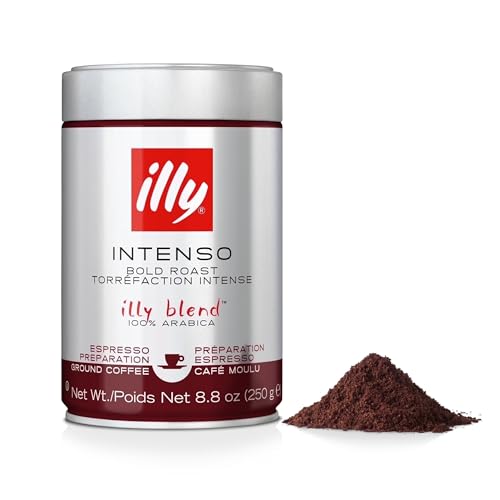
No hydrogenated fats or high fructose corn syrup allowed

LAVAZZA ESPRESSO: A 20 oz ground coffee bag ideal for espresso and drip preparation. (Pack of 1)

8.8 oz of Ground Coffee From 100% Robusta beans from Vietnam & Brazil – bold, intense flavor with naturally high caffeine,
Best Rome Cafés for Brunch and Breakfast
Traditional Roman breakfast is light, but several cafés now serve eggs, toast, bowls, sandwiches, and longer brunches. These are better choices when you want a full meal rather than a five-minute coffee stop.
- Barnum: one of the city center’s busiest brunch cafés, known for specialty coffee, bakery items, and international-style breakfast plates.
- Faro – Caffè Specialty: a reliable choice for careful coffee, bakery items, lunch, and all-day brunch at Via Piave, 55.
- Roscioli Caffè Pasticceria: useful for groups because it covers pastries, eggs, sandwiches, coffee, and aperitivo.
- LOVE Specialty Croissants: a smart breakfast stop before or after the Vatican Museums.
- Caffè Novecento: a slower, more atmospheric option near Piazza Navona.
Barnum can attract a line, especially on weekends. Faro is outside the tightest sightseeing core but rewards the detour if coffee quality is the main goal. Caffè Olimpia is convenient when you need a central breakfast that can extend into lunch or drinks.
Rome Specialty Coffee Spots
Rome’s specialty-coffee scene is smaller than the scenes in some northern European capitals, but it now offers much more than traditional dark-roast espresso. Expect single-origin beans, lighter roasts, V60 or batch brew, cold brew, and baristas who can explain the coffee’s origin and processing.
Faro – Caffè Specialty
Faro combines specialty coffee with a bakery, breakfast, lunch, and brunch. It is a good first stop for visitors who want to compare a modern espresso with filter coffee in one place. Ask what is on the grinder and choose based on whether you prefer chocolate-and-nut flavors or brighter fruit and acidity.
Barnum, LOVE, Pergamino, and Fax Factory
- Barnum: best for specialty coffee with a substantial brunch in the historic center.
- LOVE Specialty Croissants: best for carefully made pastries and coffee near the Vatican.
- Pergamino Caffè: a Prati option near the Vatican walls, known for espresso and manual brewing methods.
- Fax Factory: a neighborhood specialty café and cultural space in Pigneto, useful when you want to leave the main tourist zone.
Menus and roasters change, which is part of the appeal. Ask for the day’s filter option, whether the espresso contains robusta, and which drink best suits the pastry you are ordering.
Rome Cafés With the Prettiest Atmosphere
Choose these places when architecture, art, or a slower sit-down break matters more than finding the city’s cheapest espresso.
- Caffè Doria: an elegant café beside Palazzo Doria Pamphilj, open for breakfast, lunch, coffee, and aperitivo. Its official site lists Via della Gatta, 1.
- Chiostro del Bramante: a café-bistrot in a Renaissance cloister near Piazza Navona, with a terrace and views over Rome’s rooftops.
- Caffè Museo Atelier Canova Tadolini: a dramatic setting filled with sculptures in the former workshop associated with Antonio Canova and Adamo Tadolini.
- Caffè Novecento: a relaxed, early-20th-century-inspired interior on Via del Governo Vecchio.
- Ciampini: a classic choice near Piazza San Lorenzo in Lucina for coffee, gelato, and people-watching.
Caffè Doria is the safest current alternative when you want an elegant historic-center setting without relying on Caffè Greco’s uncertain operating status. Chiostro del Bramante works best when you also want art or architecture.
Best Rome Cafés Near the Pantheon
The most efficient coffee walk in central Rome begins at the Pantheon. Tazza d’Oro is almost beside it, while Sant’Eustachio is a few minutes away. From there, you can continue toward Caffè Doria, Roscioli, or Barnum without using transit.
- Tazza d’Oro: start with espresso or granita di caffè.
- Sant’Eustachio: compare its sweet, frothy Gran Caffè with the straighter espresso style at Tazza d’Oro.
- Caffè Doria: add a seated break in an elegant courtyard setting.
- Roscioli: finish with a pastry, breakfast, or light lunch near Piazza Cairoli.
Caffè Doria is calmer than the two famous Pantheon bars and works well when you want a longer seated break.
How to Order Coffee in Rome
The process is easy once you know the basic terms.
- Look for the price list. Check whether bar and table service have separate prices.
- Find the cashier. Pay first when the café uses a receipt system.
- State the drink clearly. In Italy, un caffè normally means one espresso.
- Give the receipt to the barista. Stand at the bar unless you paid for table service.
- Drink and move aside. Traditional bars serve many customers quickly.
Useful Coffee Words
- Caffè: espresso.
- Caffè macchiato: espresso marked with a small amount of milk.
- Cappuccino: espresso with steamed milk and foam; culturally associated with breakfast, but cafés will still serve it later.
- Marocchino: espresso with cocoa and milk foam, usually in a small glass.
- Caffè lungo: a longer espresso extraction, not the same as an American drip coffee.
- Caffè americano: espresso diluted with hot water.
- Shakerato: espresso shaken with ice, often sweetened.
- Amaro or senza zucchero: without sugar.
Order “un caffè” for espresso, stand at the bar for the quickest ritual, and check the menu before choosing a table.
How Rome Café Pricing Works
Rome cafés may charge one price at the bar and another for table service. The difference depends on the venue, location, and level of service, so there is no reliable citywide multiplier. Famous cafés beside major sights can have a large gap, while neighborhood bars may charge only a modest difference.
Check the posted menu before ordering. If you only want coffee, say that you will drink it at the bar. If you want to sit, enjoy the setting, and stay longer, treat the higher price as payment for table service rather than assuming the drink itself has changed.
At a Glance: Bar vs. Table Service
| Standing at the Bar | Usually the lowest price and fastest service |
| Sitting at a Table | May include a separate service price; check the menu first |
| How to Pay | Some cafés use cashier-first receipts; others take payment at the bar or table |
| Tipping | Not required; a small coin or rounded amount is optional for good service |
Best Rome Cafés by Neighborhood
- Pantheon and Centro Storico: Tazza d’Oro, Sant’Eustachio, Caffè Doria, Roscioli, Barnum, Caffè Novecento, and Chiostro del Bramante.
- Prati and the Vatican: LOVE Specialty Croissants and Pergamino Caffè.
- Porta Pia and Sallustiano: Faro – Caffè Specialty.
- Monti: compact neighborhood bars near the Colosseum, best chosen by current hours and proximity.
- Pigneto: Fax Factory for specialty coffee away from the central sightseeing circuit.
- Spanish Steps: Canova Tadolini, Ciampini, and the historic Caffè Greco address, subject to current operating status.
Roscioli is sometimes mislabeled as a Trastevere café, but its Piazza Cairoli location is east of the Tiber in the historic center. If you want coffee in Trastevere itself, choose a neighborhood bar based on convenience and current reviews rather than crossing the river for Roscioli.
Products Worth Considering

INTENSITY 10 OF 13: 100% Arabica beans, roasted in Naples, Italy, bold crema and rich aroma, ready for espresso and moka.

INTENSITY 10 OF 13: 100% Arabica beans, roasted in Naples, Italy, bold crema and rich aroma, ready for espresso and moka.

One bag of 2.2lb Lavazza Espresso Barista Gran Crema Whole Bean Coffee Blend
Rome Cafés That Make Great Gifts
Several cafés sell packaged beans, ground coffee, cups, sweets, and gift boxes. Sant’Eustachio and Tazza d’Oro have established retail lines, while specialty shops may sell rotating beans from local and international roasters.
- Local beans or a house blend for moka-pot brewing
- Chocolate-covered coffee beans or coffee-flavored sweets
- Espresso cups and saucers
- A small moka pot or hand grinder
- Gift cards from cafés that offer them directly
Buy whole beans only when the recipient owns a grinder. Otherwise, ask the shop to grind the coffee for moka, espresso, or filter brewing. The correct grind matters more than decorative packaging.
Rome Cafés to Add to Your Map First
For a first visit, save five places: Sant’Eustachio for the signature Roman ritual, Tazza d’Oro for espresso and granita, Roscioli for pastries, Faro for specialty coffee, and Caffè Doria for atmosphere. Add Barnum when brunch is a priority and LOVE when your itinerary includes the Vatican Museums.
This mix gives you a useful cross-section of the city: traditional espresso, pastry culture, modern brewing, and a beautiful sit-down setting. It is more practical than building a map with many similar bars or relying on a historic café whose current status is uncertain.
Frequently Asked Questions
What is the most beautiful café in Rome?
Caffè Doria and Chiostro del Bramante are strong current choices for a beautiful setting. Antico Caffè Greco was Rome’s most famous historic interior, but it closed in October 2025; confirm any reopening before visiting.
What pastry should you eat with coffee in Rome?
Try a cornetto for a simple breakfast or a maritozzo filled with whipped cream for a richer Roman treat. Roscioli also serves sfogliatelle and other pastries that pair well with espresso.
What happened to Antico Caffè Greco?
The Via dei Condotti café was sealed and closed on October 8, 2025, after a long property dispute. Possible reopening plans have been discussed, but travelers should look for a current official announcement before adding it to an itinerary.
What is the rule about coffee in Italy?
There is no law-like rule. A common habit across Italy is to order espresso standing at the bar, while cappuccino is most associated with breakfast. Some cafés require payment before ordering; others do not.
Which café is best near the Pantheon?
Choose Tazza d’Oro for classic espresso and granita di caffè, or Sant’Eustachio for its sweet, frothy Gran Caffè. They are close enough to visit in the same walk.
Do you tip at cafés in Rome?
Tipping is optional, not required. At the bar, you may leave a small coin if service was friendly. For table service, rounding up or leaving a small amount is appreciated but not compulsory.
Conclusion
Rome’s café scene works best when you mix styles. Drink one espresso standing at a traditional bar, sit down for a pastry or brunch, and try at least one specialty café where the barista can explain the beans. Start with Sant’Eustachio, Tazza d’Oro, Roscioli, Faro, and Caffè Doria, then add neighborhood stops that fit your route.
Check official opening information on the day of your visit, especially for historic venues and small independent cafés. With a little planning, you can enjoy Rome’s coffee culture without overpaying, waiting in every line, or mistaking a famous address for a currently operating café.
Sources
- Sant’Eustachio Il Caffè official site — address, hours, history, and current coffee description
- Tazza d’Oro official history — founding as a roastery in 1944 and opening of the bar in 1946
- Tazza d’Oro official contact page — Via degli Orfani address
- Roscioli official café page — opening year, Piazza Cairoli location, food service, and coffee program
- Faro official site — Via Piave location, bakery, breakfast, lunch, and brunch
- ANSA — Caffè Greco closure — confirmed October 8, 2025 closure after the property dispute
