
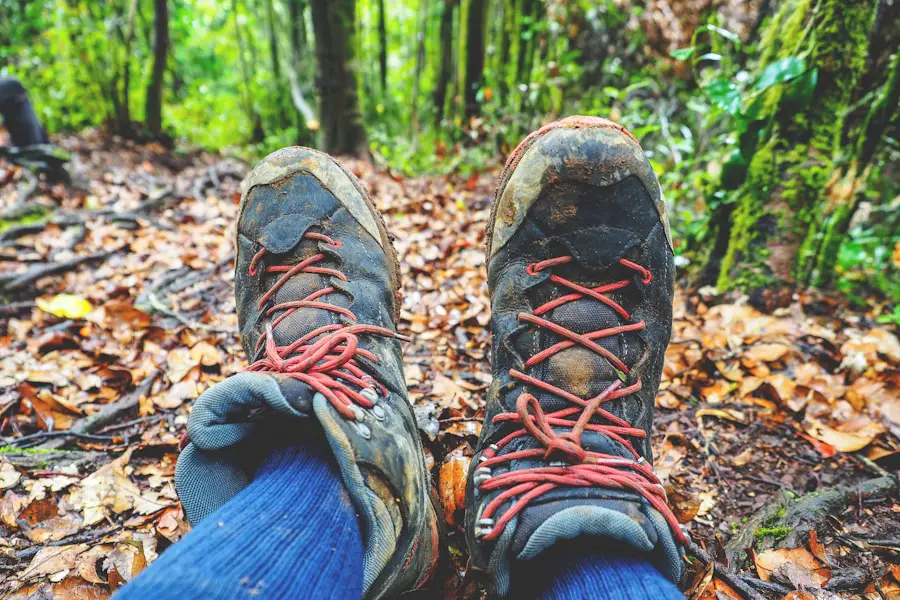
When it comes to outdoor activities, particularly hiking, the choice of footwear can significantly impact both comfort and performance. Hiking shoes and hiking boots are two popular options, each designed with specific features that cater to different types of terrain and hiking experiences. The primary distinction lies in their construction, intended use, and the level of support they provide.
Hiking shoes are typically lighter and more flexible, resembling athletic shoes, while hiking boots are sturdier, offering enhanced ankle support and protection against rugged terrains. The design of hiking shoes often prioritizes breathability and agility, making them suitable for well-maintained trails or casual hikes. They are generally lower cut, which allows for greater freedom of movement but may compromise ankle stability on uneven ground.
In contrast, hiking boots are built to withstand harsher conditions, featuring a higher cut that envelops the ankle for added support. This design is particularly beneficial when navigating rocky paths or carrying heavy loads, as it helps prevent injuries related to ankle rolling or twisting.
Key Takeaways
- Hiking shoes are lightweight and flexible, while hiking boots are heavier and provide more ankle support.
- Hiking shoes are ideal for day hikes and easy to moderate trails, while hiking boots are better for rough terrain and longer hikes.
- Hiking shoes typically have low-cut designs and are made with breathable materials, while hiking boots have higher ankle support and are often waterproof.
- Wear hiking shoes in warm and dry conditions, and hiking boots in cold and wet conditions.
- Consider the terrain, weather, and duration of your hike when choosing between hiking shoes and hiking boots for your adventure.
Features of Hiking Shoes
Hiking shoes are engineered for versatility and comfort, making them an excellent choice for day hikes or light backpacking trips. One of their most notable features is their lightweight construction, which allows for quick movements and less fatigue over long distances. Many hiking shoes incorporate breathable mesh materials that enhance ventilation, keeping feet cool and dry during warmer weather.
This breathability is crucial for maintaining comfort on trails where moisture can accumulate. Another significant feature of hiking shoes is their traction. The outsoles are often made from rubber compounds that provide excellent grip on various surfaces, from dirt paths to rocky inclines.
Tread patterns are designed to maximize contact with the ground, ensuring stability and reducing the risk of slipping. Additionally, many hiking shoes come with cushioning systems that absorb shock and provide comfort during long treks. This cushioning is particularly beneficial for those who prefer a more athletic feel while hiking, as it mimics the support found in running shoes.
Products Worth Considering

All-Day Comfort: Designed with breathable materials and lightweight construction, these women's hiking shoes ensure lasting comfort during hiking or long walks.
Eco-friendly suede leather and mesh upper promote airflow, prevent excessive accumulation of foot sweat, help reduce foot odor, and provides all-day comfort.
Breathability & Quick Dry: The outdoor water shoes with breathable and lightweight open mesh upper for faster draining and cross-ventilation,providing superior comfort and quick drying.Upgraded sole adds drain holes in order to make water flow faster and more smoothly,in addition.
Features of Hiking Boots
Hiking boots are built for durability and support, making them ideal for more challenging hikes or multi-day backpacking trips. One of the defining features of hiking boots is their robust construction, often utilizing leather or synthetic materials that offer superior protection against abrasions and environmental elements. This durability is essential when traversing rugged terrains where sharp rocks or branches may pose a threat to the feet.
Ankle support is another critical feature of hiking boots. The higher cut design provides stability to the ankle joint, which is particularly important when carrying heavy packs or navigating uneven ground. Many models also include features such as reinforced toe caps and waterproof membranes, which help keep feet dry in wet conditions while protecting against impacts.
The soles of hiking boots are typically stiffer than those of hiking shoes, providing better support for the foot’s arch and reducing fatigue during long hikes.
Products Worth Considering
Comfortableness: NORTIV 8 Men's Waterproof Hiking Boots certainly delivers on all-day comfort! Removable and shock-absorbent cushioned insoles offer the support for your feet.
OMNI-TECH: For prolonged exposure to moderate rain and snow. Multilayered, waterproof, seam-sealed construction that allows the inside to breathe, keeping feet dry and comfortable no matter the conditions.
TOTAL WATERPROOF PROTECTION: These hiking boots feature a sealed waterproof membrane that locks out rain, slush, and mud. Your feet stay dry and comfortable during all-day outdoor adventures, from forest trekking to wet camping mornings
When to Wear Hiking Shoes
| Trail Type | Recommended Footwear |
|---|---|
| Easy, well-maintained trails | Hiking shoes or trail shoes |
| Rocky or uneven terrain | Hiking boots with ankle support |
| Muddy or wet trails | Waterproof hiking boots |
| Long-distance hikes | Hiking boots for added support and durability |
| Winter or snowy conditions | Insulated hiking boots with good traction |
Hiking shoes are best suited for specific conditions and types of hikes. They excel in scenarios where agility and speed are prioritized over maximum support. For instance, if you plan to hike on well-maintained trails or engage in activities like trail running, hiking shoes are an excellent choice due to their lightweight nature and flexibility.
They allow for quick movements and can enhance your overall performance on less demanding terrain. Additionally, hiking shoes are ideal for warmer weather conditions. Their breathable materials help regulate temperature and wick away moisture, making them comfortable for summer hikes or when trekking through humid environments.
If your adventure involves short day hikes or casual outings with friends or family, hiking shoes can provide the necessary comfort without the bulkiness of heavier footwear. However, it’s essential to consider the terrain; if you anticipate encountering rocky paths or steep inclines, you may need to reassess your footwear choice.
Products Worth Considering
Pigskin leather and mesh upper
TOWN OR TRAIL: Experience heel-to-toe comfort wherever you roam, and keep your style streamlined in this versatile low cut men’s shoe
Suede leather and breathable mesh upper
When to Wear Hiking Boots
Hiking boots shine in situations where stability and protection are paramount. If your adventure involves challenging terrains such as steep inclines, rocky paths, or muddy trails, opting for boots is advisable. Their higher cut design offers essential ankle support that can prevent injuries associated with uneven ground or heavy loads.
This added stability is crucial when navigating difficult trails where a misstep could lead to a sprained ankle. Moreover, hiking boots are particularly beneficial in adverse weather conditions. If you expect rain or wet environments, many models come equipped with waterproof membranes that keep your feet dry while allowing moisture to escape.
This feature is invaluable during multi-day hikes where prolonged exposure to wet conditions can lead to discomfort or blisters. Additionally, if you plan on carrying a heavy backpack, the stiffer soles of hiking boots provide the necessary support to manage the weight effectively without compromising foot health.
Products Worth Considering
Anti-slip Protection: The hiking boots for men with a rubber outsole feature a double-directional arrow-pattern sole that grips firmly in all steps,providing reliable traction and slip resistance on wet,muddy and rocky hiking trails.
WATERPROOF & BREATHABLE - This women's waterproof hiking boots features a waterproof membrane that seals out water and lets moisture escape, which keeps you dry and comfortable no matter the conditions. Mesh upper for increased breathability.
Comfortableness: NORTIV 8 Men's Waterproof Hiking Boots certainly delivers on all-day comfort! Removable and shock-absorbent cushioned insoles offer the support for your feet.
Choosing the Right Footwear for Your Adventure
Selecting the appropriate footwear for your hiking adventure involves considering several factors beyond just the type of shoe or boot. First and foremost, assess the terrain you will be traversing. For well-maintained trails with minimal elevation changes, hiking shoes may suffice; however, if your route includes rocky paths or steep inclines, investing in a good pair of hiking boots is wise.
Understanding the specific demands of your hike will guide you toward the right choice. Another critical aspect is fit and comfort. Regardless of whether you choose shoes or boots, ensuring a proper fit is essential to prevent blisters and discomfort during your hike.
It’s advisable to try on footwear with the socks you plan to wear on your hike to gauge fit accurately. Pay attention to areas such as toe space and heel grip; there should be enough room for your toes to move without feeling cramped while ensuring that your heel remains secure to avoid slipping. Additionally, consider any personal foot issues you may have; individuals with flat feet may benefit from additional arch support found in certain boot models.
Products Worth Considering
Waterproof membrane seals out water and lets moisture escape Pigskin leather and mesh upper 100% recycled laces and webbing Bellows tongue keeps out debris Protective toe cap 100% recycled mesh lining Kinetic Fit ADVANCED removable contoured insole with reinforced heel cushioning for medium support Molded nylon arch shankLightweight EVA foam midsole for stability and comfort Vibram TC5+ rubber sole
【Waterproof】 The waterproof upper material keeps your feet dry and comfortable in various weather conditions. These boots are designed to provide continuous static waterproofing for up to 7 hours, ensuring that water and moisture stay out even during prolonged exposure. The breathable lining helps keep your feet cool and dry, reducing the risk of blisters and other skin irritations
Waterproof & Comfortable: R Cord womens waterproof hiking boots made of suede leather and suede ankle boots structure offer breathability and comfort for even the most challenging hikes.Waterproof membrane prevents water from entering and volatilizes water vapor.Closed-cell tongue prevents rain, muck and sand from entering. Fabric lining has excellent ventilation effect, keeps comfortable and dry throughout the day.
Care and Maintenance of Hiking Shoes and Boots
Proper care and maintenance of your hiking footwear can significantly extend its lifespan and performance capabilities. For both hiking shoes and boots, regular cleaning is essential to remove dirt and debris that can accumulate during outdoor adventures. After each hike, it’s advisable to wipe down the exterior with a damp cloth and allow them to air dry away from direct sunlight or heat sources that could damage materials.
For leather hiking boots, applying a suitable conditioner can help maintain suppleness and prevent cracking over time. Waterproof models may require periodic reapplication of waterproofing treatments to ensure they remain effective against moisture penetration. Additionally, inspecting the soles for wear and tear is crucial; if you notice significant degradation in traction or structural integrity, it may be time to replace your footwear before embarking on another adventure.
Finding the Perfect Fit
Finding the perfect fit in hiking footwear is not merely about selecting between shoes or boots; it encompasses understanding your specific needs based on terrain, weather conditions, and personal comfort preferences. The right choice can enhance your overall hiking experience by providing the necessary support and protection while allowing you to enjoy the beauty of nature without discomfort or injury. Ultimately, whether you opt for lightweight hiking shoes or sturdy hiking boots will depend on your individual hiking style and the challenges you anticipate facing on your adventures.
By taking the time to evaluate these factors and properly care for your footwear, you can ensure that each hike is not only enjoyable but also safe and fulfilling.
When it comes to outdoor activities like hiking, having the right footwear is essential. Many people wonder if hiking shoes and hiking boots are the same thing. According to a helpful article on TakeTravelInfo, 5 Must-Have Waterproof Sneakers for Your Spring 2025 Travels, there are differences between the two types of footwear. While hiking shoes are typically lighter and more flexible, hiking boots offer more ankle support and protection on rough terrain. It’s important to choose the right footwear based on the type of hiking you plan to do.
FAQs
What is the difference between hiking shoes and hiking boots?
Hiking shoes are low-cut footwear that provides flexibility and breathability, while hiking boots are higher-cut and offer more ankle support and protection.
Can hiking shoes be used in place of hiking boots?
Hiking shoes can be used for light to moderate hiking on well-maintained trails, but for more rugged terrain and heavier loads, hiking boots are recommended for better support and protection.
Are hiking shoes and hiking boots both suitable for long-distance hiking?
Hiking boots are generally recommended for long-distance hiking due to their ankle support and stability, but some hikers may find hiking shoes comfortable for long distances on less challenging terrain.
Do hiking shoes and hiking boots have different traction and grip?
Hiking boots often have more aggressive tread patterns and deeper lugs for better traction on rough and slippery terrain, while hiking shoes may have a lighter tread for more flexibility and comfort.
Are hiking shoes and hiking boots both waterproof?
Both hiking shoes and hiking boots come in waterproof versions, but hiking boots are more likely to have higher waterproofing due to their higher cut and additional features.