Last Updated on September 10, 2026 by Daniel Globe
Hiking can turn an ordinary day outdoors into a demanding endurance activity, especially when the trail is steep, the weather is hot, or you are carrying a loaded pack. The right hiking snacks help replace energy as you move, make long climbs feel more manageable, and give you something enjoyable to look forward to during a break. Good trail food should also be practical: easy to carry, simple to eat, safe at the expected temperature, and appealing enough that you will actually eat it.
Quick Answer
The best hiking snacks combine easy-to-use carbohydrates with some protein or healthy fat while staying light, durable, and safe in your pack. Trail mix, nuts, dried fruit, nut-butter packets, whole-grain crackers, bars, jerky, roasted chickpeas, and shelf-stable tuna are reliable choices. Pack more food as hike length and difficulty increase.
Key Takeaways
- Choose mostly portable foods that provide carbohydrates for working muscles plus protein or fat for staying power.
- For long or strenuous hikes, eat small amounts regularly instead of waiting until you feel depleted.
- Nuts, trail mix, dried fruit, nut butter, bars, jerky, roasted legumes, crackers, and shelf-stable pouches travel well.
- Cheese, eggs, yogurt, sandwiches, cut fruit, and other perishables need a reliable cold source.
- Hydrate according to your conditions and individual needs, but do not force excessive water intake.
- Pack out wrappers, crumbs, fruit peels, cores, shells, and all other food waste.
Disclosure: As an Amazon Associate I earn from qualifying purchases. Some links on this page are affiliate links, at no extra cost to you.
What Makes a Good Hiking Snack?
A useful hiking snack has to do more than look healthy on a nutrition label. It should fit the demands of the trail. Weight, durability, temperature, ease of eating, and how well the food sits in your stomach all matter.
During exercise, the body uses a combination of carbohydrates and fat for energy. As effort becomes harder, carbohydrate generally becomes more important. That makes foods such as dried fruit, crackers, tortillas, oats, granola, and bars useful trail fuel. Adding nuts, nut butter, seeds, jerky, roasted legumes, or another protein source can make a snack more satisfying during a long outing.
The American Heart Association’s 2026 guidance on fueling outdoor adventures similarly recommends portable, weather-resistant foods and a balance of carbohydrates, protein, fat, and micronutrients.
Pro Tip: Pack at least one snack you already know you enjoy. Appetite can fall during heat, altitude, or hard exertion, so familiar food is often easier to eat than an unfamiliar “perfect” trail snack.
Nutritional Requirements for Hiking
There is no single carbohydrate, protein, fat, or calorie target that fits every hiker. Your needs change with body size, fitness, trail length, elevation gain, pace, temperature, pack weight, and what you ate before starting.
Carbohydrates for Working Energy
Carbohydrate-rich foods are particularly useful as hiking intensity rises. For a casual walk, normal meals plus a backup snack may be enough. During a long climb or sustained strenuous trek, foods that are easy to chew and digest—such as dried fruit, pretzels, crackers, fruit bars, tortillas, or an energy bar—can provide convenient carbohydrate without requiring a long meal stop.
Sports-nutrition research has commonly used about 30–60 grams of carbohydrate per hour during prolonged, relatively high-intensity endurance exercise lasting beyond roughly an hour. That is a performance-oriented range rather than a requirement for every hiker. Recreational hikers can usually rely on appetite, trip length, past experience, and smaller regular snacks rather than counting every gram. See the peer-reviewed International Society of Sports Nutrition position stand on nutrient timing.
Protein and Fat for Satiety and Recovery
Protein supports muscle maintenance and repair. Nuts, seeds, nut butter, jerky, shelf-stable tuna or chicken pouches, roasted edamame, chickpeas, and protein-containing bars can all contribute. Protein does not need to dominate every snack, and eating it does not guarantee that you will avoid fatigue or soreness.
Fat is energy-dense, which makes foods such as nuts, seeds, and nut butter especially useful when pack weight matters. Very fatty foods can digest slowly, though, so some hikers prefer lighter carbohydrate-rich foods during steep or high-intensity sections and save richer snacks for longer breaks.
How Much Food Should You Pack?
Start with the duration of the hike, then adjust for difficulty and your own appetite. It is better to return with one unused emergency snack than to discover several miles from the trailhead that you did not bring enough.
| Hike | Practical Food Plan | Examples |
|---|---|---|
| Short, easy hike | A small backup snack may be enough if you start well fed. | Fruit, small trail-mix bag, granola bar |
| 2–4 hours | Bring one or more substantial snacks and eat as hunger or effort increases. | Trail mix, nut butter with crackers, dried fruit, jerky |
| Half-day to full-day | Carry several snack portions plus a more substantial lunch or trail meal. | Tortilla wrap, tuna pouch, nuts, dried fruit, bars |
| Multi-day trek | Plan complete daily meals and snacks plus a reasonable reserve while emphasizing shelf-stable, energy-dense foods. | Oats, tortillas, nut butter, dehydrated meals, nuts, jerky, dried fruit |
The National Park Service’s general Hike Smart guidance recommends carrying food and water and using nutritious snacks to maintain energy. Some parks provide more specific recommendations for unusually hot or demanding environments, so check local trail guidance before leaving.
What to Eat Before, During, and After a Hike
Before the Hike
Starting hungry makes trail fueling harder. Before a longer hike, choose a familiar meal or snack that contains carbohydrates and some protein. Oatmeal with fruit and nut butter, toast with eggs, yogurt with oats, or a sandwich can work well when eaten with enough time to digest.
Avoid experimenting with an unusually large, spicy, greasy, or very high-fiber meal immediately before a difficult hike if those foods tend to upset your stomach.
During the Hike
Do not wait until you feel completely drained before eating on a long outing. Small portions eaten during breaks are usually easier to tolerate than one large meal. On demanding days, alternate quick carbohydrate foods with more filling combinations such as dried fruit plus nuts or crackers plus nut butter.
After the Hike
After a long or strenuous hike, return to a normal balanced meal containing carbohydrates, protein, fluids, and a variety of nutrient-rich foods. Carbohydrates help replenish glycogen while protein supports muscle repair. There is no need for a special recovery supplement if an ordinary meal meets your needs.
Preparing Hiking Snacks
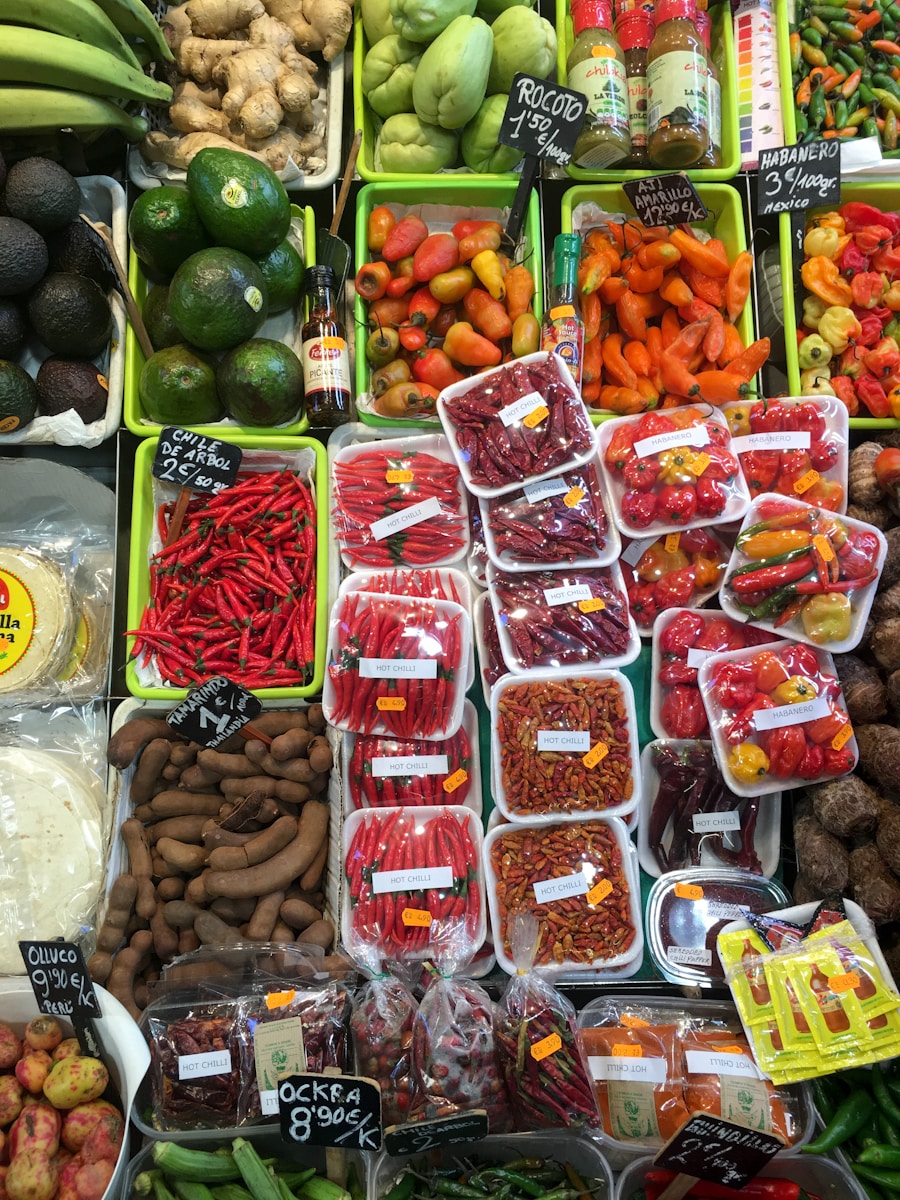
Planning snacks in advance saves time and makes it easier to balance portability, nutrition, and food safety. First consider the distance, expected hiking time, elevation gain, temperature, access to drinking water, and whether you will have any reliable way to keep food cold.
Homemade trail mix is one of the easiest options because the ingredients can be adjusted to taste. Nuts and seeds add fat and protein; dried fruit or cereal adds carbohydrate; and a small amount of chocolate or another treat can make the mixture more appealing. In very hot weather, choose ingredients that will not melt into the rest of your pack.
Homemade energy bars can also work, but do not assume every recipe is shelf-stable. A dry bar made with oats, nut butter, seeds, and dried fruit may travel better than a moist recipe containing ingredients that normally require refrigeration. When in doubt, keep the food cold.
Divide snacks into individual portions before leaving. A small bag in a hip-belt pocket or top compartment is much easier to reach than one large food bag buried beneath your rain jacket and spare clothing.
Plan Around Allergies and Dietary Needs
Read packaged-food labels when hiking with food allergies because bars, trail mix, chocolate, and baked snacks frequently contain or share equipment with peanuts, tree nuts, milk, wheat, soy, sesame, or other allergens. People following vegetarian, vegan, gluten-free, or other dietary patterns can still build effective trail snacks from combinations such as roasted legumes, seeds, dried fruit, nut or seed butter, gluten-free crackers, or suitable bars.
Note: People with diabetes, kidney or heart conditions, medically prescribed fluid or sodium limits, severe food allergies, or other nutrition-related medical needs should follow their individual care plan rather than general hiking-fuel advice.
Portable and Lightweight Hiking Snack Options
The best portable foods deliver useful energy without taking up much pack space. Trail mix remains popular because nuts, seeds, dried fruit, cereal, and optional chocolate can combine quick carbohydrate with more energy-dense fat.
Bars are another convenient option, but there is no requirement to buy a product marketed specifically to athletes. Check the ingredient list and nutrition label, then choose one that tastes good and fits the hike. Fruit leathers, dried fruit, jerky, roasted chickpeas, edamame, crackers, tortillas, and single-serving nut-butter packets are equally practical.
| Snack | Typical Portion | Approx. Calories | Approx. Protein | Trail Storage |
|---|---|---|---|---|
| Almonds | 1 oz | About 160 | About 6 g | Shelf-stable |
| String cheese | About 1 oz | Often 70–90 | Often 6–7 g | Keep at 40°F or below |
| Medium apple | About 6 oz | About 95 | About 0.5 g | Whole fruit travels well |
| Beef jerky | 1 oz | Often 80–120 | Often 9–11 g | Use commercially shelf-stable jerky |
Nutrition values vary by variety and brand, so package labels or USDA FoodData Central are better references when exact calories or nutrients matter.
Best Snacks for Different Types of Hikes
Short Day Hikes
For an easy outing lasting only a couple of hours, a normal meal beforehand and one simple backup snack may be plenty. Good choices include an apple, banana, granola bar, small trail-mix portion, or crackers.
Long or Strenuous Day Hikes
Long climbs and full-day hikes benefit from several types of food. Try nut butter packets with whole-grain crackers or tortillas, trail mix, dried fruit, shelf-stable jerky, tuna pouches, roasted chickpeas, or bars. Having both sweet and savory foods can help when you get tired of eating the same flavor all day.
Multi-Day Hikes
For backpacking trips, food weight and shelf life become more important. Oatmeal, tortillas, nut butter, nuts, dried fruit, dehydrated meals, instant couscous, dried noodles, powdered foods, and shelf-stable meat or fish pouches can provide more food with less refrigeration burden. USDA specifically recommends shelf-stable foods for longer backcountry trips where dependable refrigeration is unavailable.
Cold-Weather Hikes
Cold conditions often make substantial foods more appealing. A properly preheated insulated food container can carry hot soup, oatmeal, or another hot meal for a shorter outing, provided the food remains at a safe temperature. Nuts, chocolate, nut butter, cheese kept safely cold, and dense bars also provide compact energy.
Hot-Weather Hikes
In hot weather, choose foods that remain appealing when warm and avoid relying on chocolate or coatings that melt easily. Whole fruit can work well on a shorter hike, while dried fruit, pretzels, crackers, trail mix without melt-prone ingredients, and shelf-stable pouches are easier to manage over longer distances.
Watermelon, cut oranges, yogurt parfaits, fruit salad, hard-boiled eggs, cheese, and sandwiches can still be taken on a day hike, but they should be carried with a reliable cold source when they require refrigeration.
Hydration and Snacking
Food and hydration work together on the trail. Sweat removes both water and electrolytes, especially sodium, but the amount lost differs greatly from person to person and changes with temperature, humidity, clothing, pace, and fitness.
Water is usually sufficient for shorter hikes in moderate conditions. During long, hot, or very sweaty hikes, electrolyte-containing foods or drinks may be useful. Pretzels, crackers, jerky, and other salty foods can contribute sodium, so an electrolyte drink is not automatically necessary every time you hike.
Do not respond to dehydration concerns by forcing as much water as possible. The Wilderness Medical Society guideline on exercise-associated hyponatremia warns that excessive fluid consumption can dangerously dilute blood sodium. For most hikers, thirst or an individualized hydration plan based on previous experience is safer than blindly following a rigid universal drinking schedule.
Warning: Both dehydration and overhydration can become serious. Do not force large quantities of water beyond your needs. Confusion, severe headache, repeated vomiting, collapse, or major changes in mental status during or after prolonged exertion require urgent medical attention.
Natural-looking streams, lakes, and springs should not automatically be treated as safe drinking water. Carry enough treated water or use an appropriate filtration, purification, or disinfection method when relying on backcountry sources.
Food Safety on the Trail
Food safety is one of the biggest weaknesses in many hiking-snack lists. According to the USDA Food Safety and Inspection Service, cold foods should be kept at 40°F or below with ice or frozen gel packs.
Perishable food should not remain unrefrigerated for more than 2 hours—or more than 1 hour when the temperature is above 90°F.
This rule matters for string cheese, yogurt, hard-boiled eggs, cut fruit, meat sandwiches, salads, and many homemade foods. For a long hike without dependable cold storage, shelf-stable options are safer and usually lighter.
Clean hands before handling food whenever possible. USDA recommends soap and safe water or hand sanitizer containing at least 60% alcohol when proper handwashing is unavailable.
Tips for Packing and Storing Hiking Snacks
Resealable bags and sturdy containers protect snacks from moisture, dirt, leaks, and crushing. Portioning food before the trip also prevents you from repeatedly opening your main food supply with dirty hands.
Keep the food you expect to eat first near the top of your backpack or in a hip-belt pocket. Store your reserve snack deeper in the pack so you are less likely to eat it casually at the beginning of the hike.
- Separate fragile food: Keep crackers and soft fruit away from heavy gear.
- Protect melt-prone foods: Chocolate and coated bars can become messy in direct heat.
- Carry a trash bag: Use a resealable bag for wrappers, sticky packaging, peels, cores, and food scraps.
- Check packaging: Avoid torn pouches or damaged seals.
- Keep cold food genuinely cold: An insulated lunch bag alone is not the same as a sufficient ice or frozen-gel cold source.
Pro Tip: Divide a full-day food supply into “early,” “midday,” “late,” and “reserve” portions. It makes food easy to find and reduces the chance of accidentally eating most of your snacks during the first few miles.
Healthy and Sustainable Snack Choices
A trail snack does not have to be marketed as an outdoor product to work well. Nuts, seeds, dried fruit, roasted chickpeas, edamame, whole-grain crackers, tortillas, nut or seed butter, and other familiar foods can provide plenty of nutrition with less specialty packaging.
Plant-based snacks are useful options for hikers who prefer them. Roasted chickpeas, nuts, seeds, peanut butter, sunflower-seed butter, and dried legumes can supply protein, fiber, fat, and carbohydrate in compact forms. Animal foods such as jerky and shelf-stable fish pouches can also fit a balanced trail menu.
Buying local or organic food may support producers or farming practices you value, but those labels do not automatically make a food lower-impact in every situation. A simpler trail-specific sustainability strategy is to minimize unnecessary packaging, portion food into reusable containers where practical, prevent food waste, and carry everything back out.
The National Park Service’s Leave No Trace guidance says to pack out food scraps as well as ordinary trash. That includes orange and banana peels, apple cores, nut shells, crumbs, and leftover food because scraps can persist and attract wildlife. See the NPS Leave No Trace guidance.
Common Hiking Snack Mistakes
- Packing only sugary food: Quick carbohydrates have a useful place, but an entire day of sweet bars can become unappealing. Include some savory foods and sources of protein or fat.
- Bringing only high-fat or high-fiber foods: These may feel heavy during hard exercise for hikers with sensitive stomachs.
- Trying unfamiliar food on an important hike: Test new bars, drink mixes, and large amounts of dried fruit during easier outings first.
- Ignoring temperature: A food that works in winter may spoil or melt during a summer hike.
- Depending on appetite alone: Hard exertion or heat can reduce hunger, so carry food you know you can tolerate.
- Forgetting emergency food: Delays, wrong turns, weather, or an injured hiking partner can extend a trip beyond the planned finish time.
Hiking Food and Gear Planning
Food becomes part of the overall packing system on longer outings. A backpack needs enough usable space for meals, water, rain protection, insulation, and emergency gear without making the load unnecessarily awkward. For multi-day trips, this guide to the best hiking backpacks for multi-day treks covers pack options for carrying larger loads.
Overnight hikers also need to balance food weight with their sleep system, so the site’s guide to sleeping bags for backpacking travel can help with that part of the packing list. Footwear matters as well when wet trails are expected; the guide to waterproof sneakers for travel provides additional options to consider.
Frequently Asked Questions
What factors should I consider when choosing food for hiking?
Consider the hike’s length, intensity, weather, food weight, energy content, shelf life, ease of eating, and your dietary needs. For longer trips, prioritize foods that pack efficiently and do not require refrigeration unless you can reliably keep them cold.
What lightweight, high-energy foods are good for hiking?
Trail mix, nuts, seeds, dried fruit, nut-butter packets, energy bars, jerky, roasted legumes, tortillas, crackers, and dehydrated meals are compact choices. Combining carbohydrate-rich foods with some protein or fat can provide both quick fuel and staying power.
What are some nutritious and easy hiking meals?
Useful options include instant oatmeal with dried fruit and nut butter, couscous with a shelf-stable protein pouch, tortillas with nut butter, crackers with tuna, or commercial dehydrated backpacking meals. Choose meals that match your available water, stove, time, and food-storage conditions.
How can I keep hiking food fresh and safe?
Use shelf-stable foods whenever refrigeration is unavailable. Keep perishable foods at 40°F or below with a reliable cold source. USDA advises discarding perishables left unrefrigerated for more than two hours, or more than one hour when temperatures exceed 90°F.
How should I stay hydrated while hiking?
Start the hike normally hydrated, carry or have access to safe drinking water, and adjust intake for heat, effort, duration, and your individual sweat rate. Longer, sweatier hikes may benefit from electrolytes from foods or drinks. Avoid both dehydration and forcing excessive water beyond your needs.
How often should I snack during a long hike?
There is no universal schedule, but small amounts eaten periodically are often easier to tolerate than waiting until you are exhausted and eating a large meal. On long or strenuous outings, begin fueling before your energy drops sharply and adjust timing according to effort, appetite, and previous experience.
What should I eat before a hike?
Before a longer hike, choose a familiar meal containing carbohydrate plus some protein, such as oatmeal with fruit and nut butter, toast with eggs, yogurt with oats, or a sandwich. Give yourself enough time to digest and avoid experimenting with foods that commonly upset your stomach.
Sources
- USDA Food Safety and Inspection Service — Food Safety While Hiking, Camping & Boating — outdoor food storage, cold sources, shelf-stable foods, hygiene, and temperature safety.
- U.S. National Park Service — Hike Smart — carrying food and water and using trail snacks to maintain energy.
- American Heart Association — How to Fuel Your Outdoor Adventures — current 2026 guidance on hiking food, macronutrients, hydration, electrolytes, and food safety.
- Wilderness Medical Society Clinical Practice Guidelines for Exercise-Associated Hyponatremia — overhydration prevention and individualized fluid intake.
- International Society of Sports Nutrition Position Stand: Nutrient Timing — carbohydrate and protein guidance for prolonged exercise and recovery.
- U.S. National Park Service — Leave No Trace — packing out food scraps and other waste.