
Last Updated on September 10, 2026 by Daniel Globe
Good hiking nutrition is less about finding one perfect trail food and more about matching your food and fluids to the length, difficulty, weather, and pace of your hike. Carbohydrates supply readily available energy during harder efforts, while protein and fat help round out meals, control hunger, and support recovery.
For an easy walk lasting an hour or two, a normal meal beforehand plus a small backup snack may be enough. A long, steep, hot, or all-day hike requires more planning. The goal is to start fueled, eat before your energy drops, drink enough without forcing excess fluid, and choose food that stays safe in your pack.
Quick Answer
The best hiking foods are portable carbohydrates paired with some protein or fat: bananas, dried fruit, trail mix, nut-butter packets, sandwiches, tortillas, energy bars, crackers, jerky, and dehydrated meals. For longer strenuous hikes, eat small amounts regularly, drink according to thirst and conditions, and add electrolytes when heat and heavy sweating make them useful.
Key Takeaways
- Eat a carbohydrate-rich meal or snack before a longer hike and carry more food than you expect to need.
- For prolonged strenuous exercise, roughly 30–60 grams of carbohydrate per hour is a useful sports-nutrition range, but easier hikes may require less.
- Drink according to thirst, weather, effort, and your usual sweat rate rather than forcing a fixed amount of fluid.
- Electrolytes are most useful during long, hot, or high-sweat hikes; salty foods are not automatically something hikers should avoid.
- Keep perishable foods cold, treat questionable backcountry water, and favor shelf-stable food for multi-day trips.
- After a demanding hike, eat carbohydrates plus protein and continue replacing fluids; an exact 30-minute deadline is unnecessary for most recreational hikers.
Note: Nutrition and hydration needs vary widely. If you have diabetes, kidney or heart disease, serious food allergies, or a condition or medication that affects fluid or electrolyte balance, get individualized advice from a qualified healthcare professional.
Disclosure: As an Amazon Associate I earn from qualifying purchases. Some links on this page are affiliate links, at no extra cost to you.
What to Eat Before a Hike
For a longer or more demanding hike, begin with a meal that you already know sits well in your stomach. Carbohydrate-rich foods provide useful fuel, while a moderate amount of protein can make the meal more satisfying.
Good pre-hike choices include:
- Oatmeal with banana and a spoonful of nut or seed butter
- Whole-grain toast with eggs and fruit
- A peanut butter and banana sandwich
- Yogurt with oats and berries when it can be kept safely refrigerated
- Rice, potatoes, pasta, or another familiar carbohydrate with a lean protein for a larger pre-hike meal
A large meal immediately before a steep climb can feel uncomfortable. If you are eating close to the trailhead, choose a smaller, familiar snack and save heavier foods for later.
Pro Tip: Test your trail food on ordinary hikes before using it on an important all-day or multi-day trip. Foods, gels, drink mixes, and large amounts of fiber that work for one hiker may upset another hiker’s stomach.
Preparing Trail Snacks and Meals
Convenience, nutrition, food safety, and weight all matter when preparing trail food. For backpacking, shelf-stable foods with plenty of energy for their weight are especially useful. Day hikers have more flexibility because they can carry fresh foods or use a small insulated bag and cold pack.
Nuts, seeds, trail mix, and nut or seed butters are compact options that provide fat, protein, and carbohydrate. A mixture of almonds, walnuts, pretzels, and dried fruit gives you both energy-dense ingredients and faster-digesting carbohydrate.
Granola bars and energy bars are also convenient, but there is no rule that a hiking bar must be very low in sugar. A bar containing slower-digesting ingredients can work well for ordinary snacking, while easily digested carbohydrate can be useful during a long, strenuous climb. Choose based on the role the snack needs to play.
For a day hike, sandwiches, wraps, fruit, crackers, cheese, and prepared grain salads can work well when they are packed safely. For longer backpacking trips, tortillas, nut butter, dried fruit, instant grains, jerky, tuna or chicken pouches, dehydrated meals, and other shelf-stable foods reduce refrigeration concerns.
Hydration and Electrolyte Balance
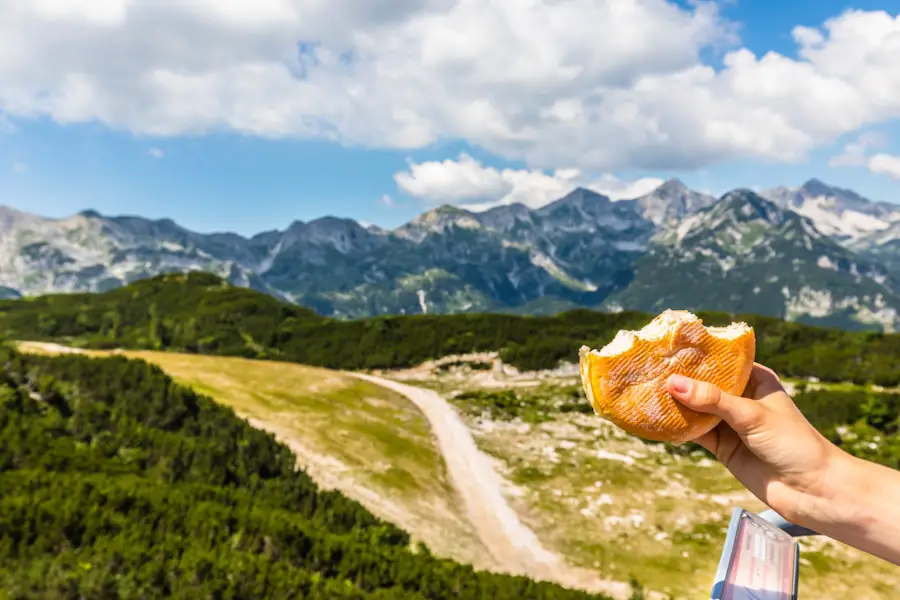
Hydration affects comfort, temperature regulation, and performance, but both too little and too much fluid can cause problems. Start your hike normally hydrated and carry enough water for the route, weather, and availability of reliable water sources.
The National Park Service advises hikers to plan their water needs before leaving and to drink when thirsty. Your needs can increase substantially in hot, dry weather, at altitude, during hard climbing, or when carrying a heavy pack.
Sweat also contains electrolytes, especially sodium. During long, hot, or high-sweat hikes, an electrolyte drink, properly mixed electrolyte product, or salty food paired with water may be useful. Sodium needs differ greatly between people, so there is no single electrolyte dose that fits every hiker.
Coconut water contains fluid and potassium, but it is not automatically equivalent to a sports drink or electrolyte mix because its sodium content can be relatively low and varies by product. Likewise, water with lemon and an unmeasured “pinch” of salt is not a standardized electrolyte formula.
Warning: Do not force yourself to drink excessive amounts in an attempt to prevent dehydration. Overdrinking water or other hypotonic fluids can contribute to dangerous exercise-associated hyponatremia. Drink according to thirst, conditions, and your known needs rather than chasing an arbitrary volume.
Treat Backcountry Water Before Drinking It
Clear mountain water is not necessarily safe. The CDC recommends treating water when you are unsure whether it is safe. Boiling is the most reliable way to kill germs; when boiling is impractical, choose a treatment method appropriate for the organisms likely to be present and follow the product instructions carefully.
The CDC advises bringing clear water to a rolling boil for one minute, or three minutes at elevations above 6,500 feet. It also notes that many portable filters remove parasites but do not necessarily remove all bacteria and viruses, which is why filter-plus-disinfection approaches may be appropriate in some settings.
How Much and How Often to Eat While Hiking
There is no universal calorie target for every hiker. Body size, fitness, pack weight, elevation gain, temperature, speed, and trip duration all change energy needs.
For easy, short hikes, normal meals plus a snack may be sufficient. Once activity becomes long and strenuous, regular carbohydrate intake becomes more useful. The International Society of Sports Nutrition position stand on nutrient timing describes roughly 30–60 grams of carbohydrate per hour during prolonged, demanding exercise as a useful performance-fueling range.
You do not have to eat that amount on every casual hike. Treat it as a starting point for long or hard days and adjust to your pace and stomach tolerance. Eating a small amount every 45–90 minutes often feels easier than waiting until you are exhausted and trying to eat a large meal.
| Type of Hike | Practical Fuel Strategy |
| Easy hike under about 2 hours | Eat normally beforehand and carry a simple snack plus emergency food. |
| Half-day hike | Carry several carbohydrate-rich snacks plus something containing protein or fat for longer-lasting satisfaction. |
| Long, strenuous hike | Eat early and regularly. Around 30–60 g carbohydrate per hour is a useful sports-nutrition starting range for prolonged demanding exercise. |
| Hot or high-sweat hike | Prioritize access to water and consider sodium/electrolyte replacement based on duration and sweat loss. |
| Overnight or multi-day trip | Favor calorie-dense, shelf-stable foods; plan every meal and snack; and carry emergency food. |
The National Park Service recommends carrying food with good nutritional value that does not require cooking and bringing an extra day’s food in case a hike lasts longer than expected.
Fuel before you feel depleted. On a long hiking day, small, familiar snacks eaten regularly are usually easier to tolerate than waiting until hunger and fatigue become severe.
Foods to Limit or Use Carefully While Hiking
Few foods need to be banned from every hiking trip. The better question is whether a food is safe to carry, easy for you to digest, and useful for the kind of hike you are doing.
| Food | Better Guidance |
| Heavy, greasy foods | A large fatty meal immediately before hard climbing may feel heavy or nauseating. Save it for later if you know it bothers your stomach. |
| Sugary snacks | Do not rely on candy as your only food, but quick carbohydrate can be useful during prolonged strenuous hiking. |
| High-sodium foods | Not automatically a problem. Salty foods can help replace sodium during prolonged heavy sweating, although people on sodium-restricted diets should follow medical advice. |
| Dairy products | Fine when shelf-stable or kept safely cold. Do not carry perishable dairy for hours in warm conditions without temperature control. |
| Spicy foods | Only limit them if they commonly trigger reflux, nausea, or urgent bathroom stops for you. |
| Alcohol | Avoid before and during hiking because it can impair balance, judgment, coordination, and safe decision-making. |
Very large servings of beans, cruciferous vegetables, or other high-fiber foods can also cause gas or stomach discomfort in some hikers when eaten immediately before strenuous exercise. They are healthy foods; the concern is individual tolerance and timing, not the foods themselves.
Portable and Lightweight Trail Fuel Options
Weight matters more as hikes become longer. Backpackers therefore tend to favor foods that provide useful energy without carrying much water weight.
- Dried fruit: raisins, dates, apricots, banana chips, and dried mango provide portable carbohydrate.
- Nuts and seeds: calorie-dense and easy to portion.
- Trail mix: combines faster carbohydrate with nuts or seeds.
- Nut or seed butter packets: compact and easy to pair with tortillas or crackers.
- Jerky or shelf-stable protein: convenient protein, but check labels if you have dietary sodium restrictions.
- Crackers, pretzels, tortillas, and bagels: durable carbohydrate sources that pair well with spreads or shelf-stable fillings.
- Energy bars, chews, and gels: useful when you need food that is quick to eat while moving.
- Freeze-dried or dehydrated meals: remove much of the water weight and can provide a practical dinner for backpacking when you have a safe water source and cooking system.
Freeze-dried fruits and vegetables are also compact and easy to mix into oatmeal or eat alone. Their exact vitamin content varies by food, processing, and storage, so their biggest trail advantage is portability rather than a guarantee that every nutrient is fully preserved.
Food Safety on the Trail
Food safety matters whenever you carry meat, dairy, cooked grains, prepared sandwiches, or other perishables. According to the USDA Food Safety and Inspection Service, bacteria grow rapidly between 40°F and 140°F.
Perishable food should not remain in that temperature range for more than two hours, or more than one hour when the outdoor temperature is above 90°F. Use an insulated bag with frozen gel packs or another reliable cold source when carrying food that needs refrigeration.
Whole fresh fruits and vegetables, dried foods, nuts, peanut butter, trail mix, and many unopened shelf-stable products do not require the same refrigeration. This makes them especially convenient for hiking.
- Wash your hands before preparing or eating food when possible.
- If soap and clean water are unavailable, the CDC recommends hand sanitizer containing at least 60% alcohol.
- Keep raw meat separate from ready-to-eat foods when camping and cooking.
- Do not assume food is safe simply because it smells normal.
- For multi-day trips without refrigeration, prioritize foods specifically labeled shelf-stable.
Nutritional Needs for Different Types of Hikes
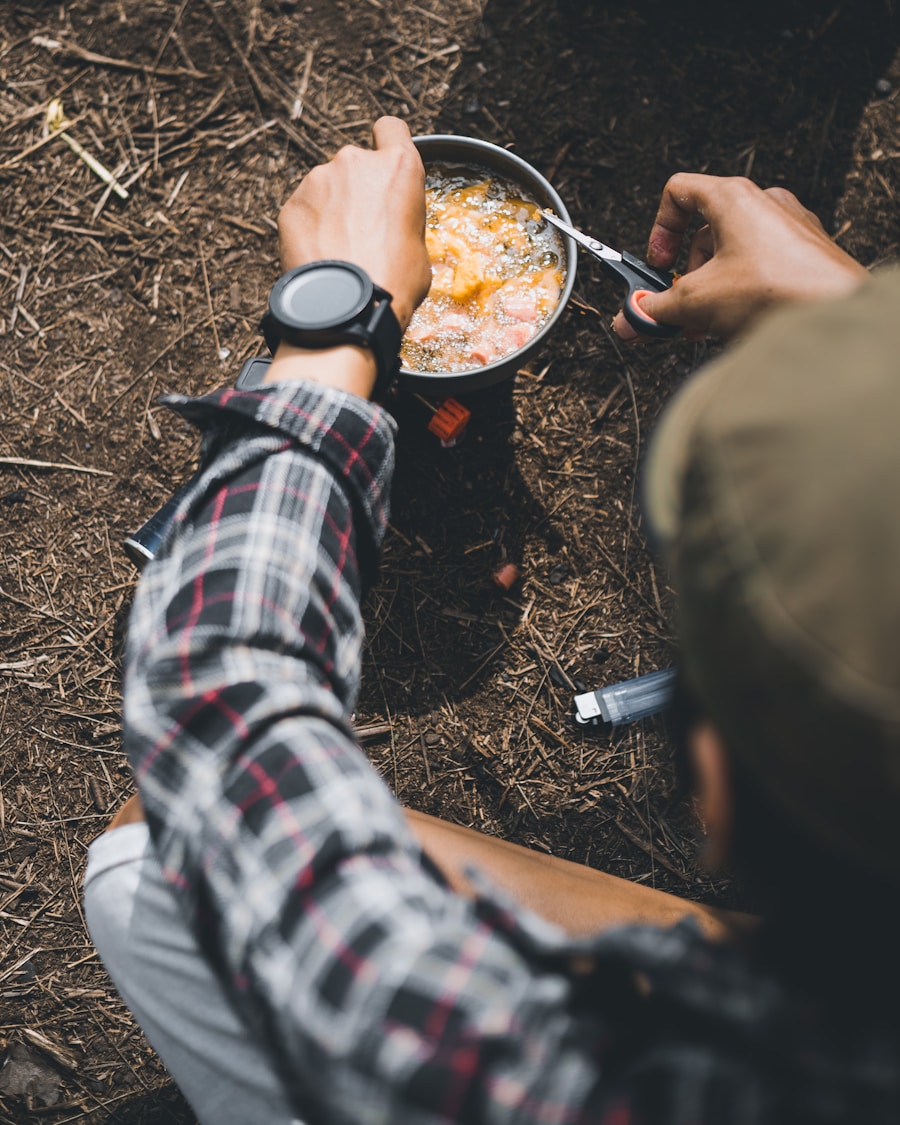
A short day hike and a multi-day backpacking trip do not require the same nutrition strategy. For a relaxed hike lasting only a few hours, a normal breakfast plus fruit, a sandwich, nuts, or another snack may be enough.
Longer and more strenuous hikes place greater demands on carbohydrate stores and total energy intake. Eat regularly rather than saving nearly all of your food for the end of the day. Combining faster carbohydrate sources with foods containing fat and protein can provide both immediate fuel and longer-lasting satisfaction.
Multi-day backpacking adds a second challenge: food weight. Dried and dehydrated foods, instant grains, tortillas, nut butter, dried fruit, nuts, shelf-stable meat or fish pouches, powdered foods, and freeze-dried meals let you carry substantial energy without the weight of fresh water contained in many foods.
Variety is also useful. Eating the same sweet bar all day can create palate fatigue. Alternating sweet, salty, crunchy, and savory foods may make it easier to eat enough during a long trip.
Hot-Weather Hiking
Heat increases fluid needs and often increases sweat sodium losses. Carry enough water for the route, know where safe refill points are located, and adjust food toward easy-to-eat options if heat reduces your appetite. Salty snacks or electrolyte products may be useful during prolonged heavy sweating.
Cold-Weather Hiking
Cold conditions do not eliminate the need to drink or eat. Keep snacks where you can reach them without unpacking your entire bag, and remember that some bars become extremely hard when frozen. Protect water from freezing when conditions require it.
Multi-Day and Remote Hikes
Plan every meal and snack before leaving and carry reserve food. The National Park Service Hike Smart guidance recommends an extra day’s supply of food as part of hiking preparedness.
Recipes for Homemade Trail Snacks
Homemade snacks can be inexpensive and allow you to choose ingredients you already tolerate well.
No-Bake Oat and Peanut Butter Energy Bites
- 1 cup rolled oats
- 1/2 cup peanut butter
- 1/3 cup honey
- 1/3 cup raisins or chopped dried fruit
- 2 tablespoons seeds, such as chia or sunflower seeds
- A small pinch of salt
Mix everything thoroughly and roll the mixture into small balls. Chill them at home until firm and pack them in a sealed container. For warm or multi-day trips, consider a more heat-stable shelf-stable snack because homemade mixtures can soften, melt, or deteriorate in hot conditions.
Homemade Granola Bars
- 2 cups rolled oats
- 1/2 cup chopped nuts or seeds
- 1/2 cup dried fruit
- 1/3 cup honey or maple syrup
- 1/3 cup nut or seed butter
Mix the ingredients, press firmly into a lined baking dish, and refrigerate until firm before cutting into bars. Wrap individual portions so they are easy to reach while hiking. These bars provide carbohydrate, fat, and some protein without requiring utensils.
Note: Peanut butter, tree nuts, sesame, milk, wheat, and other common trail-food ingredients can be serious allergens. Choose substitutes appropriate for your group and prevent cross-contact when packing food for someone with a diagnosed allergy.
Post-Hike Recovery Nutrition
After a demanding hike, carbohydrates help restore glycogen while protein supplies amino acids needed for tissue repair. You do not need to panic if a complete meal is not available within exactly 30 minutes.
Recovery timing becomes more important when you need to perform another long or intense session within only a few hours. The ISSN nutrient-timing position stand recommends more aggressive carbohydrate replacement when rapid glycogen restoration is required.
For most recreational hikers, simply eat a balanced meal or snack reasonably soon after finishing. Useful combinations include:
- Greek yogurt, fruit, and oats
- A smoothie containing milk or a fortified alternative, fruit, and a protein source
- Rice or potatoes with eggs, beans, fish, poultry, tofu, or another protein
- A turkey, tuna, hummus, or nut-butter sandwich with fruit
- Chocolate milk and a banana when appropriate for your dietary needs
Continue drinking according to thirst after the hike. A normal meal supplies fluid, carbohydrate, sodium, potassium, protein, and other nutrients, so a specialized recovery product is not required for most hikers.
Fruits and vegetables such as berries, leafy greens, oranges, peppers, and other colorful produce can also be part of the post-hike meal. Rather than chasing a single “anti-inflammatory” ingredient, aim for an overall balanced diet and adequate recovery between demanding outings.
If fishing is part of your hiking trip, do not rely on catching fish as your primary food plan. Carry enough food to complete the trip safely even if you catch nothing, and follow local fishing regulations plus safe handling and cooking practices for any catch. The existing guide to travel fishing rods may be useful when fishing is already part of your permitted itinerary.
Frequently Asked Questions
What are the best foods to eat when hiking?
Good hiking foods are portable, familiar, easy to eat, and appropriate for the trip length. Trail mix, dried fruit, nuts, nut or seed butter, crackers, tortillas, sandwiches, bananas, jerky, energy bars, and dehydrated meals are all useful options. Long strenuous hikes benefit from regular carbohydrate intake.
How often should I eat when hiking?
On a short easy hike, you may need only one snack. During a long or strenuous hike, eating a small amount roughly every 45–90 minutes can help prevent a late energy slump. Sports-nutrition guidance commonly uses about 30–60 grams of carbohydrate per hour for prolonged demanding exercise, adjusted for intensity and tolerance.
What should I drink when hiking?
Water is appropriate for many hikes. Drink according to thirst, weather, effort, and your normal sweat needs. On long, hot, or high-sweat hikes, an electrolyte drink or salty food paired with water may help replace sodium lost in sweat. Avoid forcing excessive fluid.
Do I need electrolytes for hiking?
Not necessarily for every short hike. Electrolyte replacement becomes more relevant when you hike for several hours, sweat heavily, or exercise in hot conditions. Needs vary, particularly for sodium, so follow product directions and avoid assuming that more electrolytes are always better.
Are there any foods to avoid when hiking?
Avoid spoiled or improperly stored food and limit anything that reliably causes nausea, reflux, bloating, or other digestive trouble for you. Very heavy meals may be uncomfortable before hard climbing, but sugar, sodium, dairy, fruits, and vegetables do not need to be universally banned.
Can I bring fresh fruit, vegetables, or dairy on a hike?
Yes. Whole fruits and many vegetables are convenient day-hike foods. Perishable dairy and prepared foods need safe temperature control. USDA recommends keeping cold perishables at 40°F or below and limiting time in the 40–140°F danger zone to two hours, or one hour when temperatures are above 90°F.
How can I pack food for a long hike?
Divide food into easy-to-reach portions and favor shelf-stable, calorie-dense choices such as nuts, dried fruit, tortillas, nut butter, bars, jerky, instant grains, tuna or chicken pouches, and dehydrated meals. Plan each day’s meals and snacks before leaving and carry reserve food for delays or emergencies.
Is stream water safe to drink while hiking?
Do not assume it is safe because it looks clear. The CDC recommends treating water when its safety is uncertain. Boiling is the most reliable method for killing germs, while filters and disinfectants differ in which parasites, bacteria, and viruses they remove.
Sources
- National Park Service — Hike Smart — hiking food, water, emergency-food, and general preparedness guidance.
- USDA Food Safety and Inspection Service — Food Safety While Hiking, Camping & Boating — outdoor food storage, perishables, and shelf-stable food guidance.
- Centers for Disease Control and Prevention — Water Treatment When Hiking, Camping, or Traveling — backcountry water treatment and sanitation.
- American College of Sports Medicine Joint Position Statement — Nutrition and Athletic Performance — evidence-based sports nutrition and fueling principles.
- International Society of Sports Nutrition — Nutrient Timing Position Stand — carbohydrate intake during prolonged exercise and post-exercise recovery.
- National Athletic Trainers’ Association — Fluid Replacement for the Physically Active — hydration, overhydration, sweat losses, and exercise-associated hyponatremia.

