
Last Updated on July 27, 2026 by Daniel Globe
Hiking snacks should do more than stop your stomach from growling. The best trail foods are easy to carry, simple to eat, suited to the weather, and able to provide energy when the terrain gets harder. A little planning also helps you avoid spoiled food, unnecessary pack weight, and running short if your hike takes longer than expected.
Quick Answer
Good hiking snacks include trail mix, nuts, dried fruit, nut butter packets, crackers, granola or energy bars, jerky, and other foods that travel well. For longer hikes, combine carbohydrate-rich foods for usable energy with some protein and fat, carry enough water, and choose shelf-stable foods unless you can keep perishables properly chilled.
Key Takeaways
- Choose hiking snacks that are portable, durable, easy to digest, and appropriate for the length and intensity of your hike.
- Carbohydrates are especially useful during activity, while protein and fat can add staying power and support overall nutrition and recovery.
- Shelf-stable foods are simplest for warm-weather hikes; perishable foods must be kept cold enough to remain safe.
- Hydration needs change with heat, humidity, effort, elevation, body size, and sweat rate, so there is no single water amount that fits every hiker.
- Pack out wrappers, crumbs, peels, and leftovers, and follow local wildlife food-storage rules.
Disclosure: As an Amazon Associate I earn from qualifying purchases. Some links on this page are affiliate links, at no extra cost to you.
Nutritional Requirements for Hiking
Hiking increases your energy needs, especially when you are climbing, moving quickly, carrying a heavy pack, or staying on the trail for many hours. The three main macronutrients—carbohydrates, fat, and protein—each play a different role.
Sports-nutrition guidance from the Academy of Nutrition and Dietetics, Dietitians of Canada, and the American College of Sports Medicine emphasizes matching food and fluid intake to the demands of physical activity rather than relying on one nutrient alone.
- Carbohydrates: Foods such as dried fruit, oats, crackers, tortillas, granola, and bars provide carbohydrate that can help fuel working muscles. Easier-to-digest carbohydrate foods are often useful during strenuous sections of a hike.
- Fat: Nuts, seeds, nut butters, and similar foods provide concentrated energy and can make snacks more satisfying. Very rich foods may feel heavy for some people immediately before a hard climb, so use foods you already know you tolerate well.
- Protein: Jerky, nuts, seeds, nut butter, shelf-stable meat or fish pouches, and protein-containing bars can contribute protein to your overall diet and support recovery after prolonged activity.
Note: Trail nutrition is individual. People with diabetes, kidney or heart conditions, food allergies, gastrointestinal disorders, or medical restrictions affecting fluid, sodium, or carbohydrate intake should follow their clinician’s individualized advice.
What to Eat Before, During, and After a Hike
Before a longer or more demanding hike, eat a familiar meal that gives you enough carbohydrate and includes some protein without being unusually heavy or greasy. Oatmeal with fruit and nut butter, toast with eggs, yogurt with granola, or a rice-based meal can all work depending on your preferences.
During the hike, small amounts of food eaten periodically are often easier to tolerate than waiting until you are exhausted and then eating a very large meal. Easy trail options include dried fruit, crackers, pretzels, trail mix, bars, nut butter, or a sandwich when temperature control is available.
After a strenuous hike, a normal meal or snack containing both carbohydrate and protein can help replenish energy stores and support recovery. There is no need for a specialized recovery product if ordinary food meets your needs.
Portable and Lightweight Hiking Snack Options
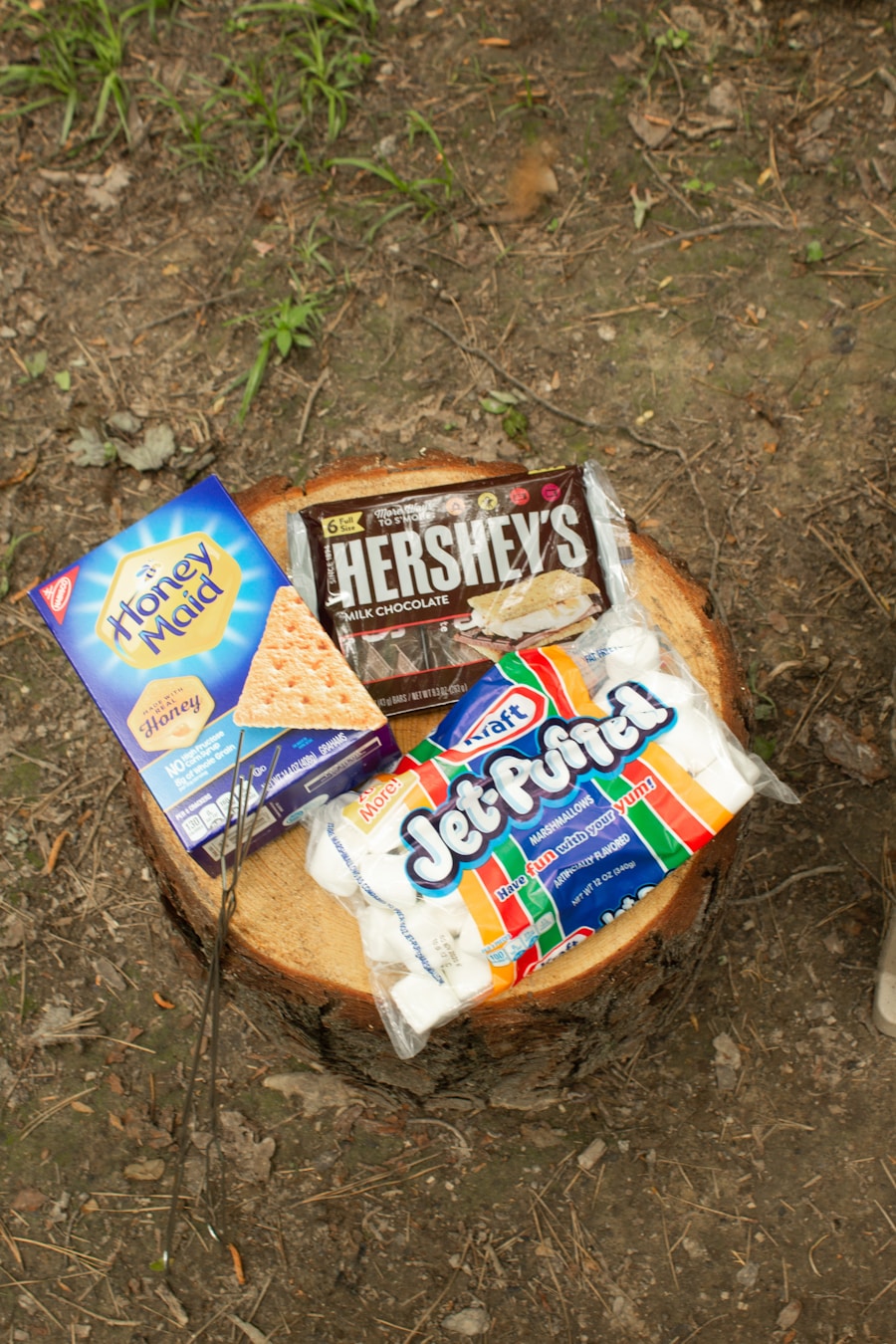
Portability matters because every item has to fit in your pack and travel over uneven terrain. Choose foods that will not leak, crush easily, or become unsafe as the day warms.
National Park Service hiking guidance recommends carrying nutritious food that does not need cooking and specifically mentions snacks such as trail mix, nuts, and granola bars.
- Trail mix: Nuts, seeds, dried fruit, cereal, pretzels, or chocolate can be mixed to suit your taste. The nutrient balance depends on what you put in it.
- Nuts and seeds: Compact, durable, and easy to portion into small bags.
- Dried fruit: Lightweight and rich in carbohydrate. Pair it with nuts, seeds, or nut butter when you want a more filling snack.
- Granola and energy bars: Convenient and compact. Check the label if you have allergies or want a particular amount of carbohydrate or protein.
- Crackers, pretzels, or tortillas: Useful savory carbohydrate options. Tortillas often travel better than soft sandwich bread.
- Nut or seed butter packets: Compact and easy to combine with crackers, tortillas, or fruit. Check individual package storage instructions.
- Jerky: A portable protein option when it is commercially shelf-stable. Follow the package directions after opening.
- Shelf-stable tuna or chicken pouches: Useful for a more substantial trail meal, especially with crackers or tortillas. Once opened, eat promptly rather than carrying warm leftovers.
Pro Tip: Pack at least one savory option as well as sweet snacks. After several hours of bars and dried fruit, crackers, pretzels, jerky, nuts, or a tortilla can be much more appealing.
How Much Food Should You Pack for a Hike?
There is no universal calorie number that works for every hiker. Food needs change with body size, trip duration, pace, elevation gain, temperature, pack weight, and how much you ate before leaving.
A better approach is to plan your normal meals around the expected trip length, add several easy-to-reach snacks for longer outings, and carry an emergency margin. The National Park Service recommends considering how long you will be out and carrying an extra day’s supply of food in case plans change.
| Hike Type | Practical Food Approach |
|---|---|
| Short outing | Carry water plus a compact snack or emergency food even when you expect to return before a meal. |
| Half-day hike | Bring several snack choices so you have carbohydrate for energy plus some protein or fat for variety and staying power. |
| Full-day hike | Plan a real meal or substantial snack in addition to smaller trail foods, then add an emergency reserve. |
| Overnight or multi-day trip | Prioritize calorie-dense, shelf-stable foods, plan every meal, confirm cooking and water needs, and follow all required wildlife-storage rules. |
Homemade Hiking Snack Ideas
Homemade hiking snacks let you choose the ingredients, portion size, sweetness, salt level, and allergens. They can also reduce packaging when portions are prepared in reusable containers.
| Snack Name | Ingredients | Approx. Preparation Time | Trail and Storage Note |
|---|---|---|---|
| Energy Balls | Dates, nuts, cocoa powder, coconut flakes | About 15 minutes | Convenient for day hikes; exact calories depend on ingredient quantities and portion size. |
| Vegetable Sticks with Hummus | Carrots, cucumbers, bell peppers, chickpeas, tahini | About 10 minutes | Best for short outings when the hummus can be kept properly chilled. |
| Popcorn with Seasoning | Popcorn kernels, olive oil, nutritional yeast, paprika | About 5 minutes after popping | Lightweight but bulky and easy to crush; pack in a rigid or partly inflated container if needed. |
| Fruit Salad | Strawberries, blueberries, kiwi, pineapple, mint leaves | About 10 minutes | Refreshing but perishable after cutting; carry it in a cold insulated container and eat it early. |
Energy balls can also be made with oats, nut or seed butter, honey or another binder, and add-ins such as dried fruit or chocolate chips. Chill them before packing so they hold together better.
Homemade granola bars are another practical option. Oats, nuts, seeds, dried fruit, and a binder such as nut butter or syrup can be pressed and baked or chilled before cutting into packable portions.
Homemade jerky can be convenient, but meat dehydration requires careful food-safety practices. When you do not have a tested jerky recipe and reliable dehydration process, commercially prepared shelf-stable jerky is the simpler choice for the trail.
Pre-Packaged Hiking Snack Options
Pre-packaged foods can save preparation time and make portioning easier. They are especially useful when you need snacks that can stay in a backpack for hours without refrigeration.
Nut or seed butter packets provide a compact source of fat and some protein. Energy and protein bars can supply carbohydrates plus varying amounts of fat and protein, while commercially shelf-stable jerky offers a savory alternative. Always check the label for allergens and storage directions.
For longer hikes and overnight trips, dehydrated or freeze-dried meals can reduce food weight compared with many high-water foods. Most require water and some require heating, so include their water and fuel requirements in your trip plan rather than treating them as ready-to-eat snacks.
Other convenient choices include dried fruit, roasted chickpeas, crackers, pretzels, shelf-stable meat or fish pouches, instant oatmeal, and individually packaged foods that you know sit well during exercise.
Hydration and Snacking
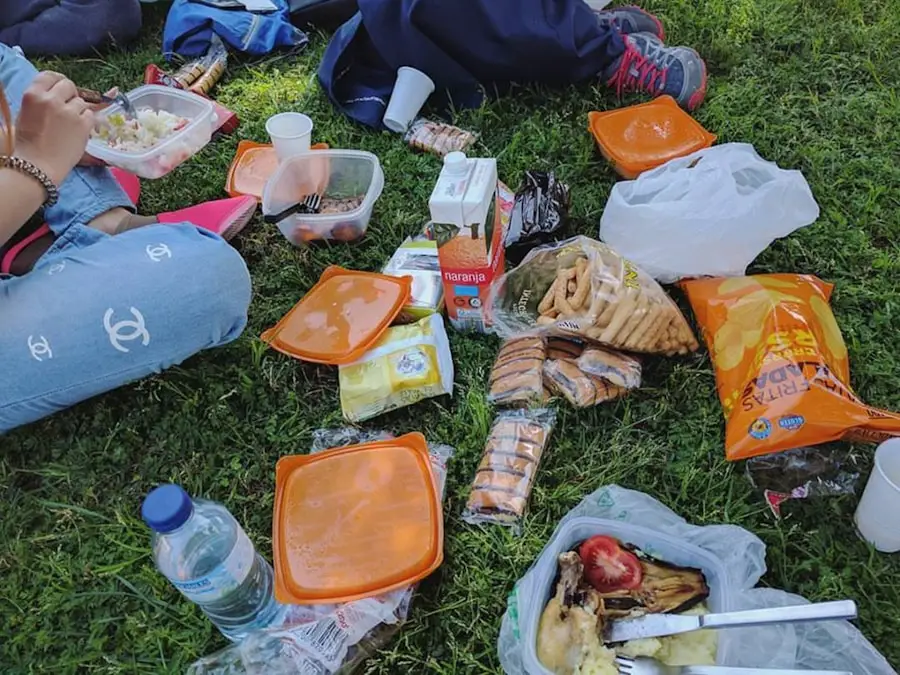
Food and hydration work together on the trail. Your fluid needs rise when you are more physically active and can increase further in hot weather. The CDC notes that the body needs more water during physical activity and in hot climates.
Drink According to the Conditions
Start your hike adequately hydrated and carry enough safe drinking water for the route. During ordinary hiking, pay attention to thirst and how you feel rather than forcing yourself to drink a rigid amount that ignores body size, weather, effort, and sweat rate. National Park Service hiking guidance advises hikers to drink as they are thirsty.
Hot weather and prolonged strenuous activity require more deliberate planning because fluid losses can become much greater. Know whether reliable water is available on your route and carry an appropriate treatment method when you may need to use backcountry water.
When Electrolytes May Help
Plain water is often adequate for shorter outings in moderate conditions. During prolonged sweating that lasts for several hours, replacing electrolytes as well as fluid can become more useful. NIOSH heat guidance recommends balanced electrolyte drinks when sweating continues for several hours.
Electrolytes can come from drink mixes and ordinary salty foods. They do not need to be added to every short hike, and drinking excessive amounts of either plain water or electrolyte beverages is not safer than drinking appropriately for your needs.
Warning: Severe headache, confusion, fainting, repeated vomiting, inability to keep fluids down, or other signs of serious heat illness require prompt action and may require emergency medical help. Do not try to solve severe symptoms by simply forcing more water.
Food Safety on the Trail
Food that travels well is not automatically food that stays safe. Shelf-stable snacks such as nuts, dried fruit, unopened commercial jerky, crackers, trail mix, and many bars are easier to manage in warm conditions than foods that require refrigeration.
According to the USDA Food Safety and Inspection Service, cold perishable foods should be kept at 40°F or below. Perishable food should generally not remain in the 40°F–140°F danger zone for more than 2 hours, or more than 1 hour when the temperature is above 90°F.
This matters for foods such as deli-meat sandwiches, yogurt, hummus, cooked meat, dairy products, and cut fruit. A resealable bag keeps crumbs or leaks under control, but it does not replace refrigeration. Use an insulated container with ice or frozen gel packs when you want to carry perishables.
Warning: Do not rely on smell, appearance, or taste to decide whether improperly stored perishable food is safe. When temperature control has failed or you are unsure how long food has been warm, discard it.
Whole Fruit vs. Cut Fruit
Whole apples, oranges, and other durable fruits can be practical day-hike foods and do not belong on a blanket “avoid” list. The tradeoff is weight because fresh fruit contains a lot of water. Dried fruit is lighter for backpacking.
Once fruit has been cut or prepared into fruit salad, treat it as a perishable food and keep it appropriately cold.
Snack Planning and Preparation
Before packing food, consider how long the hike should take, how hard the terrain is, the forecast, whether you will have access to safe water, and whether delays could keep you outside longer than planned.
Divide snacks into portions that are easy to reach without unpacking your entire bag. Resealable bags and small containers can reduce mess, but place foods that can leak in a second protective bag.
Bring foods you have eaten before. A remote trail is a poor place to discover that a new energy gel, protein bar, spicy jerky, or large serving of dried fruit upsets your stomach.
Pro Tip: Keep one compact emergency snack separate from the food you expect to eat. That makes it less likely that you will casually finish your reserve early in the hike.
Food and water should take priority over electronics, but many hikers also use a phone for maps, photos, or emergency communication. For trips where charging matters, the existing guide to Best Power Bank for International Travel can help you compare portable power options before leaving home.
Dietary Preferences and Food Allergies
Hiking snacks can be adapted to vegetarian, vegan, gluten-free, dairy-free, or nut-free diets without relying on one specialty product. Start with foods you already use safely at home and read labels carefully because bars, trail mixes, jerky alternatives, and packaged snacks can contain common allergens or be made on shared equipment.
For a nut-free trail mix, consider combinations such as roasted seeds, dried fruit, pretzels or cereal that meet your dietary needs. For vegetarian or vegan protein, options can include roasted chickpeas, soy-based snacks, seed butter, nuts or seeds when appropriate, and suitable protein bars.
If you have a severe food allergy, keep emergency medication accessible rather than buried under other gear and make sure hiking partners know where it is and how your emergency plan works.
Snacking Etiquette on the Trail
Take snack breaks where you can step safely off a narrow travel path without trampling sensitive vegetation or blocking other hikers. Keep small wrappers secure because wind can carry lightweight packaging away quickly.
Leave No Trace guidance says to pack out trash, leftover food, and litter. That includes fruit peels, nutshells, crumbs, food scraps, and wrappers even when an item seems biodegradable.
Food can also affect wildlife. National Park Service bear-safety guidance advises visitors to pack out food scraps and follow the food-storage requirements of the specific area they visit. Some destinations require approved bear-resistant containers or other prescribed storage methods.
Note: Check the rules for your exact park, forest, or wilderness area before leaving home. Food-storage requirements differ by location, and a storage method that is allowed in one area may be prohibited in another.
Frequently Asked Questions
What are the best foods to pack for hiking?
Good choices include trail mix, nuts, dried fruit, crackers, pretzels, granola or energy bars, nut or seed butter packets, commercially shelf-stable jerky, and durable whole fruit. For longer trips, add more substantial shelf-stable meals or foods such as tortillas and unopened meat or fish pouches.
How can I ensure my food stays fresh while hiking?
Choose shelf-stable foods whenever possible. Keep perishable foods at 40°F or below in an insulated container with a cold source. USDA guidance says perishables should generally not remain in the 40°F–140°F danger zone for more than two hours, or one hour when outdoor temperatures exceed 90°F.
What are some lightweight and easy-to-carry foods for hiking?
Dried fruit, nuts, seeds, trail mix, crackers, tortillas, bars, jerky, nut or seed butter packets, and dehydrated foods pack well for their size. Foods with less water generally weigh less than equivalent portions of fresh foods, although your final choice should also consider nutrition, taste, storage, and preparation needs.
How can I stay hydrated while hiking?
Start hydrated, carry enough safe drinking water for the route, and adjust your intake for heat, humidity, exertion, elevation, and your own sweat rate. Pay attention to thirst and how you feel. During prolonged heavy sweating lasting several hours, an electrolyte-containing drink or appropriate salty foods may help replace lost electrolytes.
Are there any foods to avoid packing for hiking?
Avoid foods that spoil quickly unless you can keep them safely cold, as well as fragile or messy foods that will not survive your pack. Chocolate may melt in hot weather but can be fine in cooler conditions. Whole fruit can work well on a day hike; cut fruit needs cold storage. Heavy canned foods are safe when intact but usually inefficient for backpacking because of their weight.
How much food should I bring on a hike?
Base your food on the expected trip length, effort, weather, and your normal appetite rather than one universal calorie target. Pack enough for your planned meals and snacks plus emergency food in case you are delayed. For backcountry preparation, the National Park Service recommends carrying an extra day’s food supply.
Do I need electrolyte drinks on every hike?
No. Plain water is often sufficient for shorter hikes in moderate weather. Electrolyte replacement becomes more useful when you are sweating heavily for several hours or have another reason to replace substantial salt losses. Choose the amount and product according to conditions and your individual needs.
Sources
- National Park Service — Hike Smart — hiking food, water, emergency food, and general trail-safety guidance.
- USDA Food Safety and Inspection Service — Food Safety While Hiking, Camping & Boating — safe temperatures, perishables, and shelf-stable trail foods.
- Centers for Disease Control and Prevention — About Water and Healthier Drinks — hydration and increased fluid needs during physical activity and hot weather.
- NIOSH — Heat Stress Recommendations — hydration and electrolyte guidance during prolonged sweating.
- Leave No Trace — Dispose of Waste Properly — packing out food scraps, leftovers, and litter.
- National Park Service — Bear Safety: Storing Food — wildlife-safe food handling and location-specific storage requirements.

