
Last Updated on July 27, 2026 by Daniel Globe
Food can make the difference between an enjoyable Appalachian Trail hike and a long day of low energy, poor concentration, and an unnecessarily heavy pack. The best trail foods provide plenty of energy for their weight, survive inside a backpack, require little preparation, and are foods you will actually want to eat after hours of hiking.
Quick Answer
Good Appalachian Trail foods include nuts, nut butter, dried fruit, tortillas, tuna or chicken packets, jerky, energy bars, oatmeal, ramen, instant potatoes, dehydrated meals, and other calorie-dense shelf-stable foods. Pack a mix of carbohydrates, protein, fat, salty foods, and treats, then adjust quantities to your mileage, appetite, weather, and resupply schedule.
Key Takeaways
- Choose lightweight, calorie-dense foods that remain safe without refrigeration.
- Nuts, seeds, dried fruit, nut butter, tortillas, bars, jerky, tuna packets, oatmeal, ramen, and dehydrated meals are practical trail staples.
- There is no single calorie target that fits every A.T. hiker; food needs change with body size, mileage, terrain, weather, pack weight, and appetite.
- Treat natural water sources before drinking, cooking, or cleaning with them.
- Follow current food-storage rules for the section you are hiking; the Appalachian Trail Conservancy recommends bear-resistant canisters for overnight A.T. trips.
The official Appalachian Trail length for 2026 is 2,197.9 miles, running through 14 states from Springer Mountain, Georgia, to Katahdin, Maine.
Disclosure: As an Amazon Associate I earn from qualifying purchases. Some links on this page are affiliate links, at no extra cost to you.
Nutritious and Lightweight Appalachian Trail Food
Backpacking food has to do more than taste good. It must provide useful energy without filling your pack with unnecessary weight or requiring refrigeration. For a day hike, you can be more flexible. For a multi-day A.T. trip, shelf-stable foods usually make the most sense.
Lightweight Snack Options
Nuts such as almonds, peanuts, cashews, pecans, and walnuts are popular because they combine fat, protein, and calories in a small package. Nut-butter packets provide similar benefits without requiring a jar. Crackers, pretzels, granola, jerky, cheese that is suitable for your expected storage conditions, and tortillas can add variety.
Pairing carbohydrates with fat or protein can make snacks more satisfying than eating candy or dried fruit alone. For example, combine raisins with peanuts, a tortilla with peanut butter, or crackers with a tuna packet.
Nutrient-Rich Seeds
Pumpkin, sunflower, chia, and flax seeds can add calories, texture, fat, protein, and minerals to trail food. They work well in homemade trail mix, oatmeal, or a no-cook breakfast. Seeds are especially useful for hikers who want alternatives to some tree nuts, although anyone with food allergies should always verify product labels and cross-contact warnings.
Dried Fruits for Quick Energy
Dried apricots, raisins, cranberries, figs, mangoes, dates, and banana chips are compact sources of carbohydrates. They can provide quick energy during climbs and are easy to eat while moving.
Dried fruit is more concentrated than fresh fruit because much of its water has been removed, so portions can contain substantial calories and sugar. Balance it with nuts, seeds, jerky, or another protein- or fat-containing food rather than relying on dried fruit alone.
How Much Food Should You Pack?
There is no universal calorie number for Appalachian Trail hikers. A smaller hiker covering moderate mileage in cool weather may need much less food than a larger thru-hiker walking long days through steep terrain. Appetite can also increase as a long-distance hike continues.
Instead of treating a number such as 3,000 or 5,000 calories as a rule, test your menu on training hikes. Record what you actually eat, what comes home untouched, and when you feel hungry or low on energy. Use that experience to adjust your next food carry.
Pro Tip: Organize one complete day’s food before a trip. Seeing breakfast, lunch, dinner, and snacks together makes it much easier to spot an unrealistically small food supply or unnecessary extras.
For longer A.T. hikes, also consider the distance to your next realistic resupply point. The Appalachian Trail Conservancy notes that backpackers on trips longer than roughly four to seven days commonly resupply along the way through stores, outfitters, mailed food boxes, or a combination of methods.
Preparing Homemade Trail Mix
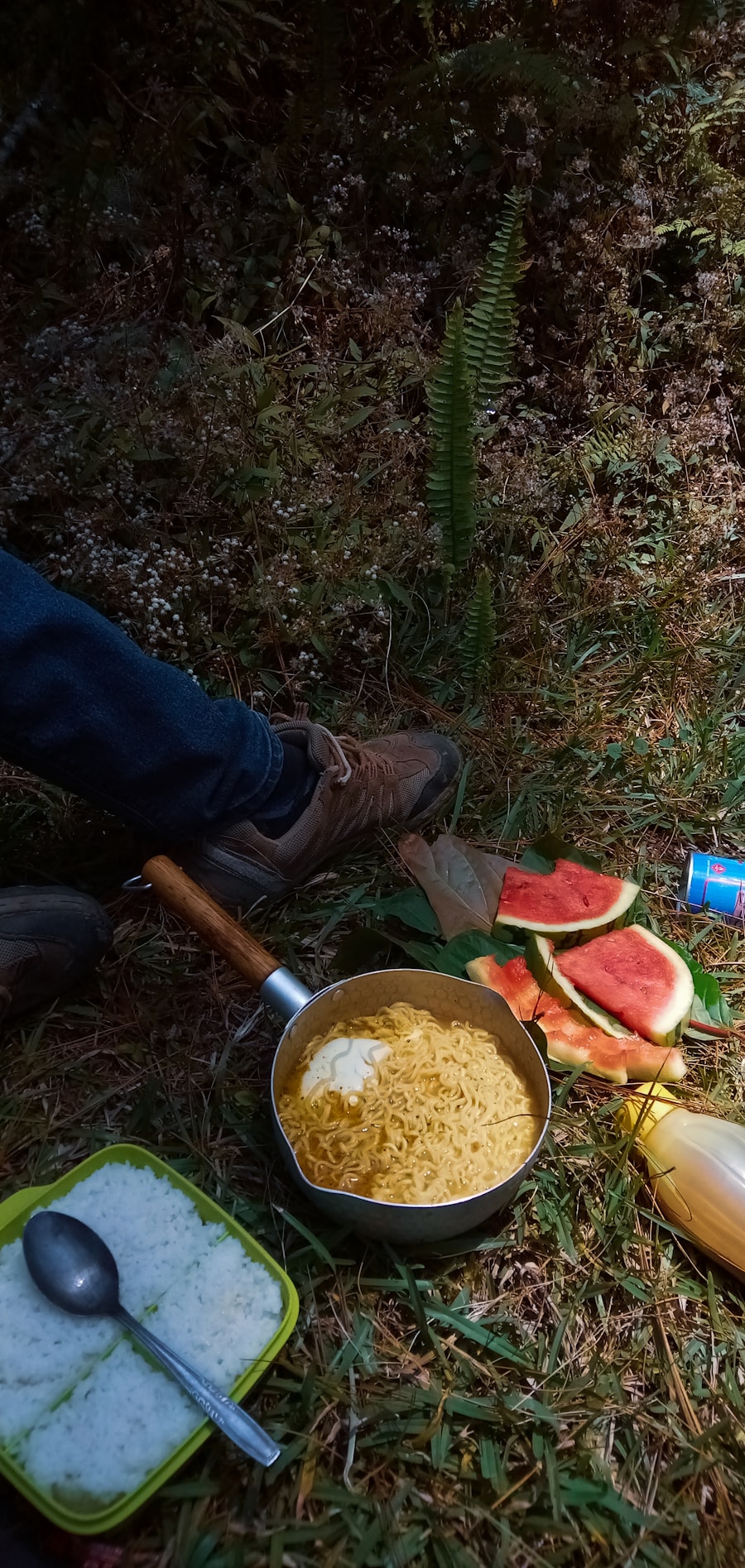
Trail mix is one of the easiest hiking snacks to customize. A homemade blend lets you control flavor, allergens, sweetness, salt, and calorie density rather than carrying several separate snack bags.
Start with nuts such as almonds, cashews, peanuts, walnuts, or pecans. Add seeds such as pumpkin or sunflower seeds, then mix in dried fruit such as raisins, cranberries, chopped apricots, or banana chips. Dark chocolate, chocolate candies, coconut, pretzels, or cereal can add variety.
Chia or ground flaxseed can add nutritional value, but loose tiny seeds are awkward to eat from trail mix. They usually work better stirred into oatmeal or another meal.
Mix a larger batch at home and divide it into resealable portions. Smaller bags make it easier to reach a snack without repeatedly opening your entire food supply.
Note: Chocolate and yogurt-style coatings can soften or melt in a hot backpack. For summer hikes, place melt-prone foods deeper inside the pack or choose heat-stable alternatives.
Energy Bars and Protein-Packed Snacks
Energy and protein bars are convenient because they require no preparation and fit easily into a hip-belt pocket. However, there is no need to choose a bar simply because its package uses words such as “energy” or “protein.” Compare calories, carbohydrates, protein, fat, sodium, fiber, added sugars, allergens, serving size, and—most importantly—whether you enjoy eating it.
The figures below are examples for specific currently sold flavors. Nutrition formulas can change, so check the package you actually buy before relying on a number.
| Product example | Calories | Protein (g) | Total sugars (g) |
|---|---|---|---|
| CLIF BAR Chocolate Chip | 250 | 10 | 17 |
| KIND Protein Crunchy Peanut Butter | 250 | 12 | 7 |
| LARABAR Apple Pie | 200 | 4 | 18 |
| RXBAR Peanut Butter Chocolate | 210 | 12 | 14 |
Homemade bars are another option. Rolled oats, nut or seed butter, dried fruit, honey or another binder, and optional protein powder can create a compact snack. Keep homemade foods protected from moisture and heat, and consider their ingredients carefully if they contain foods that normally require refrigeration.
Dehydrated Fruits and Vegetables
Dehydrated fruits and vegetables are useful hiking foods because removing water reduces their weight and increases shelf life. Apples, bananas, mangoes, berries, carrots, peas, corn, and dehydrated greens can all fit into a backpacking menu.
Dehydration does not preserve every nutrient equally, so these foods should not be described as nutritionally identical to fresh produce. Their biggest trail advantages are low weight, compact size, shelf stability, flavor, and easy preparation.
Eat dried fruit by itself or add it to trail mix, oatmeal, granola, or couscous. Dehydrated vegetables can be added to ramen, instant potatoes, rice, soup, or other hot meals. With enough water and rehydration time, they can turn a basic packaged meal into something more substantial.
A Simple One-Day Appalachian Trail Food Example
A practical trail menu does not need to be complicated. One day might look like this:
- Breakfast: Instant oatmeal with powdered milk or protein powder, raisins, nuts, and coffee.
- Morning snack: Energy bar and dried fruit.
- Lunch: Tortilla with peanut butter, or a tortilla with a shelf-stable tuna or chicken packet.
- Afternoon snacks: Trail mix, jerky, crackers, pretzels, or candy.
- Dinner: Ramen, couscous, instant potatoes, or a dehydrated backpacking meal with added dehydrated vegetables.
- Evening snack: Nuts, chocolate, cookies, or another food you consistently look forward to eating.
The Appalachian Trail Conservancy’s own sample backpacking menu similarly includes foods such as tortillas, tuna packets, cheese, ramen, dried fruit, nuts, granola bars, and protein bars.
Hydration and Electrolyte Replenishment
Hydration: The Foundation of a Safe Hike
Food and water planning should happen together. Hiking increases fluid needs, especially in hot weather, direct sun, high humidity, steep terrain, or when carrying a heavy pack. Dehydration can contribute to fatigue, headache, dizziness, and heat illness.
There is no single amount of water that every hiker should drink each hour. Conditions, body size, sweat rate, exertion, and distance between water sources all matter. Carry enough capacity for your route and refill before long dry stretches.
The Appalachian Trail Conservancy recommends having capacity for at least two liters, while noting that the amount you actually need to carry depends on terrain, weather, distance, and available water sources.
Water Treatment on the Appalachian Trail
Natural A.T. springs and streams can look perfectly clean and still contain organisms that cause illness. ATC advises treating or filtering backcountry water before using it for drinking, cooking, or cleaning.
Warning: Do not assume clear mountain water is safe to drink untreated. Carry a reliable filter, purifier, chemical treatment, or another appropriate treatment method, and know how to use it before your hike.
The Role of Electrolytes
Water is sufficient for many shorter or cooler hikes, particularly when you are also eating normal meals and salty snacks. During long, hot, or very sweaty hiking days, a drink mix or food containing sodium and other electrolytes may be useful.
Electrolyte powders and tablets are convenient because they add little pack weight. Salty foods such as pretzels, crackers, soup, ramen, jerky, and salted nuts also contribute sodium. Coconut water can provide fluid and potassium, but its electrolyte profile differs from many sports drinks, so it should not automatically be treated as a complete replacement for salty foods or a sodium-containing drink during heavy sweating.
More water is not always better. Avoid forcing excessive amounts of plain water simply to meet a rigid target. Drink according to conditions and your needs while maintaining normal food and electrolyte intake.
On-the-Go Meal Ideas
For longer hikes, meals should be chosen according to both convenience and food safety.
Whole-grain tortillas with nut butter and banana can work well on shorter outings, although fresh banana bruises easily and is best eaten early. Shelf-stable tuna or chicken packets, nut butter, crackers, tortillas, jerky, hard or shelf-stable foods appropriate to the conditions, and packaged spreads are more practical for multi-day backpacking.
Quinoa salad jars, deli turkey sandwiches, fresh dairy products, and similar meals can be enjoyable on a day hike only when you can keep them safely cold. According to the USDA Food Safety and Inspection Service, perishable foods should be kept at 40°F or below. Foods held in the 40°F–140°F danger zone should generally not remain there longer than two hours, or one hour when the temperature is above 90°F.
Warm soup or stew can also work for a short outing if a suitable insulated food container keeps it safely hot. For multi-day backpacking, dehydrated soup or another shelf-stable meal that you prepare at camp is normally much easier to manage.
Stove, Cold-Soak, or No-Cook?
A stove expands your menu to oatmeal, ramen, instant potatoes, couscous, soup, pasta, and dehydrated meals. No-cook hikers often use tortillas, nut butter, tuna packets, bars, trail mix, jerky, crackers, and similar shelf-stable foods. Cold-soaking can prepare certain oats, couscous, ramen, and other foods without fuel, but only use foods that are suitable for that method and maintain clean food-handling practices.
Before relying on a stove, check current fire restrictions and rules for the land-management area you will cross.
Appalachian Trail Resupply Strategy
A thru-hiker does not carry months of food from Georgia to Maine. The A.T. crosses roads and passes near many trail towns, allowing hikers to resupply repeatedly.
Common strategies include:
- Buying as you go: Shop at grocery stores, convenience stores, and outfitters near the Trail.
- Mailing resupply boxes: Prepare food at home and send boxes to selected businesses or post offices that accept hiker packages.
- Combining both methods: Buy ordinary foods in well-supplied towns and mail boxes only where dietary restrictions or limited shopping make them useful.
Check current business hours and package policies before depending on a mail drop. A long-distance hike is easier when the menu remains flexible enough to change as appetite and food preferences change.
Bear-Safe Food Storage on the Appalachian Trail
Food storage is not simply a matter of choosing between a bear bag and a canister. Requirements vary by A.T. section, and hikers must follow the regulations for the land they are camping on.
The Appalachian Trail Conservancy’s current food-storage guidance says requirements are in place on about half of the Trail and recommends that overnight hikers use a bear-resistant canister throughout their A.T. trip.
Where a bear box, cable, or pole is provided, use the required storage system. Store not only food but also trash, food waste, cookware when appropriate, and scented items such as toiletries according to local rules. Never leave unsecured food unattended in camp.
Warning: Food-storage requirements can change because of bear activity. Check current A.T. alerts and the regulations for every section where you plan to camp rather than relying on an old guidebook or a single trail-wide rule.
Tips for Storing and Packing Hiking Snacks
Use resealable bags or lightweight containers to protect foods from moisture, crumbs, and leaks. Repack bulky commercial packaging when it is safe to do so, but retain preparation directions or allergen information that you may need later.
Divide frequently eaten snacks into easy-to-reach portions. Snacks for the current hiking day can go near the top of your food supply, while later meals can remain packed deeper.
Keep foods that may melt, crush, or leak away from the warm outside surfaces of your pack. Chocolate may soften in summer, crackers can turn to crumbs, and nut-butter packets can leak when punctured.
For perishable day-hike foods, use adequate ice or frozen gel packs rather than assuming an ordinary backpack or thin insulated bag will remain cold enough.
Finally, pack out every wrapper, leftover food item, peel, and crumb you reasonably can. Food scraps can attract wildlife just as packaging can, and keeping a clean campsite is an important part of preventing wildlife from associating hikers with food.
Planning for Allergies and Dietary Restrictions
Vegetarian, vegan, gluten-free, kosher, low-lactose, and other dietary approaches can all be managed on the Trail, but they require more careful resupply planning when store selection is limited.
Read labels on bars, trail mix, jerky, ramen, instant meals, protein powders, and drink mixes. Nuts, peanuts, milk, soy, wheat, eggs, and sesame are common ingredients in trail foods, and cross-contact warnings matter for hikers with serious allergies.
If a dietary restriction makes convenience-store resupply difficult, strategic mail drops may be more useful than trying to mail every meal for an entire hike.
For broader travel planning beyond an Appalachian Trail hike, the original site also includes guides on the best time to travel to Lake Como, how to become a travel agent in Texas, and the best time to travel to India.
Frequently Asked Questions
What is the Appalachian Trail?
The Appalachian Trail is a hiking-only footpath running from Springer Mountain in Georgia to Katahdin in Maine. The Appalachian Trail Conservancy lists its official 2026 length as 2,197.9 miles, and it passes through 14 states.
What kind of food should I eat while hiking the Appalachian Trail?
Choose lightweight, shelf-stable foods that provide a useful mix of carbohydrates, fat, protein, and sodium. Common choices include nuts, dried fruit, nut butter, tortillas, oatmeal, bars, jerky, tuna or chicken packets, ramen, instant potatoes, couscous, and dehydrated backpacking meals.
How many calories should I consume while hiking the Appalachian Trail?
There is no single calorie target for every A.T. hiker. Your needs depend on body size, daily mileage, terrain, weather, pack weight, metabolism, and how long you have been hiking. Test your food plan on shorter trips and adjust it according to hunger, energy, performance, and the food you actually eat.
What are popular Appalachian Trail food options?
Popular options include instant oatmeal, trail mix, peanut butter, tortillas, jerky, tuna packets, protein or energy bars, dried fruit, crackers, ramen noodles, instant potatoes, couscous, candy, and dehydrated backpacking meals.
How should Appalachian Trail hikers store and prepare food?
Follow the food-storage regulation for the section where you camp and use provided bear boxes, cables, or other required systems. ATC recommends bear-resistant canisters for overnight A.T. trips. Meals may be cooked on an appropriate backpacking stove, cold-soaked when suitable, or eaten without cooking.
How often do Appalachian Trail hikers resupply food?
The interval varies with the route, pace, store access, and personal preference. ATC notes that backpackers on trips lasting longer than roughly four to seven days commonly resupply along the way. Long-distance hikers usually make many smaller food carries rather than carrying weeks of food at once.
Do I need to treat water on the Appalachian Trail?
Yes. The Appalachian Trail Conservancy advises treating or filtering backcountry water before using it for drinking, cooking, or cleaning because clear-looking springs and streams can still contain microorganisms that cause illness.
Sources
- Appalachian Trail Conservancy — 2026 Official Mileage — current Trail length.
- Appalachian Trail Conservancy — Food & Cooking — backpacking food and resupply guidance.
- Appalachian Trail Conservancy — Bears & Food Storage — current food-storage requirements and bear-canister guidance.
- Appalachian Trail Conservancy — Water & Water Treatment — water availability, carrying capacity, and treatment guidance.
- USDA Food Safety and Inspection Service — Food Safety While Hiking, Camping & Boating — safe cold holding, perishable foods, and outdoor food handling.
- U.S. National Park Service — Hike Smart — hiking hydration, food, and general trail-safety guidance.

