
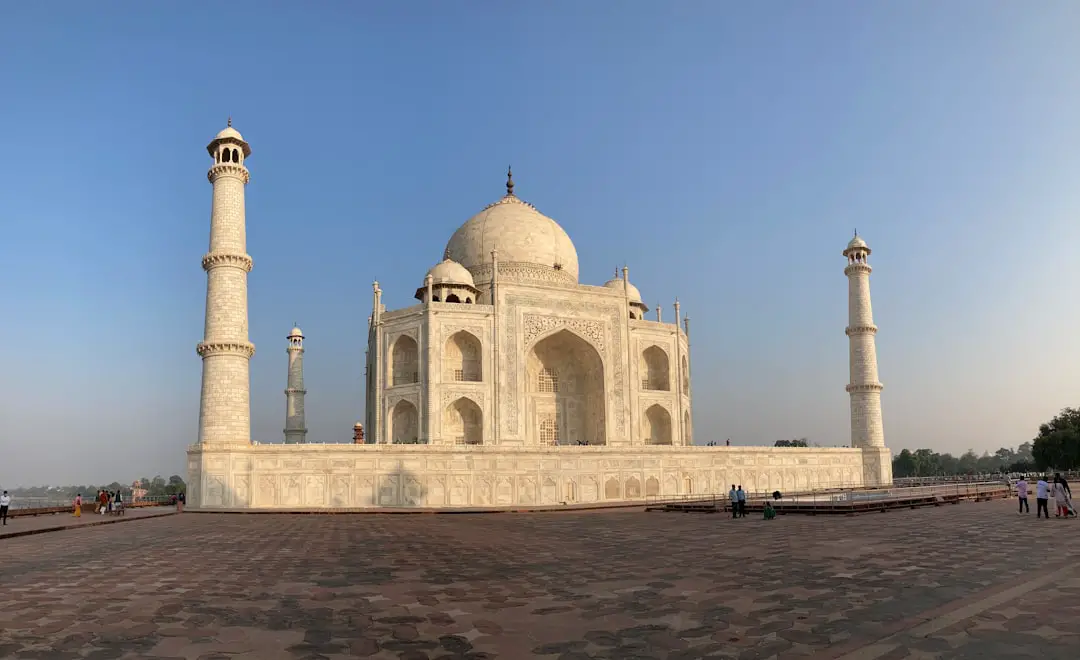
Last Updated on July 28, 2026 by Daniel Globe
India does not have one universal travel season. Its deserts, tropical coasts, crowded northern plains, northeastern hills, and high Himalayan regions can experience very different conditions during the same month. The best time to visit therefore depends on where you are going and what you want to do.
Quick Answer
For most first-time trips to India, October through March offers the most comfortable weather for Delhi, Agra, Rajasthan, Goa, and much of southern India. Visit the high Himalayas and Ladakh in warmer months. Monsoon travel can be beautiful and less crowded, but heavy rain may disrupt roads, trains, flights, and outdoor plans.
Key Takeaways
- October through March is the broadest comfortable window for cultural trips through northern, western, and much of southern India.
- March and April can offer a useful shoulder season, but heat builds quickly across the plains.
- May and June suit high-altitude destinations better than hot cities, deserts, and central India.
- June through September is the main southwest monsoon period, while parts of southeastern India also receive major rain from October through December.
- Festival dates, park openings, mountain roads, and weather conditions change each year, so verify them before booking.
Disclosure: As an Amazon Associate I earn from qualifying purchases. Some links on this page are affiliate links, at no extra cost to you.
When Is the Best Time to Visit India?
October through March is the easiest all-around period for a first visit. Daytime sightseeing is usually more comfortable across the Golden Triangle, Rajasthan, Goa, and many destinations in central and southern India. This is also the main tourist season, so popular hotels, trains, flights, and attractions may cost more or sell out earlier.
No single period is best for every itinerary. Summer can be the right time for Ladakh and some Himalayan destinations. The monsoon brings waterfalls, full rivers, green tea plantations, and lower visitor numbers, but it also increases the risk of delays, flooding, landslides, and outdoor closures.
Note: India’s official meteorological seasons differ from the familiar spring-summer-autumn-winter model. The India Meteorological Department commonly reports winter, pre-monsoon, southwest monsoon, and post-monsoon periods. This guide also uses “spring” and “autumn” as practical travel labels.
India receives about 80% of its annual rainfall during the southwest monsoon season from June through September, although the amount and timing vary greatly by region.
How India’s Travel Seasons Work
India’s geography creates sharp climate differences. The Himalayas can remain snowy while the northern plains are warm. Rajasthan can be dry and extremely hot while Kerala is humid and green. Coastal areas are shaped by the Arabian Sea, Bay of Bengal, and Indian Ocean, while mountain elevation changes conditions over short distances.
For practical trip planning, it helps to divide the year into five broad travel periods:
- Winter: December through February
- Spring or early hot-season shoulder: Late February through April
- Summer and peak pre-monsoon heat: April through June
- Southwest monsoon: June through September
- Post-monsoon or autumn shoulder: October through November, with northeast-monsoon rain continuing into December in parts of southeastern India
These dates are guides rather than fixed boundaries. Monsoon onset, snowfall, heatwaves, and storm activity vary from year to year. Check the latest city and district forecasts on the India Meteorological Department website before departure and during your trip.
Traveling to India in Winter
Winter generally runs from December through February and is the most popular period for many classic itineraries. Delhi, Agra, Jaipur, Jodhpur, Udaipur, Varanasi, Mumbai, Goa, Kochi, and other low-elevation destinations are usually easier to explore than during the hottest months.
In northern India, mornings and evenings can feel cold even when afternoons are pleasant. Unheated heritage hotels and older guesthouses may be cooler indoors than travelers expect. Fog can also affect roads, trains, and flights across parts of the northern plains, so avoid tight same-day connections when possible.
High-altitude areas are a different matter. Heavy snow may close roads, trekking routes, hotels, and attractions in Himalayan regions. Winter can still suit travelers seeking snow sports or mountain scenery, but it requires destination-specific planning and proper cold-weather gear.
Southern India remains warmer. Coastal cities such as Chennai and Kochi, Kerala’s backwaters, and Goa’s beaches attract many winter visitors. Lower humidity and reduced rain often make sightseeing, boat trips, beaches, and outdoor dining more comfortable, although conditions vary along the coast.
Pro Tip: Reserve long-distance trains, domestic flights, safari permits, and popular hotels early for late December, January, and major festival periods. Keep some flexibility for fog or mountain-weather delays.
Traveling to India in Spring
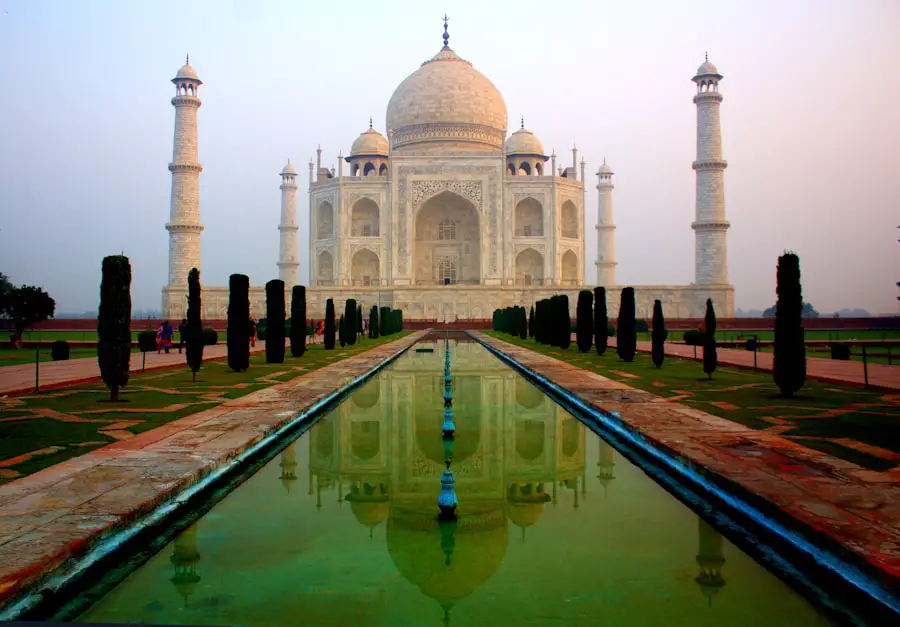
Late February through April can be a rewarding shoulder season. Winter crowds begin to thin, flowers bloom in some northern valleys, and daytime temperatures remain manageable in many areas before the strongest pre-monsoon heat develops.
Kashmir is especially well known for spring gardens and blossoms. Srinagar’s tulip displays usually appear during a limited seasonal window, so confirm the garden’s current opening dates before planning a trip around the blooms.
Lower and mid-elevation hill stations such as Shimla, Mussoorie, and parts of Himachal Pradesh or Uttarakhand may offer pleasant conditions. However, high passes and remote trekking routes can remain snowy or inaccessible. Do not assume that warmer weather in Delhi means every Himalayan trail is open.
Holi often falls in February or March and can be a memorable cultural experience. Celebrations vary by city and neighborhood. Wear clothing that can be stained, protect cameras and phones, and choose organized or locally recommended events if you are unfamiliar with the area.
By April, heat builds quickly across Rajasthan, the northern plains, and central India. Plan outdoor sightseeing early in the morning, rest during the hottest part of the day, and carry water.
Traveling to India in Summer
| Aspect | Summer Planning Guidance |
| Weather | Very hot across many northern, western, and central plains; humid near many coasts; much cooler at higher elevations. |
| Clothing | Loose, lightweight, breathable clothing; a sun hat; sunglasses; sunscreen; and a warm layer for high-altitude evenings. |
| Activities | Hill-station visits, selected Himalayan trips, Ladakh when access is open, early-morning heritage sightseeing, and park visits where seasonal schedules permit. |
| Precautions | Check heat alerts, drink water regularly, use shade, reduce midday exertion, and avoid leaving children or animals in parked vehicles. |
| Popular Destinations | Shimla, Manali, Nainital, Darjeeling, Ooty, Ladakh, and Kerala’s higher areas. Jaipur and Udaipur remain possible, but sightseeing can be extremely hot. |
Summer usually intensifies from April through June. Heat can become severe across Rajasthan, the northern plains, central India, and parts of the Deccan. Travelers who are not accustomed to high temperatures may find full-day city sightseeing exhausting.
Hill stations such as Nainital, Darjeeling, Shimla, Manali, Mussoorie, and Ooty become popular escapes. They can also become crowded during school holidays. Book early, allow extra road time, and remember that altitude does not guarantee clear weather or easy access.
Summer can also open access to some high-altitude regions. Ladakh and remote Himalayan valleys are often more practical during the warmer part of the year, but road openings depend on snow clearance, landslides, maintenance, and current conditions.
Historical destinations such as Hampi, Khajuraho, Jaipur, and Udaipur can still be visited by heat-tolerant travelers. Schedule outdoor sites soon after opening, return to shade or air conditioning around midday, and resume sightseeing later in the afternoon.
Warning: Heat exhaustion may cause heavy sweating, weakness, nausea, headache, dizziness, or faintness. Move to a cooler place, loosen clothing, and seek medical help if symptoms are severe or do not improve. Confusion, collapse, or very hot skin can signal a medical emergency.
Review current alerts on the IMD Heat Wave Guidance page rather than relying on historical monthly averages alone.
Traveling to India During the Monsoon
The southwest monsoon normally affects much of India from June through September. Rainfall timing and intensity vary widely, but this period supplies most of the country’s annual rain. Some places receive long downpours, while others experience shorter bursts separated by warm, humid conditions.
Southwest Monsoon: June Through September
Kerala, Goa, Mumbai, the Western Ghats, northeastern India, and many Himalayan foothill areas can become intensely green. Munnar and Mahabaleshwar are especially scenic when waterfalls flow and plantations flourish. Travelers may also find lower room rates and fewer visitors outside popular weekend destinations.
Monsoon travel is less reliable for tightly scheduled itineraries. Heavy rain can delay trains and flights, close roads, trigger landslides, flood low-lying areas, and cancel boat trips or outdoor activities. Beaches may have rough water, strong currents, limited swimming, and fewer seasonal services.
Teej and other rain-season celebrations provide opportunities to experience local music, dress, rituals, and food. Festival dates and the scale of public events vary by state and year.
Northeast Monsoon: October Through December
The southwest monsoon does not tell the full story. Tamil Nadu and parts of coastal Andhra Pradesh, Rayalaseema, southern interior Karnataka, and Kerala also receive important northeast-monsoon rain from October through December. Tamil Nadu is particularly affected during this period.
This means October or November may be dry and comfortable in Rajasthan while Chennai or another southeastern destination is experiencing heavy rain. Build the itinerary around regional forecasts rather than one nationwide season label.
Warning: Never walk or drive through moving floodwater. During heavy rain, avoid unstable slopes, overflowing streams, closed roads, sea walls, and exposed coastal areas. Follow local officials and location-based alerts from the NDMA SACHET portal.
Traveling to India in Autumn and the Post-Monsoon Period
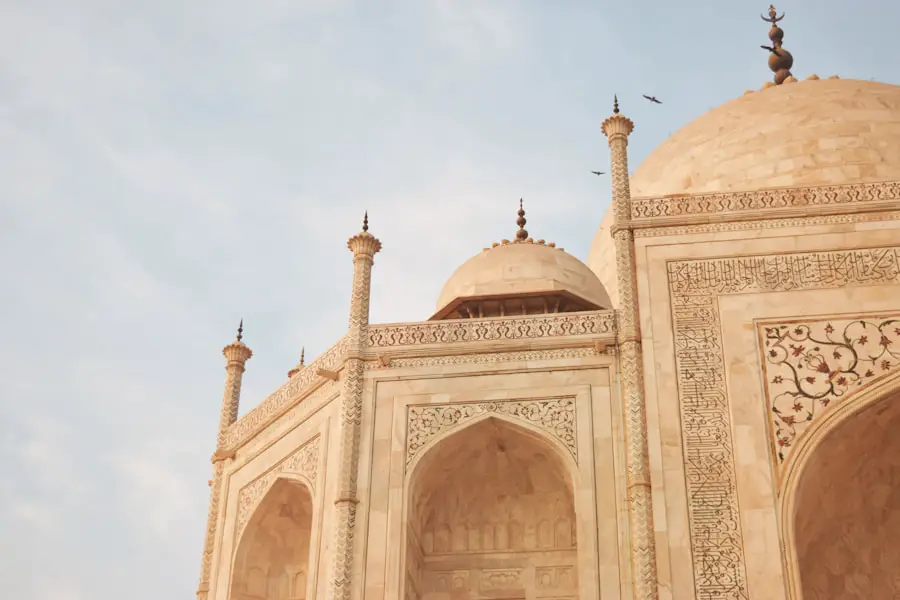
October and November form a valuable post-monsoon or autumn travel period in many parts of India. Rain often decreases across the north and west, skies begin to clear, and temperatures become more comfortable. This is a strong time for Delhi, Agra, Jaipur, Udaipur, Varanasi, Mumbai, and many central Indian destinations.
Diwali usually falls in October or November. Homes, temples, streets, and businesses may be decorated with lights, and families gather for prayers, meals, and sweets. The holiday can also bring crowds, transport demand, business closures, fireworks, smoke, and noise. Confirm the exact date and local schedule before arranging travel.
Many wildlife reserves reopen after seasonal monsoon closures, but dates and accessible safari zones vary. Check the official park or state forest department rather than assuming every reserve opens on the same day.
Autumn is not equally dry everywhere. October through December overlaps with the northeast monsoon in southeastern India. October and November are also among the more active months for severe cyclones over the Bay of Bengal, so travelers visiting the east coast should watch official forecasts closely.
Note: Check coastal storm information through the Regional Specialized Meteorological Centre New Delhi. Do not make decisions from social-media storm maps without confirming the source and issue time.
Best Time to Visit India by Region
| Region or Trip | Best General Window and Main Caveat |
| Delhi, Agra and Rajasthan | October through March. December and January can have cold mornings and fog; peak dates bring higher prices and crowds. |
| Goa and the West Coast | November through February for drier beach weather. Monsoon months are lush and often cheaper, but swimming and boat activities may be restricted. |
| Kerala | December through February for more comfortable touring. July through September suits travelers who want green scenery and accept heavy rain. |
| Tamil Nadu | December through February is often comfortable, but northeast-monsoon rain and coastal storms can still affect parts of the state early in this window. |
| Himalayan Hill Stations | March through June and September through November for many lower routes. Snow, rain, landslides, and road closures remain location-specific. |
| Ladakh | Generally June through September for easier road access and warmer weather. Conditions, permits, altitude, and road openings require separate checks. |
| Northeastern India | October through April for many road-based itineraries. The monsoon creates dramatic scenery but can cause intense rain and landslides. |
Best Time to Visit India by Travel Style
City and Heritage Sightseeing
October through March is usually the simplest choice for Delhi, Agra, Jaipur, Jodhpur, Udaipur, Varanasi, Mumbai, Hampi, and many other heritage destinations. Start early even in winter because popular monuments become crowded later in the day.
Beach Vacations
November through February is the main dry-season beach window for Goa and much of the west coast. Kerala’s coast is also popular in winter. Beach conditions differ along India’s long shoreline, so check local surf, current, and storm warnings before entering the water.
Himalayan Trekking
The right season depends on elevation, route, snowfall, and monsoon exposure. Many lower routes work in spring or autumn, while some high-altitude routes are practical only in summer. Use a qualified local operator and verify trail, permit, and road status shortly before departure.
Ladakh Road Trips
Warmer months generally provide the best chance of open roads. Build in acclimatization time, avoid rushing to high elevations, and expect road status to change after snow, rockfall, or maintenance work.
Wildlife Safaris
Many reserves operate from the post-monsoon period into the hot season, but schedules differ. Winter is more comfortable for visitors, while hotter months may reduce vegetation around some viewing areas. Always check the specific park’s official calendar, zone availability, and permit rules.
Festival Travel
India’s festivals occur throughout the year. Makar Sankranti brings kite-flying traditions in January. Holi usually falls in February or March. Baisakhi is celebrated in April. Teej is linked with the monsoon period, Onam generally falls in August or September, and Diwali usually occurs in October or November.
Eid al-Fitr follows the Islamic lunar calendar and moves earlier each Gregorian year. Festival dates, public holidays, local observances, and business closures should be confirmed before booking.
Festivals and Events Throughout the Year
Festivals can transform an ordinary trip, but they also affect transport, opening hours, accommodation prices, noise, and crowd levels. Reserve rooms and intercity tickets early when traveling around a major national or regional celebration.
The Jaipur Literature Festival is generally held during winter and attracts writers, speakers, and visitors from India and abroad. Classical music events such as Ahmedabad’s Saptak festival also take place during the cooler season. Event schedules can change, so use the organizer’s official website for current dates and entry information.
Spring brings Holi and several regional new-year or harvest celebrations. Baisakhi is especially important in Punjab. During the southwest monsoon, Teej is celebrated in parts of northern and western India, while Onam is a major festival in Kerala.
Diwali is one of the most widely recognized autumn festivals. Celebrations include lights, sweets, family gatherings, worship, and fireworks. Travelers who are sensitive to smoke or noise should check the local air-quality forecast and consider quieter accommodation.
Month-by-Month India Travel Guide
January and February
These are prime months for Rajasthan, the Golden Triangle, Goa, Kerala, Mumbai, and many low-elevation destinations. Expect high demand in popular areas. Northern mornings can be cold or foggy, while high Himalayan regions may have deep snow and limited access.
March and April
This shoulder period can work well for northern gardens, cultural travel, lower Himalayan destinations, and Holi trips. Heat increases through April, especially in Rajasthan, central India, and the northern plains.
May and June
Choose hill stations, Ladakh when access permits, or other high-altitude destinations. Avoid ambitious midday sightseeing in very hot cities. The southwest monsoon often begins affecting southern and western regions during this period, but timing changes each year.
July Through September
Expect southwest-monsoon rain across much of the country. This period suits travelers seeking green landscapes, waterfalls, tea country, lower prices, and fewer international visitors. Keep extra days for disruption and avoid rigid road itineraries in flood- or landslide-prone areas.
October and November
Conditions improve across much of northern, western, and central India. Rajasthan, Delhi, Agra, and Varanasi become increasingly attractive. Southeastern India may still receive northeast-monsoon rain, and the east coast requires cyclone awareness.
December
Winter touring is in full swing. Beaches, heritage routes, and southern itineraries are popular, while mountain access becomes more limited. Christmas and New Year travel can raise prices sharply in Goa, Kerala, major cities, and resort areas.
Weather Safety and Practical Planning
Monitor Forecasts and Alerts
Check the IMD forecast for each destination, not only the nearest major city. For hazard alerts, use the NDMA SACHET portal. Coastal travelers should also follow official cyclone bulletins and instructions from local authorities.
Check Air Quality
Air quality can change by city, neighborhood, weather pattern, and time of day. Travelers with asthma, heart or lung conditions, or other sensitivities can review the Central Pollution Control Board’s National Air Quality Index and discuss personal precautions with a clinician.
Plan for Travel Health
Review routine and destination-specific health guidance well before departure. Recommendations can depend on the places you will visit, the length of the trip, planned activities, season, age, and medical history. The CDC India Traveler View provides current information for travelers from the United States.
Pack for the Route, Not the Country
A multi-region trip may require breathable clothing for the plains, a warm layer for air-conditioned trains and cool evenings, rain protection, sun protection, comfortable walking shoes, and modest clothing for religious sites. A compact umbrella or lightweight rain shell is useful outside the driest months.
Check plug compatibility before departure and use a suitable adapter rather than forcing a plug into an outlet. This guide to universal travel adapters can help with equipment planning. Lightweight traveler pants and packing cubes can also make it easier to organize clothing for different climates.
Pro Tip: Leave at least one flexible day before an international flight when your itinerary includes monsoon-prone roads, remote mountain areas, long train journeys, or multiple transport connections.
Conclusion and Tips for Traveling to India
For a first trip built around Delhi, Agra, Rajasthan, Goa, or Kerala, October through March is usually the safest starting point. It combines more comfortable sightseeing conditions with broad access to major attractions, although it also brings peak-season demand.
Choose the season by region rather than applying one rule to the entire country. Summer may be the right choice for Ladakh and selected Himalayan destinations. Monsoon travel rewards flexible visitors with green landscapes and fewer crowds, but it requires extra time, waterproof gear, and close attention to weather alerts.
Pack layers in winter, breathable clothing during hot weather, and dependable rain protection during wet periods. Confirm festival dates, park openings, road access, permits, and transport schedules before departure. A flexible itinerary will handle India’s regional climate differences far better than a tightly timed nationwide plan.
Frequently Asked Questions
What is the best time to travel to India?
October through March is the broadest comfortable period for a first trip covering Delhi, Agra, Rajasthan, Goa, and much of southern India. The best dates change for high-altitude, monsoon-focused, beach, and wildlife trips.
What is the weather like during India’s main tourist season?
From October through March, many northern, western, and southern destinations have cooler or drier sightseeing weather. Himalayan areas can be freezing or snowbound, northern mornings may be foggy, and tropical coastal areas remain warm.
Which regions are best from October through March?
Rajasthan, the Golden Triangle, Goa, Mumbai, Kerala, Varanasi, and many central Indian destinations are popular during this period. Check separate forecasts for mountain areas and southeastern states affected by the northeast monsoon.
Is monsoon season a bad time to visit India?
Not necessarily. Monsoon travel can offer green scenery, waterfalls, fewer visitors, and lower prices. It is less suitable for rigid itineraries because flooding, landslides, rough seas, road closures, and transport delays can disrupt plans.
When is the best time to visit the Himalayas?
It depends on the route and elevation. Many lower mountain destinations suit spring and autumn, while some high-altitude routes are accessible mainly in summer. Snowfall and monsoon landslides can close roads or trails.
When is the best time for beaches in India?
November through February is the main dry-season window for Goa and much of the west coast. Conditions differ elsewhere, and swimming or boat trips may be unsafe during storms, rough seas, or strong-current warnings.
Which festivals can travelers experience?
Popular possibilities include Makar Sankranti, Holi, Baisakhi, Eid al-Fitr, Teej, Onam, and Diwali. Many dates follow lunar or regional calendars, so verify the exact year and location before booking.
What activities are best during the cooler months?
Cooler months suit heritage tours, city walks, desert trips, beach vacations, cultural events, and many wildlife safaris. High Himalayan trekking may remain limited by snow even when the plains have pleasant weather.
Sources
- Incredible India — Weather — official tourism overview of India’s seasonal travel conditions.
- India Meteorological Department — Hydrological Services — southwest-monsoon timing, rainfall distribution, and hydrological information.
- India Meteorological Department — Heat Wave Guidance — official heat alerts and safety guidance.
- RSMC New Delhi — Tropical Cyclone FAQ — cyclone timing and North Indian Ocean storm information.
- National Disaster Management Authority — SACHET — official location-based disaster alerts and safety resources.
- CDC — India Traveler View — current destination-specific health information for travelers.

