Last Updated on September 10, 2026 by Daniel Globe
You can hike in jeans, but whether you should depends on the trail, weather, distance, and type of denim. Jeans are durable and convenient, so they may work for a short walk on a dry, mild day. The problem begins when denim gets wet, overheats you, restricts movement, or stays damp for hours during a longer hike.
Quick Answer
Yes, you can hike in jeans on short, easy trails in dry, mild weather. However, traditional cotton denim is heavy, absorbs moisture, dries slowly, and can become uncomfortable or unsafe in cold and wet conditions. For longer, hotter, wetter, or more remote hikes, quick-drying hiking pants are usually the better choice.
Key Takeaways
- Jeans can be comfortable and convenient for short, casual hikes in dry, predictable weather.
- Traditional cotton denim absorbs moisture and dries slowly, making it a poor choice for rain, snow, stream crossings, or cold conditions.
- Stretch denim usually provides better mobility than rigid jeans, but it does not eliminate denim’s moisture-retention problem.
- Long pants can protect your legs from brush and reduce exposed skin around ticks, but jeans are not uniquely protective.
- For longer or more demanding hikes, lightweight synthetic or wool-based hiking clothing generally manages moisture and changing weather better.
Disclosure: As an Amazon Associate I earn from qualifying purchases. Some links on this page are affiliate links, at no extra cost to you.
When Is It Okay to Hike in Jeans?
Jeans are not automatically unsuitable for every trail. For a short walk on a maintained path, with mild temperatures and little chance of rain, a comfortable pair of jeans may be perfectly practical. This is especially true if you already know the jeans allow you to climb steps, squat, and take long strides without pinching or rubbing.
The farther you travel from easy shelter or your vehicle, however, the more important clothing performance becomes. A pair of pants that is merely uncomfortable on a one-mile park trail can become a much bigger problem several hours into a remote hike.
| Hiking condition | Are jeans a good choice? |
| Short, easy trail; dry and mild weather | Usually acceptable if the jeans fit well and allow free movement. |
| Hot or humid weather | Usually not ideal. Heavy denim can feel hot and hold sweat. |
| Rain, wet vegetation, or stream crossings | Poor choice. Cotton denim absorbs water and can remain wet for a long time. |
| Cold, windy, or snowy conditions | Avoid traditional cotton jeans, especially when there is a chance they will get wet. |
| Long or remote backcountry hike | Technical quick-drying hiking pants are generally the safer and more comfortable option. |
Note: The issue is not that jeans instantly become dangerous when you step onto a trail. The concern is how conventional cotton denim performs when weather, sweat, water, distance, or an unexpected delay changes the conditions.
Pros and Cons of Hiking in Jeans
Durability and Versatility
Jeans were originally developed as rugged workwear, and heavy denim can handle ordinary brush, dirt, and abrasion well. That toughness is one reason some hikers feel comfortable wearing jeans on casual trails.
Jeans are also easy to find and come in many fits, weights, and styles. If you are taking a short hike as part of a day that also includes driving, sightseeing, eating out, or walking around town, wearing one pair of pants for everything can be convenient.
That does not mean denim is automatically tougher than technical hiking pants. Many outdoor fabrics are specifically engineered to balance abrasion resistance with lower weight, faster drying, stretch, and breathability.
Protection and Practicality
Full-length jeans can provide a physical barrier between your legs and light brush, grasses, and thorny vegetation. Long pants also reduce the amount of exposed skin available to ticks. The CDC recommends long pants or treated clothing as part of tick-bite prevention.
However, denim itself is not tick-proof. In tick habitat, use appropriate repellent or treated clothing as directed, stay near the center of the trail where practical, and perform a tick check after being outdoors.
Drawbacks and Limitations
The major drawbacks are weight, water absorption, drying time, heat, and restricted movement. Traditional jeans are primarily cotton, and cotton holds moisture rather than behaving like a lightweight quick-drying hiking fabric.
When jeans become soaked by rain, wet vegetation, a stream crossing, or sweat, they become heavier and may stay wet for a long time. That can increase rubbing and chafing while also making it harder to remain warm in cool conditions.
Rigid denim can also restrict high steps, scrambling movements, deep knee bends, and long strides. Stretch denim improves mobility, but the overall performance depends on the fabric blend and construction.
Why Wet Denim Is the Biggest Concern
For casual hikers, the most important limitation of jeans is not fashion or even weight. It is what happens after cotton denim becomes wet.
The National Park Service’s Denali hiking guidance advises visitors to avoid jeans and other cotton layers because cotton tends to stay wet and offers little insulating value when wet. The Great Smoky Mountains National Park hiking-safety guidance similarly recommends moisture-wicking clothing and avoiding cotton when preparing for cool, wet conditions.
Research on clothing and cold environments also shows that moisture changes heat transfer through clothing. A peer-reviewed study indexed by the U.S. National Library of Medicine found increased heat transfer through wet clothing systems under cold conditions.
Warning: Avoid relying on cotton jeans for cold, wet, snowy, or rapidly changing mountain conditions. If jeans become soaked and you are unable to change into dry clothing, staying warm can become much harder. Carry appropriate rain protection and dry layers whenever conditions warrant them.
Factors to Consider When Choosing Jeans for Hiking

If you decide to hike in jeans, start with fit. The jeans should allow you to raise your knees, step onto a high rock, squat, and walk uphill without pulling tightly across your thighs, knees, hips, or waist.
A relaxed, straight, or athletic fit will often allow more natural movement than very tight rigid denim. However, fit varies by body shape and garment, so test the actual pair rather than relying only on the label.
Check the Fabric Composition
Traditional jeans may be made from 100% cotton, while stretch jeans often mix cotton with fibers such as elastane, polyester, or similar materials. Stretch can noticeably improve mobility. It does not automatically make the jeans a true hiking garment or make a cotton-heavy fabric quick-drying.
If active-use denim is important to you, compare fabric composition, weight, stretch, seam placement, and drying characteristics rather than assuming every pair marketed as “stretch” performs the same way.
Consider the Weather
Dry, mild weather gives jeans their best chance to work well. In hot weather, heavy dark denim can feel warm and sweaty. National Park Service heat-safety guidance recommends lightweight clothing for hot-weather hiking, including at Mount Rainier National Park.
In cool weather, dry jeans may feel comfortable at the trailhead, but forecast rain, wet snow, creek crossings, or rapidly changing mountain weather can make cotton denim a poor choice. Check both the forecast and the expected trail conditions before leaving.
Consider Distance and Remoteness
A short local trail gives you more room for compromise because you may be able to return quickly if your clothing becomes wet or uncomfortable. On a long or remote route, quick-drying clothing, rain protection, and spare layers become much more important.
Pro Tip: Before hiking in a new pair of jeans, wear them on a brisk 30- to 60-minute walk that includes stairs or hills. Pay attention to knee mobility, waistband pressure, inner-thigh rubbing, and sweat buildup before committing to a longer trail.
Tips for Hiking in Jeans
| Tip | Description |
|---|---|
| Choose the right fit | Wear jeans that let you climb, squat, and take long steps without binding or rubbing. |
| Consider the weather | Jeans are best reserved for dry, mild conditions. Choose lighter, quick-drying clothing for heat and non-cotton layers for wet or cold weather. |
| Protect against chafing | Use well-fitting underwear and, when needed, an anti-chafing product on areas that normally rub. |
| Check for stretch | A small amount of stretch can improve mobility, although it does not make wet cotton quick-drying. |
| Choose the right footwear | Pair your jeans with properly fitted trail shoes or hiking boots that match the terrain and conditions. |
If you decide to hike in jeans despite their limitations, choosing the right pair makes a noticeable difference. Jeans with some stretch generally allow more comfortable movement than stiff, rigid denim. Reinforced seams or active-oriented construction can also be useful on rougher trails.
A thin moisture-wicking underlayer may help move sweat away from your skin and reduce friction. However, it is important to understand the limitation: a wicking layer underneath does not prevent the outer denim from absorbing rain or water.
Socks also matter. Synthetic or merino-wool hiking socks generally handle moisture better than ordinary cotton socks. Good sock fit, properly fitted shoes, and keeping grit out of your footwear can all improve foot comfort.
Your footwear should match the route. Smooth, easy paths may only require comfortable trail shoes, while rough, muddy, rocky, or steep terrain may call for footwear with more traction and protection.
What to Carry If You Still Choose Jeans
For anything beyond a short neighborhood-style trail, prepare for conditions changing. Depending on the route and forecast, useful backup items include:
- A lightweight waterproof or water-resistant shell.
- A dry non-cotton insulating layer for cool weather.
- Dry socks.
- Enough water and food for the planned hike.
- Basic emergency essentials appropriate to the route.
The goal is not to carry a second wardrobe. It is to avoid having wet jeans become your only clothing option if conditions deteriorate.
Alternatives to Jeans for Hiking
For most longer hikes, hiking pants made from nylon, polyester, or blended performance fabrics offer advantages over traditional denim. Depending on the garment, these materials can be lighter, stretchier, more breathable, and faster to dry.
Convertible hiking pants are useful when temperatures change through the day. The lower legs zip off to create shorts, allowing you to adjust without carrying a separate pair of bottoms. Many also include trail-oriented pockets and articulated knees.
Hiking leggings are another option for people who prefer close-fitting, stretchy clothing. They can provide excellent mobility while remaining lighter than traditional jeans. For sun exposure, choose leggings or pants with a stated UPF rating rather than assuming all fabric provides the same protection.
Soft-shell hiking pants are especially useful when you want more wind resistance and stretch than very lightweight summer pants. For cold or wet conditions, combine suitable hiking pants with the appropriate insulating or waterproof layers rather than relying on a single heavy cotton garment.
Best Practices for Hiking Attire
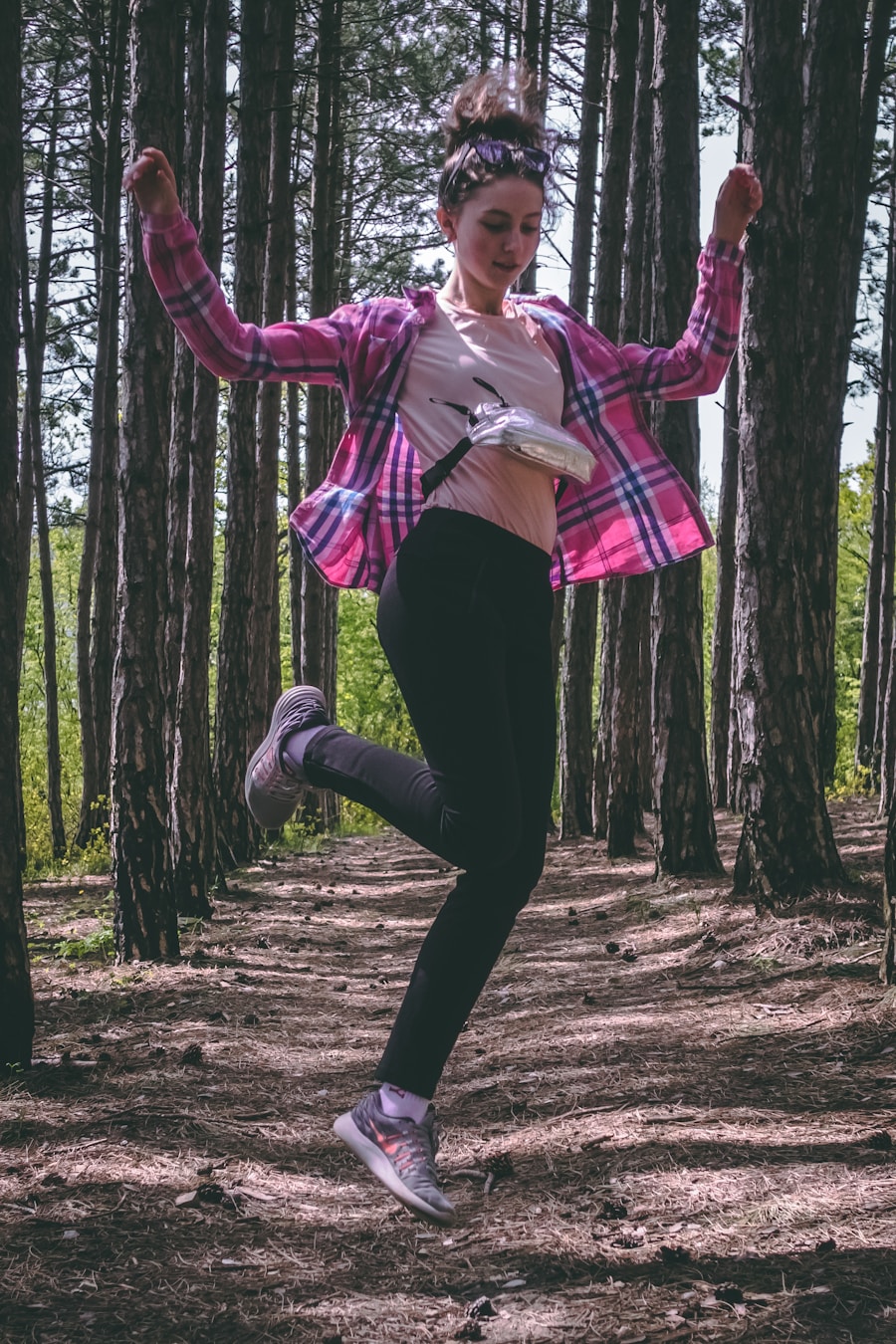
Choosing hiking clothing is about the entire system, not just your pants. Layers allow you to adjust as your activity level, wind, temperature, and precipitation change.
A moisture-managing base layer is useful when you expect to sweat. In cooler conditions, an insulating layer such as fleece can help trap warmth. An outer shell can provide protection from wind and rain when conditions require it.
National Park Service hiking guidance repeatedly emphasizes planning for changing conditions and carrying appropriate layers. Clothing that works at a sunny trailhead may not be enough several hours later at higher elevation or during a storm.
Footwear is another critical part of the system. Choose shoes or boots that fit correctly and provide appropriate traction for the surface. Socks made from merino wool or synthetic materials can manage moisture better than ordinary cotton socks, but fit and friction still matter when preventing blisters.
In hot conditions, prioritize lightweight clothing, sun protection, hydration, and a realistic hiking schedule. In cool or wet conditions, prioritize staying dry and carrying insulating layers that remain useful if the weather deteriorates.
How to Care for Jeans After Hiking
After a hike, inspect your jeans for mud, stains, burrs, and damage. If you were hiking in tick habitat, check your clothing and body for ticks as well.
For washing, always start with the care label because fabric blends and finishes vary. Many denim-care instructions recommend turning jeans inside out and washing them in cold water. This reduces unnecessary abrasion on the visible surface and can help limit fading.
Manufacturer guidance from Levi’s denim-care guide recommends washing denim sparingly, turning it inside out, and following appropriate washing and drying practices. If your jeans became muddy, sweaty, or contaminated on a hike, however, clean them when needed rather than following a fixed number of wears.
Use a suitable detergent and follow the garment label regarding bleach, fabric softener, and machine drying. Air drying is often a gentle option that reduces heat exposure and can help preserve fit. If the label permits machine drying and you choose to use a dryer, follow its temperature recommendation rather than assuming one setting fits every denim blend.
Allow the jeans to dry completely before storing them. Store clean, dry denim away from prolonged direct sunlight to help preserve the fabric and color.
Are Jeans Suitable for Hiking?
Jeans can be suitable for some hikes, but they are not the best all-purpose hiking pants. Their strongest use case is a short, easy outing in dry, mild weather where getting wet or being delayed would not create a serious problem.
The trade-off becomes less favorable as the hike gets longer, hotter, wetter, colder, steeper, or more remote. Traditional cotton denim absorbs water, dries slowly, adds weight when soaked, and may restrict movement compared with purpose-built hiking clothing.
Stretch denim can improve mobility, and full-length jeans can provide useful coverage from brush. Those benefits do not eliminate the limitations of a cotton-heavy fabric in rain and cold conditions.
For regular hiking, quick-drying hiking pants or leggings are usually more versatile. They provide a better balance of mobility, weight, moisture management, and adaptability when conditions change.
If you are planning a hiking trip and wondering what other equipment may be useful, you may also want to read this guide to portable phone chargers for your next getaway. Keeping a phone charged can be useful for navigation and communication, although you should not rely on cell service being available on every trail.
Love travel? Join Our Facebook Community For More Tips.
Frequently Asked Questions
Are jeans good for hiking?
Jeans can be adequate for a short, easy hike in dry, mild conditions, but they are not ideal all-purpose hiking clothing. Traditional cotton denim absorbs moisture, dries slowly, and can become heavy and uncomfortable when wet.
What should I wear for hiking instead of jeans?
For most hikes, consider lightweight hiking pants, convertible pants, leggings, or other clothing designed to manage sweat and dry quickly. Nylon, polyester, merino wool, and carefully designed fabric blends are common choices depending on the weather.
Why are jeans not ideal for hiking?
Traditional jeans are usually cotton-heavy, so they absorb water and can remain wet for a long time. They are also heavier than many hiking pants and may restrict movement or increase rubbing during long, steep, hot, or wet hikes.
Can I wear jeans for short, easy hikes?
Yes. Comfortable jeans can work for short, easy trails when the weather is dry and mild and you can return to shelter easily. Check the forecast first and make sure the jeans do not restrict your stride or cause rubbing.
Can I hike in jeans if it might rain?
Traditional cotton jeans are a poor choice when meaningful rain or wet trail conditions are likely. Once saturated, denim becomes heavier and can stay wet for hours. Quick-drying pants and suitable rain protection are better choices.
Are stretch jeans better for hiking?
Stretch jeans can be more comfortable because they allow greater freedom of movement than rigid denim. However, a small amount of elastane or another stretch fiber does not necessarily make cotton-heavy jeans quick-drying or suitable for wet and cold hiking.
What are the benefits of hiking-specific clothing?
Hiking-specific clothing is commonly designed to balance low weight, mobility, moisture management, and drying speed. Depending on the garment, it may also include articulated knees, zippered pockets, ventilation, abrasion-resistant panels, or a stated UPF rating.
Sources
- National Park Service — Denali Discovery Hikes — guidance on avoiding jeans and other cotton layers in changing and wet conditions.
- National Park Service — Great Smoky Mountains Hiking Safety — guidance on hypothermia, moisture-wicking clothing, and avoiding cotton.
- National Park Service — Mount Rainier Hiking Safety — hot-weather hiking and lightweight clothing guidance.
- Centers for Disease Control and Prevention — Preventing Lyme Disease — long clothing, treated clothing, and tick-prevention guidance.
- PubMed — Dry and Wet Heat Transfer Through Clothing Under Cold Conditions — research on how moisture affects heat transfer through clothing.
- Levi’s — Denim Cleaning Guide — manufacturer guidance on washing and caring for denim.