Last Updated on September 10, 2026 by Daniel Globe
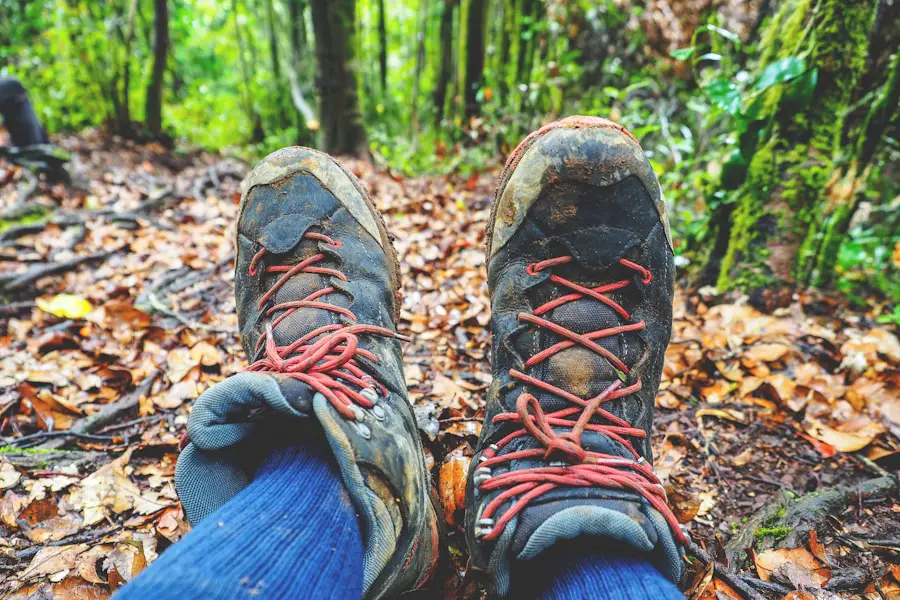
Hiking shoes and hiking boots are built for the same basic job—helping you move comfortably and confidently on trails—but they are not the same type of footwear. Hiking shoes are usually lower, lighter, and more flexible. Hiking boots are generally more structured and protective. The better choice depends on the terrain, weather, pack weight, pace, fit, and your own comfort.
Quick Answer
No. Hiking shoes and hiking boots are both designed for trails, but they differ in weight, height, stiffness, protection, and typical use. Hiking shoes suit many day hikes and lighter packs, while hiking boots can add structure and protection on rugged terrain, with heavier loads, or in cold and wet conditions.
Key Takeaways
- Hiking shoes are generally lighter, lower-cut, and more flexible, while hiking boots tend to be more structured and protective.
- Hiking shoes work well for many day hikes, maintained trails, faster hiking, and lighter packs.
- Hiking boots can be useful on rugged terrain, with heavier packs, in cold weather, or when you prefer more underfoot and ankle-area structure.
- Both hiking shoes and hiking boots are available in waterproof and non-waterproof versions.
- Terrain, weather, pack weight, outsole traction, fit, and personal preference matter more than simply choosing the taller option.
Disclosure: As an Amazon Associate I earn from qualifying purchases. Some links on this page are affiliate links, at no extra cost to you.
Are Hiking Shoes and Hiking Boots the Same?
No. The categories overlap, but hiking shoes and hiking boots are designed with different priorities. Hiking shoes normally sit at or below the ankle and use a lighter, more flexible construction. Hiking boots are commonly mid- or high-cut and tend to use firmer midsoles, more protective uppers, and a more structured build.
That does not mean one category is always safer or better. A lightweight hiking shoe with a grippy outsole can outperform a poorly fitted boot on many trails. Likewise, a sturdy backpacking boot may be the better choice when you are carrying a heavy pack over loose rock for several days. Current hiking-footwear guidance from REI recommends considering terrain, trip duration, load, construction, and fit rather than treating boot height as the only deciding factor.
Hiking Shoes vs. Hiking Boots: Main Differences
- Weight: Hiking shoes are usually lighter, which can make them feel quicker and less cumbersome.
- Cut: Hiking shoes are generally low-cut. Hiking boots are often mid- or high-cut.
- Flexibility: Hiking shoes tend to flex more easily, while backpacking boots generally use firmer midsoles.
- Protection: Boots often provide more material around the foot and ankle and may include substantial toe guards, shanks, or protective overlays.
- Breathability: Lightweight mesh hiking shoes often ventilate and dry faster than heavier waterproof boots.
- Waterproofing: Either style may include a waterproof membrane. Boot height alone does not determine waterproofness.
- Traction: Both can use aggressive rubber outsoles and deep lugs. Check the actual outsole rather than assuming every boot has better grip.
Features of Hiking Shoes
Hiking shoes are built for versatility and comfort. Their lighter construction makes them popular for day hikes, maintained trails, fast hiking, travel, and some lightweight backpacking trips. Many models use synthetic fabrics or mesh to improve ventilation and reduce drying time.
Hiking shoes also use trail-specific outsoles. Rubber compounds and raised tread blocks, often called lugs, help provide traction on dirt, gravel, roots, and rock. Grip varies widely between models, however. Lug depth, tread spacing, rubber compound, trail conditions, and the amount of outsole in contact with the ground all matter.
Cushioned midsoles can absorb impact and make hiking shoes feel more like athletic footwear. Some models are quite soft, while others use firmer midsoles for more underfoot support. That range allows hikers to choose between a nimble feel and a more protective ride.
Note: A low-cut design does not automatically mean poor traction. Some hiking shoes and trail-running shoes use aggressive outsoles designed specifically for loose, rocky, or muddy surfaces.
Features of Hiking Boots
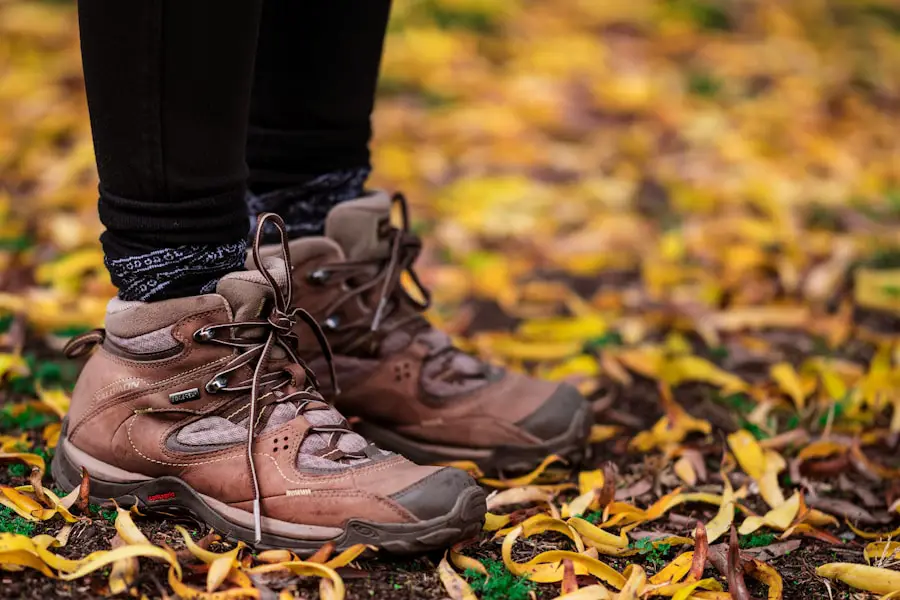
Hiking boots are built with durability, structure, and protection in mind. Many use leather or durable synthetic uppers, reinforced toe areas, supportive midsoles, and rubber outsoles designed for trail use.
Their mid- or high-cut collars surround more of the ankle than a typical hiking shoe. Some hikers find that extra structure useful on uneven ground or when carrying a heavier backpack. Boots can also offer more protection from rocks, brush, mud, and trail debris.
Many backpacking boots have stiffer midsoles than hiking shoes. A firmer platform can protect the bottom of the foot from sharp rocks and may feel more supportive under a heavy load, although stiffness is not automatically more comfortable for every hiker.
Waterproof hiking boots may use membranes such as GORE-TEX waterproof/breathable technology. Waterproof construction can be valuable in wet grass, mud, rain, or shallow snow, but it normally sacrifices some ventilation compared with open-mesh footwear.
A higher boot collar can add structure and limit some ankle movement, but it should not be treated as a guarantee against ankle sprains; clinical evidence that high-top shoes prevent sprains remains inconclusive.
When to Wear Hiking Shoes
| Trail Type | Recommended Footwear |
|---|---|
| Easy, well-maintained trails | Hiking shoes or trail-running shoes |
| Rocky or uneven terrain | Supportive hiking shoes or hiking boots, depending on pack weight and personal preference |
| Muddy or wet trails | Waterproof hiking shoes or boots with an outsole suited to mud |
| Long-distance hikes | Hiking shoes, trail runners, or boots based on terrain, pack weight, durability needs, and fit |
| Winter or snowy conditions | Warm waterproof footwear plus traction devices, snowshoes, or other equipment when conditions require them |
Hiking shoes are a strong choice when agility, low weight, and freedom of movement matter. They work especially well on maintained trails and moderate terrain when you are carrying a light pack.
They are also useful in warm weather. A ventilated, non-waterproof hiking shoe can release heat and moisture more readily than a heavier waterproof boot. If it becomes wet, a lightweight shoe may also dry faster.
Hiking shoes are not limited to short outings. Many experienced backpackers and long-distance hikers use hiking shoes or trail runners for extended trips, especially when keeping pack weight low. The Appalachian Trail Conservancy notes that lightweight trail runners are popular even among backpackers.
When to Wear Hiking Boots
Hiking boots become especially useful when you want more structure, underfoot protection, durability, or coverage around the ankle. Rugged routes with loose rocks, roots, steep grades, brush, or uneven surfaces can make a more substantial boot appealing.
Boots are also worth considering when you carry a heavier backpack. A firmer midsole and more structured upper can make the footwear feel steadier under load. The exact amount of support you need, however, depends on the model, your pack, the terrain, and your own feet.
Wet and cold environments are another common reason to choose boots. Waterproof models can help keep outside moisture away from your feet, and taller collars can provide more protection from mud, shallow snow, and trail debris. Insulated boots may be appropriate when temperatures are low enough to require additional warmth.
Warning: Waterproof hiking boots are not a substitute for ice traction. The National Park Service recommends traction devices on hard-packed snow and ice, and deeper snow may require snowshoes. Check current trail conditions before starting a winter hike.
Waterproof vs. Non-Waterproof Hiking Footwear
Waterproofing is a separate feature from shoe or boot height. You can buy waterproof hiking shoes, waterproof trail runners, waterproof boots, and non-waterproof versions of all three.
A waterproof membrane is helpful when you expect persistent rain, wet vegetation, mud, or shallow snow. The tradeoff is ventilation. A membrane generally traps more warmth and takes longer to dry than highly ventilated mesh if water gets inside from the top.
Note: A taller boot collar can help keep splashes and debris out, but it does not make the material itself more waterproof. Water can still enter over the top of any shoe or boot.
For hot, dry trails, many hikers prefer non-waterproof footwear because it breathes better. For cool, wet, muddy, or snowy conditions, waterproof footwear can be worth the reduced ventilation.
Trail Runners vs. Hiking Shoes vs. Hiking Boots
Trail-running shoes add another option to the hiking footwear spectrum. They are typically lighter and more flexible than standard hiking shoes and are designed for quick movement over uneven ground.
- Trail runners: Best when low weight, flexibility, and quick movement are the priority. They generally offer less underfoot and upper protection.
- Hiking shoes: A middle ground that combines trail traction with more structure and durability than many trail runners.
- Hiking boots: Usually the most structured and protective option, particularly for rough terrain, heavier loads, and colder conditions.
There is no rule that long mileage requires boots. Plenty of long-distance hikers prefer trail runners or hiking shoes. The right footwear is the pair that fits well and provides enough traction, protection, and support for the conditions you will actually face.
Choosing the Right Footwear for Your Adventure
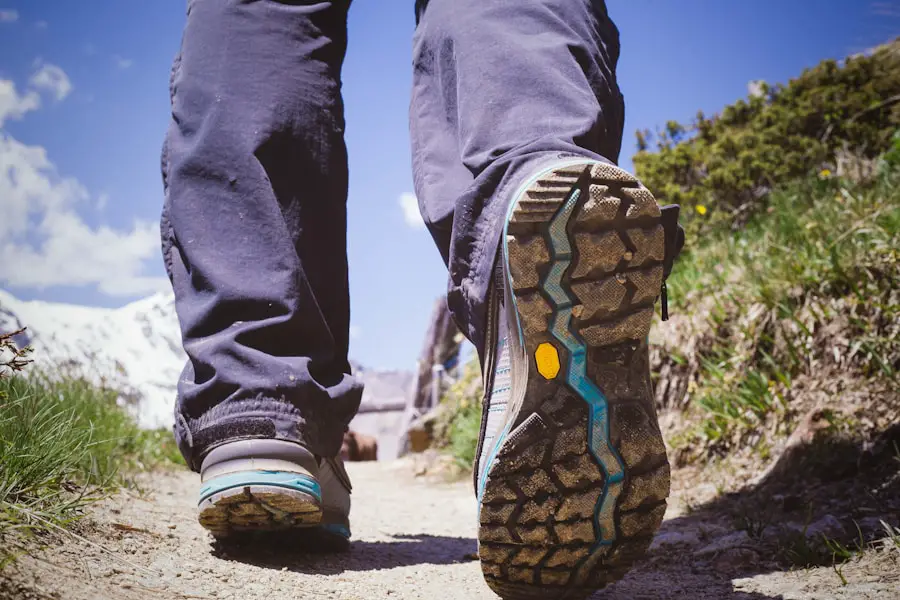
Start with the trail rather than the footwear category. A smooth park path and a steep route covered in loose rock place very different demands on your feet.
1. Consider the Terrain
For paved, groomed, or well-maintained trails, hiking shoes may provide all the traction and protection you need. As the terrain becomes steeper, rockier, looser, or more overgrown, a firmer and more protective shoe or boot may become useful.
The National Park Service’s Hike Smart guidance recommends choosing proper footwear for the route and specifically points to sturdy rubber-soled hiking footwear for dirt and gravel trails.
2. Consider Your Pack Weight
A small daypack places different demands on footwear than several days of food, shelter, water, and equipment. As your load increases, you may prefer a firmer midsole and more structured upper. That does not mean every backpacker needs a boot, but pack weight should be part of the decision.
3. Check the Weather
For hot, dry conditions, breathable footwear can be more comfortable. For prolonged rain, mud, wet vegetation, or cold conditions, waterproof footwear may make more sense. Snow and ice can require insulated footwear, gaiters, traction devices, or snowshoes depending on conditions.
4. Decide How Much Protection You Want
Some hikers like feeling the trail through flexible footwear. Others prefer a firm platform that shields the sole from sharp rocks and reduces how much the foot moves inside the shoe. Neither preference is automatically correct.
5. Check the Actual Outsole
Do not buy a boot simply because you assume it has more grip. Look at lug depth, tread pattern, rubber coverage, and the surfaces the footwear was designed for. Deep, widely spaced lugs can help shed mud, while different rubber compounds may be optimized for rock or mixed terrain.
6. Account for Your Feet
Fit matters more than the label on the box. If you use orthotics, supportive insoles, or other foot-support products, test them inside the exact shoe or boot before committing to it. Arch support and internal volume vary substantially between individual models.
Care and Maintenance of Hiking Shoes and Boots
Regular maintenance helps hiking footwear last longer and maintain its traction and water resistance. Dirt and grit can work into fabrics and leather, while direct heat can damage adhesives and age materials prematurely.
- Remove loose dirt: Brush off dried mud, sand, and debris after a hike.
- Clean when needed: Use water and a cleaner suitable for the footwear material. Follow the manufacturer’s instructions for leather, suede, synthetic fabric, and waterproof membranes.
- Clean the outsole: Remove stones and packed mud from the tread so the lugs can make proper contact with the ground.
- Remove the insoles: Let the insoles and footwear dry separately after a wet hike.
- Air-dry at normal temperature: Keep shoes and boots away from radiators, heaters, campfires, and other strong heat sources.
- Maintain the outer water-repellent treatment: Waterproof footwear may eventually need its exterior DWR treatment restored even when an internal waterproof membrane remains intact.
- Condition compatible leather: Full-grain leather may need an appropriate conditioner when it becomes dry. Do not assume every suede, nubuck, or synthetic upper needs the same treatment.
- Inspect for wear: Replace footwear when worn lugs, separating soles, damaged uppers, or compressed cushioning prevent it from performing properly.
REI’s hiking-boot care guidance likewise recommends cleaning dirt and grit, air-drying footwear at normal temperatures, and keeping it away from direct heat.
Finding the Perfect Fit
Finding the right fit is more important than choosing a shoe simply because it is labeled a hiking boot or hiking shoe. Poorly fitted footwear can create pressure points, heel movement, hot spots, and blisters even when the design is otherwise ideal for the trail.
How Hiking Shoes and Boots Should Fit
- Your heel should feel secure without excessive lifting as you walk.
- Your toes should have room to wiggle and should not hit the front on descents.
- The shoe should feel snug around the midfoot without squeezing.
- Your toes should not be forced together.
- There should be no sharp pressure points when the footwear is properly laced.
Pro Tip: Try hiking footwear later in the day, when your feet are more likely to be slightly swollen, and wear the same type of socks you plan to hike in. Walk on an incline or test ramp if available to make sure your toes do not strike the front on a simulated descent.
Some substantial leather boots need time to soften and flex naturally, but a break-in period should not be used to excuse fundamentally poor fit. A new shoe or boot should not create severe pinching, crushing pressure, or obvious heel movement in the hope that those problems will disappear later.
Ultimately, the right footwear depends on your hiking style and the challenges you expect to face. Lightweight hiking shoes can be an excellent choice for easy and moderate trails, fast hiking, warm weather, and lightweight backpacking. More structured hiking boots can be valuable for rugged routes, heavier packs, rough ground, colder conditions, and hikers who prefer extra coverage and underfoot protection.
By matching footwear to the terrain, load, weather, and your own feet—and by caring for it properly—you can improve comfort and make each hike more enjoyable.
For a related look at lightweight waterproof travel footwear, see 5 Must-Have Waterproof Sneakers for Your Spring 2025 Travels. Hiking sneakers and dedicated hiking shoes can overlap in lightweight comfort, but trail footwear should still be chosen according to the terrain, traction, load, and weather you expect.
Frequently Asked Questions
What is the difference between hiking shoes and hiking boots?
Hiking shoes are generally lower-cut, lighter, and more flexible. Hiking boots are commonly more structured, with firmer midsoles, taller collars, and more protective uppers. Both can use trail-specific rubber outsoles and both are available in waterproof versions.
Can hiking shoes be used in place of hiking boots?
Yes. Hiking shoes work well for many day hikes, maintained trails, moderate terrain, and lightweight backpacking. More structured boots may be preferable when you want extra protection, carry a heavier pack, hike through rough terrain, or expect cold and wet conditions.
Are hiking shoes and hiking boots both suitable for long-distance hiking?
Yes. Long-distance hikers use hiking shoes, trail runners, and hiking boots. The best choice depends on terrain, pack weight, durability needs, weather, fit, and personal preference rather than distance alone.
Do hiking shoes and hiking boots have different traction and grip?
They can, but footwear height does not determine grip. Hiking shoes, trail runners, and boots can all have aggressive rubber outsoles. Compare lug depth, tread pattern, rubber compound, and the surfaces the footwear was designed to handle.
Are hiking shoes and hiking boots both waterproof?
Both categories are available in waterproof and non-waterproof versions. Look for a waterproof membrane or other waterproof construction rather than assuming a taller boot is automatically waterproof. Non-waterproof mesh footwear generally breathes and dries faster.
Do hiking boots prevent ankle sprains?
A mid- or high-cut boot can provide more structure around the ankle and may limit some movement, but it should not be treated as a guarantee against sprains. Clinical research on high-top footwear and ankle-sprain prevention has been inconclusive.
Are trail-running shoes good for hiking?
Yes, especially for hikers who prefer lightweight, flexible footwear and carry lighter packs. Trail runners are popular with some long-distance hikers, although they generally provide less upper and underfoot protection than substantial hiking boots.
Should hiking boots feel tight when new?
No. Hiking footwear should feel secure but not painfully tight. Your toes need room, your heel should remain reasonably stable, and there should be no severe pressure points. Some leather boots soften with use, but breaking them in cannot correct the wrong size or shape.
Sources
- REI — How to Choose Hiking Boots and Hiking Shoes — current guidance on hiking shoes, boots, trail runners, terrain, load, materials, and fit.
- U.S. National Park Service — Hike Smart — appropriate footwear, trail planning, and hiking safety guidance.
- U.S. National Park Service — Hiking with Traction Devices — traction guidance for hard-packed snow and ice.
- PubMed — The Role of Shoes in the Prevention of Ankle Sprains — evidence and limitations regarding high-top footwear and ankle-sprain prevention.
- GORE-TEX — Waterproof Footwear Technology — waterproof/breathable membrane use in shoes and boots.
- Appalachian Trail Conservancy — Footwear and Gear Guidance — fit, foot swelling, backpacking footwear, and trail-runner use.