
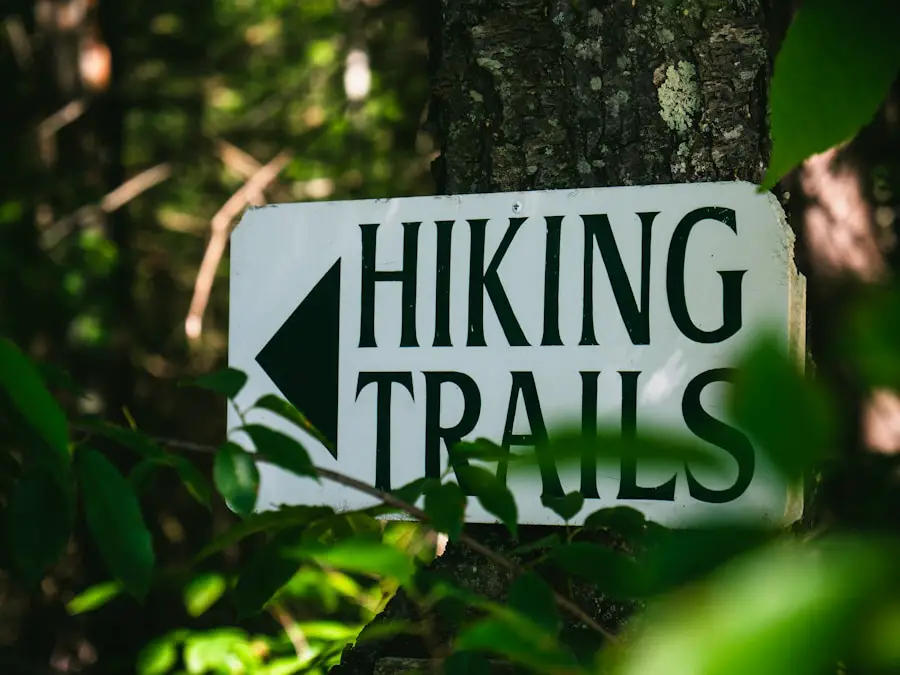
Selecting the appropriate hiking trail is a fundamental step in ensuring a rewarding outdoor experience. The first consideration should be your fitness level and hiking experience. Beginners may find solace in well-marked, flat trails that offer scenic views without the added challenge of steep inclines or rugged terrain.
For instance, trails like the Appalachian Trail’s section in Virginia provide a mix of gentle slopes and breathtaking vistas, making it an ideal choice for novice hikers. Conversely, seasoned hikers might seek out more challenging routes, such as the steep ascents found in the Rocky Mountain National Park, which demand a higher level of physical fitness and endurance. Another critical factor in choosing a trail is the time of year and weather conditions.
Seasonal changes can dramatically alter trail conditions; for example, spring may bring muddy paths due to melting snow, while summer can lead to dry, dusty trails. Researching local weather patterns and trail conditions can help you avoid unpleasant surprises. Websites and apps dedicated to hiking often provide real-time updates on trail conditions, which can be invaluable for planning your outing.
Additionally, consider the length of the hike and how it fits into your schedule. A day hike might be perfect for a weekend adventure, while multi-day treks require more extensive planning regarding food, shelter, and logistics.
Key Takeaways
- Choose a trail that matches your fitness level and experience
- Wear appropriate clothing and footwear for the terrain and weather conditions
- Always carry essential gear such as a map, compass, first aid kit, and plenty of water
- Pay attention to trail markers and signs to stay on course and avoid getting lost
- Practice proper hiking etiquette by being respectful of nature and other hikers
Essential Gear and Clothing
Products Worth Considering

Comfortableness: NORTIV 8 Men's Waterproof Hiking Boots certainly delivers on all-day comfort! Removable and shock-absorbent cushioned insoles offer the support for your feet.
OMNI-TECH: For prolonged exposure to moderate rain and snow. Multilayered, waterproof, seam-sealed construction that allows the inside to breathe, keeping feet dry and comfortable no matter the conditions.
TOTAL WATERPROOF PROTECTION: These hiking boots feature a sealed waterproof membrane that locks out rain, slush, and mud. Your feet stay dry and comfortable during all-day outdoor adventures, from forest trekking to wet camping mornings
Footwear: The Foundation of a Successful Hike
Footwear is perhaps the most critical component; investing in a good pair of hiking boots or shoes that provide adequate support and traction is essential. For example, brands like Merrell and Salomon offer options designed for various terrains, ensuring that your feet remain protected and comfortable throughout your journey.
Dressing for Success: Layering and Fabric Choices
Clothing choices should also reflect the environment you’ll be hiking in. Layering is key; start with a moisture-wicking base layer to keep sweat away from your skin, add an insulating layer for warmth, and finish with a waterproof outer layer to protect against rain or wind. Fabrics like polyester and merino wool are excellent choices for base layers due to their breathability and quick-drying properties.
Don’t Forget the Extras: Accessories for Enhanced Comfort
Furthermore, don’t forget accessories such as hats, gloves, and sunglasses, which can provide protection from sun exposure or cold weather. A well-thought-out clothing strategy not only enhances comfort but also allows you to adapt to changing weather conditions throughout your hike.
Safety Tips for Hiking
Safety should always be a top priority when embarking on a hiking adventure. One of the most effective ways to ensure your safety is to inform someone about your hiking plans before you set out. Share details such as your intended route, estimated return time, and any emergency contacts.
This simple act can be crucial in case something goes awry during your hike. Additionally, carrying a fully charged mobile phone can provide a lifeline in emergencies, although it’s wise to remember that cell service may be spotty in remote areas. Navigating the wilderness requires awareness of potential hazards.
Familiarize yourself with the local wildlife and plants; for instance, knowing how to identify poison ivy or understanding bear safety protocols can prevent unpleasant encounters. Carrying a basic first aid kit is also advisable; it should include items like adhesive bandages, antiseptic wipes, and pain relievers. Moreover, understanding how to read weather patterns can help you avoid dangerous situations such as sudden storms or extreme temperature drops.
Always trust your instincts—if something feels off or unsafe, it’s better to turn back than to push forward into uncertainty.
Products Worth Considering
Security And Reliability - All of our first aid products carry certificate of conformity to ensure conformance to global standards wherever they are used.
DESIGNED BY EMERGENCY EXPERTS FOR OUTDOOR USE: Our 100-piece first aid survival kit is built for outdoor emergencies. A professional-grade camping medical kit that's HSA & FSA eligible, ideal for travel, hiking, and all your outdoor adventures
ESSENTIALS FOR EMERGENCY: Everything you need is in this first aid kit! Our kit includes over 150 professional-grade medical and safety supplies, all kinds of bandages, gloves, povidone-lodine prep pad, metal tweezers, tourniquet, etc. 100% latex free
Understanding Trail Markers and Signs
| Trail Marker Type | Meaning | Color |
|---|---|---|
| Blaze | Solid rectangle indicating the trail route | White |
| Arrow | Indicates direction of the trail | Black |
| Trail Sign | Provides information about trail difficulty, distance, and points of interest | Varies |
Trail markers and signs serve as essential navigational aids that help hikers stay on course while exploring nature. These markers come in various forms, including painted blazes on trees, signposts at intersections, and informational plaques along the trail. Understanding these symbols is crucial for maintaining direction and ensuring a safe hiking experience.
For example, many trails use color-coded blazes: a single color may indicate a main trail, while different colors might signify side trails or loops. In addition to blazes, hikers should pay attention to signs that provide information about trail conditions, distances to landmarks, or warnings about potential hazards ahead. Some trails may also feature maps at key junctions that outline the surrounding area and available routes.
Familiarizing yourself with these markers before heading out can enhance your confidence in navigating the trail. It’s also beneficial to carry a physical map or download offline maps on your smartphone as a backup; technology can fail, but traditional navigation tools remain reliable.
Proper Hiking Etiquette
Hiking etiquette is an essential aspect of enjoying the outdoors while respecting fellow hikers and the environment. One of the fundamental rules is to yield the right of way appropriately; generally, hikers traveling uphill have the right of way over those descending. This practice helps maintain a smooth flow on trails that can become congested during peak times.
Additionally, when encountering other hikers or groups, it’s courteous to step aside to allow them to pass comfortably. Another important aspect of hiking etiquette involves minimizing your impact on nature. Adhering to the Leave No Trace principles is vital; this includes packing out all trash, staying on designated trails to protect vegetation, and avoiding disturbing wildlife.
If you’re hiking with pets, ensure they are leashed and under control at all times to prevent them from chasing wildlife or causing disturbances among other hikers. By practicing good etiquette, you contribute to a positive experience for everyone on the trail while preserving the beauty of nature for future generations.
Packing the Perfect Hiking Backpack
Packing your hiking backpack efficiently can make a significant difference in your overall experience on the trail. Start by selecting a backpack that suits the length of your hike; day hikes typically require smaller packs (20-30 liters), while multi-day excursions necessitate larger options (50-70 liters). Once you have the right pack, organizing its contents becomes crucial for accessibility and weight distribution.
Begin by placing heavier items like water bottles and food at the bottom of the pack to maintain balance. Use compartments or packing cubes to separate gear such as clothing, first aid supplies, and cooking equipment if applicable. It’s also wise to keep frequently used items—like snacks, maps, or sunscreen—easily accessible in outer pockets or at the top of the pack.
Additionally, consider using hydration reservoirs or water bottles that fit snugly in side pockets for easy access during your hike. A well-packed backpack not only enhances comfort but also ensures that you have everything you need at your fingertips.
Products Worth Considering
【High-Quality & Durable】Hiking backpack is made of high quality tear-resistant and water-resistant nylon fabric with SBS smooth zipper. Plus, we also give away a rain cover with a reflective logo. It is putted in the little pocket under the backpack. So it is no doubt that all your things will keep dry during rain. Just take this outdoor backpack,no matter the weather.
Comfortable Daypack: This climbing backpack is specially designed for travelling enthusiasts, with ergonomic padded shoulder straps and back support, giving you a more comfortable feel. Breathable mesh shoulder straps with plenty of sponge padding help relieve stress from your shoulders. The widened and thickened S-type shoulder straps and highly elastic breathable back support provide the best ventilation and ease of burden. Furthermore, this pack does not have an internal or external frame.
High-Quality Material:Maelstrom hiking backpack is made of high quality rip-stop 210d nylon fabric,which is water resistant,tear resistant and anti-scratch.Besides,we also give away a rain cover with a clear silver reflective logo. It is putted in the little pocket under the backpack. So it is no doubt that all your stuffs will keep dry during rain. Just take this outdoor backpack,no matter the weather.
Tips for Hiking with Kids or Pets
Hiking with children or pets can be an enriching experience that fosters a love for nature but requires additional planning and consideration. When hiking with kids, choose trails that are age-appropriate and not overly strenuous; shorter hikes with interesting features like streams or wildlife viewing opportunities can keep them engaged and excited about the adventure. It’s also helpful to involve them in planning the hike—let them choose between two or three options based on their interests.
For pets, ensure they are physically fit for the hike ahead and accustomed to walking long distances. Always check local regulations regarding pets on trails; some areas may require dogs to be leashed at all times or may not allow pets altogether. Carry enough water for both yourself and your pet, as well as collapsible bowls for easy hydration breaks.
Be mindful of their needs during the hike; frequent rest stops can help prevent fatigue and overheating in warmer weather.
Products Worth Considering
COLLAPSIBLE DESIGN: These collapsible dog bowls are designed for space saving,easy to expand and fold away,portable and handy,foldable dog travel water bowls are great for traveling,hiking,walking,parking and camping with your dogs/cats.Let them grab a quick bite and drink while on the go.
【SAFE MATERIAL】 This dog foldable bowl is made of high quality food grade silicone, BPA free, dishwasher safe, healthy to use and easy to clean
COLLAPSIBLE DESIGN: Space-saving silicone bowls collapse flat for easy storage in backpacks, purses, or car compartments, perfect for travel and outdoor adventures
Finding the Best Hiking Trails in Your Area
Discovering local hiking trails can open up a world of adventure right in your backyard. Start by exploring online resources such as AllTrails or local hiking clubs that provide detailed information about nearby trails, including difficulty levels, user reviews, and photos from fellow hikers. These platforms often feature filters that allow you to search based on distance, elevation gain, or specific features like waterfalls or scenic overlooks.
Additionally, consider visiting local parks or nature reserves where trails are often well-maintained and marked for public use. Many state parks offer maps and guides at visitor centers that highlight popular routes along with safety tips specific to the area’s terrain and wildlife. Engaging with local hiking communities through social media groups or forums can also yield valuable recommendations from experienced hikers who know hidden gems off the beaten path.
By tapping into these resources, you can uncover an array of trails that cater to your interests and skill level while fostering a deeper connection with nature in your region.
If you’re looking to get into hiking, you may also be interested in investing in a portable WiFi hotspot for international travel. This handy device will keep you connected while exploring new trails and allow you to easily research hiking routes, find nearby amenities, and stay in touch with loved ones. Check out this article on the best portable WiFi hotspots for international travel here to ensure you stay connected on all your hiking adventures.
Love travel? Join Our Facebook Community For More Tips.
Products Worth Considering
𝐑𝐨𝐚𝐦 𝟔 𝐀𝐗𝟏𝟓𝟎𝟎 𝐃𝐮𝐚𝐥-𝐁𝐚𝐧𝐝 𝐓𝐫𝐚𝐯𝐞𝐥 𝐑𝐨𝐮𝐭𝐞𝐫 - Delivers fast Wi-Fi 6 speeds (1201 Mbps on 5 GHz, 300 Mbps on 2.4 GHz) for uninterrupted video streaming, downloading, and online gaming all at the same time. This is not a Mi-Fi device or mobile hotspot.
【Travel Hotspot Device】Enjoy seamless connectivity with this portable hotspot—your perfect pocket-sized companion for travel across 160+ countries. Featuring an upgraded, stylish and sleek design, this fashion pocket WiFi is ultra-compact and easy to carry in your pocket or bag, ideal for on-the-go use. As a dependable hot spot WiFi portable, it keeps you connected during vacations or business trips. Benefit from a lifetime data plan with 1GB of global data per month, making this mobile hotspot device an essential travel must-have
【WiFi Hotspot for Global Travel, 170+ Countries】 RoamWiFi 4G LTE mobile hotspot delivers seamless international connectivity without SIM cards or roaming fees. This portable wifi device provides high-speed internet for overseas travel, business trips, and remote work across Europe, Asia, Americas, and beyond.
FAQs
What is hiking?
Hiking is a recreational activity that involves walking on trails or paths in natural environments such as forests, mountains, and countryside.
Why should I get into hiking?
Hiking offers numerous physical and mental health benefits, including improved cardiovascular fitness, stress reduction, and a connection with nature.
How do I start hiking?
To start hiking, you can begin by researching local trails, investing in proper hiking gear such as sturdy footwear and a backpack, and gradually increasing your hiking distance and difficulty.
What gear do I need for hiking?
Essential hiking gear includes proper footwear, a backpack, water, snacks, navigation tools (map, compass, or GPS), appropriate clothing, and first aid supplies.
How can I stay safe while hiking?
To stay safe while hiking, it’s important to be prepared with proper gear, stay on marked trails, be aware of weather conditions, and let someone know your hiking plans.
What are some beginner-friendly hiking trails?
Beginner-friendly hiking trails are typically well-marked, have moderate elevation gain, and are of shorter distance. Local parks, nature reserves, and beginner hiking groups are good places to start.
How can I improve my hiking skills?
You can improve your hiking skills by gradually increasing the difficulty of your hikes, learning navigation and survival skills, and seeking guidance from experienced hikers or outdoor organizations.