Last Updated on July 27, 2026 by Daniel Globe
Yes, you can use running shoes for hiking, but the right choice depends on what kind of running shoe you have and where you plan to hike. A road-running shoe may work on a paved path or easy, dry trail, while a trail-running shoe can handle much rougher ground. Hiking shoes and boots become more useful when you need extra protection, durability, warmth, or support under a heavier pack.
Quick Answer
Running shoes can work for hiking, especially on easy trails, but trail-running shoes are usually a better choice than road runners once the ground becomes rocky, muddy, or uneven. Choose footwear based on traction, fit, terrain, weather, pack weight, and the amount of underfoot protection you need.
Key Takeaways
- Ordinary road-running shoes are best limited to paved paths, firm park trails, and other easy surfaces.
- Trail-running shoes add lugged traction, tougher uppers, and often toe or rock protection, making them much more capable on natural trails.
- Hiking shoes or boots may be preferable for rugged terrain, cold conditions, heavier packs, or hikers who want a stiffer and more protective platform.
- A higher boot collar can feel more supportive, but shoe height alone should not be treated as a guarantee against ankle sprains.
- Fit matters as much as footwear category: leave room for your toes while keeping your heel and midfoot secure.
Disclosure: As an Amazon Associate I earn from qualifying purchases. Some links on this page are affiliate links, at no extra cost to you.
Running Shoes vs. Hiking Boots: What Is the Difference?
Running shoes and hiking boots can both be comfortable outdoors, but they are built around different priorities. The most important distinction is that “running shoes” includes both road-running shoes and trail-running shoes.
Road-Running Shoes
Road-running shoes are primarily designed for pavement, sidewalks, tracks, and other relatively smooth surfaces. They usually emphasize cushioning, low weight, flexibility, and ventilation. Their outsoles often have shallower tread than trail footwear, and their uppers may provide limited protection against sharp rocks, roots, or abrasion.
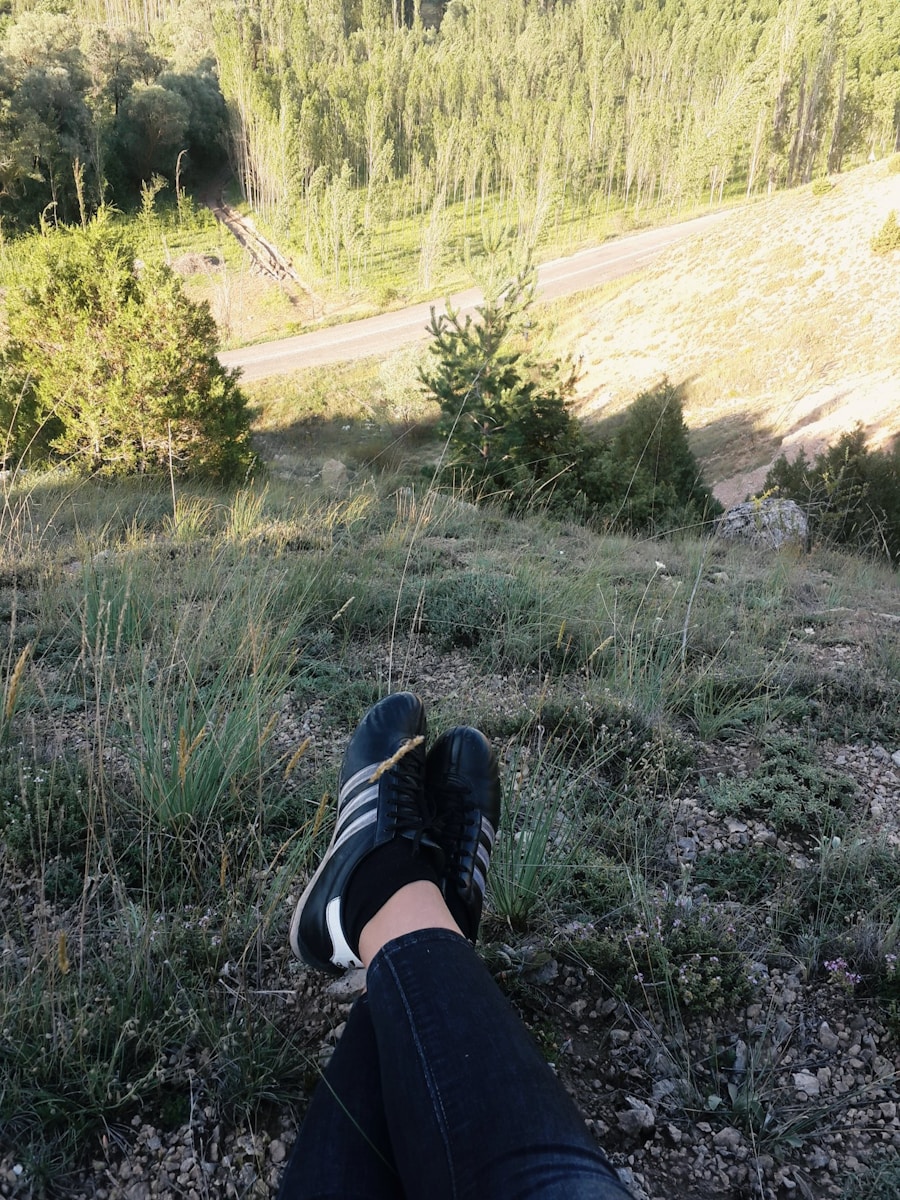
That does not make road shoes useless for hiking. A comfortable pair can work on paved greenways, smooth crushed-gravel paths, and easy dry trails. Once the trail becomes loose, muddy, steep, rocky, or covered in roots, however, traction and protection become more important.
Trail-Running Shoes
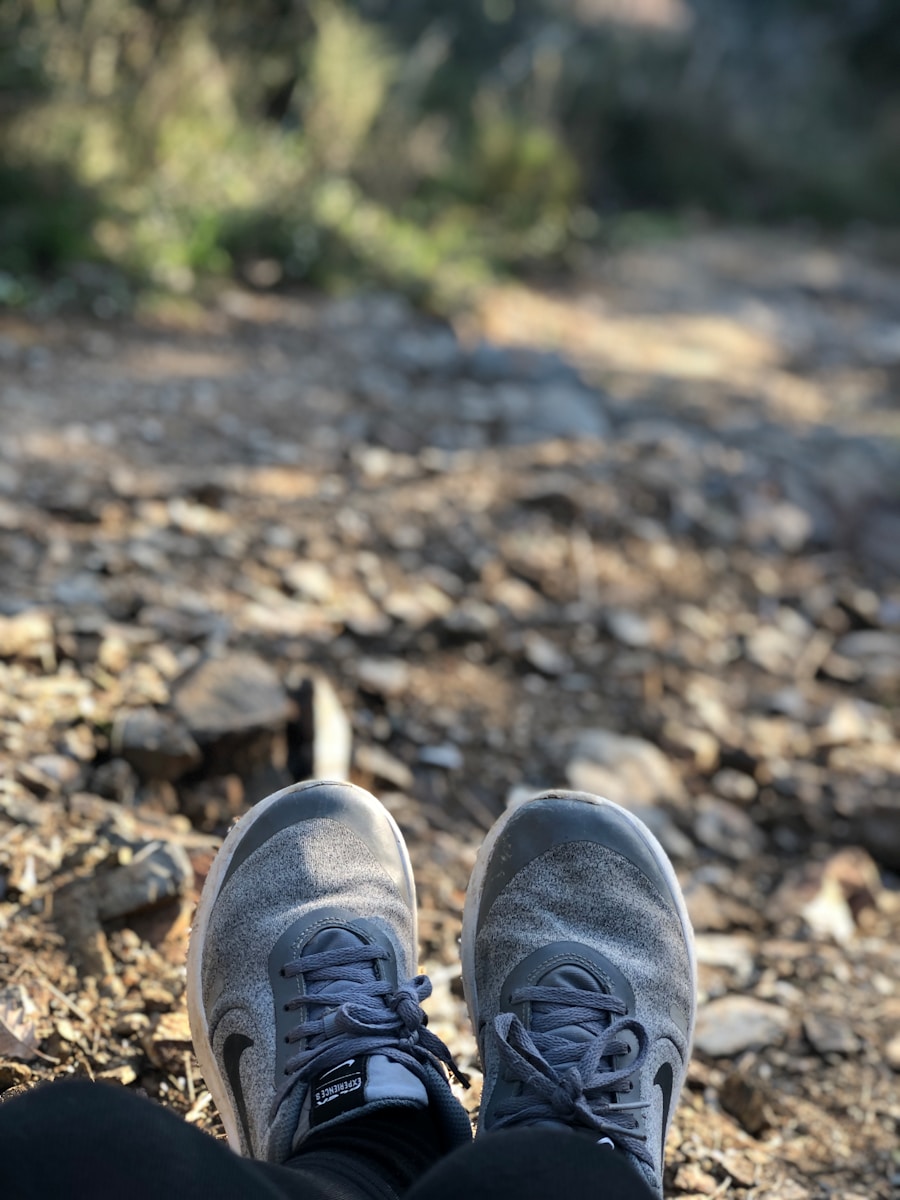
Trail-running shoes are running shoes specifically designed for off-road terrain. Current trail-running footwear guidance from REI describes features such as lugged outsoles, tougher uppers, toe protection, and, on some models, rock plates or other structures that protect the foot from rough ground.
Some trail runners are designed for smooth hard-packed paths, while others are made for steep, rocky, muddy, or technical terrain. This makes the type of running shoe far more important than the label “running shoe” by itself.
Hiking Shoes and Hiking Boots
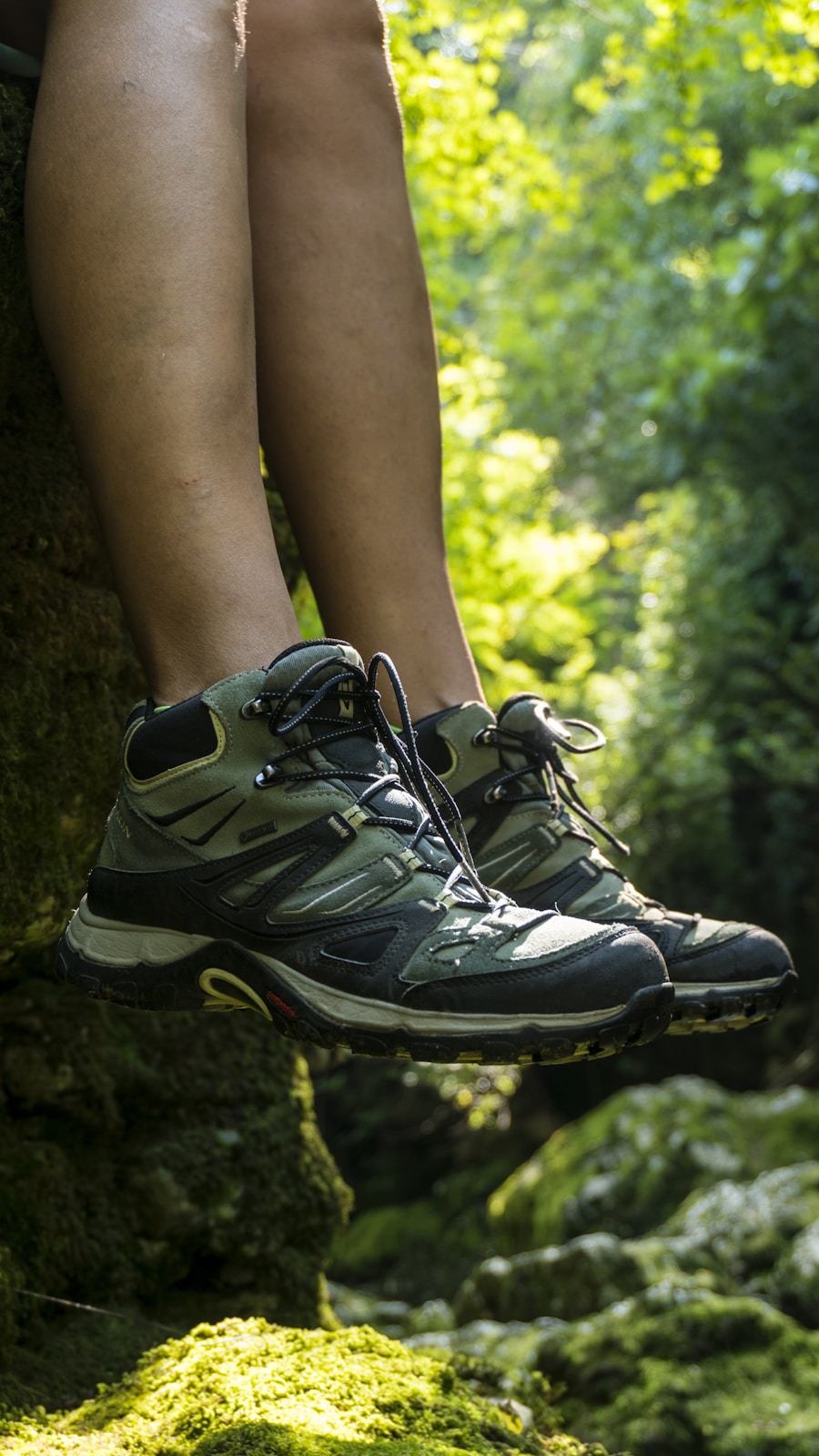
Hiking shoes are usually low-cut like trail runners but tend to use a more structured upper and moderately firm platform. Hiking boots extend higher around the ankle and are often heavier, stiffer, and more protective.
According to REI’s current hiking footwear guide, lighter hiking shoes and trail runners can suit light to moderate terrain, while more robust boots become more useful as terrain, pack load, and environmental demands increase.
Many hiking boots also use water-resistant leather, synthetic materials, or waterproof membranes. That can help in cold or damp conditions, although waterproof footwear is usually less breathable than an equivalent non-waterproof shoe.
Considerations for Using Running Shoes for Hiking
Before hiking in running shoes, consider the trail rather than choosing footwear by habit. The key factors are terrain, traction, pack weight, weather, protection, fit, and your own history with footwear.
Terrain and Traction
A road-running shoe may be perfectly comfortable on a paved walking route or smooth, dry trail. On loose gravel, mud, steep descents, roots, and uneven rock, a trail-running shoe or hiking shoe with a purpose-built outsole is a better match.
Lug design matters too. Shallow, closely spaced lugs generally work well on firm, dry trails. Deeper and more widely spaced lugs can bite more effectively into loose soil and mud while allowing debris to clear from the outsole.
Rubber compound also affects grip. A softer, stickier outsole may grip rock better but wear faster, while harder rubber can trade some grip for durability.
Pack Weight
The amount you carry can change how supportive a shoe feels. A lightweight trail runner that feels excellent on a day hike may feel less stable when you add a multiday backpack.
The Appalachian Trail Conservancy notes that lightweight trail runners are popular among hikers, while more substantial hiking shoes or boots may be desirable when carrying a backpack or traveling over rocky ground.
Weather and Water
Running shoes are often more breathable than waterproof hiking boots, but that is not automatically a disadvantage in rain. A breathable non-waterproof trail runner can drain and dry relatively quickly after getting soaked.
A waterproof shoe or boot is more attractive in cold, damp conditions, wet grass, light snow, or situations where water is unlikely to enter over the collar. In warm weather or repeated water crossings, a waterproof membrane may trap heat and can also hold water inside after the shoe becomes submerged.
Note: “Waterproof” and “best for wet hiking” are not the same thing. For a warm trail with unavoidable stream crossings, breathable quick-drying footwear may be more practical than a waterproof membrane.
Ankle Support and Stability
Hiking boots generally have a higher and more structured collar than running shoes, so they can feel more supportive around the ankle. That can be valuable to hikers who prefer a firmer platform, carry a heavier load, or have found low-cut footwear uncomfortable on rough ground.
However, it is too strong to say that a higher boot automatically prevents ankle sprains. Research indexed by the U.S. National Library of Medicine shows that ankle-injury prevention involves more than footwear height, and earlier clinical literature has found the preventive benefit of high-top shoes alone to be uncertain.
If you have recurring ankle instability or a history of significant sprains, choose footwear based on professional advice and your individual needs rather than assuming any boot collar provides guaranteed protection.
Local Trail Conditions
Footwear that works well on one hike may be a poor choice on another. The National Park Service emphasizes sturdy footwear and suitable traction, and individual parks may give more specific recommendations based on local rock, mud, ice, elevation, or exposure.
Warning: Do not choose footwear solely because a trail is labeled “easy,” “moderate,” or “hard.” Recent rain, snow, ice, loose rock, steep drop-offs, or a heavy pack can change what footwear is appropriate. Check current trail conditions before leaving.
Benefits of Using Running Shoes for Hiking
| Potential Benefit | What It Means on a Hike |
| 1. Lightweight | Many running shoes weigh less than traditional hiking boots and can feel nimble over long distances. |
| 2. Breathable | Mesh uppers can release heat and moisture effectively in warm conditions. |
| 3. Comfortable | Familiar cushioning and flexible construction can feel comfortable for hikers who already use the shoes regularly. |
| 4. Good traction | Trail-running models can provide excellent grip when their lug pattern and rubber compound match the terrain. |
| 5. Shock absorption | Cushioned midsoles can soften repeated impacts, particularly on firm trails and descents. |
| 6. Flexibility | A flexible shoe can make quick foot placement and changes of direction feel natural. |
| 7. Durability | Durability varies. Rugged trail-running shoes are built to resist trail abrasion better than ordinary road shoes, although they are generally less burly than heavy hiking or backpacking boots. |
Weight is one of the biggest reasons hikers choose running shoes. A lightweight shoe can feel quicker and less cumbersome than a stiff boot, particularly when you are covering many miles with a light pack.
Comfort is another advantage. Running shoes typically use flexible midsoles and cushioning that feel familiar immediately. Trail-running shoes often require little or no traditional break-in period, unlike some leather or heavy backpacking boots.
Breathability can also be useful during hot-weather hiking. Mesh uppers allow heat to escape and can dry faster after sweat, shallow water, or rain than many waterproof boots.
Agility depends more on the specific shoe than on how close your foot is to the ground. Some modern running shoes have very thick midsoles, while others have low-profile platforms. What matters is whether the combination of fit, outsole, cushioning, and stability feels controlled on the terrain you are hiking.
Pro Tip: If you already own comfortable running shoes, inspect the outsole before buying new footwear. A road shoe with almost no trail tread may be fine for a paved route, while a trail runner with secure fit, intact lugs, and adequate protection may already be suitable for many day hikes.
Drawbacks of Using Running Shoes for Hiking
Running shoes also have limitations. The most important is not simply that they are low-cut; it is that lightweight footwear may provide less structure, underfoot protection, abrasion resistance, and load support than a hiking shoe or boot.
Ordinary road-running outsoles may struggle on mud, loose gravel, wet roots, or steep dirt. Trail runners solve much of this problem with lugged tread, but different tread patterns still perform differently on rock, mud, hardpack, and mixed terrain.
Some running shoes also expose more soft midsole foam or lightweight mesh to rocks and sharp debris. Over repeated rugged hikes, these materials can wear faster than the heavier rubber, leather, and reinforced synthetics commonly used in hiking footwear.
A soft, highly cushioned running shoe may also feel unstable to some hikers when carrying a heavy pack or walking across steep side slopes. Others prefer that same flexibility. There is no universal level of cushioning or stiffness that is best for every hiker.
Cold weather is another limitation. Highly ventilated running shoes that feel excellent in summer may offer too little warmth or weather protection in snow, freezing rain, or prolonged cold conditions.
Road Running Shoes vs. Trail Runners for Hiking
If you want to hike in running shoes, this is the most important comparison to make.
Road Running Shoes Are Best For
- Paved walking and multi-use paths
- Dry, firm park trails
- Short hikes with few rocks, roots, or steep sections
- Light day-hike loads
- Situations where you already know the shoe fits comfortably
Trail-Running Shoes Are Better For
- Dirt and gravel trails
- Roots and uneven surfaces
- Rocky sections where added toe or underfoot protection helps
- Loose, muddy, or moderately technical trails when the outsole is designed for those conditions
- Fast hiking, lightweight backpacking, and long-distance hiking for people comfortable in low-cut footwear
A rugged trail runner can be much closer to a hiking shoe in performance than it is to a typical road-running shoe. Look beyond the category name and examine the actual outsole, upper, midsole, fit, and protective features.
When Hiking Shoes or Boots Make More Sense
Running shoes are not automatically the best lightweight option. Choose a hiking shoe or boot when its added structure and protection better match the trip.
- Heavy backpack: A firmer platform may feel more controlled under additional load.
- Very rugged terrain: Stiffer midsoles, protective uppers, and robust outsoles can reduce the abuse your feet and footwear take from sharp rock and debris.
- Cold or snowy conditions: Insulated or waterproof boots can provide warmth and weather protection that ventilated running shoes lack.
- Off-trail travel: Brush, loose rock, scree, and uneven ground may justify more protection.
- Personal preference: Some hikers simply feel more stable and confident in a firm hiking shoe or higher boot.
Specific destinations may also recommend more substantial footwear. Follow current ranger or land-management guidance when local terrain presents unusual hazards.
Tips for Choosing the Right Running Shoes for Hiking
If running shoes suit your hiking plans, choose the pair according to fit and trail performance rather than cushioning alone.
Get the Fit Right
The shoe should feel secure around your heel and midfoot without squeezing your toes. Your toes need enough space to spread and to avoid repeatedly striking the front of the shoe on descents.
REI’s current hiking-footwear guidance recommends a snug-but-not-tight fit and roughly a thumb’s width between the longest toe and the end of the insole. Feet can also swell during the day and over long hikes, so try footwear with the socks you plan to use on the trail.
A proper fit is one of the best defenses against rubbing and blisters. The Appalachian Trail Conservancy likewise emphasizes well-fitting, broken-in footwear rather than treating one footwear category as mandatory for every hiker.
Choose an Outsole for Your Terrain
Look for durable rubber and a tread pattern suited to the ground you expect to encounter. Deep, widely spaced lugs are useful in soft dirt and mud. Shallower, tighter patterns generally feel smoother on firm trails and mixed road-to-trail routes.
Do not judge traction from lug depth alone. Rubber compound, lug shape, outsole coverage, and the condition of the tread all influence grip.
Look for Trail Protection
If you expect rocks and roots, consider a trail runner with a reinforced toe area, durable upper, and rock plate or protective midsole structure. These features can reduce direct pressure from sharp trail surfaces without requiring a full hiking boot.
Choose Cushioning You Can Control
Soft cushioning can feel comfortable, but more foam is not automatically better for hiking. The shoe should feel stable when you step on uneven rocks, traverse a slope, or descend. Some hikers prefer a firmer ride because it provides more ground feedback.
Decide Whether You Need Waterproofing
Choose a waterproof trail runner when keeping out cold moisture is more important than maximum ventilation. Choose a breathable non-waterproof model when heat, sweat, drainage, and quick drying are bigger concerns.
Wear Appropriate Socks
Moisture-managing wool or synthetic socks are a better hiking partner than socks that stay wet for long periods. The National Park Service recommends wool or synthetic moisture-wicking socks for longer hikes.
Test the Shoes Before a Long Hike
Take the shoes on a shorter local hike before using them on an all-day route or backpacking trip. Pay attention to heel movement, toe contact on descents, hot spots, side-to-side stability, and whether the tread feels secure on the surfaces you expect to encounter.
How to Care for Running Shoes When Using Them for Hiking
Running shoes used on trails collect more mud, grit, and debris than most road shoes. Regular cleaning helps keep the tread clear and gives you a chance to inspect the shoe for damage.
After a muddy hike, allow thick mud to loosen or brush off the worst debris. Use a soft brush or damp cloth with mild soap to clean the outsole and upper without aggressively scrubbing delicate mesh.
Brooks Running’s shoe-care guidance recommends hand cleaning rather than machine washing and advises against machine drying because excessive soaking and heat can damage fabric, foam, and other shoe materials.
Remove the insoles so the shoe can dry more thoroughly. Loosening or removing the laces also helps air reach the interior.
Allow the shoes to air-dry in a shaded, well-ventilated area. Avoid radiators, clothes dryers, hair dryers, or prolonged direct sunlight. High heat can distort foam, damage adhesives, and change the fit.
Do not store soaked shoes in a closed bag. Let the shoes and insoles dry completely first.
Know When the Shoes Are Too Worn for Hiking
Do not rely on mileage alone. Trail conditions, body weight, gait, outsole rubber, and shoe construction all affect wear. Inspect the shoes regularly and replace or retire them from demanding hikes when you notice:
- Worn or rounded-off lugs that no longer grip reliably
- Smooth outsole areas where tread has disappeared
- Cracked or separating outsole rubber
- Torn uppers that expose the foot to debris
- A midsole that feels uneven, unstable, or permanently compressed
- Persistent discomfort that was not present when the shoes were newer
A worn road or trail shoe may still be comfortable for casual use while no longer providing the traction or stability you want on a hike.
Making the Decision to Use Running Shoes for Hiking
The decision ultimately depends on the shoe, the hiker, and the route. Running shoes can offer low weight, flexibility, cushioning, and ventilation, but those advantages matter only when the footwear also provides enough traction and protection for the conditions.
For paved paths and easy dry trails, comfortable road-running shoes may be all you need. For most natural trails, trail-running shoes are a stronger running-shoe option because they add tread and protection specifically for off-road ground.
Hiking shoes and boots remain valuable when the trail becomes more rugged, the load becomes heavier, or conditions demand additional warmth, durability, or protection. The goal is not to choose the heaviest footwear possible; it is to choose footwear that matches the trip.
The best hiking footwear is the pair that fits your feet and provides enough traction, protection, and stability for the terrain and load you actually plan to carry.
If you are hiking in colder weather, footwear is only one part of staying comfortable. Other cold-weather gear can also matter, and this guide to a rechargeable hand warmer for travel covers another option for keeping warm during outdoor activities and travel.
Frequently Asked Questions
Can I use running shoes for hiking?
Yes. Running shoes can work for hiking when their traction, fit, protection, and stability match the route. Road-running shoes are best for paved or easy firm paths, while trail-running shoes are better suited to most natural trails.
What are the advantages of using running shoes for hiking?
Running shoes are often lightweight, flexible, breathable, and well cushioned. Trail-running models can add strong off-road traction and foot protection while remaining lighter and more flexible than many traditional hiking boots.
What are the disadvantages of using running shoes for hiking?
Compared with more substantial hiking footwear, lightweight running shoes may provide less underfoot protection, abrasion resistance, stiffness, warmth, and support under a heavy backpack. Ordinary road-running shoes can also have inadequate tread for mud, loose soil, or rocky trails.
What type of hiking is suitable for running shoes?
Road-running shoes can suit paved paths and easy, dry, well-maintained trails. Trail-running shoes can handle a much wider range of hiking, including dirt, gravel, roots, rocks, elevation changes, and moderately technical terrain when the model is designed for those conditions.
What type of hiking is not suitable for running shoes?
Lightweight running footwear may be a poor choice when you need specialized cold-weather protection, mountaineering footwear, compatibility with traction equipment, substantial protection for very rough off-trail travel, or a firmer platform for a heavy pack. The answer also depends on whether the shoe is a road runner or a rugged trail-running model.
Are trail-running shoes good for hiking?
Yes. Trail-running shoes are a common hiking choice because they combine low weight with trail-specific tread and protection. They are especially attractive for day hiking, fast hiking, and lightweight long-distance hiking, although hikers carrying heavier loads may prefer a more structured shoe or boot.
Do hiking boots prevent ankle sprains better than running shoes?
A higher boot collar can restrict ankle motion and provide a more supportive feel, but research has not established that high-top footwear alone reliably prevents ankle sprains. Previous injuries, terrain, conditioning, fatigue, fit, and other factors also affect risk.
Are waterproof running shoes better for hiking in rain?
Sometimes. Waterproof trail runners can be useful in cold, damp weather and shallow moisture, but they are less breathable and can hold water if it enters over the collar. In warm conditions with repeated stream crossings, a breathable non-waterproof shoe that drains and dries quickly may be more comfortable.
Sources
- REI Co-op — How to Choose Hiking Boots and Hiking Shoes — current footwear categories, terrain, fit, protection, and support considerations.
- REI Co-op — Trail-Running Shoes Buying Guide — trail outsole design, lugs, protection, and trail-running shoe construction.
- Appalachian Trail Conservancy — Gear & First Aid Kits — hiking footwear fit, trail runners, backpacks, and rocky-terrain guidance.
- U.S. National Park Service — Hike Smart — appropriate hiking footwear, traction, socks, and basic hiking-safety guidance.
- PubMed — Preventive Interventions for Lateral Ankle Sprains — evidence regarding ankle-sprain prevention and external support.
- Brooks Running — Running Shoe Cleaning Guidance — hand cleaning, outsole maintenance, and air drying.