
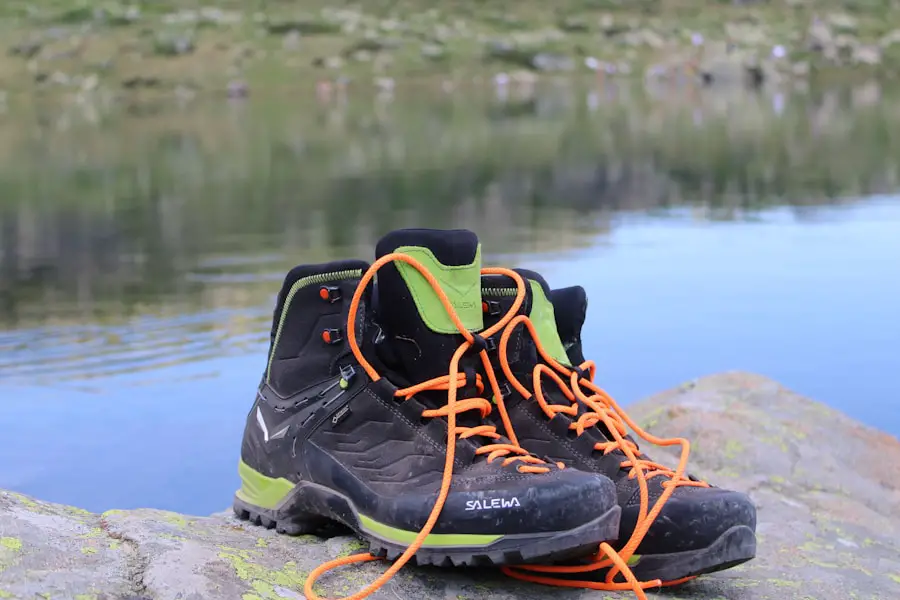
Hiking boots come in a variety of styles, each designed to cater to specific terrains and hiking conditions. Broadly, they can be categorized into three main types: lightweight hiking shoes, mid-cut boots, and heavy-duty backpacking boots. Lightweight hiking shoes are ideal for day hikes on well-maintained trails.
They offer flexibility and comfort, making them suitable for those who prioritize speed and agility over rugged support. These shoes often resemble trail running shoes but are built with more durable materials to withstand the rigors of outdoor activities. Mid-cut boots strike a balance between lightweight shoes and heavy-duty options.
They provide additional ankle support, making them suitable for uneven terrain and longer hikes. These boots are versatile, catering to both casual hikers and those who venture into more challenging environments. On the other hand, heavy-duty backpacking boots are designed for serious trekkers who carry substantial loads over rough terrain.
These boots typically feature stiffer soles and robust construction to provide maximum support and protection. Understanding these distinctions is crucial for selecting the right footwear based on the intended hiking experience.
Key Takeaways
- Hiking boots come in different types such as trail shoes, hiking shoes, hiking boots, and mountaineering boots, each designed for specific terrains and activities.
- When choosing hiking boots, consider factors such as the type of terrain you will be hiking on, the weight of your pack, and the weather conditions you will encounter.
- Finding the right fit for your feet is crucial for comfort and preventing blisters and injuries. Consider factors such as width, arch support, and lacing systems.
- Hiking boots are made from various materials such as leather, synthetic fabrics, and waterproof membranes, each offering different levels of durability and breathability.
- Waterproofing and breathability are important features to consider in hiking boots, especially if you will be hiking in wet or humid conditions. Look for boots with waterproof membranes and breathable linings.
- Support and stability features in hiking boots, such as ankle support, shanks, and outsole traction, are important for preventing injuries and providing stability on uneven terrain.
- Durability and longevity are important considerations when investing in hiking boots. Look for boots with reinforced toe caps, durable outsoles, and high-quality construction.
- Budget-friendly options for hiking boots are available, but consider the trade-offs in terms of features and durability when opting for lower-priced options.
Factors to Consider When Choosing Hiking Boots
When selecting hiking boots, several factors come into play that can significantly influence comfort and performance on the trail. One of the primary considerations is the type of terrain you will be traversing. Rocky paths, muddy trails, or snow-covered landscapes each demand different features from your footwear.
For instance, if you plan to hike in rocky areas, a boot with a stiffer sole and enhanced toe protection will be essential to prevent injuries and provide stability. Conversely, if your hikes are primarily on well-groomed paths, a lighter shoe may suffice. Another critical factor is the climate in which you will be hiking.
Weather conditions can vary dramatically, affecting not only comfort but also safety. In warmer climates, breathability becomes paramount; thus, opting for boots with mesh panels can help keep your feet cool. In contrast, if you anticipate wet conditions or snow, waterproofing features become essential.
Additionally, consider the length of your hikes; longer treks may necessitate more robust support and cushioning to prevent fatigue and discomfort over time.
Products Worth Considering

OMNI-TECH: For prolonged exposure to moderate rain and snow. Multilayered, waterproof, seam-sealed construction that allows the inside to breathe, keeping feet dry and comfortable no matter the conditions.
TOTAL WATERPROOF PROTECTION: These hiking boots feature a sealed waterproof membrane that locks out rain, slush, and mud. Your feet stay dry and comfortable during all-day outdoor adventures, from forest trekking to wet camping mornings
ADVANCED TECHNOLOGY: The Newton Ridge Plus Waterproof Amped Hiking Boot features a seam-sealed construction, combined with our TECHLITE lightweight midsole, for long-lasting comfort with superior cushioning and high energy return.
Finding the Right Fit for Your Feet
Achieving the perfect fit is perhaps the most crucial aspect of selecting hiking boots. An ill-fitting boot can lead to blisters, discomfort, and even injuries during your hike. To find the right fit, it is advisable to try on boots at the end of the day when your feet are slightly swollen from daily activities.
This ensures that you account for any natural expansion that occurs during prolonged wear. When trying on boots, wear the same type of socks you plan to use while hiking; this will give you a more accurate sense of how the boot will feel in real conditions. Pay attention to several key areas when assessing fit: the toe box should allow for some wiggle room without excessive movement, while the heel should fit snugly to prevent slippage.
A good test is to walk around in the boots on an incline; your toes should not hit the front of the boot when going downhill. Additionally, consider the width of your foot; many brands offer various widths to accommodate different foot shapes. If you have particularly wide or narrow feet, seeking out brands that cater specifically to those needs can enhance comfort significantly.
Material and Construction of Hiking Boots
| Brand | Material | Construction |
|---|---|---|
| Salomon | Gore-Tex, leather, rubber | Waterproof construction, Contagrip outsole |
| Merrell | Leather, mesh, Vibram rubber | Moisture-wicking lining, air cushion in heel |
| Keen | Leather, textile, rubber | Metatomical footbed design, KEEN.DRY waterproof membrane |
The materials used in hiking boots play a significant role in their performance and durability. Most hiking boots are constructed from either leather or synthetic materials, each offering distinct advantages. Leather boots are renowned for their durability and ability to mold to the shape of your foot over time, providing a custom fit.
They also tend to be more resistant to abrasions and offer excellent protection against sharp rocks and branches. However, leather can be heavier and may require a break-in period before they become comfortable. Synthetic materials, such as nylon or polyester, are often lighter and dry more quickly than leather.
These materials can also provide excellent breathability, making them suitable for warmer climates or high-intensity hikes. Many modern hiking boots combine both materials to leverage their respective strengths; for example, a boot may feature a leather toe cap for protection while utilizing synthetic mesh for breathability. The construction method also matters; boots that are stitched rather than glued tend to offer greater durability and longevity.
Products Worth Considering
ADVANCED TECHNOLOGY: Columbia Men's Newton Ridge Plus II Waterproof Hiking Boot features our lightweight, durable midsole for long lasting comfort, superior cushioning, and high energy return as well as an advanced traction rubber sole for slip-free movement on rough ground.
ALL-DAY COMFORT: Featuring the ATS technology, the Terrain hiking boots offer durability and all-day comfort; These men’s hiking and endurance boots are prepared to take challenges head on; In addition to being ready to tackle the trail, they’re also stirrup friendly to keep you comfortable on horseback as well
Waterproof Build: These men’s hiking boots feature a waterproof membrane construction that keeps your feet dry when trudging through any mud or water.
Waterproofing and Breathability in Hiking Boots
Waterproofing is a critical feature for hikers who encounter wet conditions or plan to traverse streams and muddy trails. Many hiking boots incorporate waterproof membranes such as Gore-Tex or proprietary technologies that prevent water from entering while allowing moisture from sweat to escape. This dual functionality is essential for maintaining comfort during long hikes; wet feet can lead to blisters and discomfort, significantly detracting from the overall experience.
However, breathability is equally important, especially in warmer climates or during strenuous hikes where sweat accumulation can become an issue. A boot that is entirely waterproof may trap moisture inside if it lacks adequate ventilation features. Therefore, finding a balance between waterproofing and breathability is key.
Some manufacturers design their boots with strategically placed mesh panels that enhance airflow without compromising waterproof capabilities. When selecting a boot, consider your typical hiking conditions; if you often hike in wet environments but also face warm temperatures, look for models that excel in both areas.
Products Worth Considering
Comfortableness: NORTIV 8 Men's Waterproof Hiking Boots certainly delivers on all-day comfort! Removable and shock-absorbent cushioned insoles offer the support for your feet.
Mens hiking boots made of premium synthetic suede. SL-TEX waterproof membrane prevents water from entering and volatilizes water vapor. Ultra-light weight: 1.25lb (size 10)
OMNI-TECH: For prolonged exposure to moderate rain and snow. Multilayered, waterproof, seam-sealed construction that allows the inside to breathe, keeping feet dry and comfortable no matter the conditions.
Support and Stability Features in Hiking Boots
Support and stability are paramount when navigating uneven terrain or carrying heavy loads on your back. Hiking boots are designed with various features that enhance these aspects, including ankle support, cushioning systems, and shank plates. Ankle support is particularly important for preventing sprains on rocky or uneven trails; mid-cut or high-cut boots typically provide better support than low-cut options.
The height of the boot can help stabilize your ankle during lateral movements, which is crucial when traversing challenging landscapes. Cushioning systems within the boot also contribute significantly to comfort and support. Many brands incorporate EVA (ethylene-vinyl acetate) foam or other advanced cushioning materials in their midsoles to absorb shock and reduce fatigue during long hikes.
Additionally, shank plates—rigid components placed between the outsole and midsole—enhance stability by preventing excessive flexing of the boot when walking on uneven surfaces. When evaluating potential hiking boots, consider how these features align with your specific hiking style and terrain preferences.
Products Worth Considering
Fabric Features: Using our latest technology, experience ultimate comfort with our buttery soft, sweat-wicking, quick-drying and breathable leggings. The non see-through, 4-way super stretch fabric ensures lasting color and comfortable extension. Stay cool and dry with its temperature regulating and moisture resistant properties. Say goodbye to shrinking and fading!
TOWN OR TRAIL: Experience heel-to-toe comfort wherever you roam, and keep your style streamlined in this versatile low cut men’s shoe
WATERPROOF & PROTECTION: KEEN.DRY breathable membrane keeps feet dry and comfortable by allowing vapor out without letting water in; Bruise plate for protection on uneven surfaces; High abrasion rubber toe guard for added durability
Durability and Longevity of Hiking Boots
The durability of hiking boots is a vital consideration for any outdoor enthusiast. A well-constructed pair of boots should withstand the rigors of various terrains while maintaining their structural integrity over time. Factors influencing durability include the quality of materials used, construction methods, and overall design features.
Leather boots tend to have a longer lifespan due to their robust nature; however, they require proper care to prevent cracking or drying out. Synthetic materials have come a long way in terms of durability as well; many modern synthetics are designed to resist abrasions and tears while remaining lightweight. The stitching quality also plays a crucial role; double-stitched seams are generally more durable than single-stitched ones.
Additionally, consider how often you plan to hike; if you’re an avid hiker who spends considerable time on rugged trails, investing in a higher-quality pair may save you money in the long run by reducing the need for frequent replacements.
Budget-Friendly Options for Hiking Boots
While high-quality hiking boots can be an investment, there are numerous budget-friendly options available that do not compromise on performance or comfort. Many reputable brands offer entry-level models designed specifically for casual hikers or those new to the sport. These models often incorporate essential features such as decent traction, moderate waterproofing, and adequate support without the premium price tag associated with advanced technologies.
Shopping during off-season sales or exploring outlet stores can yield significant savings on quality hiking footwear. Additionally, consider purchasing last season’s models; they often come with substantial discounts while still providing reliable performance on the trail. Online retailers frequently offer competitive pricing as well as customer reviews that can guide your decision-making process when selecting budget-friendly options without sacrificing quality or comfort.
If you’re looking for the perfect gear for your outdoor adventures, you may also be interested in checking out this article on the best solar-powered camping lanterns. Just like finding the right hiking boots is essential for a successful hike, having a reliable source of light during your camping trips can make all the difference.
Love travel? Join Our Facebook Community For More Tips.
Products Worth Considering
DESIGNED FOR THE MOUNTAIN AND TRAIL HIKER - Synthetic padded collar provide extra ankle support and secure footing, while rugged soles provide ultimate traction on variable surfaces in all weather conditions for camping and hiking.
Lightweight & Comfortable: These men’s boots boast a lightweight design that won’t weigh you down. Each shoe only weighs about 14.2 oz, ensuring you walk with ease. The padded collar provides good ankle support when walking on rugged trails.
Waterproof & protection: Men hiking boots features waterproof synthetic leather and waterproof membrane construction that keeps your feet cool and dry. The rubber toe cap and the reinforced heel are designed for anti-collision, strenghthening the stability of the shoes which gives your ankle more protection.
FAQs
What are good hiking boots?
Good hiking boots are durable, provide good ankle support, have a sturdy sole with good traction, and are comfortable for long hikes.
What should I look for in a good hiking boot?
When looking for a good hiking boot, consider the fit, ankle support, waterproofing, breathability, traction, and the type of terrain you will be hiking on.
What are the different types of hiking boots?
There are three main types of hiking boots: hiking shoes (low-cut), hiking boots (mid-cut), and backpacking boots (high-cut). Each type offers different levels of ankle support and protection.
How do I choose the right hiking boot for me?
To choose the right hiking boot, consider the type of terrain you will be hiking on, the weight of your pack, your foot shape and size, and any specific features you may need such as waterproofing or insulation.
How should hiking boots fit?
Hiking boots should fit snugly but not too tight, with enough room in the toe box to wiggle your toes. It’s important to try on hiking boots with the socks you plan to wear while hiking to ensure the right fit.
How do I care for my hiking boots?
To care for hiking boots, clean them regularly, remove dirt and debris, and apply waterproofing treatment as needed. Store them in a cool, dry place to prevent mold and mildew.