
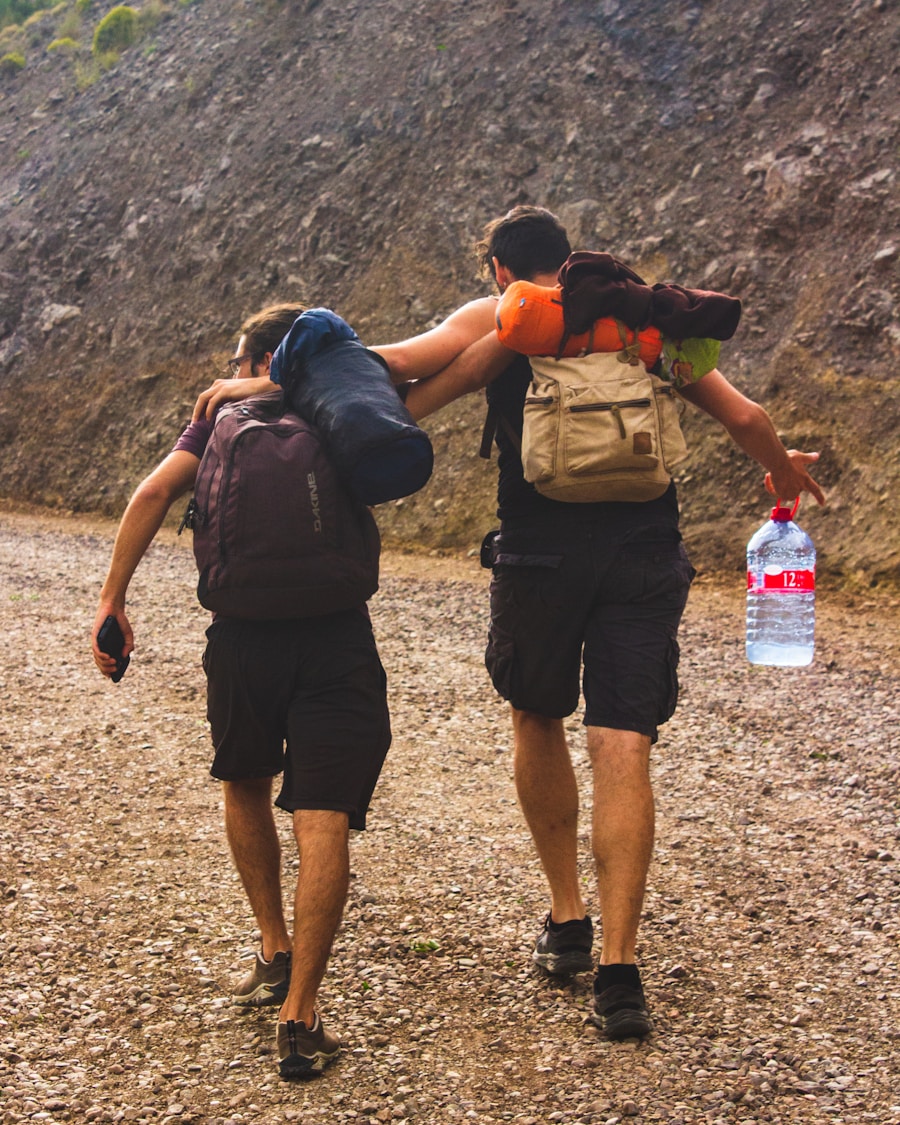
Last Updated on September 10, 2026 by Daniel Globe
Training for hiking is more than getting generally fit. Long climbs, uneven ground, repeated descents, and a loaded backpack challenge your legs, lungs, balance, and endurance in ways that a short gym workout may not. The best preparation combines aerobic conditioning, strength work, hill practice, recovery, and progressively longer hikes that resemble the trip you are preparing for.
Quick Answer
To train for hiking, build aerobic endurance, strengthen your legs and core at least twice a week, practice hills and uneven terrain, and gradually add longer hikes with your planned pack. A focused 6- to 8-week block works well for many recreational hikers, but your starting fitness and target hike should determine the pace.
Key Takeaways
- Train for the hike you actually plan to do: consider mileage, elevation gain, terrain, altitude, and pack weight.
- Build endurance with easy-to-moderate aerobic work plus progressively longer walks or hikes.
- Strength train the legs, hips, calves, back, and core at least twice per week when your schedule allows.
- Practice climbing and descending. Hills, stairs, step-ups, and an incline treadmill can all help.
- Add pack weight gradually rather than starting with a fully loaded backpack.
- Fuel and hydrate according to session length, weather, effort, and your individual sweat rate instead of following a one-size-fits-all rule.
- Use rest days and easier weeks to absorb the training rather than making every workout hard.
- Fitness helps you perform at altitude, but it does not prevent altitude illness. Acclimatization still matters.
At a Glance
| Time Required | About 6–8 weeks for a focused recreational hiking block; longer for major mileage, elevation, altitude, or a low starting fitness level |
| Difficulty | Beginner to intermediate; scale the volume and resistance to your current ability |
| Tools Needed | Hiking footwear, backpack, hills or stairs; optional resistance bands, dumbbells, trekking poles, or incline treadmill |
| Cost | Potentially $0 using walking, stairs, bodyweight exercises, and gear you already own; more if you buy equipment or use a gym |
Disclosure: As an Amazon Associate I earn from qualifying purchases. Some links on this page are affiliate links, at no extra cost to you.
Start With the Hike You Are Training For
Before choosing workouts, define the trip. A five-mile local trail with gentle grades requires different preparation from a 15-mile mountain day with several thousand feet of climbing.
Write down five things: expected distance, elevation gain and loss, terrain, pack weight, and the amount of time you expect to be moving. Also note whether the trip involves heat, cold, or high altitude. Your training should gradually become more similar to those demands without trying to duplicate the entire hike every weekend.
General health guidelines are a useful starting point. Current U.S. guidance recommends that adults accumulate at least 150 minutes of moderate-intensity aerobic activity each week and perform muscle-strengthening work on at least two days. Hiking preparation may require more activity than that, depending on the objective, but beginners can build toward it gradually. The HHS Move Your Way activity planner provides the current general activity framework.
Warning: Stop exercising and seek medical guidance for chest pressure or pain, fainting, marked dizziness or confusion, unusual severe shortness of breath, or a fast or irregular heartbeat that feels abnormal. If you have a chronic medical condition, have been inactive, or plan to jump directly into vigorous exercise, ask a qualified health professional what level of training is appropriate for you.
Choosing the Right Gear
Footwear: The Foundation of Comfort
Train in footwear that is appropriate for the terrain you expect to hike. Trail-running shoes often emphasize traction and flexibility, while hiking shoes and boots can provide different levels of protection, stiffness, and support. There is no single best style for every hiker.
Fit matters more than labels. Your heel should feel secure, your toes should have room to move without striking the front on descents, and there should be no obvious rubbing or pressure points. Test footwear on progressively longer outings before the main trip rather than discovering a fit problem several miles from the trailhead.
Clothing Choices for Comfort and Weather
Use clothing that allows you to move freely and manage sweat. Moisture-managing base layers can be more comfortable during hard climbs than heavy cotton garments that stay wet. In changeable weather, carry layers that can be added or removed as your effort and the temperature change.
Accessories for Protection and Visibility
A light rain shell can provide protection from wind and rain. Depending on the trip, hats, gloves, sunglasses, sunscreen, a headlamp, trekking poles, and other trail essentials may also be useful. Training hikes are the best time to learn where everything sits in your pack and whether you can reach frequently used items easily.
Pro Tip: Treat longer training hikes as gear rehearsals. Wear the socks, footwear, backpack, layers, and trekking poles you expect to use on the real trip. Small comfort problems are much easier to fix during training than halfway through a long hike.
Nutrition and Hydration
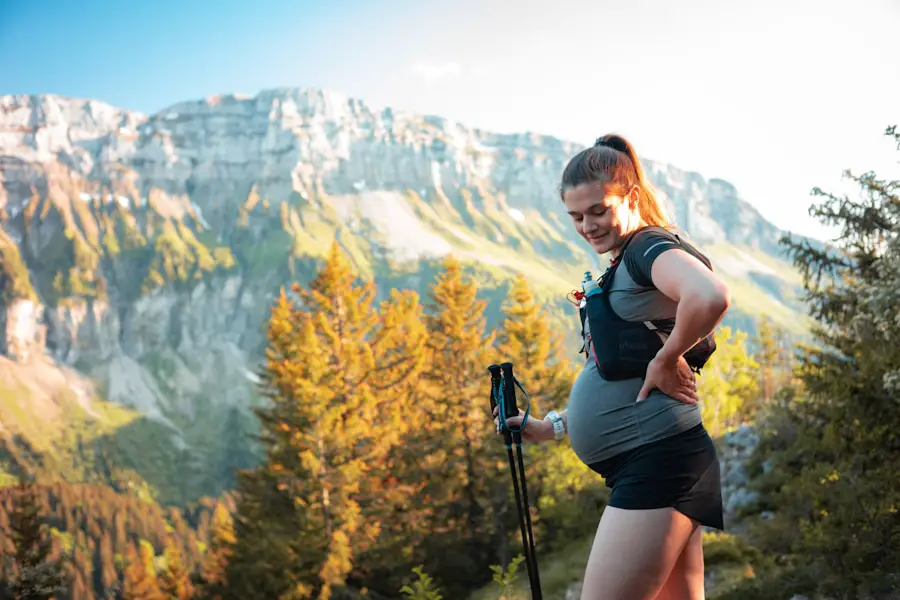
Good hiking training requires enough food to support both the workout and recovery. Carbohydrates are an important fuel during endurance exercise, while adequate protein supports muscle repair and adaptation. Fruits, vegetables, whole grains, dairy or alternatives, protein-rich foods, and healthy fats can all contribute to an everyday training diet.
For ordinary short workouts, most people do not need a complicated sports-fueling strategy. As sessions become longer or harder, eating during exercise becomes more useful. Sports-nutrition guidance supports roughly 30–60 grams of carbohydrate per hour during prolonged higher-intensity endurance exercise, although a recreational hiker should adjust intake to the pace, duration, gastrointestinal tolerance, and overall food needs of the day. The International Society of Sports Nutrition position stand on nutrient timing provides more detail.
Hydration should also be individualized. Sweat rate can change greatly with temperature, humidity, clothing, body size, pace, and acclimatization. Drink enough to avoid excessive dehydration, but do not force large amounts of plain water simply because you are exercising. Sports-medicine guidance warns that both too little fluid and overdrinking can cause problems. The National Athletic Trainers’ Association fluid-replacement position statement recommends developing hydration strategies around individual sweat losses and conditions.
Warning: More water is not always better. Drinking well beyond your losses can dilute blood sodium and contribute to exercise-associated hyponatremia. Long, hot, high-sweat outings may require fluid plus food or beverages containing sodium, but needs differ from person to person.
You also do not need to race a universal 30-minute post-workout clock. After a long or difficult session, eat a meal or snack containing carbohydrate and protein when practical. Faster carbohydrate replacement becomes more important when another demanding session is scheduled within only a few hours.
Building Endurance for Hiking
Hiking endurance is largely about becoming comfortable moving for a long time at a sustainable effort. Easy and moderate aerobic sessions create that foundation, while longer walks and hikes teach your feet, legs, and shoulders to tolerate extended time on the trail.
Most endurance work should feel controlled. A simple test is whether you can still speak in sentences. Hard intervals and hill repeats can improve fitness, but they are additions to the endurance base, not replacements for it.
| Exercise | Example Duration | Suggested Effort |
|---|---|---|
| Walking or hiking | 45–120+ minutes | Easy to moderate; most hiking-specific option |
| Running | About 30 minutes | Easy to moderate unless it is a planned interval day |
| Cycling | About 45 minutes | Easy to moderate for aerobic conditioning |
| Swimming | About 40 minutes | Easy to moderate cross-training |
| Stairs or incline treadmill | 20–45 minutes | Moderate; excellent when outdoor hills are unavailable |
Increase training gradually rather than changing distance, pack weight, elevation, and intensity all at once. There is no universal percentage increase that guarantees safety. If a longer hike leaves you unusually sore or exhausted for several days, repeat or reduce the workload instead of automatically progressing.
Strength Training for Hiking
Stronger legs and hips can make climbing, stepping over obstacles, and controlling descents feel more manageable. Your trunk and upper back also work to stabilize your body and support a backpack.
Current 2026 American College of Sports Medicine resistance-training guidance emphasizes consistent, progressive strength work rather than complicated routines. Bodyweight movements, resistance bands, free weights, and machines can all be useful.
A Simple Hiking Strength Workout
For a general hiking-focused session, choose resistance that allows controlled technique. Beginners can start with one or two sets and build toward two or three sets as they adapt.
- Step-ups: 8–12 repetitions per leg. Use a step height you can control without pushing off excessively from the trailing foot.
- Squats or sit-to-stands: 8–12 repetitions.
- Reverse lunges or split squats: 6–12 repetitions per side.
- Hip hinges or Romanian deadlifts: 8–12 repetitions with bodyweight, bands, dumbbells, or another suitable resistance.
- Calf raises: 10–15 repetitions, progressing to single-leg versions when appropriate.
- Rows: 8–12 repetitions using a band, cable, dumbbell, or machine to strengthen the upper back.
- Plank, side plank, or dead bug: controlled repetitions or holds that let you maintain a neutral trunk position.
Increase resistance only after the current workload feels controlled. You do not need to train every set to complete muscle failure to become stronger.
Do Not Forget Balance
Uneven trails also demand single-leg control. Add simple balance work such as standing on one leg near a stable support, controlled lateral step-downs, or slow single-leg reaches. Make the task harder gradually rather than jumping directly to unstable equipment.
Consistency beats complexity: two repeatable strength sessions each week are more useful than an elaborate program you cannot sustain.
A Practical 8-Week Hiking Training Plan
The following schedule is a flexible template for a generally healthy recreational hiker. Start below these amounts if you are currently inactive. If you already hike regularly, you may begin farther into the progression or increase specificity rather than simply adding more volume.
| Weeks | Strength | Aerobic / Hills | Long Hiking Practice |
|---|---|---|---|
| 1–2 | 2 light-to-moderate full-body sessions | 2 easy aerobic sessions of roughly 30–45 minutes | 45–75 minutes on comfortable terrain |
| 3–4 | 2 progressive strength sessions | 2 sessions of 35–50 minutes; introduce hills, stairs, or incline walking | 75–120 minutes; begin using a light pack |
| 5–6 | 2 strength sessions, emphasizing step-ups, lunges, hinges, calves, and core | 1 easy aerobic session plus 1 hill/stair session | About 2–3 hours when appropriate; progressively increase terrain difficulty and pack load |
| 7 | 2 sessions, but reduce unnecessary fatigue | 1 easy session plus 1 hike-specific climbing session | Dress rehearsal on terrain similar to the goal, using close to the planned pack load |
| 8 | 1 lighter session early in the week | Short, comfortable aerobic work | Reduce training before the trip so you begin rested rather than exhausted |
A weekly schedule might use two nonconsecutive strength days, two aerobic days, one longer hike, and one or two rest or very easy days. The exact arrangement matters less than avoiding a pileup of hard workouts with no recovery.
Note: Eight weeks is a practical framework, not a medical or performance guarantee. A demanding backpacking trip, major altitude gain, very high mileage, or a low starting fitness level may justify several months of preparation.
Trail-Specific Training
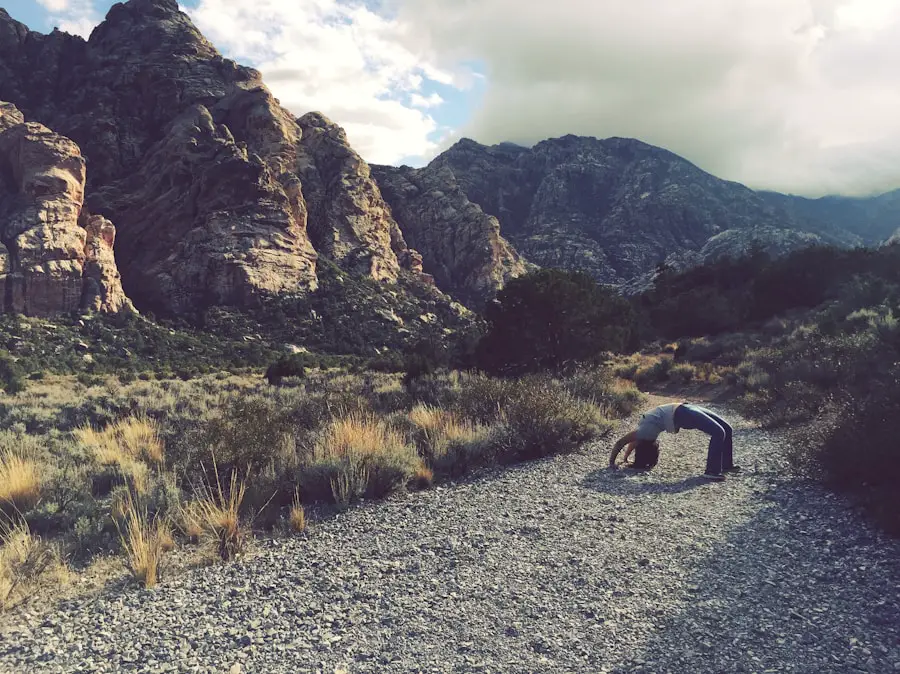
Specificity matters as the trip gets closer. Roads, treadmills, cycling, swimming, and gym work can build fitness, but they do not fully reproduce rocks, roots, loose surfaces, uneven steps, and repeated changes in grade.
Practice Climbing
Use hills, stairs, step-ups, or incline treadmill walking to prepare for sustained climbing. Keep most early sessions controlled. Later, short hill intervals can add intensity when your aerobic base and joints already tolerate regular hiking.
Practice Descending
Descents deserve training too. Walking downhill creates substantial braking work for the quadriceps and can cause soreness even in hikers with strong uphill fitness. Start with short, gentle descents and build toward steeper or longer downhill work gradually. Stay controlled rather than racing downhill simply to make the session harder.
Use Trail Running as Optional Cross-Training
Trail running can improve aerobic fitness and expose experienced runners to variable terrain. It is optional, not required for hiking preparation. New hikers do not need to become runners to get ready for a long hike. Brisk walking, incline walking, cycling, swimming, and hiking can all build useful endurance.
Train With Your Backpack
Begin with a light pack and add weight gradually as your shoulders, back, hips, and feet adapt. In the final weeks, complete at least one substantial training hike with a pack close to what you expect to carry. Avoid making the pack much heavier than your real trip simply to make training feel tougher.
Pro Tip: No hills nearby? Combine stair climbing, step-ups, treadmill incline walking, and longer flat walks. You can build strong hiking fitness without living next to a mountain.
Train for Heat, Altitude, and Changing Weather
Cardiovascular fitness does not remove environmental risk. If your trip will be much hotter than your normal training conditions, gradually introducing exercise in the heat can improve heat tolerance. CDC/NIOSH guidance describes heat acclimatization as a gradual process that generally develops over about 7–14 days rather than in a single hot workout.
High altitude is different. A strong sea-level athlete can still develop altitude illness. The CDC Yellow Book guidance on high-altitude travel notes that fitness does not determine susceptibility; ascent rate and acclimatization are major factors. Any unacclimatized traveler sleeping around 8,000 feet or higher can be at risk.
Warning: Do not try to “out-train” altitude illness. Headache with nausea, dizziness, unusual fatigue, or other symptoms after ascent should be taken seriously. Severe symptoms require urgent descent and medical attention.
Injury Prevention and Recovery
No exercise routine can guarantee an injury-free hiking season. The goal is to build enough capacity for the workload while giving your body time to adapt.
Warm Up Before Hard Sessions
Begin with 5–10 minutes of easy walking, then use movements related to the workout: controlled bodyweight squats, leg swings, calf raises, marching, or easy step-ups. Static stretching can be useful when you want to work on flexibility, but stretching alone should not be treated as an injury-prevention strategy.
Separate Normal Effort From Warning Pain
Muscle fatigue and mild next-day soreness can occur as training increases. Sharp pain, pain that changes your walking pattern, rapidly increasing swelling, repeated joint instability, or symptoms that keep worsening should not be trained through blindly. Reduce the aggravating workload and seek appropriate clinical evaluation when symptoms are significant or persistent.
Schedule Recovery
Hard hill sessions, long hikes, and demanding strength workouts create stress that needs recovery. Easy days and rest days are part of the program. Sleep, adequate food, hydration, and a sensible training load help you arrive at the next workout ready to perform rather than carrying constant fatigue.
Cross-training can also reduce monotony and provide aerobic work without repeating exactly the same movement every day. Cycling and swimming are useful examples, although they should complement rather than completely replace time on your feet before a long hike.
Test Your Readiness Before the Trip
About one to two weeks before a major recreational hike, complete a dress-rehearsal outing that is challenging but still easier than the main objective. Use the footwear, backpack, food, water system, and clothing you plan to bring.
A useful rehearsal should answer practical questions:
- Can you maintain a steady pace without repeatedly exhausting yourself?
- Does your footwear remain comfortable after several hours?
- Can you eat and drink without stomach problems?
- Does the backpack stay comfortable as the hours pass?
- Can your legs control repeated descents without your form falling apart?
- Do you recover normally over the following day or two?
If the rehearsal exposes a problem, solve that problem rather than squeezing in a last-minute fitness test. The final days before the hike are better used to arrive rested.
Mental Preparation
Long hikes are not only physical. Fatigue, changing weather, slow climbs, and unexpected trail conditions can make a manageable route feel much harder.
Break the route into smaller targets such as the next junction, water stop, summit, or rest point. Start at a pace that feels almost too easy rather than chasing speed in the first hour. On steep climbs, shortening your stride and slowing down can save energy for later.
Visualization, focused breathing, and positive self-talk can also be useful tools. Instead of imagining a perfect day, mentally rehearse realistic problems: a difficult climb, rain, a slow section, tired legs, or needing to change pace. The goal is not to ignore discomfort but to stay calm enough to make good decisions.
Common Hiking-Training Mistakes
- Making every workout hard: endurance develops well when most aerobic work is sustainable.
- Adding everything at once: increasing mileage, hills, speed, and pack weight together makes it difficult to know what caused excessive fatigue or pain.
- Training only uphill: long descents can be just as demanding on the legs.
- Ignoring strength: aerobic fitness alone does not prepare your muscles for every step, pack load, and descent.
- Ignoring specificity: cycling fitness is useful, but eventually you need meaningful time walking or hiking.
- Testing new gear on the main trip: use training hikes to find footwear, sock, backpack, and layering problems first.
- Trying to compensate for missed training: doubling workouts after a missed week creates more fatigue, not instant fitness.
- Skipping the taper: your last few days should preserve fitness while reducing fatigue.
Training-Day Gear Can Double as Trip Preparation
Longer training hikes are also a chance to test the smaller pieces of equipment you plan to carry. For backpacking trips, that might include a solar charger for keeping essential electronics powered when appropriate. In cold weather, you can also test items such as rechargeable hand warmers for travel before relying on them away from home. The goal is to learn what is genuinely useful rather than adding unnecessary pack weight at the last minute.
Love travel? Join Our Facebook Community
Frequently Asked Questions
What is hiking training?
Hiking training prepares your cardiovascular system, muscles, balance, feet, and movement skills for the demands of a planned hike. A complete program normally combines aerobic conditioning, strength work, hills or stairs, progressively longer hikes, and practice with your backpack and trail gear.
Why is training important for hiking?
Training increases the physical capacity you can bring to the trail. Better endurance can make long climbs more manageable, while stronger legs and hips can help with stepping, climbing, and descending. Training also lets you test pacing, food, hydration, footwear, and backpack comfort before the main trip.
What are some exercises for hiking training?
Useful exercises include walking, hiking, incline treadmill walking, stairs, cycling, running, step-ups, squats, split squats, lunges, hip hinges, calf raises, rows, planks, and balance drills. Give priority to activities that match the terrain and duration of your planned hike.
How often should I train for hiking?
There is no single schedule for everyone. A practical week might contain two strength sessions, two shorter aerobic sessions, one longer walk or hike, and one or two rest or easy-recovery days. Beginners should start with less if that is what their current fitness supports.
How long should my hiking training sessions be?
Short weekday sessions may last 30–60 minutes, while longer hiking-specific sessions can progressively extend beyond an hour. You do not need every workout to be long. The most useful progression is gradually increasing the amount of time you can comfortably spend moving on terrain similar to your goal.
What gear do I need for hiking training?
At minimum, use comfortable footwear and clothing suitable for the workout. As the trip approaches, train with the backpack, socks, footwear, layers, hydration system, and trekking poles you intend to use. Strength work can be done with bodyweight alone or with bands, dumbbells, machines, or other resistance.
Are there specific techniques to practice during hiking training?
Yes. Practice maintaining a sustainable pace uphill, taking controlled steps downhill, moving over uneven ground, adjusting stride length as the grade changes, using trekking poles if you plan to carry them, and eating or drinking without long unnecessary stops.
How can I progress in my hiking training?
Increase one or two demands gradually: duration, elevation, terrain difficulty, strength resistance, or pack weight. Avoid making large jumps in all of them simultaneously. If recovery becomes poor or pain develops, repeat an easier workload before progressing again.
How many weeks should I train before a long hike?
Six to eight weeks is a useful focused block for many recreational hikers who already have some activity base. Major backpacking objectives, high mileage, large elevation gain, or starting from a low fitness level may require several months. The plan should match the difficulty of the hike rather than an arbitrary calendar.
Can I train for hiking if I live somewhere flat?
Yes. Use stairs, step-ups, stadium steps, parking-garage ramps, or an incline treadmill to train climbing muscles and cardiovascular fitness. Continue taking longer flat walks for time on your feet, then use any available trail days for terrain and downhill practice.
Sources
- U.S. Department of Health and Human Services — Move Your Way Activity Planner — current aerobic and muscle-strengthening activity guidance.
- American College of Sports Medicine — 2026 Resistance Training Guidelines Update — progressive resistance-training principles and current strength guidance.
- National Athletic Trainers’ Association Position Statement: Fluid Replacement for the Physically Active — individualized hydration and risks of both underhydration and overhydration.
- International Society of Sports Nutrition Position Stand: Nutrient Timing — carbohydrate intake and post-exercise recovery guidance.
- CDC Yellow Book — High-Altitude Travel and Altitude Illness — altitude risk, acclimatization, and the limits of physical fitness at elevation.
- American Heart Association — Develop a Physical Activity Plan for You — exercise warning signs and safety guidance.
