
Last Updated on July 24, 2026 by Daniel Globe
Hiking endurance helps you maintain a steady pace, handle climbs and descents, and finish a trail with enough energy to make safe decisions. You build it by combining regular hiking, aerobic exercise, trail-specific strength work, good recovery, and gradual exposure to the conditions you expect to face.
Quick Answer
Build hiking endurance with one progressively longer hike each week, two easy cardio sessions, and two nonconsecutive strength sessions. Increase only one major challenge at a time, such as duration, elevation, terrain, or pack weight. Recover well, fuel for longer outings, and reduce training when pain or unusual fatigue appears.
Key Takeaways
- Build your plan around the distance, elevation gain, terrain, altitude, and pack weight of your goal hike.
- Increase one training variable at a time instead of following a rigid weekly mileage formula.
- Train your legs, hips, calves, and core twice weekly to improve trail-specific strength and control.
- Keep most cardio sessions at a pace where you can still speak in short sentences.
- Rest, sleep, hydration, nutrition, and an easier final week are part of the training plan.
At a Glance
| Time Required | About 6 to 8 weeks for a basic plan; several months for demanding, multi-day, or high-altitude hikes |
| Difficulty | Beginner to intermediate; fully scalable to your current fitness |
| Tools Needed | Comfortable shoes, a backpack, water, a route-tracking method, and a training log; weights, bands, stairs, and poles are optional |
| Cost | Little or no added cost if you already own basic hiking gear |
What’s in This Article
- Before You Start
- Set a Goal That Matches Your Hike
- Check Your Starting Point
- 8-Week Hiking Endurance Plan
- Cardio Training and Sustainable Pacing
- Incorporating Strength Training
- Increasing Duration, Elevation, and Pack Weight
- Proper Nutrition and Hydration
- Rest and Recovery
- Choosing the Right Gear and Footwear
- Mental Preparation and Trail Pacing
- Breathing Techniques
- Cross-Training for Hiking Endurance
- Preparing for High-Altitude Hikes
- Tracking Progress and Adjusting Your Plan
- Common Mistakes to Avoid
- Frequently Asked Questions
Disclosure: As an Amazon Associate I earn from qualifying purchases. Some links on this page are affiliate links, at no extra cost to you.
Before You Start
A little preparation makes hiking training safer and more useful. Gather the basic equipment you need and choose routes that fit your present ability rather than the ability you hope to have later.
- Comfortable walking shoes, trail runners, or hiking footwear
- A phone app, GPS watch, or map tool for tracking time, distance, and elevation
- A water bottle or hydration pack
- A small backpack that can carry water, food, layers, and emergency items
- A notebook, spreadsheet, or app for recording each training session
If you have a heart or lung condition, uncontrolled blood pressure, significant joint problems, recurring dizziness, or a long period of inactivity, speak with a qualified healthcare professional before starting a demanding program.
Warning: Stop exercising and seek medical help for chest pain, fainting, confusion, severe breathing difficulty, sudden weakness, or pain that changes how you walk. Do not try to push through these symptoms.
Set a Goal That Matches Your Hike
A useful training goal describes the actual trail you want to complete. Record its estimated hiking time, distance, elevation gain, highest altitude, terrain, expected weather, and the pack weight you will carry.
Instead of setting a vague goal such as “hike more,” use a target like this:
Complete a five-mile trail with 1,000 feet of elevation gain while carrying my normal day-hiking pack, and finish with enough energy to walk safely for another 20 minutes.
Match the goal to your current ability. A new hiker may first need to walk continuously for 30 to 45 minutes. An experienced hiker preparing for a multi-day trek may need long back-to-back hiking days, a heavier pack, or practice on rough ground.
Check Your Starting Point
Complete an easy baseline session before you build your schedule. Choose a familiar walk or trail where you can stop safely if needed.
- Walk or hike for 30 to 60 minutes at a comfortable pace.
- Record the time, distance, elevation gain, and terrain.
- Note whether you could speak in full or short sentences.
- Rate the effort from 1 to 10, with 1 being very easy and 10 being your maximum.
- Record any joint pain, foot discomfort, unusual breathlessness, or heavy fatigue.
- Check how you feel later that day and the following morning.
Your first training week should be close to a level you can already complete without sharp pain, limping, extreme exhaustion, or several days of difficult recovery.
8-Week Hiking Endurance Plan
This schedule is a flexible example, not a pass-or-fail test. Repeat a week when needed, shorten sessions if you are new to exercise, and avoid increasing several training variables at once.
| Week | Long Hike | Other Cardio | Strength | Main Focus |
|---|---|---|---|---|
| 1 | 45 to 60 minutes, easy terrain | Two easy sessions of 20 to 30 minutes | Two short sessions | Build consistency and check footwear |
| 2 | 60 to 75 minutes | Two easy sessions of 25 to 35 minutes | Two sessions | Add a small amount of elevation or uneven ground |
| 3 | 75 to 90 minutes | One easy session and one hill or stair session | Two sessions | Practice steady climbing and controlled descents |
| 4 | 60 to 75 minutes | Two light sessions | One or two lighter sessions | Recovery week with lower total stress |
| 5 | 90 to 120 minutes | One easy session and one hill session | Two sessions | Introduce a light pack or more route-specific terrain |
| 6 | Two to three hours, when appropriate | Two easy sessions | Two sessions | Use similar terrain and part of your expected pack load |
| 7 | Longest route-specific practice hike | One or two short, easy sessions | One or two moderate sessions | Test pacing, food, water, footwear, and gear |
| 8 | One short, easy hike early in the week | Light walking or easy cycling | One light session or none | Taper and arrive rested |
Note: A difficult summit, multi-day trek, or high-altitude route may require several months of preparation. Extend the middle weeks instead of forcing the entire plan into eight weeks.
Cardio Training and Sustainable Pacing
Hiking is mainly an aerobic activity, so most of your endurance work should feel controlled rather than exhausting. Walking, hiking, cycling, swimming, and using an elliptical machine can all build aerobic capacity.
Current federal guidance recommends that adults work toward 150 to 300 minutes of moderate aerobic activity each week, along with muscle-strengthening work on at least two days. A beginner does not need to reach that total immediately. Start with a manageable amount and build over time.
Use the talk test during most sessions. At an easy-to-moderate pace, you should be able to speak in full or short sentences. If you can only say one or two words, slow down unless the hard effort is a planned interval.
One optional hill session can include five to eight short uphill efforts of one to three minutes. Walk easily between efforts until your breathing settles. Keep the rest of the week easier.
Incorporating Strength Training
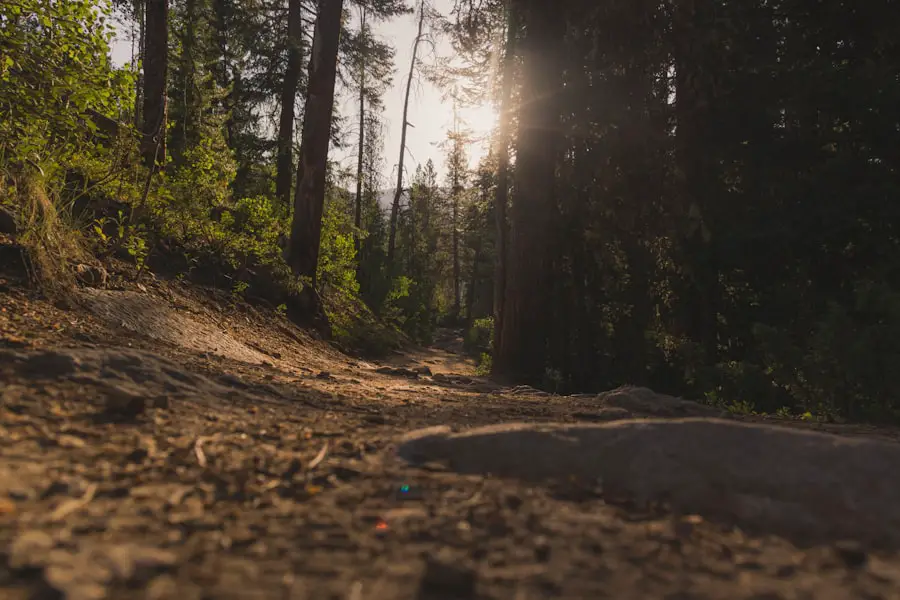
Cardiovascular fitness helps you keep moving, while strength helps you control each step, carry your pack, and remain stable on uneven ground. A properly adjusted loaded backpack also distributes weight more comfortably across your hips and shoulders.
Aim for two nonconsecutive strength sessions each week. New hikers can begin with one or two sets of each movement. Add repetitions or resistance only after you can maintain controlled form.
Useful Strength Exercises for Hikers
- Chair squats or goblet squats: Build the thighs and hips used during climbs.
- Reverse lunges or split squats: Train one-leg control and stability.
- Step-ups: Copy the movement used to climb rocks, roots, and stairs.
- Slow heel-downs: Train the controlled lowering action needed during descents.
- Calf raises: Strengthen the calves and ankles for repeated push-off.
- Hip hinges or light deadlifts: Train the hips and back for lifting and pack carrying.
- Planks, side planks, or loaded carries: Improve trunk stability under a pack.
For most movements, use a range you can complete with two or three good repetitions still available. Stop or modify an exercise that causes sharp joint pain.
Increasing Duration, Elevation, and Pack Weight
There is no universal mileage formula that fits every hiker. Distance is only one part of training load. A short route with steep descents, loose rock, heat, or a heavy pack may be harder than a longer route on level ground.
| Training Variable | How to Progress | When to Hold or Reduce It |
|---|---|---|
| Duration | Add a small amount of time to the weekly long hike after you recover well from the current duration. | Fatigue remains unusually high after 24 to 48 hours. |
| Elevation | Add a few extra climbs or choose a slightly hillier route. | Knee, Achilles, calf, or foot discomfort increases. |
| Terrain | Move from smooth paths to roots, rocks, sand, or uneven trails gradually. | Your balance or foot placement breaks down as you tire. |
| Pack weight | Begin with normal essentials, then add small amounts over several sessions. | The pack changes your posture, creates numbness, or causes persistent shoulder, back, hip, or knee pain. |
| Pace | Keep most hiking easy; add brief faster climbs only after building a base. | You cannot recover your breathing during easy sections. |
Warning: Do not increase duration, elevation, technical terrain, pace, and pack weight during the same session. Change one main variable, watch how your body responds, and repeat the same workload when recovery is poor.
The popular weekly 10% mileage rule is not a proven universal injury-prevention rule. A systematic review of running-load research found insufficient evidence to support it. Although running and hiking are different activities, the finding reinforces the need to consider the whole training load rather than relying on one percentage.
Train for Descents Too
Uphill hiking challenges your heart and lungs, but downhill hiking places a different demand on your thighs and balance. Include step-downs, gentle downhill routes, and controlled stair descents. Start with a small amount because new downhill work can cause substantial muscle soreness.
Increase Pack Weight Gradually
Begin most early sessions with only the water, clothing, food, and safety items you need. Add weight in small amounts as your posture and comfort allow. Before the target hike, complete at least one route-specific session with the footwear, pack, food, and water system you plan to use.
Pro Tip: Every three or four weeks, reduce the total training stress. An easier week gives you time to absorb the work and often reveals whether small aches are improving or becoming injuries.
Proper Nutrition and Hydration
Your food and water needs depend on the route length, temperature, humidity, altitude, pace, body size, and access to safe water. Plan at the trailhead rather than relying on a fixed amount that may be unsuitable for the conditions.
Before the Hike
Eat a familiar meal a few hours before a long session. Include carbohydrate-rich foods for readily available energy, along with a moderate amount of protein and foods you already know you digest comfortably. Avoid testing a large or unusually rich meal immediately before a demanding route.
During the Hike
Carry enough water for the route or know exactly where you can collect and properly treat more. The National Park Service recommends planning water, food, weather protection, and route hazards before leaving the trailhead.
For longer outings, carry easy-to-eat foods such as fruit, sandwiches, crackers, trail mix, or energy bars. Eat small amounts before your energy drops sharply rather than waiting until you feel depleted.
Pro Tip: In hot weather, drink regularly and carry more water than you would in cool conditions. During prolonged heavy sweating, a drink containing electrolytes can help replace some of the sodium lost in sweat. Water is usually suitable for shorter, moderate outings.
The CDC advises people exercising in hot weather to pace themselves, drink more water than usual, and stop activity if they feel faint or weak.
After the Hike
Replace fluids and eat a normal meal or snack containing carbohydrate and protein. You do not need a complicated recovery product. A familiar meal, adequate fluids, and sufficient sleep are more important than perfect timing.
Rest and Recovery
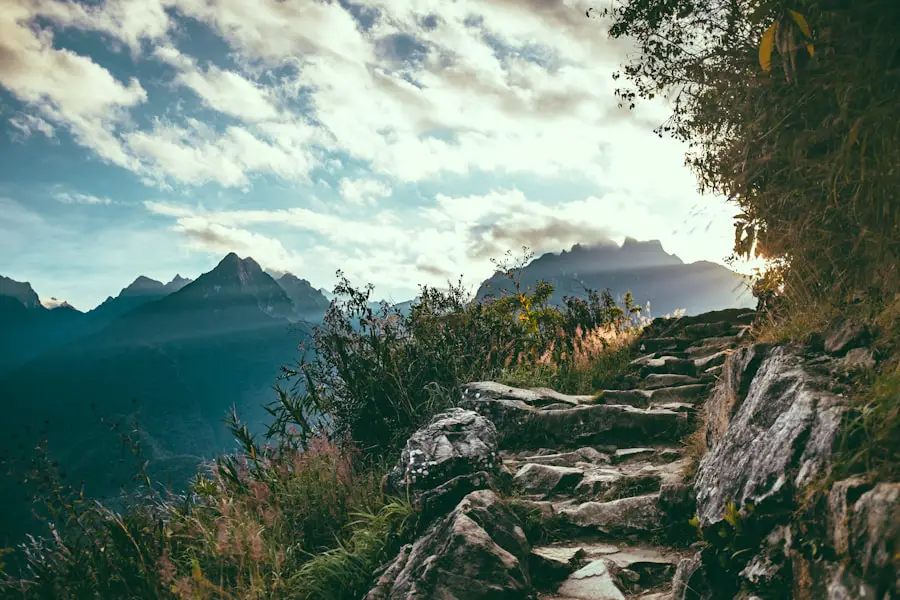
Rest days allow your muscles, tendons, joints, and nervous system to recover from training. Most plans should include at least one or two low-stress days each week, with more recovery when you are new to exercise or increasing trail difficulty.
On an easy day, you can rest completely or choose gentle walking, mobility work, yoga, or relaxed swimming. These activities should leave you feeling the same or better, not add another hard workout.
Adults aged 18 to 60 generally need at least seven hours of sleep per night. Some people need more, especially during a demanding training period.
Warm Up and Cool Down
Begin with five to ten minutes of easy walking and controlled movements such as ankle circles, gentle leg swings, or unweighted step-ups. Increase your pace gradually.
After the hike, walk easily for a few minutes. Gentle static stretching is optional if it feels comfortable and supports your flexibility, but it does not reliably prevent next-day muscle soreness.
Normal Soreness Versus a Warning Sign
- Usually manageable: Mild, even muscle soreness that improves as you move and fades over a few days.
- Reduce training: Soreness that changes your stride, worsens each session, or remains strong for several days.
- Stop and seek advice: Sharp pain, major swelling, joint instability, numbness, weakness, or pain that causes limping.
Choosing the Right Gear and Footwear
Good gear cannot replace fitness, but poor fit can waste energy and create avoidable discomfort. Choose hiking boots or trail shoes that fit your foot shape, hold your heel securely, and provide traction for the route.
Wear new footwear on shorter walks before using it for a long hike. Test the same socks, insoles, and lacing method you plan to use on the target route. Stop and address hot spots before they become blisters.
A well-fitted backpack should keep the load close to your body without creating numbness or sharp pressure. Moisture-managing clothing and suitable layers help you respond to temperature and weather changes.
Trekking poles may improve balance and comfort on steep or uneven terrain, especially during descents. Practice using them before a major trip so they do not interfere with your natural stride.
The National Park Service recommends carrying the 10 Essentials, including navigation, sun protection, insulation, illumination, first aid supplies, fire, repair tools, food, water, and emergency shelter.
Mental Preparation and Trail Pacing
A strong mindset does not mean ignoring pain or forcing yourself to maintain an unsafe pace. It means staying patient, adjusting to changing conditions, and making calm decisions when the trail becomes difficult.
Start long hikes more slowly than you think necessary. Many hikers lose energy because they climb too aggressively during the first hour. A steady pace usually works better than repeated surges followed by long stops.
Break a difficult route into smaller sections, such as the next switchback, water stop, viewpoint, or hour. Planned short breaks can help you eat, drink, adjust layers, check your feet, and review the route before small problems grow.
Visualization and mindfulness can also be useful. Picture the difficult sections of your target route, but include practical decisions such as slowing down, adding a layer, turning around, or helping a partner.
Breathing Techniques
You do not need a special breathing pattern to become a strong hiker. The main goal is to breathe freely and choose a pace that lets your breathing remain controlled for most of the hike.
Diaphragmatic breathing can help some people relax. Practice by placing a hand on your abdomen and allowing it to move outward as you inhale. Avoid forcing very deep breaths if they make you lightheaded.
Pro Tip: You may match your breathing to your steps if it feels natural, but there is no required rhythm. If you cannot regain control of your breathing after slowing down, stop and assess the heat, altitude, pace, and any other symptoms.
Cross-Training for Hiking Endurance
Cross-training builds aerobic fitness while reducing repeated impact from hiking. Cycling, swimming, rowing, dancing, and elliptical workouts are useful when trails are unavailable or your feet need a break.
One or two cross-training sessions per week are enough for many hikers. They should replace part of your cardio schedule, not simply be added on top of every hike and strength session.
How to Train Without Hills
Use stairs, a step platform, a treadmill incline, parking-garage ramps, or repeated step-ups. A treadmill can train continuous climbing, while slow step-downs help prepare your thighs for descents.
Begin with short hill or stair blocks. Avoid suddenly completing hundreds of steps if you have only trained on level ground.
Preparing for High-Altitude Hikes
Physical fitness can make hiking more comfortable, but it does not prevent altitude illness. Any unacclimatized person sleeping at roughly 8,000 feet or higher can develop symptoms.
The CDC Yellow Book recommends gradual ascent. When possible, spend at least two or three nights around 8,000 to 9,000 feet before going higher. Once above about 9,800 feet, CDC guidance advises limiting increases in sleeping altitude to roughly 1,600 feet per day and adding an extra acclimatization day for each additional 3,300 feet gained.
Keep activity mild during your first 48 hours at altitude. Common acute mountain sickness symptoms include headache along with nausea, dizziness, unusual fatigue, or loss of appetite.
Warning: Do not continue to a higher sleeping altitude when altitude symptoms are present. Descend if symptoms worsen despite rest. Confusion, loss of coordination, severe breathlessness at rest, or a persistent cough can indicate a medical emergency.
Tracking Progress and Adjusting Your Training Plan
A hiking log turns general effort into information you can use. Record:
- Distance and total time
- Elevation gain and loss
- Terrain and weather
- Pack weight
- Average effort from 1 to 10
- Food and water used
- Foot, joint, or muscle discomfort
- How you felt later that day and the next morning
Every two or three weeks, repeat a familiar route under similar conditions. Progress may show up as a lower effort rating, fewer stops, quicker recovery, steadier breathing, or greater comfort while carrying the same pack.
If you repeatedly finish with energy to spare and recover well, increase one variable. If fatigue arrives earlier, sleep worsens, motivation drops, or small aches grow, repeat an easier week or reduce the training load.
Common Mistakes to Avoid
- Increasing several variables together: More distance, elevation, speed, and pack weight in one session makes it hard to identify what caused a problem.
- Training only on flat ground: Your heart, thighs, calves, balance, and feet need gradual exposure to climbs and descents.
- Skipping recovery: Hard sessions are less useful when fatigue prevents you from completing the next week consistently.
- Testing new gear on the goal hike: Use training sessions to test footwear, socks, poles, pack fit, food, and water systems.
- Starting too fast: An aggressive first climb can drain energy needed for the return journey.
- Ignoring persistent pain: Pain that worsens or changes your stride deserves rest and assessment.
- Skipping the taper: A lighter final week helps you begin the target hike rested rather than tired from your last workout.
- Assuming fitness prevents altitude illness: Acclimatization and ascent rate still matter.
If you are traveling to a distant trail, organize your equipment before departure. The best carry-on luggage for international travel can help with trip logistics, while seasonal planning matters when you are heading to a destination such as the Swiss Alps.
Frequently Asked Questions
What is hiking endurance?
Hiking endurance is your ability to maintain a safe, sustainable effort over the distance, elevation, terrain, and conditions of a hike. It combines aerobic fitness, muscular endurance, balance, pacing, fueling, and mental focus.
Why is building hiking endurance important?
Better endurance helps you maintain a controlled pace, recover from climbs, handle descents, and keep enough energy for navigation and other decisions. It can make longer trails more comfortable, but it does not remove normal outdoor risks.
How can I build hiking endurance?
Complete one gradually longer hike each week, add two easy aerobic sessions, and perform trail-specific strength exercises twice weekly. Increase one main challenge at a time and use recovery, pain, and fatigue to decide when to progress.
How long does it take to build hiking endurance?
Many basic hiking plans last six to eight weeks, but the timeline varies. A sedentary beginner may need longer, while an active person may progress faster. Multi-day, high-altitude, or technically difficult hikes can require several months of specific preparation.
How often should I train for hiking?
A common schedule includes one longer hike, two easy cardio sessions, and two strength sessions each week. Some sessions can occur on the same day, but keep at least one or two low-stress days and adjust the schedule to your recovery.
Can walking build hiking endurance?
Yes. Brisk walking builds an aerobic base, especially for beginners. As your fitness improves, add longer sessions, hills, uneven ground, stairs, and a light pack so the training becomes more specific to hiking.
Can I train for hiking on a treadmill or stairs?
Yes. Incline treadmill walking and stair climbing can train uphill endurance. Add controlled step-down exercises for descent strength, and complete some outdoor sessions when possible so you can practice balance, weather management, footwear, and pack fit.
How can I improve my uphill hiking stamina?
Keep most cardio easy, complete one weekly hill or stair session, strengthen your thighs and hips with step-ups and squats, and start climbs at a controlled pace. Shorten your stride on steep slopes and slow down before your breathing becomes uncontrolled.
Physical Activity Disclaimer: This article is for general informational purposes and is not a substitute for personalized medical advice. Consult a qualified healthcare professional before starting a new exercise program if you have a medical condition, recurring pain, significant mobility limitations, or a long period of inactivity.
Building hiking endurance takes steady practice, not one exhausting workout. Match your training to the trail, increase challenges gradually, strengthen the muscles that control climbs and descents, and arrive at your goal hike rested. Consistency over several weeks will usually help more than any single mileage rule or breathing technique.
Sources
- Heat and Athletes — Centers for Disease Control and Prevention guidance on exercising safely in hot weather.
- About Sleep — Centers for Disease Control and Prevention sleep-duration recommendations.
- Hiking Safety Information — National Park Service advice on trail preparation, food, water, and safety.
- Backpacks: Adjusting Fit — REI Co-op guidance on positioning and adjusting a hiking backpack.
- High-Altitude Travel and Altitude Illness — CDC Yellow Book guidance on acclimatization, ascent rates, symptoms, and descent.
- Training Load and Running-Related Injuries: A Systematic Review — Evidence concerning the limitations of the universal weekly 10% progression rule.
