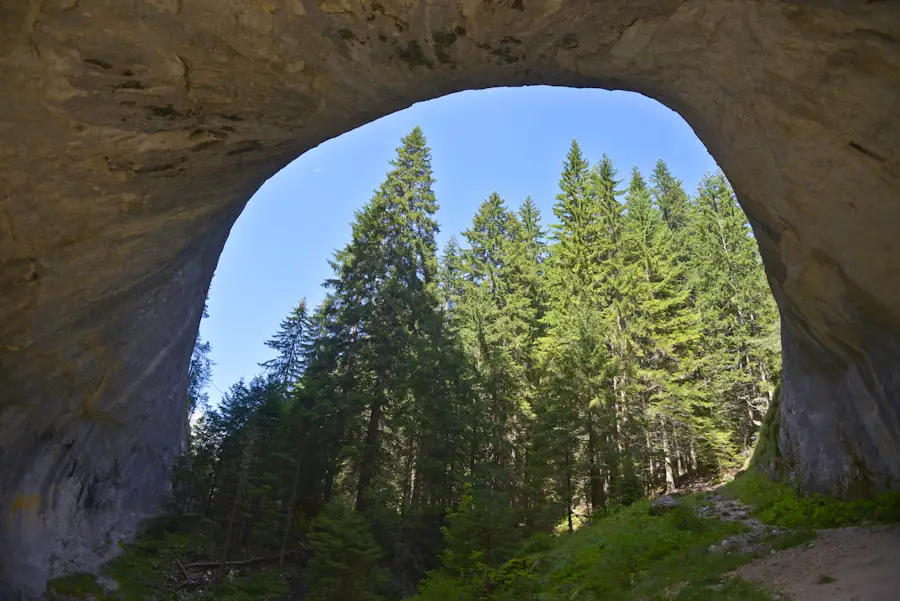
Last Updated on September 10, 2026 by Daniel Globe
The historic railroad tunnels at Donner Summit are one of the Sierra Nevada’s most striking reminders of the first transcontinental railroad. The best-known bore, Summit Tunnel No. 6, was cut through solid granite by Chinese railroad workers in the 1860s. Today, people visit the area for its railroad history, mountain scenery and unusual tunnel environment, but it should not be treated like an ordinary maintained hiking trail.
Quick Answer
Hiking around the historic Donner Pass train tunnels can be rewarding, but it is not a routine public-trail experience. The old tunnels are no longer active rail tunnels, yet portions of the historic corridor cross railroad and federal property, and active railroad infrastructure remains nearby. Confirm access, obey every closure and sign, and never enter active tracks or railroad property without authorization.
Key Takeaways
- The commonly explored historic Summit Tunnel No. 6 is no longer an active railroad tunnel, but active Union Pacific infrastructure exists elsewhere around Donner Pass.
- Do not assume that an abandoned-looking railroad grade is public land. Placer County documents portions of the tunnel area as Union Pacific Railroad and U.S. Forest Service property.
- The most practical hazards are darkness, wet or icy surfaces, loose debris, rough footing, cold conditions and rapidly changing mountain weather.
- Bring a headlamp plus a backup light, sturdy closed-toe footwear, water, layers, a charged phone and an offline map.
- Never walk along active tracks, enter an active railroad tunnel, bypass gates or barriers, or ignore posted closures.
Warning: Popularity does not equal public access. Union Pacific states that its tracks, bridges and other railroad property are private and that unauthorized entry is dangerous and may constitute trespassing. Check current signs, closures and property boundaries before entering any railroad corridor.
Disclosure: As an Amazon Associate I earn from qualifying purchases. Some links on this page are affiliate links, at no extra cost to you.
History of the Donner Pass Train Tunnel
The railroad story at Donner Summit is part of the larger construction of the Central Pacific Railroad, the western half of the first transcontinental railroad. Work began from Sacramento in 1863, but crossing the Sierra Nevada created some of the project’s hardest engineering challenges.
Summit Tunnel No. 6 was the longest of the original Sierra railroad tunnels at about 1,659 feet. Chinese workers labored on the Summit Tunnel during the mid-1860s, drilling through solid granite from the portals and from a shaft sunk toward the middle of the planned tunnel.
The original article’s 1867-to-1868 construction timeline is too late. Historical records place Summit Tunnel construction during 1865–1867, with the tunnel opening in late 1867. The railroad reached Truckee in April 1868, and the two halves of the first transcontinental railroad were finally joined at Promontory Summit, Utah, on May 10, 1869.
Chinese railroad workers were essential to the Central Pacific’s crossing of the Sierra Nevada, including the difficult excavation of Summit Tunnel No. 6.
The human history is as important as the engineering. The Library of Congress documents the Chinese workforce at Summit Tunnel and the 1867 Sierra strike, when Chinese workers demanded better pay and working conditions.
The area continues to receive national historical recognition. In December 2024, the National Park Service designated nearby Summit Camp as a National Historic Landmark. The archaeological site preserves evidence connected with the Chinese workers who lived and worked at Donner Summit from 1865 to 1869.
Historic Tunnel No. 6 Versus Today’s Active Railroad
One of the most important safety distinctions is that the historic tunnel commonly associated with the Donner Summit hike is not the same as the modern active railroad route.
Placer County documentation describes the old Donner Summit tunnels as no longer active. Railroad operations at Donner Pass use a different alignment that includes Tunnel No. 41, a much longer tunnel constructed in 1925. The Library of Congress Historic American Engineering Record documents Tunnel 41 as part of the later railroad infrastructure.
This does not mean hikers should assume that every nearby rail bed, tunnel or structure is abandoned. Union Pacific advises people to treat railroad property and tracks as private and to stay off them unless authorized.
Safety and Access at the Donner Pass Train Tunnel
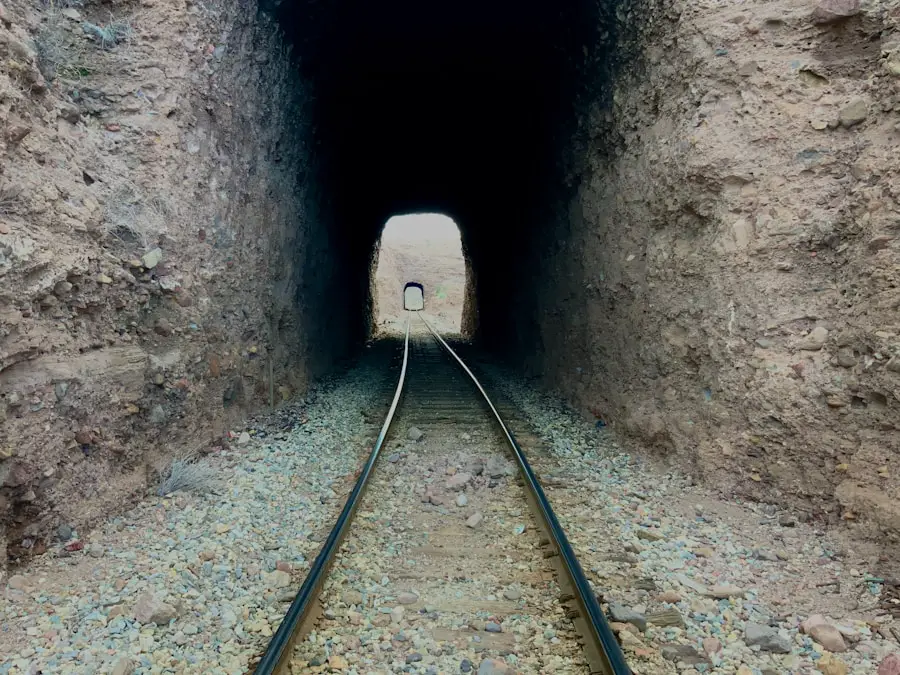
The historic tunnels are widely known as a recreation destination, but they should not be described as a conventional maintained public hiking trail. A 2022 Placer County memorandum states that the Donner Summit tunnels are located on property belonging to Union Pacific Railroad and the U.S. Forest Service.
That mixed ownership makes current access more important than any directions found in an old blog post or map. Check signs and closures when you arrive. Do not cross fences, gates or barriers, and do not enter any location identified as active railroad property.
Current access note: As of July 2026, Placer County’s Heritage Trail program lists an organized Summit Tunnel history hike for August 15, 2026. Organized programs can provide a clearer way to experience the site while learning its history. Future visitors should check current Placer County, U.S. Forest Service and property-owner information because access conditions can change.
Do not rely on the absence of a train as proof that railroad property is inactive. Union Pacific specifically warns visitors never to assume tracks are abandoned and says the public should stay off railroad tracks, bridges and right-of-way.
What to Bring
- Headlamp: A hands-free light is much safer than holding a phone while walking over rough surfaces.
- Backup light: Carry a second flashlight or headlamp in case the primary light fails.
- Sturdy closed-toe shoes: Expect gravel, wet surfaces and uneven footing.
- Warm layer: Conditions inside the tunnel can feel considerably colder than sunny areas outside.
- Water and snacks: Do not expect normal trail facilities inside the historic corridor.
- Charged phone and offline map: Mountain terrain can produce inconsistent cellular coverage.
- Basic first-aid supplies: Scrapes, minor falls and twisted ankles are realistic hiking concerns.
Pro Tip: Use your phone for navigation, not as your only light source. A dedicated headlamp keeps both hands free and preserves phone battery for navigation or emergencies.
Potential Hazards of Hiking the Donner Pass Train Tunnel
| Potential Hazard | What Hikers Should Know |
| Private or Restricted Property | The historic corridor crosses land under different ownership. Obey signs, gates, barriers and closures. Do not assume an informal route grants permission to enter. |
| Active Railroad Infrastructure | The historic Tunnel No. 6 is not the active train tunnel, but active Union Pacific rail infrastructure remains in the Donner Pass area. Never walk along active tracks or enter active railroad tunnels. |
| Darkness | Large sections can be extremely dark. A headlamp and backup light help you identify obstacles before stepping on them. |
| Uneven or Wet Footing | Gravel, holes, standing water, mud and debris can increase the chance of trips and falls. |
| Old Masonry and Loose Debris | These are historic railroad structures, not purpose-built recreation facilities. Avoid climbing on walls, touching loose material or entering visibly damaged or blocked areas. |
| Snow and Ice | Snow and ice can linger in shaded mountain terrain and make tunnel floors exceptionally slippery. Winter also introduces avalanche and roadside-access concerns. |
| Rapid Weather Changes | High-elevation Sierra weather can change quickly. Carry layers, check the forecast and turn around when thunderstorms or dangerous conditions develop. |
The original article listed tunnel collapse and poor ventilation as established hazards, but neither claim was supported by a structural inspection or air-quality assessment. A more useful approach is to treat the structures as old and unmaintained for recreational use while concentrating on observable hazards such as darkness, water, ice, rough surfaces, debris and closures.
Wild animals live throughout the Sierra Nevada, but bears and mountain lions should not be presented as the primary danger inside the tunnel. Normal wildlife awareness is appropriate; footing, access and weather deserve more attention.
Winter and Early-Spring Conditions
Winter changes the risk level substantially. Tahoe National Forest advises winter visitors to check avalanche danger before traveling in snow country. Ice may also form on shaded surfaces and inside old structures.
Do not treat the tunnel as a storm shelter. During lightning, the National Weather Service recommends moving to a substantial enclosed building or hard-topped vehicle when possible rather than relying on small shelters, overhangs or other exposed outdoor structures.
Warning: Winter tunnel exploration should never begin simply because the road is open. Snowpack, avalanche danger, icy approaches, blocked parking areas and seasonal restrictions can make an otherwise simple summer outing hazardous.
Tips for Hiking the Donner Pass Train Tunnel Safely
Preparation starts before reaching Donner Summit. Check current weather, road conditions, land-access information and closures. If posted restrictions conflict with an online hiking guide, follow the restriction.
1. Confirm That Your Route Is Legal
Know which property you are entering. Never climb around a locked gate, fence or barricade to reach a tunnel. If your intended route requires walking on active railroad tracks or other restricted railroad property, choose another route.
2. Carry Two Reliable Lights
A headlamp should be your main light because it leaves both hands free. Pack a second light with sufficient charge or fresh batteries.
3. Slow Down Inside the Tunnel
Do not assume the surface ahead is flat simply because it looks level from a distance. Water, gravel and darkness can hide holes and debris.
4. Wear Appropriate Footwear
Closed-toe hiking shoes or boots with dependable traction are more suitable than sandals or smooth-soled casual shoes.
5. Carry Water and Layers
The U.S. Forest Service recommends water, extra clothing, a flashlight, first-aid supplies and navigation equipment for day hikes. Mountain temperatures can change considerably with elevation and changing weather.
6. Tell Someone Your Plans
Share your destination and expected return time with someone who is not joining you. Download the map before leaving reliable cellular service.
7. Turn Around When Conditions Deteriorate
A tunnel visit is optional. If the floor becomes dangerously icy, weather deteriorates, access is blocked or anyone in the group is uncomfortable, turning around is the safest decision.
8. Protect the Historic Site
Do not remove railroad artifacts, chip the granite, damage masonry or add graffiti. The cultural value of Donner Summit comes from the physical evidence left by the workers and railroad history that shaped the site.
What the Donner Pass Train Tunnel Experience Is Like
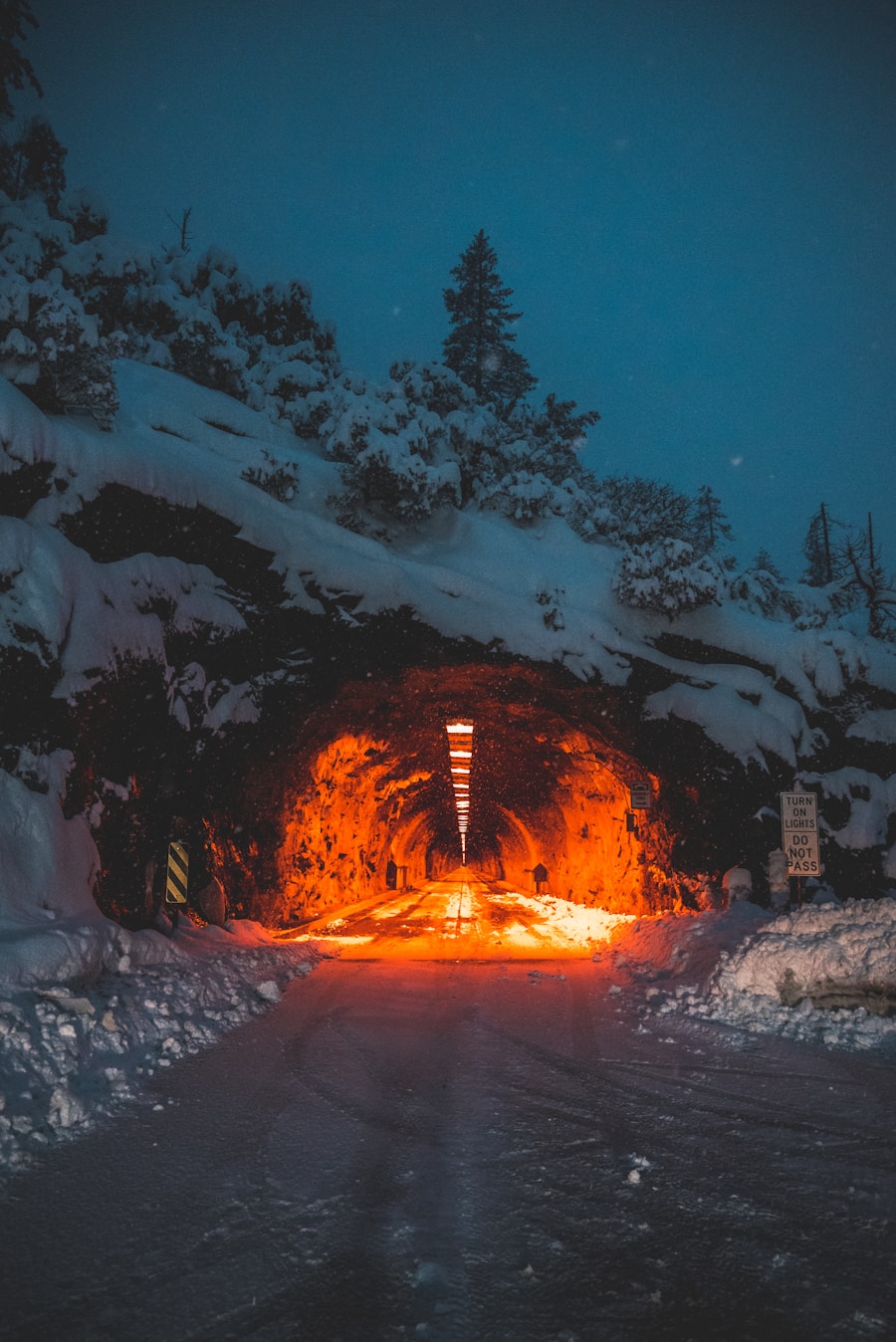
The change from bright Sierra sunlight to a dark granite tunnel is one of the most memorable parts of visiting Donner Summit. Inside, footsteps and voices echo from the hard surfaces, while openings along portions of the historic railroad structures provide glimpses of the surrounding mountains.
The experience can also feel rougher than photographs suggest. The floor is not equivalent to a paved pedestrian tunnel. Water, gravel and debris can slow travel, and the temperature can feel sharply different from conditions outside.
That contrast is part of what makes the site compelling. Visitors can see the scale of the granite excavation and better understand why railroad construction through Donner Summit was such a demanding undertaking.
Rather than relying on anonymous “personal experience” stories as evidence, visitors should base safety decisions on current site conditions, official warnings and their own group’s ability.
Environmental and Historical Impact of Visiting Donner Summit
Heavy recreation can affect both natural terrain and historic resources. Shortcuts can damage vegetation and accelerate erosion, while graffiti and artifact removal permanently alter an irreplaceable historical site.
Stay on established legal routes where available, pack out everything you carry in, and avoid disturbing archaeological materials. Historic objects are not souvenirs.
The cultural importance of the area extends beyond railroad engineering. Summit Camp preserves archaeological evidence of Chinese workers who lived at Donner Summit while building the Central Pacific Railroad. The National Park Service designated Summit Camp a National Historic Landmark in 2024 because of its national significance to railroad, labor, immigration and Chinese American history.
Note: Graffiti already present in the tunnels does not make new graffiti acceptable. Leave historic structures exactly as you found them.
Is Hiking the Donner Pass Train Tunnel Safe?
It can be a manageable outing for prepared visitors when access is permitted and conditions are suitable, but it should not be marketed as a risk-free or formally maintained public tunnel hike.
The historic Tunnel No. 6 is no longer the active train tunnel, so the main concern is not a train suddenly appearing inside that old bore. The more serious railroad-related concern is accidentally entering nearby active tracks or restricted Union Pacific property.
Darkness, wet and uneven footing, old structures, ice, snow and rapidly changing mountain weather add to the normal risks of hiking at high elevation. Those risks become much easier to manage when visitors carry proper equipment, stay within legal access areas and turn around rather than pushing through unsafe conditions.
For visitors uncomfortable with uncertain property boundaries or tunnel conditions, the Donner Pass region has many managed public recreation alternatives. Donner Memorial State Park offers hiking and a visitor center with exhibits covering the emigrant experience, the Washoe people and Chinese construction of the railroad. Tahoe National Forest also provides designated hiking opportunities and current recreation information.
If you are considering hiking the Donner Pass train tunnel, personal security while traveling is also worth planning. Small valuables should remain secure and out of sight. For another travel-security option, see this guide to a scarf with hidden pocket for travel.
Sources
- Library of Congress — 1867 Sierra Strike — Summit Tunnel dimensions, Chinese railroad workers, construction methods and the 1867 labor strike.
- Placer County — Donner Summit Tunnels Memorandum — historic-tunnel status and Union Pacific/U.S. Forest Service property information.
- Placer County — 2026 Heritage Trail — current organized Summit Tunnel history hike information.
- Union Pacific — Pedestrian Rail Safety — rules concerning active tracks and railroad property.
- National Park Service — New National Historic Landmarks — 2024 Summit Camp National Historic Landmark designation.
- Tahoe National Forest — Hiking Safety — general day-hiking preparation and equipment guidance.
Love travel? Join Our Facebook Community
Frequently Asked Questions
What is the Donner Pass train tunnel?
The name usually refers to Summit Tunnel No. 6, a roughly 1,659-foot railroad tunnel cut through granite at Donner Summit during construction of the Central Pacific portion of the first transcontinental railroad. Chinese railroad workers carried out much of the difficult tunnel work during the 1860s.
Is hiking the Donner Pass train tunnel safe?
It can be manageable for prepared visitors when access is permitted and weather and surface conditions are suitable. However, it is an old railroad structure rather than a conventional maintained hiking attraction. Darkness, wet or icy footing, debris, weather and nearby railroad property require extra caution.
Do trains still use the historic Donner Summit Tunnel No. 6?
The historic tunnels commonly explored around Donner Summit are no longer the active rail route. Active Union Pacific railroad infrastructure does remain in the Donner Pass area, however, so visitors must stay away from active tracks and restricted railroad property.
Is the Donner Pass tunnel on public property?
Do not assume the entire historic corridor is public. Placer County documentation identifies tunnel-area property belonging to Union Pacific Railroad and the U.S. Forest Service. Check current signs, closures and property information before entering, and never bypass gates or barriers.
What safety precautions should I take at the Donner Pass tunnels?
Carry a headlamp and backup light, wear sturdy closed-toe footwear, bring water and layers, download an offline map and tell someone your plans. Walk slowly on wet or uneven surfaces and turn around if access is blocked or conditions become unsafe.
Is it safe to visit the Donner Pass tunnels in winter?
Winter requires substantially more caution. Snow, ice, avalanche conditions, road restrictions and limited parking or access can make the area hazardous. Check current avalanche, weather and access information before traveling, and do not enter a closed or restricted area.
Are permits required to visit the Donner Summit tunnels?
There is no single public recreational permit that automatically grants access to every part of the historic corridor. Ownership and restrictions vary by location. Follow posted rules and current guidance from the relevant property manager rather than assuming that an online route description gives permission to enter.