
Last Updated on July 27, 2026 by Daniel Globe
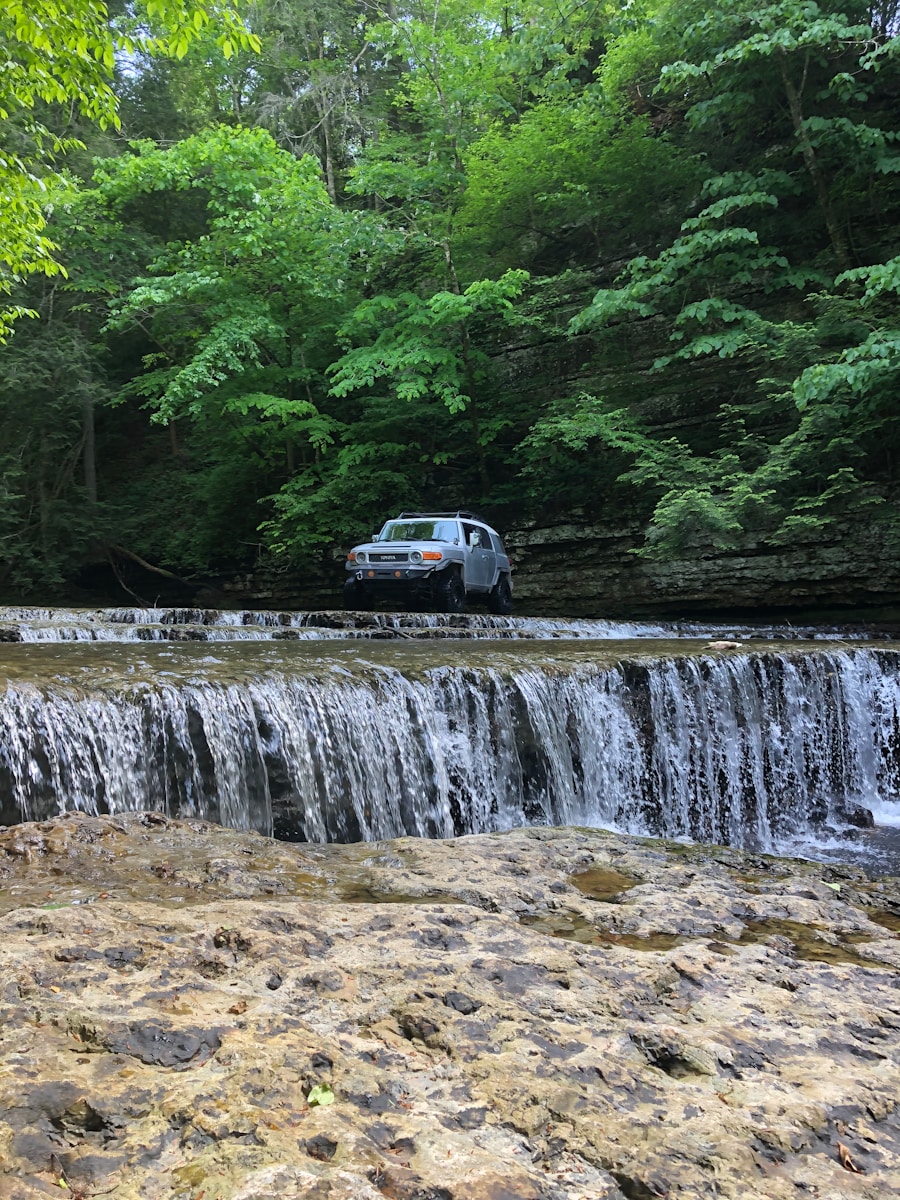
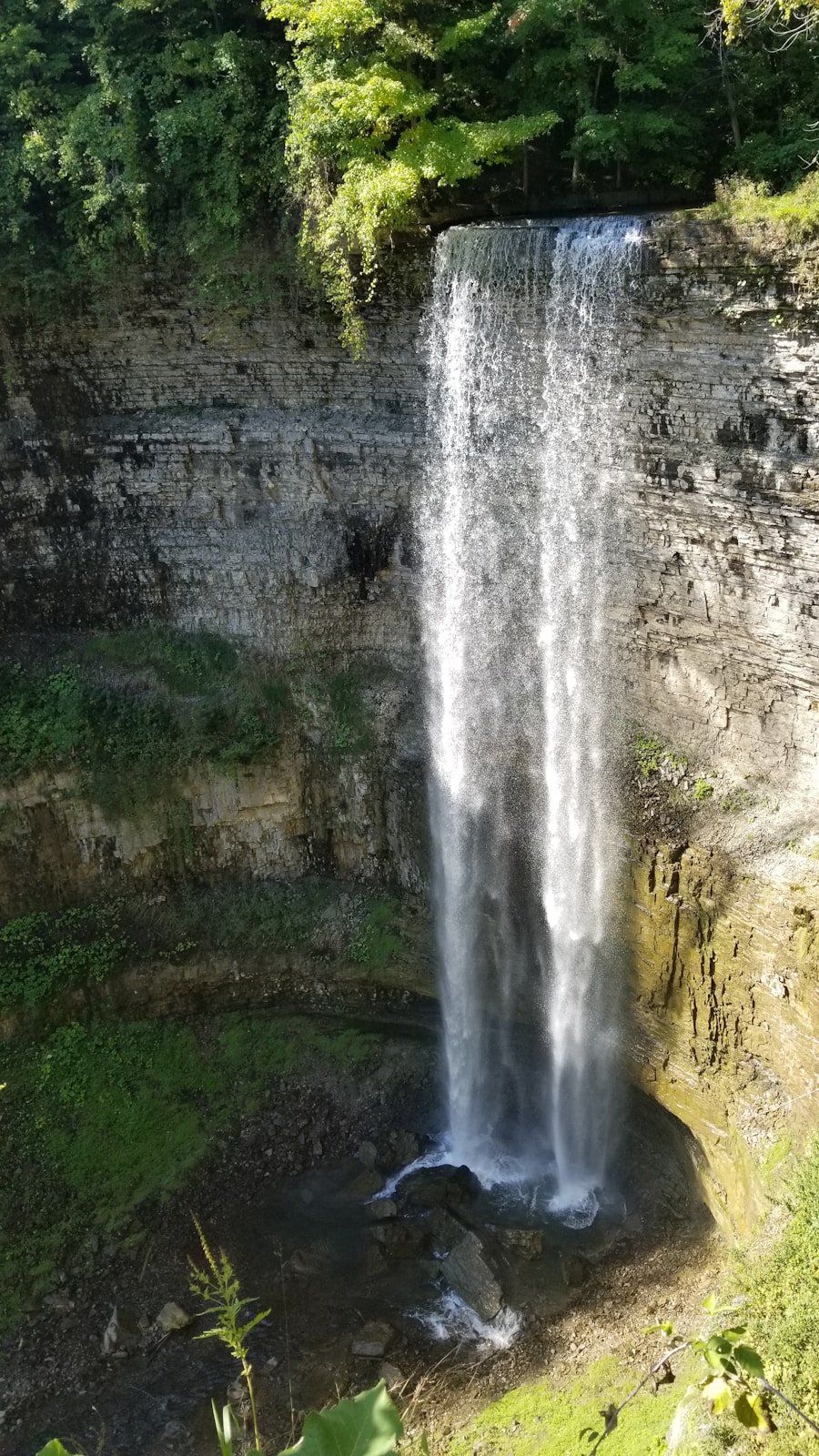
Cummins Falls State Park in Tennessee is best known for its 75-foot waterfall and swimming hole on Blackburn Fork. The key thing to know before visiting is that seeing the waterfall from above and reaching its base are two very different experiences. Most visitors can view the falls from a short overlook trail, while entering the gorge and reaching the swimming area requires a much more strenuous trip and a permit.
Quick Answer
Yes, you can see Cummins Falls without making the strenuous hike into the gorge. Most visitors reach the waterfall overlook by taking the 0.35-mile Falls Overlook Trail. Reaching the base and swimming hole is different: it requires a Gorge Access Permit, strenuous hiking, water crossings, slippery rocks, and fair-weather conditions.
Key Takeaways
- You do not need to enter the gorge to see Cummins Falls. A scenic overlook provides a view from above.
- The official Falls Overlook Trail is 0.35 mile and does not require a Gorge Access Permit.
- A permit is required to enter the gorge or visit the waterfall’s base.
- The gorge trip is strenuous and can involve wading or swimming, rock scrambling, slippery surfaces, and rapidly changing water levels.
- Children 12 and under must wear life jackets at the falls and be accompanied by an adult. The park recommends that children 5 and under not make the trip to the falls.
- Accessibility accommodations are available, although the park currently reports restricted access to accessible parking at the Waterfall Overlook because of maintenance.
- Always check current park conditions before leaving home because rain upstream can cause sudden gorge closures.
The park now encompasses about 457 acres in Jackson County. Its centerpiece is Cummins Falls, but the surrounding forests, bluff-top overlooks, trails, historic home site, and Blackburn Fork State Scenic River give visitors several ways to enjoy the area without descending into the gorge. According to Tennessee State Parks, the falls are 75 feet tall.
The area’s history stretches well beyond its modern use as a state park. Tennessee State Parks reports that bison once used a shallow river basin near the falls and that arrowheads found in the area show Native American use of the site. Revolutionary War veteran Benjamin Blackburn received the land in 1790. Around 1825, John Cummins acquired it and built a water-powered mill. The property remained associated with the Cummins family for generations before becoming a state park in 2011.
Disclosure: As an Amazon Associate I earn from qualifying purchases. Some links on this page are affiliate links, at no extra cost to you.
Can You See Cummins Falls Without Hiking to the Base?
Yes. The most important distinction is between seeing the waterfall and standing at its base.
The waterfall can be viewed from the bluff-top overlook at the end of the Falls Overlook Trail. Tennessee State Parks currently lists this trail at 0.35 mile. You do not need a Gorge Access Permit simply to use the overlook route.
Reaching the swimming hole at the bottom is much more demanding. Visitors entering the gorge must have a Gorge Access Permit and be prepared for rugged terrain, river crossings, slippery rocks, and sections that may require wading or swimming.
The easy-to-confuse part is this: the overlook and the waterfall base are not the same destination. You can enjoy a clear view from above without committing to the strenuous gorge trip.
Hiking Trails at Cummins Falls
Cummins Falls State Park has several trails rather than one single “main trail.” Their difficulty and purpose vary considerably, so choosing the correct route matters.
Falls Overlook Trail
The official Cummins Falls hiking page lists the Falls Overlook Trail at 0.35 mile. It leads to the bluff-top overlook where visitors can see the 75-foot waterfall without entering the gorge.
This is the better choice for visitors who mainly want a waterfall view, photographs, or a shorter outing. Although it is far easier than the gorge route, natural surfaces can still include roots, changes in grade, and uneven footing.
Gorge Access Route and Waterfall Base
The route into the gorge is a completely different experience. Tennessee State Parks describes visiting the gorge as a very strenuous and physically demanding activity. The official trail listing includes a 0.50-mile Gorge Access Route along the riverbed, reached through connecting park trails.
A trip to the base may require:
- Strenuous hiking
- Swimming or wading through water
- Climbing over rocks and boulders
- Crossing slippery rocks
- Handling substantial changes in elevation
A Gorge Access Permit is required for anyone entering the gorge or visiting the waterfall’s base. Permits are limited, and Tennessee State Parks recommends obtaining one online in advance.
Warning: The gorge is prone to flash flooding. Rain upstream can raise water levels rapidly even when it is not raining at the park. Gorge access may close with little warning. Never enter a closed area, and leave immediately if park staff instruct visitors to evacuate.
Other park trails include the Blackburn Fork River Trail, John Cummins Trail, Dow Burgess Loop Trail, Lou Garrison Loop Trail, Low Gap Trail, and Storybook Trail. These give visitors opportunities to explore woods, meadows, bluff-top areas, and river scenery without making the strenuous journey to the waterfall’s base.
Accessibility and Safety Concerns
Cummins Falls offers a more accessible way to experience the waterfall than the older article suggested. The overlook itself is wheelchair-friendly. Tennessee State Parks also provides all-terrain wheelchairs for visitors with mobility limitations.
The park’s accessibility information explains that the normal trail leading to the overlook is not fully wheelchair-friendly. Visitors using accessibility accommodations may use an all-terrain wheelchair or approved vehicle access to reach the overlook area.
Note: As of July 27, 2026, Tennessee State Parks reports that accessible parking at the Waterfall Overlook has restricted access because of maintenance. All-terrain wheelchairs remain available by request or on a first-come basis. Check the official accessibility page before traveling because this temporary condition may change.
The gorge is not an accessible route. It contains steep and uneven natural terrain, rocks, river crossings, and water. Visitors with mobility concerns, balance problems, or doubts about their ability to complete the route should enjoy the waterfall from the overlook instead.
Flash Floods and Changing Water Levels
Water conditions deserve special attention. The park warns that rainfall elsewhere in the Blackburn Fork watershed can increase water levels at Cummins Falls within minutes. A sunny sky over the parking lot does not guarantee that conditions in the gorge are safe.
Check the weather in the days leading up to your visit and review current park alerts before entering the gorge. If you notice the water rising or increasing in volume, leave the base promptly and follow ranger instructions.
Children and Life Jackets
Tennessee State Parks recommends that children age 5 and under not visit the falls through the gorge route. Children 12 and under must be accompanied by an adult and must wear a life jacket at the falls. USCG-approved life jackets are also advised for anyone planning to enter the water.
The park has a limited supply of life jackets, so bringing your own properly fitted jacket is the safer plan.
What Not to Take Into the Gorge
The park asks visitors to keep what they carry simple and prohibits several items on the gorge hike, including:
- Coolers
- Glass
- Strollers
- Alcohol
- Pool floats other than life jackets
Use a small backpack that keeps your hands free and wear sturdy footwear with good traction. Flip-flops are not recommended.
Best Times to Visit
There is no single perfect month for Cummins Falls. The best time depends on whether your priority is a short overlook visit, fall scenery, photography, hiking, or entering the swimming area.
| Time of Year | What to Expect |
| Spring | Wildflowers and green foliage can make the park especially scenic, but frequent rain can also raise water levels and close the gorge. |
| Summer | Popular for swimming when the gorge is open. Expect warm conditions and heavier visitation, especially on weekends. |
| Fall | Colorful foliage and cooler walking conditions make the overlook and woodland trails attractive. Peak-color weekends can be busy. |
| Winter | A quieter option for overlook viewing, but colder temperatures make entering the water far less appealing and park hours are shorter. |
For anyone planning to enter the gorge, weather matters more than the calendar. The base is accessible only on fair-weather days. Check recent rainfall and current park alerts rather than assuming a particular month will guarantee safe access.
Current Park Hours
Tennessee State Parks currently lists regular park hours as 8:00 AM to 6:00 PM in season and 8:00 AM to 4:30 PM during the off-season. During the in-season schedule, the gorge closes at 5:00 PM, and visitors at the base must begin walking out by that time so they can exit the park by 6:00 PM.
Pro Tip: Arrive earlier in the day rather than planning a late-afternoon gorge trip. You will have more time to deal with the rugged route, changing conditions, and the required exit time.
Alternatives to the Strenuous Gorge Hike
Visitors who do not want to make the strenuous hike to the base still have several worthwhile options.
Use the Waterfall Overlook
The overlook is the best alternative if your main goal is simply to see Cummins Falls. It gives you an elevated view of the waterfall and gorge without requiring river crossings or a Gorge Access Permit.
Enjoy the Picnic Area
The park has a primitive picnic area near the old Cummins family home site, across the road from the main parking area. It offers shaded tables and can be especially attractive when daffodils bloom around the historic site in spring.
Explore the Meadow and Woodland Trails
The park’s quieter trails provide opportunities for walking, birdwatching, wildflower viewing, and nature photography. Tennessee State Parks specifically recommends the meadow area for visitors looking for a less crowded experience.
Photography From the Overlook
You do not need to stand in the swimming hole to photograph the waterfall. The overlook gives photographers a wider view of the falls and surrounding gorge. Early or later daylight can also reduce harsh midday contrast on the rocks and water.
These alternatives are useful for visitors who cannot safely handle steep terrain or repeated water crossings. They also provide a better plan when the gorge closes because of rain or high water.
Wildlife and Nature Viewing
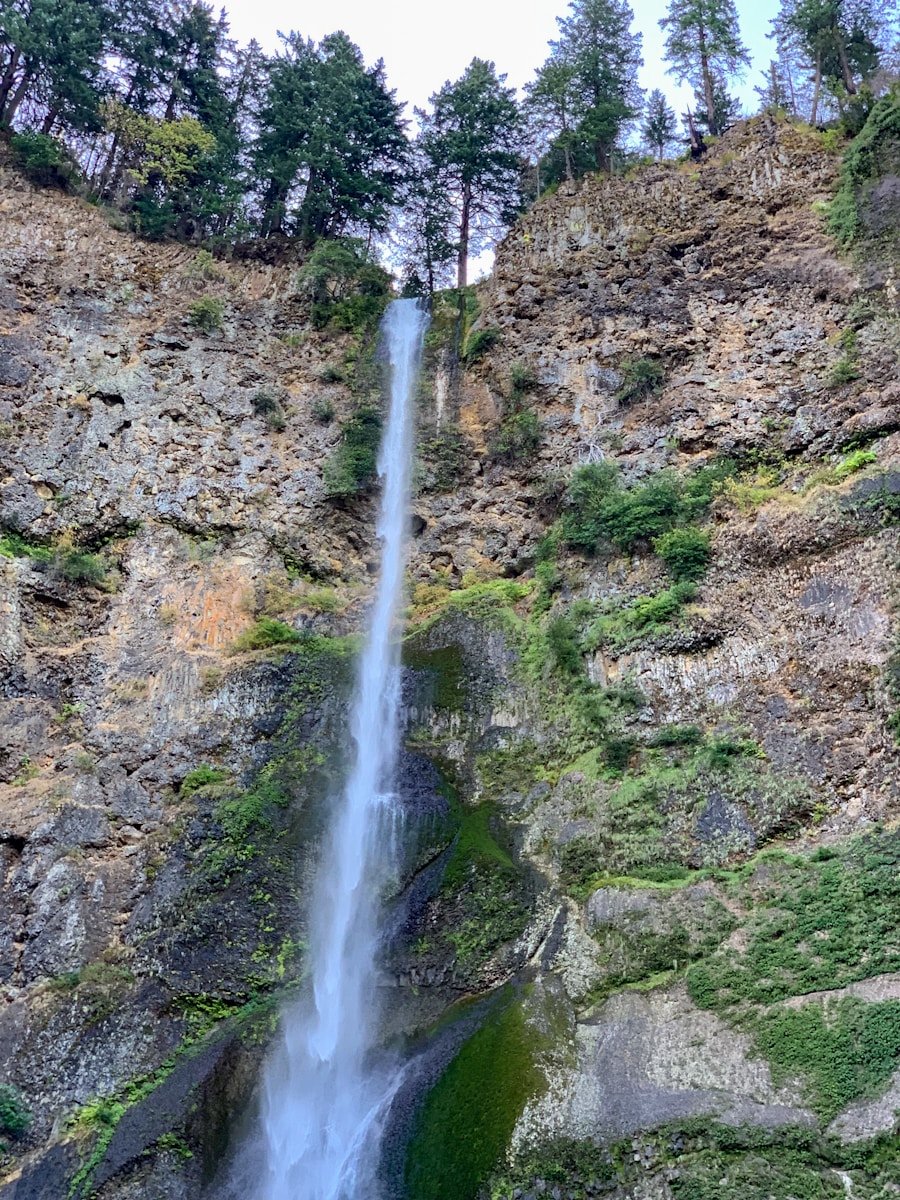
Cummins Falls State Park protects a mix of river, woodland, bluff, and meadow habitats. Tennessee State Parks lists wildlife such as white-tailed deer, wild turkey, squirrels, bobcats, and copperheads among the animals found in the area.
That does not mean every visitor will see these animals. Wildlife tends to avoid busy trails, so quieter portions of the park may provide better opportunities for observation. Keep a respectful distance and never feed or handle wildlife.
The park also lists eastern hemlock, eastern white pine, mountain laurel, tulip poplar, American sycamore, blue violet, wild blue phlox, and Virginia bluebell among its plants. Spring wildflowers and fall foliage can make the non-gorge trails rewarding even when water conditions prevent access to the base.
Tips for a Great Viewing Experience
A little planning makes Cummins Falls much easier to enjoy.
- Decide on your goal before arriving. Choose the overlook if you mainly want to see the waterfall. Choose the gorge only if you are prepared for a strenuous water-and-rock route.
- Check official conditions. Gorge closures can occur quickly because of rain and flash-flood risk.
- Reserve a permit in advance. A Gorge Access Permit is required for the base and daily availability is limited.
- Wear sturdy shoes. Avoid flip-flops, especially in the gorge.
- Carry water. Keep your load small enough that your hands remain free.
- Bring a life jacket when entering the water. Children 12 and under are required to wear one at the falls.
- Respect closing times. Do not begin a gorge outing too late in the day.
- Stay on authorized routes. Do not seek unofficial shortcuts or off-trail access into the gorge.
- Leave wildlife alone. Observe animals and plants without disturbing them.
Being mindful of the environment is equally important. Stay on designated routes where required, carry out your trash, respect park closures, and avoid damaging vegetation or rock surfaces. These practices help protect the gorge and surrounding habitats from the effects of heavy visitation.
Is Hiking Optional?
It depends on what you mean by “hiking.” For a typical visitor arriving at the main parking area, reaching the standard waterfall overlook involves a short walk on the 0.35-mile Falls Overlook Trail. You do not need to make the strenuous gorge hike simply to see Cummins Falls.
Visitors with qualifying mobility needs have additional accessibility options. The overlook is wheelchair-friendly, and the park provides all-terrain wheelchairs. Tennessee State Parks says visitors using accessibility accommodations may access the overlook with an all-terrain wheelchair or a vehicle with appropriate clearance, subject to current park conditions and staff instructions.
As of July 27, 2026, accessible parking at the Waterfall Overlook has restricted access because of maintenance, so visitors relying on this option should check the park’s accessibility page or contact the park before making the trip.
If your goal is to stand at the waterfall’s base or swim in the plunge pool, hiking is not optional. You must enter the permitted gorge route and be capable of handling the strenuous natural conditions.
Swimming at Cummins Falls
Swimming is allowed in the plunge pool below Cummins Falls when the gorge is open and visitors have the required permit. This corrects the original FAQ, which incorrectly stated that swimming was prohibited.
The area is still a natural swimming hole rather than a controlled pool. Water depth, current, rocks, and river conditions can change. Children 12 and under must wear life jackets at the falls and be accompanied by an adult.
Warning: Never treat a calm-looking swimming hole as proof that the gorge is safe. Follow all closures and ranger directions. Rain falling upstream can change conditions rapidly.
Planning Your Visit
Cummins Falls State Park is a day-use destination; camping is not permitted inside the park. Tennessee State Parks lists nearby camping and cabin options at other parks, including Standing Stone State Park and Edgar Evins State Park.
For the gorge, pack lightly and wear clothing and shoes that can get wet. For the overlook, normal outdoor clothing and supportive walking shoes are usually more practical. Travelers planning a longer Tennessee trip may also find the site’s existing guides to traveler pants, carry-on luggage for international travel, and a lightweight laptop for travel useful when organizing their gear.
The simplest plan is to decide before leaving home whether you want only the overlook or the full gorge experience. That decision determines whether you need a permit, water-ready footwear, a life jacket, and considerably more time and physical effort.
Love travel? Join Our Facebook Community For More Tips.
Frequently Asked Questions
Can you see Cummins Falls without hiking?
You can see Cummins Falls without making the strenuous hike into the gorge. Most visitors reach the overlook on the 0.35-mile Falls Overlook Trail. Visitors with mobility needs may have access to additional accommodations, including all-terrain wheelchairs and accessible-overlook arrangements. Current maintenance can affect those accommodations, so check with the park before visiting.
Is there an alternative way to see Cummins Falls without entering the gorge?
Yes. The waterfall overlook provides a view from above without entering the gorge, crossing the river, or obtaining a Gorge Access Permit. The park also offers picnic areas, meadow trails, wildlife viewing, and photography opportunities.
How long is the hike to see Cummins Falls?
The official Falls Overlook Trail is 0.35 mile. Reaching the waterfall’s base is a longer and much more demanding outing that uses connecting trails and the 0.50-mile Gorge Access Route along the riverbed. Because several route segments can be involved, use the current Tennessee State Parks trail map rather than relying on the old “3-mile round trip” figure.
What is the difficulty level of the hike to Cummins Falls?
The answer depends on your destination. The overlook is the easier option. Entering the gorge and hiking to the base is very strenuous and may involve steep terrain, wading or swimming, climbing over rocks, and crossing slippery riverbed surfaces.
Do you need a permit for Cummins Falls?
You do not need a Gorge Access Permit simply to visit the park or view the waterfall from the overlook. A Gorge Access Permit is required to enter the gorge or visit the waterfall’s base.
Can you swim at Cummins Falls?
Yes. Swimming and wading are allowed in the plunge pool when the gorge is open and you have the required permit. Children 12 and under must wear life jackets at the falls and be accompanied by an adult. Always follow current ranger instructions and weather closures.
Are there restrictions for hiking into the Cummins Falls gorge?
Yes. A permit is required, and the gorge may close because of rain or high water. The park recommends that children 5 and under not make the trip. Children 12 and under must be accompanied by an adult and wear life jackets at the falls. Coolers, glass, strollers, alcohol, and pool floats other than life jackets are prohibited on the gorge hike.
Sources
- Tennessee State Parks — Cummins Falls State Park — current acreage, hours, waterfall height, safety information, accessibility, amenities, and park rules.
- Tennessee State Parks — Cummins Falls Hiking — trail distances, gorge difficulty, flash-flood guidance, life-jacket rules, prohibited items, and footwear guidance.
- Tennessee State Parks — Cummins Falls Accessibility — wheelchair access, all-terrain wheelchairs, accessible-overlook arrangements, and current maintenance notice.
- Tennessee State Parks — Cummins Falls Gorge Access Permits — official permit reservation and gorge-access requirements.
- Tennessee State Parks — Cummins Falls Highlights — park history, swimming information, wildlife, plants, and ranger recommendations.

