
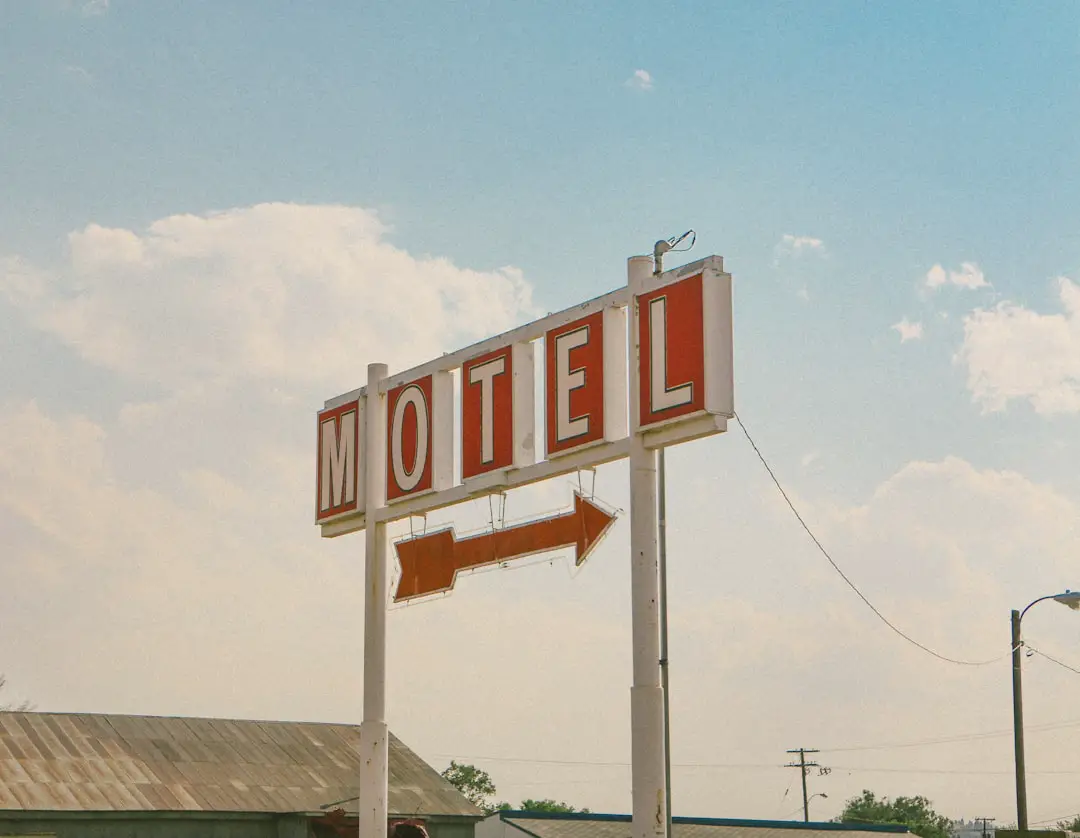
Hotel vs Motel: Understanding the Key Differences
Updated on October 2, 2025
Overview
The location of a property plays a pivotal role in its appeal and functionality, and this is particularly true across hotels and motels. In vibrant urban cores, hotels often place guests near cultural landmarks, shopping districts, and dining options—an attractive setup for tourists and business travelers alike.
Conversely, roadside or suburban corridors commonly feature motels that prioritize convenience for drivers: exterior-entry rooms, parking adjacent to doors, and streamlined services. Size also shapes character. Large hotels can host families and corporate groups with facilities such as meeting rooms, multiple dining options, and recreational amenities. On the other hand, smaller boutique-style hotels emphasize personalized service and design-forward spaces that foster an intimate atmosphere (frequently under ~100 rooms).[14][4]
Key Takeaways
- Layout: Hotels usually have interior corridors and multi-floor buildings; motels typically feature exterior doors opening to parking bays.[5][6]
- Location: Hotels cluster in city centers and destinations; motels line highways and suburban routes for easy car access.
- Amenities: Hotels often include on-site dining, fitness centers, pools, and meeting spaces; motels focus on essentials like adjacent parking and Wi-Fi.
- Pricing: Both use demand-based (dynamic) pricing. In the U.S., disclosure standards emphasize clear “total price” display, including mandatory fees.[1][2][9][10]
- Who they suit: Hotels serve guests seeking fuller services or event spaces; motels suit motorists and budget-focused stays with quick access.
Amenities and Services
Amenities significantly shape the guest experience. Hotels commonly feature fitness centers, pools, spas, and on-site restaurants that reflect local or international cuisine. Room service and business facilities (e.g., meeting rooms) are also typical.
Motels streamline offerings—parking at your door, complimentary Wi-Fi, and sometimes a light breakfast or small pool. For many travelers in 2024–2025 polling, dependable high-speed Wi-Fi remains a top technology priority when choosing accommodations.[7][8]
Cost and Pricing

Rates vary by location, seasonality, and property type. Many properties—hotel and motel alike—use dynamic pricing that responds to demand from holidays, events, and day-of-week trends.[1][2]
Price transparency (United States, 2025): The Federal Trade Commission finalized a “junk fees” trade regulation in December 2024 addressing deceptive fee practices. For short-term lodging, operators are expected to disclose total price (including mandatory fees like resort/destination fees) up front; industry reporting notes the rule’s effect beginning in 2025.[9][10]
Clear breakdowns of taxes, mandatory fees (if any), and optional add-ons reduce surprises and enable apples-to-apples comparisons. Recent outlooks suggest steady demand into 2025, though performance varies by market.[11][12]
Room Types and Accommodations
| Room Type | Occupancy | Bed Type | Price Range (USD) |
|---|---|---|---|
| Single Room | 1 person | Single bed | 50 – 100 |
| Double Room | 2 people | Double bed | 80 – 150 |
| Suite | 2–4 people | King bed | 150 – 300 |
Prices are examples only; check live dates for current rates.
Standard hotel rooms typically provide essentials like private bathrooms and desks, while upgraded categories (suites, club floors) add space and perks such as lounge access or balconies. Motels focus on straightforward room layouts designed for quick arrivals and departures. Families often look for connecting rooms or kitchenettes; travelers seeking more premium touches might prefer hotels with spas or executive lounges.
Customer Experience and Atmosphere
Service style varies. Hotels generally emphasize staffed front desks, concierge support, and a designed ambiance (lighting, decor, music). Motels prioritize convenience and speed—park, check in, and rest. Thoughtful design and friendly, responsive staff elevate experiences in both settings.
Accessibility and Parking
Urban hotels may rely on valet or partner garages; highway motels typically include on-site parking directly outside rooms—a hallmark of the motel format cited in standard definitions.[5][6]
Ownership and Management
Independent hotels offer flexibility for unique branding and local touches; brand-affiliated hotels and motel chains benefit from recognition and loyalty programs. Regardless of format, effective leadership and staff training drive consistency and guest satisfaction.
Target Audience and Marketing
Hotels often target business travelers, event attendees, and leisure guests wanting fuller services. Motels appeal to motorists and budget-conscious travelers prioritizing easy access and quick stays. Clear amenity descriptions and up-front pricing help both segments convert lookers into bookers—especially under evolving U.S. disclosure norms for total price in 2025.[9][10]
Planning family travel? Consider the 5 Best Double Travel Strollers for Spring Adventures 2025. For packing, see 5 Must-Have Softside Carry-On Luggage with Wheels for Spring 2025. Planning a multi-day trek? Read the Best Hiking Backpack for Multi-Day Trek.
FAQs
What is the main difference between a hotel and a motel?
The main difference is layout and use. Hotels typically have multiple floors with interior hallways and amenities such as restaurants, bars, and conference rooms. Motels are oriented to motorists; rooms usually open directly to the parking lot with more limited on-site facilities.[5][6]
What are the typical amenities found in a hotel?
Hotels often offer a wide range of amenities, including room service, concierge services, fitness centers, swimming pools, on-site restaurants, and business facilities. They may also have multiple room types, such as suites and standard rooms.
What are the typical amenities found in a motel?
Motels typically offer more basic amenities, such as parking directly outside the room, free Wi-Fi, and possibly a small breakfast area. They may have fewer room types and fewer on-site facilities compared to hotels.
Are hotels usually more expensive than motels?
In general, yes. Hotels tend to be more expensive due to expanded amenities and services. However, prices vary by location, brand, and demand; many properties use dynamic pricing.[1][2]
Can motels be part of a hotel chain?
Yes. Some motel-format properties are part of larger hotel brands and may benefit from branding, marketing, and loyalty programs.
References
- EHL Insights — Dynamic pricing strategies for maximizing hotel revenue (2024). https://hospitalityinsights.ehl.edu/dynamic-pricing-maximizing-revenue-hotel-industry
- HotelTechReport — What Is Dynamic Pricing in Hotels and Why It Matters (2024). https://hoteltechreport.com/news/dynamic-pricing-hotels
- U.S. Department of Justice — ADA Standards for Accessible Design (2010, current). https://www.ada.gov/law-and-regs/design-standards/
- U.S. Access Board — Guide to the ADA Standards (Chs. 1–5). https://www.access-board.gov/files/ada/guides/ADA-Standards-Guide_Chapters1-5.pdf
- Britannica Dictionary — Motel definition. https://www.britannica.com/dictionary/motel
- Merriam-Webster — Motel definition. https://www.merriam-webster.com/dictionary/motel
- AHLA Winter Travel Intent Report (Oct 24, 2024) — Wi-Fi ranked top tech amenity. https://www.ahla.com/…/Winter%20Travel%20Intent_FINAL_Report_24October2024
- HotelManagement — Summary of AHLA polling: Wi-Fi importance (2024). https://www.hotelmanagement.net/data-trends/ahla-52-americans-likely-travel-holidays | See also Lodging Magazine (2024): link
- FTC Press Release — Final Junk Fees Rule (Dec 17, 2024). https://www.ftc.gov/…/bipartisan-rule-banning-junk-ticket-hotel-fees
- Hotel Dive — FTC “junk fees” rule takes effect for hotels (2025). https://www.hoteldive.com/news/ftc-junk-fees-rule-takes-effect-hotels/747738/
- AHLA — 2025 State of the Industry Report. https://www.ahla.com/sites/default/files/25_SOTI.pdf
- CBRE — U.S. Hotels State of the Union (Sept 2025). https://www.cbre.com/insights/reports/us-hotels-state-of-the-union
- Cvent — What Is a Boutique Hotel? (2024). https://www.cvent.com/en/blog/hospitality/what-is-a-boutique-hotel