
Last Updated on July 26, 2026 by Daniel Globe
Checking into a hotel room should mean relaxing and unwinding, but encountering bed bugs can quickly turn any vacation or business trip into a nightmare. Knowing how to inspect a hotel room for bed bugs before unpacking is your best line of defense against bites and from inadvertently bringing these persistent pests into your home.
Quick Answer
To inspect a hotel room for bed bugs, place your luggage in the bathroom immediately. Strip the bed linens to check mattress seams, box spring corners, and behind the headboard using a flashlight. Look for live reddish-brown insects, shed skins, tiny white eggs, or dark fecal spots. If found, request a new room immediately.
Key Takeaways
- Place Luggage in Safety First: Keep bags on a luggage rack, tiled bathroom floor, or hard surface before starting your inspection.
- Inspect Key Hiding Spots: Focus on mattress seams, box springs, headboards, upholstered furniture, and electrical outlets.
- Identify Tell-Tale Signs: Look for live adult bugs (apple seed size), rust-colored fecal specks, translucent shed skins, or a musty sweet scent.
- Protocol for Exposure: If bed bugs are detected, request a new room at least two floors away, and heat-treat all clothing in a dryer on high heat for 30 minutes upon returning home.
At a Glance: Hotel Bed Bug Inspection
| Time Required | 5 to 10 minutes |
| Difficulty | Easy (No special skills required) |
| Tools Needed | Smartphone flashlight, credit card or flat tool (for seams) |
| Cost | $0 |
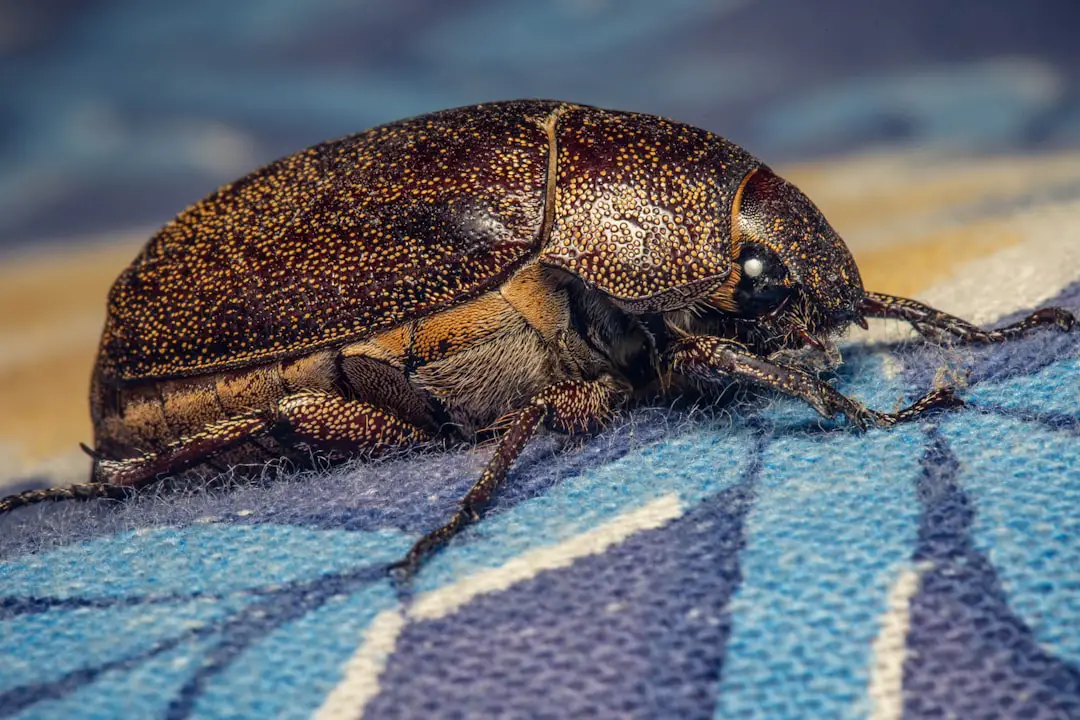
Bed bugs, scientifically known as Cimex lectularius, are small, nocturnal insects that feed on human and animal blood. Recognizing the signs of a bed bug infestation is crucial for early detection and effective management. One of the most common indicators of their presence is small, reddish-brown spots on bedding or furniture, which are caused by bed bug excrement.
These stains can sometimes be mistaken for rust or dirt marks, but their presence is a clear signal that bed bugs may be nearby. Additionally, you might find shed exoskeletons left behind after the bugs molt, as well as tiny, pale white eggs that are about the size of a pinhead (~1mm).
Note: To distinguish a bed bug fecal stain from regular dirt, wipe it with a damp paper towel. Fecal spots consist of digested blood and will smear reddish-brown, whereas ordinary dust or dirt will not.
Another telltale sign is seeing live insects. According to the Environmental Protection Agency (EPA), adult bed bugs are approximately the size of an apple seed (5 to 7 mm), flat, and oval-shaped. They hide during the day and are most active at night, making them difficult to spot without a deliberate search. However, inspecting sleeping areas closely often reveals them hiding in mattress seams, behind headboards, or in cracks and crevices of furniture. In heavy infestations, an unusual, sweet, musty odor may be noticeable due to pheromones released by the insects.
How to Inspect a Hotel Room for Bed Bugs
When checking into a hotel room, conducting a systematic inspection before unpacking ensures you do not inadvertently bring pests home or expose your luggage. Follow this step-by-step room inspection protocol:
- Secure Your Luggage: Do not place suitcases on the bed, carpet, or upholstered armchairs. Place your luggage in the bathroom tub or on a tile floor while inspecting the sleeping quarters.
- Strip and Check the Mattress: Pull back the bed sheets and mattress pad at all four corners. Examine the piping, seams, and tufts of the mattress and box spring for live bugs, dark fecal specks, or cast skins.
- Inspect the Headboard and Frame: Use your phone’s flashlight to illuminate dark cracks behind the headboard and along the wooden or metal bed frame. Headboards attached to hotel walls are primary harbourage zones.
- Examine Nearby Nightstands & Furniture: Check inside nightstand drawers, under lamp bases, and around joint seams of upholstered chairs or sofas.
- Inspect Wall Accessories: Check behind hanging picture frames, along baseboards, and around electrical outlets near the bed.
Pro Tip: Run the edge of a credit card along mattress piping and seams to push back fabric folds and force any hiding bed bugs or egg clusters into view.
Products Worth Considering

This Powerful Flashlight- Is just what you need to detect bed bugs in a hotel room or find invisible stains from Body Fluids. Black light Is Ideal For Identifying-...
Common Hiding Spots for Bed Bugs in Hotel Rooms
Bed bugs are expert hitchhikers and skilled at hiding in narrow gaps within hotel rooms. While mattresses and box springs are their most frequent targets due to proximity to human hosts, their hiding spots extend far beyond sleeping surfaces:
- Upholstered Furniture: Seams, cushion folds, and undersides of armchairs and sofas in seating areas.
- Luggage Racks: Wooden or fabric straps on hotel luggage racks, particularly around plastic joints and screw holes.
- Baseboards and Carpet Edges: Crevices along floor baseboards directly beneath or adjacent to the bed.
- Electrical Outlets & Switch Plates: Internal wall cavities accessed through loose wall plates.
- Curtains and Drapes: Pleats, top hems, and hanging folds of window drapery.
Identifying Bed Bug Bites and Symptoms
Bed bug bites are frequently mistaken for mosquito bites, flea bites, or general skin rashes. Understanding how to distinguish them helps determine whether you have been exposed during travel.
| Symptom | Description |
|---|---|
| Red, Itchy Welts | Raised red bumps typically arranged in a straight line or tight cluster (often referred to as a “breakfast, lunch, and dinner” feeding pattern). |
| Localized Rash | Irritation and redness appearing on skin exposed while sleeping, such as arms, shoulders, neck, and face. |
| Blisters or Hives | Fluid-filled blisters or prominent hives may develop in individuals with heightened sensitivity or allergic reactions to salivary proteins. |
| Anxiety and Insomnia | Sleep loss and psychological stress resulting from persistent itching and discomfort. |
| Secondary Infection | Bacterial skin infections (such as impetigo or folliculitis) resulting from intense scratching that breaks the skin barrier. |
According to the Centers for Disease Control and Prevention (CDC), skin reactions to bed bug bites can take anywhere from a few hours to up to 14 days to appear. While bed bugs are not known to transmit infectious diseases to humans, their bites can cause significant discomfort and severe allergic reactions in sensitive individuals.
What to Do If You Suspect a Bed Bug Infestation in Your Hotel Room
If your inspection reveals evidence of bed bugs, remain calm and follow these protocols immediately:
- Document the Findings: Take clear photos and videos of any live insects, fecal marks, or shed skins you discover.
- Notify Hotel Management: Contact the front desk right away. State your findings clearly and request an immediate room reassignment.
- Isolate Belongings: Ensure your bags remain zipped tight and kept off carpets and soft surfaces while waiting for assistance.
Warning: When accepting a new room, do not accept one directly adjacent to, above, or below the infested room. Bed bugs easily travel between adjacent units through wall voids, electrical conduits, and hallway floorboards. Request a room located at least two floors away.
Products Worth Considering

ENVIRONMENTAL BED BUG SCREENING KIT – This rapid test kit is designed to detect bed bug-derived antigens from environmental surface samples collected from beds, mattresses, furniture crevices, and other suspected areas. It is intended for environmental hygiene monitoring, not for human specimen testing.
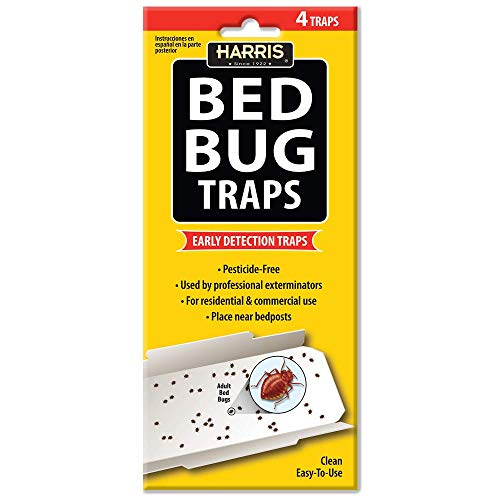
Natural Product. Easy to Use - Simply fold the trap and insert the tab at the top to hold it together

【AI-Powered Intelligent Detection System】Equipped with an upgraded AI chip and a patented 360° full-range real-time scanning system, this detector delivers faster scanning and enhanced anti-interference performance. 5-level adjustable sensitivity allows precise positioning of hidden cameras, listening devices, and GPS trackers within a 32-foot detection range. It captures suspicious signals quickly without omission, delivering reliable detection you can count on.
Tips for Preventing Bed Bug Infestations While Traveling
Preventing infestation requires proactive preparation both before departure and during your stay:
- Research Accommodations: Review recent hotel ratings on pest management and cleanliness on major travel review portals.
- Choose Hard-Shell Luggage: Hard-sided suit cases offer fewer seam folds and fabric textures for bugs to cling to compared to soft canvas bags.
- Pack in Sealed Bags: Store clean clothing inside re-sealable plastic compression bags to create a physical barrier.
- Utilize Travel Gear Wise Protection: Pack travel gear like durable ski travel bags or duffels inside protective plastic liners, keep activewear such as merino wool travel socks sealed until use, and keep nighttime essentials like a solar-powered camping lantern stored safely away from soft bedding.
The Importance of Reporting Bed Bug Sightings to Hotel Management
Promptly reporting bed bug encounters protects future guests and enables hoteliers to address infestations before they spread. Professional pest controllers can perform targeted thermal treatments or chemical applications to eradicate harborage areas.
Industry guidelines established by the National Pest Management Association (NPMA) emphasize that early reporting prevents widespread hotel contamination, supporting public health standards across the travel industry.
How to Protect Your Belongings From Bed Bugs While Staying in a Hotel
To ensure your luggage remains protected throughout your stay:
- Keep luggage elevated on metal racks or hard desk surfaces at all times.
- Avoid placing coats, backpacks, or clothing items on beds or upholstered furniture.
- Keep dirty laundry stored in sealed plastic bags rather than loose in hamper bags or on the closet floor, as body odors on worn clothes attract bed bugs.
Products Worth Considering

Travel-size bed bug spray: Hygea Natural's bedbug treatment comes in a 3oz spray bottle that is TSA approved for carry on plane travel.

【KEEP YOUR MATTRESS CLEAN】 PROWEE 2 Pack extra large twin mattress moving bag are water resistant and stain resistant to keep mattress clean, fresh and ready to use again in the future. This mattress bags for moving twin size is suitable for mattress temporary protection or long term storage,Crib Mattress Storage Bag.

Travel-size bed bug spray: Hygea Natural's bedbug treatment comes in a 3oz spray bottle that is TSA approved for carry on plane travel.
The Risks of Bringing Bed Bugs Home From a Hotel
“A single female bed bug brought home in luggage can lay up to 500 eggs over her lifespan, turning a minor travel exposure into a thousands-of-dollars home remediation.”
Exterminating a home infestation requires intensive professional treatments, structural preparations, and significant expense. Beyond financial costs, managing an infestation inflicts emotional stress, sleep deprivation, and disruption to daily routines.
What to Do If You Find Bed Bugs in Your Luggage After Returning From a Trip
If you suspect bed bug exposure upon returning home, act immediately before bringing luggage into sleeping areas:
- Unpack Outside or in a Garage: Unpack luggage on a hard surface away from carpets and furniture.
- Apply High Heat Drying: Wash all washable clothing and immediately place items in a clothes dryer on high heat (above 120°F / 49°C) for at least 30 minutes. High heat effectively kills all life stages, including eggs.
- Vacuum and Sanitize Bags: Thoroughly vacuum suit cases inside and out, paying special attention to seams and zipper tracks. Empty the vacuum canister immediately into an outdoor trash bin.
- Steam Non-Washables: Treat non-washable luggage surfaces with a garment steamer reaching at least 160°F (71°C).
Resources for Further Information and Assistance With Bed Bug Infestations
For additional guidance on identifying and controlling bed bugs, consult these trusted public health and pest management resources:
- Environmental Protection Agency (EPA): Provides educational guides on pest identification, prevention strategies, and safe pesticide use.
- Centers for Disease Control and Prevention (CDC): Offers health guidance on bite treatment and sanitation protocols.
- National Pest Management Association (NPMA): Features directory listings for licensed, certified pest control professionals.
FAQs
What are bed bugs?
Bed bugs (Cimex lectularius) are small, reddish-brown, flightless insects that feed on the blood of humans and animals. They hide in mattress seams, furniture, and cracks during the day and emerge at night to feed.
How can I find bed bugs in a hotel room?
To find bed bugs, inspect mattress seams, box springs, headboards, and nearby upholstered furniture using a flashlight. Look for live bugs, translucent shed skins, tiny white eggs, or rust-colored fecal spots.
What are the signs of bed bug infestation in a hotel room?
Key signs include small red or dark brown fecal spots on bedding, cast exoskeletons from molting nymphs, live bugs hiding in fabric seams, and a distinct musty odor in heavily infested rooms.
What should I do if I find bed bugs in a hotel room?
Notify front desk management immediately, document the findings with photographs, and request a room transfer at least two floors away from the infested room. Keep your luggage sealed and elevated.
How can I prevent bringing bed bugs home from a hotel?
Keep luggage off carpets and beds, pack clothes in plastic compression bags, inspect your hotel room before unpacking, and dry all traveled clothing on high heat for 30 minutes immediately upon returning home.
Sources
- U.S. Environmental Protection Agency (EPA) — Bed Bug Identification and Prevention Guidelines
- Centers for Disease Control and Prevention (CDC) — Bed Bug Frequently Asked Questions
- National Pest Management Association (NPMA) — Bed Bug Biology & Industry Control Standards
