
Last Updated on September 11, 2026 by Daniel Globe
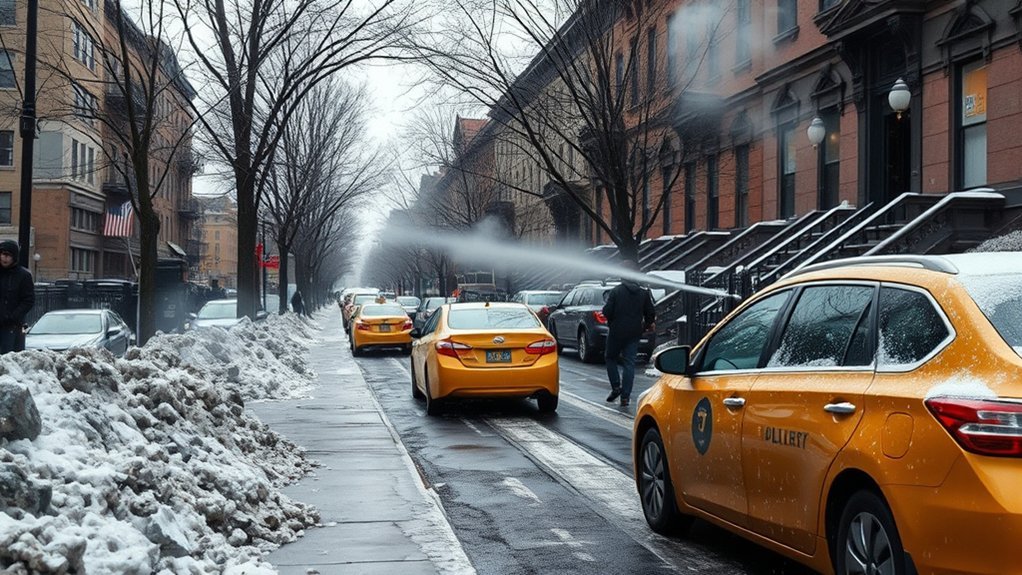
For New York City, January is usually the hardest winter month because it has the lowest normal monthly temperature. February is normally the snowiest, while March can still bring late snow, icy mornings, and sharp temperature swings. This guide uses Central Park climate records for its main comparison; winters in western, central, and northern New York can be much colder or snowier.
Quick Answer
In New York City, January is usually the worst winter month for cold, with a 33.7°F normal mean temperature. February is snowiest on average at 10.1 inches, while March averages 5.0 inches and can still produce disruptive storms. Upstate and western New York may rank months differently because lake-effect snow dominates.
Key Takeaways
- January is normally NYC’s coldest month, with a 33.7°F monthly mean.
- February is normally NYC’s snowiest month, averaging 10.1 inches at Central Park.
- December is the darkest period, while March is warmer but can still bring late snow and freezing nights.
- New York State varies widely; lake-effect areas can receive far more snow than New York City.
Note: The temperature and snowfall averages below come from the National Weather Service’s Central Park station and describe New York City. They should not be treated as statewide averages.
Disclosure: As an Amazon Associate I earn from qualifying purchases. Some links on this page are affiliate links, at no extra cost to you.
Which New York Winter Month Is Worst?
The answer depends on what makes winter difficult for you. January is the coldest month in New York City. February has the highest normal snowfall. December has the least daylight near the winter solstice, and March can be frustrating because winter weather may return after several mild days.
| Winter concern | Typical NYC month | Why |
|---|---|---|
| Coldest temperatures | January | Normal monthly mean of 33.7°F |
| Most snow on average | February | Normal snowfall of 10.1 inches |
| Shortest daylight | December | The winter solstice brings the year’s shortest daylight |
| Late-winter uncertainty | March | Milder averages but continued freezing nights and snow risk |
Why January Is Usually the Worst Winter Month in NYC
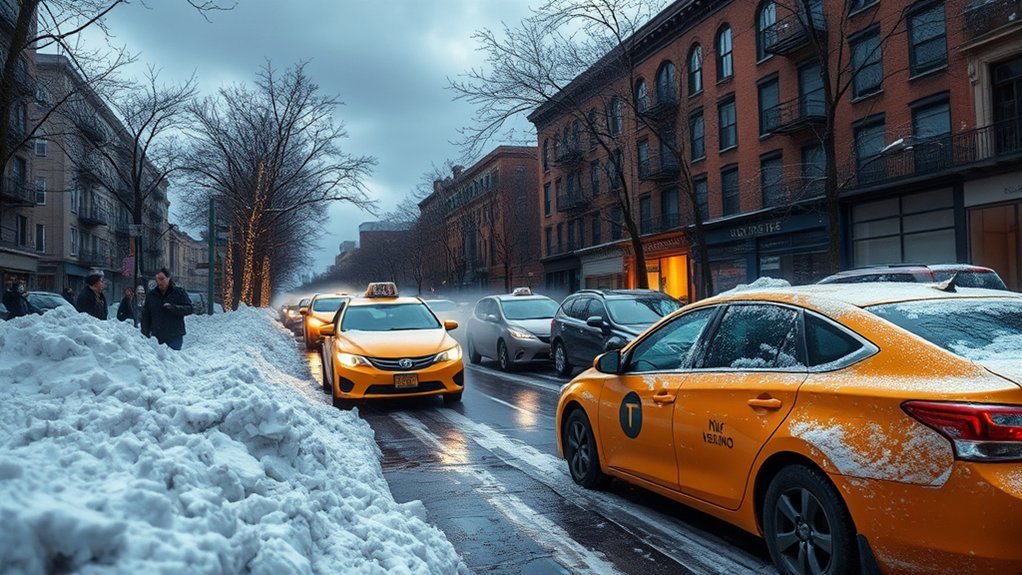
January is normally New York City’s coldest month. According to the National Weather Service’s 1991–2020 Central Park normals, the month has an average high of 39.5°F, an average low of 27.9°F, and a monthly mean of 33.7°F.
Those averages do not mean every January day stays near freezing. Mild spells can occur, but Arctic air can also send temperatures well below the monthly average. Wind makes exposed skin lose heat faster, and melted snow can refreeze overnight on sidewalks, stairs, platforms, and untreated roads.
January can also feel harder than December because holiday activity has ended while cold weather continues. Daylight slowly increases after the December solstice, but late sunrises and early sunsets still limit comfortable outdoor time.
- Cold exposure: Low temperatures and wind increase the risk of frostbite and hypothermia.
- Ice: Repeated melting and refreezing can make morning and evening travel hazardous.
- Heating demand: Long cold spells place more strain on household heating systems.
- Travel delays: Snow, frozen switches, icy roads, and deicing operations can slow ground and air travel.
Pro Tip: Check the overnight low rather than relying only on the afternoon high. A day that reaches 40°F may still begin with black ice or end below freezing.
Why February Brings Snow and Winter Blues
February is slightly warmer than January on average, but it normally receives more snow. Central Park’s normal February snowfall is 10.1 inches, compared with 8.8 inches in January. That makes February NYC’s snowiest month on a long-term average, although an individual winter may follow a very different pattern.
February Snow Patterns
February storms can cause major problems when cold air is already in place and snow remains on streets, curb ramps, and shaded sidewalks. Back-to-back storms may leave less time for snow removal and can create large piles that obstruct crossings or parking spaces.
The 2025–26 season is a useful example of how much one winter can differ from normal. The National Weather Service seasonal climate report recorded 43.4 inches at Central Park for the full snow season, 13.6 inches above the 29.8-inch normal. That was a seasonal total, not a normal February amount.
February averages the most snow in New York City, but snowfall varies so widely that one storm or one unusually quiet month can change the character of an entire winter.
Winter Blues and Seasonal Affective Disorder
By February, many people are tired of short days, indoor routines, and repeated weather disruptions. That ordinary frustration is often called the winter blues. It is not automatically the same as seasonal affective disorder.
The National Institute of Mental Health describes seasonal affective disorder as a form of depression with a recurring seasonal pattern. Symptoms and timing vary. Reduced daylight may play a role, but there is no single February peak that applies to everyone.
Helpful habits may include getting daylight when conditions are safe, keeping a regular sleep schedule, staying physically active, and maintaining contact with other people. Speak with a qualified health professional when low mood, loss of interest, sleep changes, or fatigue repeatedly interfere with daily life. Light therapy, medication, supplements, and other treatments should be discussed with a clinician rather than started solely from general online advice.
Why March Still Feels Like Winter in New York
March is much warmer than January or February on average, but it is not reliably mild. Central Park’s normal March mean is 42.8°F, with an average high of 49.9°F and an average low of 35.8°F. Freezing nights, strong winds, slush, and late snow can still disrupt plans.
Lingering Cold Patterns
March often alternates between mild afternoons and winter-like cold. A warm day may melt snow, while a colder night can refreeze water on sidewalks and roads. This daily swing can make March more difficult to dress for than a consistently cold January day.
- Check both daytime and overnight temperatures.
- Keep a waterproof outer layer available for rain, sleet, and wet snow.
- Continue wearing shoes with reliable traction on cold mornings.
Late-Season Snowstorms
Central Park averages 5.0 inches of snow in March. Some years receive little or none, while major historical storms show that heavy March snow remains possible. Rising sun angles and warmer ground can help snow melt faster than it would in January, but accumulation can still delay transit and make walking hazardous.
| March factor | Typical pattern | Practical effect |
|---|---|---|
| Temperature | Large daily swings | Harder clothing and travel decisions |
| Snowfall | 5.0-inch normal, with high year-to-year variation | Late storms can still disrupt schedules |
| Surface conditions | Melting by day and refreezing at night | Black ice and slippery morning sidewalks |
Why Winter Blues Can Persist
Improving daylight does not make fatigue or low mood disappear on a fixed date. A person may still feel worn down by cold commutes, limited outdoor time, illness, or months of disrupted routines. Keep expectations realistic and continue the habits that supported you earlier in winter.
- Spend time outdoors during daylight when weather and walking conditions are safe.
- Keep regular sleep and meal times.
- Plan exercise, social contact, or another structured activity.
- Seek professional support when symptoms are persistent, severe, or disruptive.
How NYC Winter Differs From Upstate New York
New York City’s Central Park data cannot describe the entire state. Elevation, distance from the Atlantic, local terrain, and proximity to Lakes Erie and Ontario all shape winter weather.
Western and north-central New York can receive intense lake-effect snow when cold air crosses the relatively warmer Great Lakes. The National Weather Service’s New York Winter Weather Awareness guidance notes that the Tug Hill Plateau typically receives more than 200 inches of snow per year, mainly from lake effect.
As a result, November or December may feel like the worst period in a lake-effect community even though February is snowiest on average in New York City. Travelers should always use the forecast and climate information for their exact destination rather than applying NYC figures statewide.
Which NYC Months Are Snowiest and Coldest?
The table below uses the National Weather Service’s 1991–2020 Central Park normals. January is the coldest month, while February has the highest normal snowfall. December is milder than January but has the shortest daylight. March is warmer, although its 5.0-inch snowfall normal confirms that winter weather remains possible.
| Month | Normal high | Normal low | Monthly mean | Normal snowfall |
|---|---|---|---|---|
| December | 44.3°F | 33.8°F | 39.1°F | 4.9 inches |
| January | 39.5°F | 27.9°F | 33.7°F | 8.8 inches |
| February | 42.2°F | 29.5°F | 35.9°F | 10.1 inches |
| March | 49.9°F | 35.8°F | 42.8°F | 5.0 inches |
How Snow, Ice, and Cold Affect Daily Life
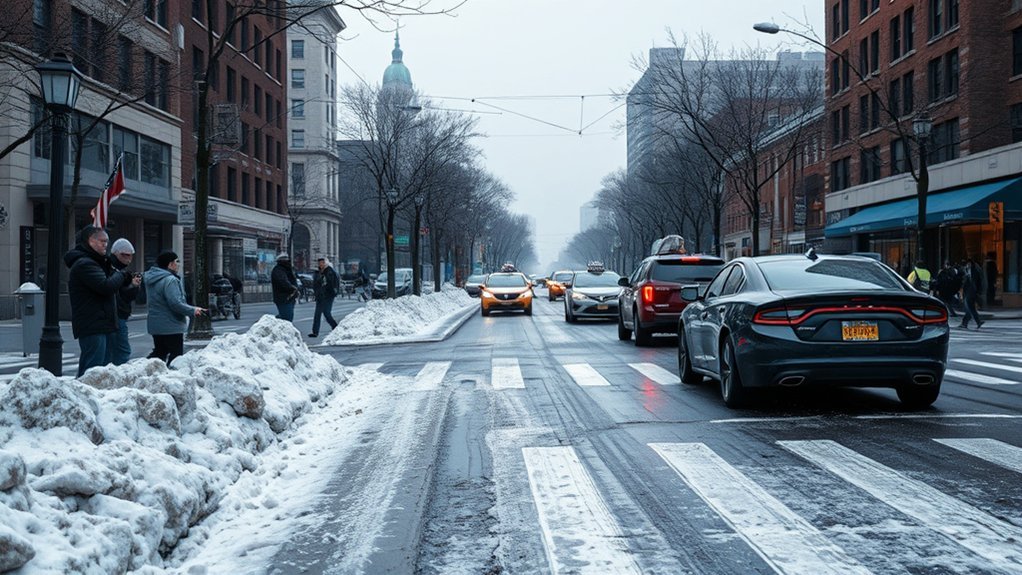
Snow, ice, and sustained cold can turn ordinary routines into planning problems. Accumulation slows buses and cars, ice raises the risk of falls, and extreme cold can make even a short outdoor wait unsafe without suitable clothing.
NYC property owners are generally responsible for clearing snow and ice from adjoining sidewalks. The city’s NYC311 snow guidance says cleared paths should be at least four feet wide where possible so people using wheelchairs and other mobility devices can pass.
Cold weather also increases heating demand. Check heating equipment, smoke alarms, and carbon-monoxide detectors before winter. Keep vents clear, follow equipment instructions, and never use an outdoor grill, generator, or unvented fuel-burning device inside a home.
Warning: Confusion, slurred speech, unusual drowsiness, shallow breathing, or loss of coordination can signal hypothermia. Numb, pale, waxy, or unusually firm skin can signal frostbite. Move to a warm place and seek prompt medical help. Do not rub frostbitten skin or apply direct high heat.
The NYC Health Department advises extra care for older adults, infants, people with certain health conditions, and anyone without reliable heat or shelter.
How New York Winter Weather Changes Travel Plans
Winter weather does not shut down every form of transportation, but it reduces predictability. Snow, ice, high winds, low visibility, and deicing can affect roads, subways, commuter rail, buses, and airports in different ways.
The MTA winter weather guide explains that service may be reduced as snowfall becomes heavier, especially on exposed tracks. Check the MTA website, MTA app, or TrainTime before leaving rather than relying on a normal schedule.
Drivers traveling outside the city can check 511NY for reported road conditions, incidents, closures, cameras, and winter travel information. Air travelers should check both the airline and airport before leaving home because a flight can be delayed even when streets near the airport appear clear.
- Check the latest National Weather Service forecast and alerts.
- Allow extra time for walking, transfers, security, and deicing.
- Use routes with indoor transfers when possible during extreme cold.
- Keep a charged phone, medication, water, and an extra warm layer with you.
- Avoid unnecessary travel when officials advise people to stay off the roads.
Pro Tip: Build a backup plan before a storm begins. Save an alternate train or bus route, know where you can wait indoors, and avoid scheduling the final flight or connection of the day when severe weather is expected.
How to Get Through the Worst Winter Months in NY
January and February usually create the greatest combined cold and snow risk in New York City. March still requires preparation because late storms and overnight freezing remain possible.
Prepare for the coldest temperature shown in the forecast, not just the warmest part of the afternoon.
- Dress in layers. Start with a moisture-managing base layer, add insulation, and use a wind-resistant or waterproof outer layer when needed.
- Protect exposed skin. Wear a hat, gloves, warm socks, and footwear with reliable traction.
- Prepare your home. Test smoke and carbon-monoxide alarms, check heat, seal obvious drafts, and keep basic supplies available.
- Watch the forecast. Conditions can change quickly, particularly during coastal storms and lake-effect events.
- Plan travel early. Check service status, road conditions, and flight information before departure.
- Keep a winter routine. Regular sleep, movement, daylight exposure, and social contact can make long cold periods easier to manage.
Books, cooking, indoor exercise, museums, community programs, and planned social activities can make storm days less isolating. When low mood becomes persistent or affects work, sleep, relationships, or basic daily tasks, contact a qualified health professional.
Frequently Asked Questions
What’s the worst winter month in New York City?
January is normally the worst month for cold in New York City. Central Park’s normal January mean is 33.7°F, lower than December, February, or March. February is normally snowier, so the hardest month depends on whether cold or snowfall affects you more.
What’s the worst winter month in upstate New York?
There is no single statewide answer. January is often among the coldest months, but the snowiest period varies by elevation, storm track, and proximity to Lakes Erie and Ontario. Lake-effect communities may face their most disruptive weather in November, December, January, or February.
Was the 2025–26 winter snowy in New York City?
Yes. Central Park recorded 43.4 inches for the 2025–26 snow season, which was 13.6 inches above the 1991–2020 normal of 29.8 inches. That total describes one season and should not be treated as a typical February or annual forecast.
What are the two coldest months in New York City?
January and February are the two coldest months based on Central Park’s climate normals. January has a normal monthly mean of 33.7°F, while February’s normal mean is 35.9°F.
Is February always snowier than January in NYC?
No. February has the higher long-term normal, but individual winters vary. A single January storm can produce more snow than an entire February, while some winters receive little snow in either month.
Conclusion
January is usually New York City’s worst winter month for cold, while February is snowiest on average. March is milder but can still bring snow, ice, and freezing nights. December deserves mention because it has the least daylight, and conditions elsewhere in New York State can be far more severe than Central Park averages suggest.
Use local forecasts, allow extra travel time, dress for wind and overnight lows, and prepare your home before a storm arrives. Winter becomes easier to manage when you compare the actual risks—cold, snow, ice, darkness, and travel disruption—instead of treating every month or every part of New York as the same.
Sources
- National Weather Service: Central Park Normals and Extremes — monthly temperature and snowfall normals.
- National Weather Service: Central Park Seasonal Climate Report — 2025–26 seasonal snowfall total and departure from normal.
- National Weather Service: New York Winter Weather Awareness — statewide hazards and lake-effect snowfall differences.
- NYC Emergency Management: Winter Weather Preparation — cold, snow, home, and emergency-supply guidance.
- National Institute of Mental Health: Seasonal Affective Disorder — symptoms, seasonal patterns, and treatment information.
- MTA: Winter Weather Service Guide — potential service effects and winter travel planning.
