
Last Updated on September 11, 2026 by Daniel Globe
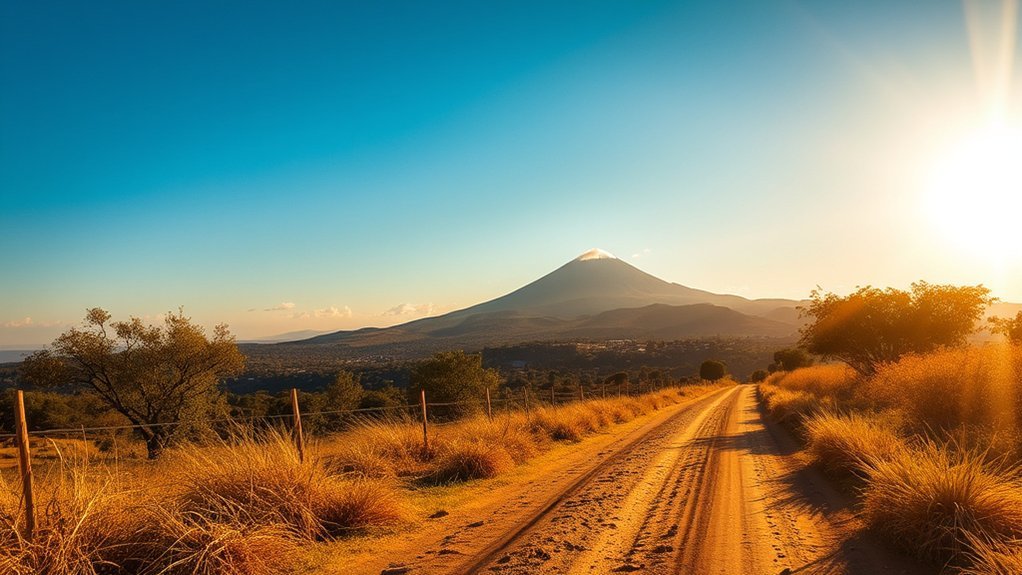
Nicaragua’s driest weather is usually found from November through April on the Pacific side and across much of the western interior. March is typically the driest month in Managua, but that answer does not apply equally to the Caribbean coast, which stays much wetter. Your best travel month depends on whether you value the least rain, milder heat, greener scenery, or smaller crowds.
Quick Answer
March is generally the driest month in Managua and much of Nicaragua’s Pacific side. Climate normals show only 2.1 mm of March precipitation at Managua airport. However, Nicaragua does not have one uniform climate: the Caribbean coast stays much wetter, and conditions vary by elevation, coast, and year.
Key Takeaways
- The main dry season is November through April in western Nicaragua, including Managua, León, Granada, and many Pacific beach areas.
- March is the driest month in Managua’s climate normals, while January and February are often slightly cooler.
- April is usually hotter and begins the transition toward rain; May starts the greener, wetter season in many western areas.
- The Caribbean coast follows a wetter pattern, so check a destination-specific forecast instead of relying on a countrywide average.
Disclosure: As an Amazon Associate I earn from qualifying purchases. Some links on this page are affiliate links, at no extra cost to you.
When Does Nicaragua’s Dry Season Start?
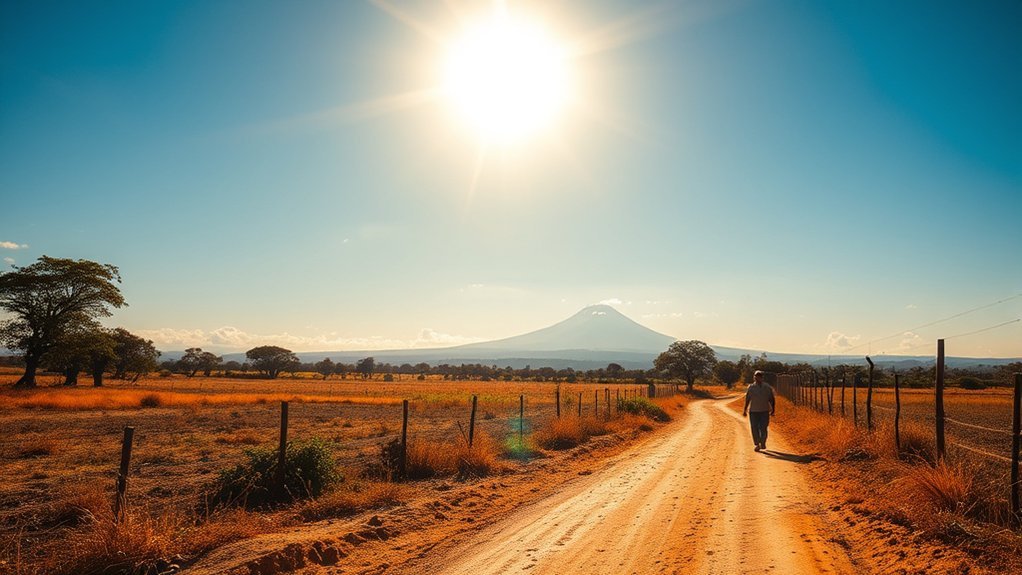
Nicaragua’s dry season generally runs from November through April in the Pacific lowlands and much of the west-central part of the country. The rainy season usually returns from May through October. This pattern makes the dry months popular for city trips, Pacific beaches, road travel, and hikes where muddy trails would otherwise slow you down.
The season does not begin with a perfect switch. November can still bring leftover showers, especially early in the month, while late April may bring the first meaningful rains. Climate patterns also change from one year to the next, so use long-term averages for planning and a current forecast for daily decisions.
Dry Season at a Glance
| November–December | The west becomes drier, but early-season showers remain possible. Landscapes are often greener than they are in March or April. |
| January–February | Reliable dry-season conditions in many western destinations, with slightly lower average temperatures than March and April in Managua. |
| March | The driest month in Managua’s climate normals. Expect strong sun, dry ground, dust, and increasing heat in the western lowlands. |
| April | Often the hottest part of the dry season in the west. Rain chances begin to rise as the month progresses. |
| May | The green season begins across much of western Nicaragua. Rain may arrive in bursts rather than lasting all day. |
How Nicaragua’s Climate Varies by Region
A single national answer can be misleading because Nicaragua has distinct climate zones. The Nicaraguan Embassy’s climate overview describes the Pacific side as comparatively dry, the central highlands as cooler and more humid, and the Caribbean coast as very humid with much heavier rainfall.
- Pacific lowlands and western cities: Managua, León, Granada, Rivas, and many Pacific beaches have the clearest November-to-April dry season.
- Central and northern highlands: Places such as Matagalpa, Jinotega, and Estelí are generally cooler because of elevation. Clouds and showers can differ from the lowlands.
- Caribbean coast and islands: Bluefields, the Corn Islands, and the Caribbean lowlands are wetter. March may still be one of the less-wet months, but “dry” does not mean rain-free.
Note: Climate normals describe long-term averages, not the weather on your exact travel dates. Check a local forecast for each stop, especially when crossing from the Pacific side to the highlands or Caribbean coast.
Why March Is the Driest Month
March sits near the end of the established dry season in western Nicaragua, before April heat and the return of more frequent rain. At Managua’s Augusto C. Sandino station, the Japan Meteorological Agency’s monthly climate normals list 2.1 mm of precipitation in March. That is lower than February’s 4.2 mm and April’s 41.9 mm.
This makes March a strong choice for travelers who want the lowest chance of rain around Managua, Granada, León, and many Pacific-side routes. The trade-off is heat. Managua’s monthly mean temperature rises from 27.3°C (81.1°F) in February to 28.3°C (82.9°F) in March and 29.5°C (85.1°F) in April.
Managua’s climate normals show March as the driest month, with 2.1 mm of average precipitation—but the result should not be applied to every region of Nicaragua.
What April Weather Feels Like
April is the late-dry-season transition month. Western Nicaragua is often hot, sunny, dusty, and brown after months with little rain. The first showers may begin before the month ends, but their timing changes from year to year.
April Heat Builds Fast
April has the highest monthly mean temperature in the Managua normals at 29.5°C (85.1°F). Afternoon conditions can feel much hotter in exposed streets, beaches, and volcanic terrain. Plan demanding outdoor activities early, carry more water than you expect to need, and use shade during the strongest midday sun.
Warning: Heat, dehydration, strong sun, and limited shade can turn a routine hike into a medical problem. Start early, wear sun protection, carry water and electrolytes, and turn back if anyone becomes dizzy, confused, weak, or nauseated.
Dry Days, Warm Nights
In the Pacific lowlands, April evenings usually stay warm, so light, breathable clothing is more useful than heavy layers. Higher-elevation towns can feel noticeably cooler after sunset. Pack for your route rather than for the country as a whole.
Dry ground also means dust. A light scarf or mask can help on unpaved roads, open vehicles, and windy trails. Keep electronics and camera equipment protected from fine grit.
Rain Arrives Late Month
April is wetter than March in Managua’s normals, with 41.9 mm of precipitation compared with 2.1 mm in March. That does not guarantee a set number of rainy days. Some years stay dry longer, while others bring early thunderstorms. Keep a light rain shell or compact umbrella available, especially in the second half of the month.
How May Starts Nicaragua’s Green Season
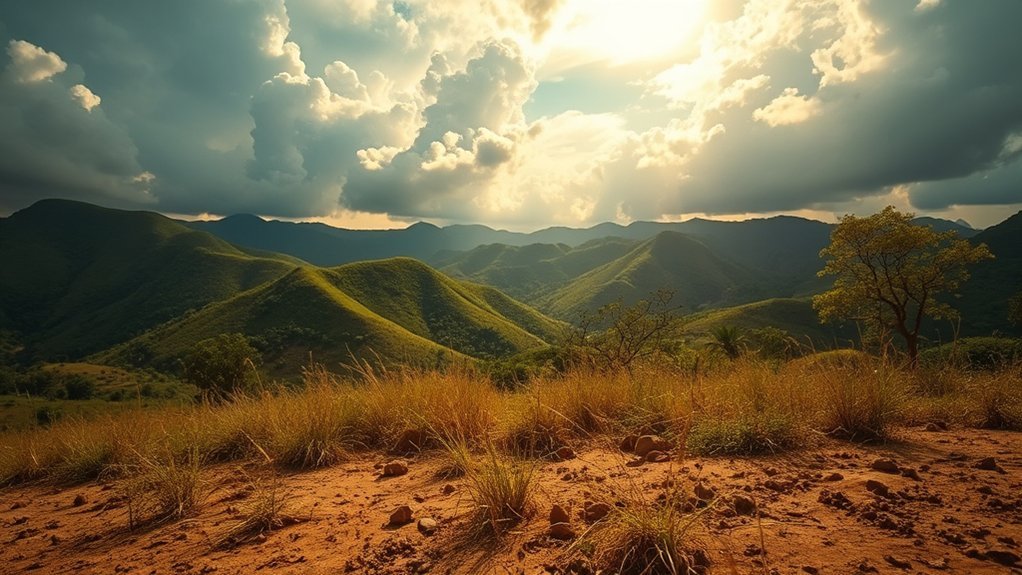
May marks the start of the rainy or green season across much of western Nicaragua. Managua’s monthly normal rises to 145.0 mm of precipitation in May, well above April’s 41.9 mm. The first rains cool dusty ground, revive vegetation, and make hillsides greener.
Rain in May is often uneven. You may get a sunny morning followed by an afternoon or evening downpour, but multi-day wet spells are also possible. Roads, ferry schedules, trails, and outdoor tours can be affected, so build flexibility into your plans.
Pro Tip: Choose late November or early December when you want mostly dry western weather with greener scenery. Choose March when minimum rainfall matters more than lush landscapes.
Best Dry-Season Activities in Nicaragua
Dry trails and clearer roads make November through April a practical period for many outdoor plans in western Nicaragua. Good options include:
- Volcano and nature hikes: Explore established routes around Mombacho, Ometepe, and other protected areas with a reputable local guide where required.
- Colonial cities: Walk Granada and León in the morning, then use the hotter afternoon for museums, cafés, or shaded courtyards.
- Pacific beaches: Swim or surf only after checking local conditions. Currents can be strong, and lifeguards may not be present.
- Lake and island trips: Visit Lake Nicaragua, the Islets of Granada, or Ometepe while keeping wind and ferry conditions in mind.
- Wildlife watching: Ask operators about current permit and equipment rules before specialized wildlife or birding trips.
Travel Safety: The U.S. Department of State lists Nicaragua at Level 3, “Reconsider Travel,” in an advisory issued May 14, 2026. It warns about crime, health risks, wrongful detention, arbitrary enforcement of laws, poor road conditions, limited medical services, beach currents, and remote hiking hazards. Review the current Nicaragua travel advisory and your own government’s guidance before booking.
Where to Go in Nicaragua’s Dry Months
Choose destinations by region and activity rather than assuming the same weather everywhere:
- Granada: A convenient base for colonial streets, Lake Nicaragua, the Islets of Granada, and nearby nature trips.
- León: A strong choice for architecture, museums, and access to volcanic landscapes in the drier west.
- San Juan del Sur and the Pacific coast: Best for beaches, sunsets, and surf-focused trips, with local conditions varying by break.
- Ometepe: A mix of lake scenery, villages, farms, and demanding volcano hikes. Confirm ferry and guide arrangements.
- Mombacho and Masaya: Popular volcanic areas near Granada and Managua. Check current access and activity updates before departure; the official Visit Nicaragua page is a useful starting point.
- Central highlands: Matagalpa and Jinotega offer cooler conditions, coffee-country scenery, and a different feel from the hot Pacific lowlands.
Rincón de la Vieja National Park is not in Nicaragua; it is in Costa Rica. For a Nicaragua itinerary, use Mombacho, Masaya, Ometepe, Cerro Negro, or another verified local destination instead.
Best Time to Visit Nicaragua by Travel Goal
- Lowest rain around Managua and the western corridor: March.
- Dry weather with slightly less heat: January or February.
- Greener scenery with a lower chance of peak late-season dryness: Late November or December, while accepting some possible showers.
- Green-season travel and fewer weather assumptions: May through August can work when you allow schedule flexibility and check local forecasts.
- Caribbean destinations: Use city- or island-specific climate data; the Pacific dry-season calendar is not reliable enough on its own.
Products Worth Considering
AWARD-WINNING WINDPROOF DESIGN: Engineered to outperform ordinary umbrellas, this compact folding umbrella withstands extreme conditions with reinforced fiberglass ribs, a vented canopy, and strong fabric. Tested to 100MPH, Repel is resistant to flipping and breaking where others fail. Portable and sturdy, it expands wide for large coverage against rain, UV light, and storms, making it the strongest and most dependable travel essential accessory or a classic gift

ULTRA COMPACT MINI DESIGN: Made for days when space is limited, this mini travel umbrella folds down small for easy storage in purses, crossbody bags, backpacks, briefcases, carry-ons, and glove compartments. Its lightweight, portable design keeps dependable rain protection close without adding unnecessary bulk, making it ideal for daily commutes, school, work, vacations, cruises, and unpredictable weather

【Sturdy & Windproof】The travel umbrella compact perfectly combines upgraded aluminum shafts and fiberglass ribs. The kids umbrella forms a strong structure that protects you from wind and rain. Besides, the high-density flexible fabric of the mini umbrella adds an extra layer of durability, so you can easily handle sudden changes in weather.
Weather Risks and What to Pack
Pack for heat, sun, sudden rain, mosquitoes, dust, and uneven road conditions. A practical kit includes breathable clothing, a wide-brim hat, sunscreen, insect repellent, a refillable water bottle, oral rehydration or electrolyte packets, a light rain layer, sturdy walking shoes, and a dry bag for electronics.
The CDC’s Nicaragua traveler page lists mosquito-borne illnesses such as dengue, Zika, and leishmaniasis, so bite prevention matters even during the dry season. Dry weather does not mean mosquito-free weather.
Nicaragua can also be affected by tropical systems. The National Hurricane Center defines the eastern Pacific hurricane season as May 15 through November 30 and the Atlantic season as June 1 through November 30. Storms can disrupt travel beyond the exact place where they make landfall.
Products Worth Considering

REPELS MOSQUITOES: Repels mosquitoes, including those that may transmit the Zika, West Nile, Dengue and Chikungunya viruses.

Packaging May Vary - New Look, Same Great Product. You may receive either packaging during the transition

Non-greasy, fragrance free, odorless; dries quickly and won't damage plastics or synthetic coatings — safe for use on clothing, backpacks, watches, sunglasses, fishing line, firearm finishes, and more
Crowds and Prices in Dry Season
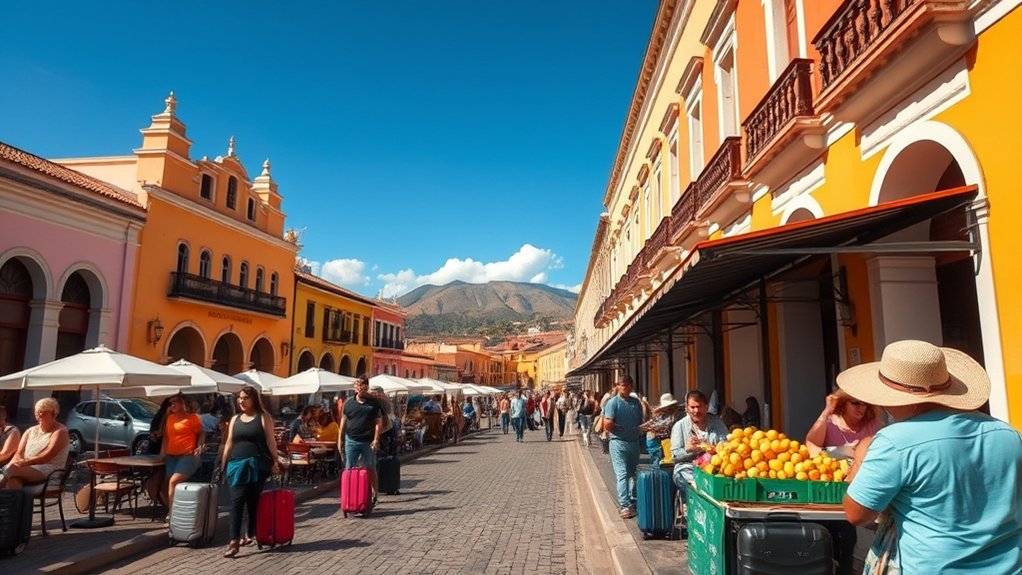
Dry-season weather attracts more visitors to Nicaragua’s Pacific beaches, colonial cities, and major attractions. Demand can tighten around Christmas, New Year, school breaks, and Semana Santa. Crowds and rates vary by destination, property type, and event calendar, so avoid treating one national price estimate as guaranteed.
Peak Season Demand
January through March is a popular travel window because western weather is usually dry and predictable. Fixed-date trips, small boutique hotels, beach properties, and limited-capacity tours are the first to lose availability. Check festival and holiday dates before choosing a week.
- Compare several dates, not only several hotels.
- Check cancellation terms before paying.
- Confirm whether taxes, breakfast, transfers, and parking are included.
- Recheck volcano, ferry, and road access shortly before departure.
- Keep one flexible day for weather or transport changes.
Higher Hotel Rates
Hotel prices can rise during popular dry-season and holiday dates, but there is no dependable rule that rates double from May through October. Compare the same room type and cancellation policy across multiple dates. A cheaper room may become more expensive after taxes, transport, or nonrefundable terms are added.
Early Booking Needed
Book early when your dates cannot move, you want a specific beachfront or eco-lodge property, or your itinerary depends on a small-group tour. Flexible travelers can compare nearby towns and weekday stays. Early booking reduces last-minute pressure, but flexible cancellation matters when weather, volcanic access, or transport conditions can change.
What to Book Before Dry-Season Travel
Prioritize the parts of the trip that have limited capacity or affect the rest of your route. Confirm each reservation directly and save offline copies of booking details.
| Book First | Why It Matters | Best Practice |
|---|---|---|
| Hotel | Small properties and beach locations may have limited rooms. | Compare total price and choose flexible cancellation when available. |
| Tours and guides | Reputable guides and small groups can fill on popular dates. | Verify licensing, safety equipment, pickup details, and refund terms. |
| Holiday-period transport | Christmas, New Year, and Semana Santa can affect availability and road traffic. | Confirm schedules close to departure and avoid tight connections. |
| Ferries or domestic connections | Weather and operational changes can affect island routes. | Leave buffer time and reconfirm the day before travel. |
Pro Tip: Save your hotel address, emergency contacts, travel advisory, insurance details, and transport confirmations offline. Mobile coverage and power may be unreliable outside major cities.
Frequently Asked Questions
What is the driest month in Nicaragua?
March is the driest month in Managua’s climate normals, with 2.1 mm of average precipitation. Treat that as a western-Nicaragua planning guide, not a rule for the wetter Caribbean coast.
What is the best month to go to Nicaragua?
January or February is often the best balance for western Nicaragua because conditions are usually dry and average temperatures are slightly lower than in March or April. Choose March when the lowest rainfall matters most, and use local data for Caribbean destinations.
Does it rain during Nicaragua’s dry season?
Yes. Dry season means less rain, not zero rain. November and April are transition months, and the Caribbean side can receive substantial rain even while western Nicaragua is dry.
How do you say “hi” in Nicaragua?
“Hola” is the standard greeting. You may also hear casual phrases such as “¿Qué tal?” or “¿Qué onda?” Use “Buenos días,” “Buenas tardes,” or “Buenas noches” when you want a more polite greeting.
Is $100 a lot in Nicaragua?
It is a meaningful amount, but how far it goes depends on your destination and travel style. The official 2026 exchange rate is 36.6243 córdobas per U.S. dollar, so $100 equals C$3,662.43 before any exchange fees. Beach resorts, private transport, and tours can use that budget quickly.
Is the Caribbean coast dry in March?
March is often among the less-wet months on the Caribbean side, but the region remains much wetter than Managua and the Pacific lowlands. Check forecasts for Bluefields, the Corn Islands, or your exact destination.
Conclusion
For the driest weather around Managua and much of Nicaragua’s Pacific side, March is the strongest answer. January and February may feel more comfortable because they are slightly cooler, while late November and December can offer greener scenery with some remaining shower risk. Whatever month you choose, plan by region, check current forecasts and advisories, and leave room for changing road, ferry, volcano, and weather conditions.
Sources
- Japan Meteorological Agency — Managua monthly climate normals — monthly temperature and precipitation averages.
- Embassy of Nicaragua — Climate — national season timing and regional climate differences.
- U.S. Department of State — Nicaragua Travel Advisory — current safety, health, transport, beach, and hiking guidance.
- CDC Travelers’ Health — Nicaragua — vaccines, mosquito-borne illnesses, and health precautions.
- National Hurricane Center — Tropical Cyclone Climatology — Atlantic and eastern Pacific hurricane-season dates.
- Central Bank of Nicaragua — 2026 Official Exchange Rate — official córdoba-to-U.S.-dollar rate for 2026.
