
Last Updated on July 24, 2026 by Daniel Globe
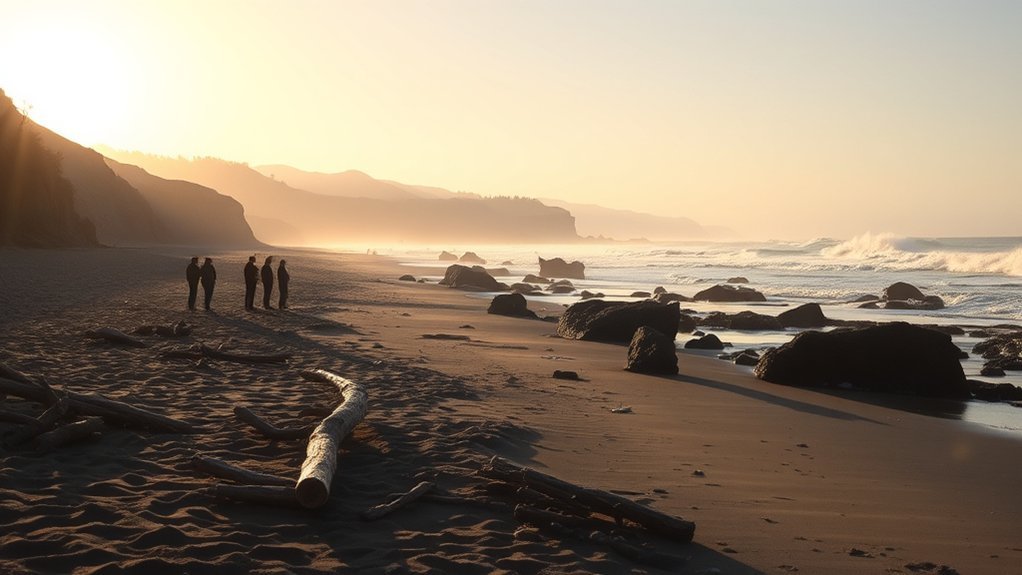
Wreck Beach is famous for its clothing-optional tradition, forested setting, counterculture history, and determined local community. Located beside the University of British Columbia in Pacific Spirit Regional Park, it offers a very different experience from Vancouver’s developed city beaches. Its privacy, demanding stair access, and long record of public advocacy have all shaped its reputation.
Quick Answer
Wreck Beach is famous as Vancouver’s best-known clothing-optional beach and a landmark of local naturist culture. Visitors also know it for its wild Pacific setting, approximately 500-step Trail 6 staircase, privacy-focused etiquette, informal summer community, and decades of advocacy against development and environmental damage.
Key Takeaways
- Wreck Beach is clothing-optional, so you may visit nude, in a swimsuit, or in ordinary beach clothing.
- The beach lies within Pacific Spirit Regional Park on the traditional, ancestral, and unceded territory of the Musqueam people.
- Trail 6 has roughly 490 to 500 steps, and the climb back can be demanding.
- Ask for consent before photographing anyone, pack out your waste, and respect the beach’s privacy-focused culture.
- There is no lifeguard, so check conditions and use caution near the water.
What Is Wreck Beach?
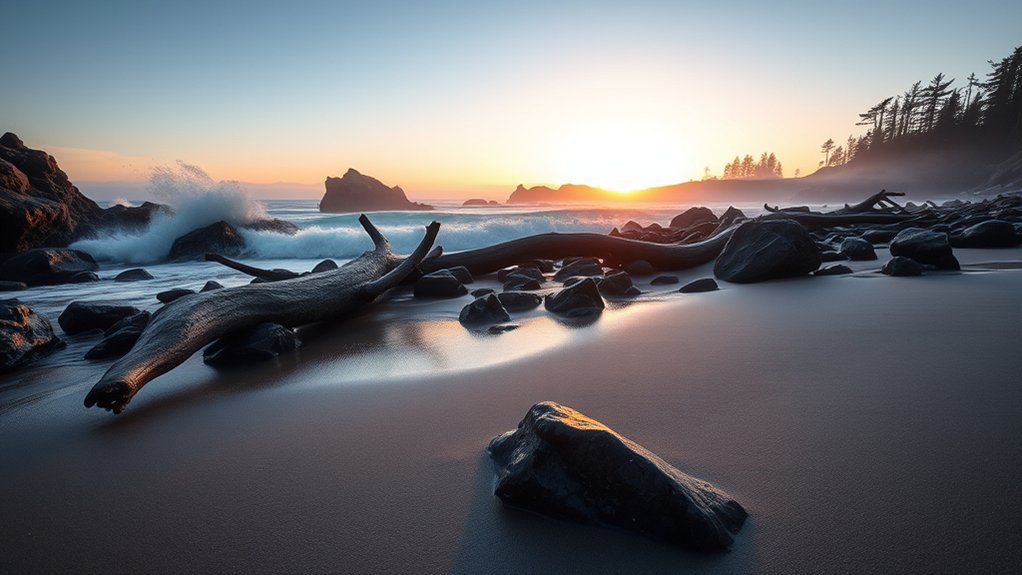
Wreck Beach is a clothing-optional shoreline on the western side of the University of British Columbia campus. It forms part of Pacific Spirit Regional Park and faces the Strait of Georgia, with views toward nearby islands and mountains.
The Wreck Beach Preservation Society describes the wider foreshore as approximately 7.8 kilometres long. Not every part is a broad sandy swimming beach. The area also includes tidal flats, rocky sections, forested slopes, driftwood, and several access trails. Most first-time visitors use Trail 6, which reaches the best-known social area.
Wreck Beach is situated on the traditional, ancestral, and unceded territory of the Musqueam people. Musqueam explains that its ancestors have lived throughout and stewarded the surrounding territory for thousands of years. Recognizing that continuing relationship gives the beach’s history a broader context than its modern naturist identity alone.
Note: Wreck Beach is often described as Canada’s first or most famous legally recognized clothing-optional beach. It is not Canada’s only officially designated clothing-optional beach, because Hanlan’s Point in Toronto also has a designated section.
Why Wreck Beach Became Famous
Wreck Beach became famous because several unusual qualities came together in one place. It is close to a major city and university, yet its forested cliffs and steep access make it feel separated from ordinary urban life. Its clothing-optional culture then gave the beach a clear identity that attracted naturists, counterculture communities, students, local residents, and curious travelers.
| Why It Stands Out | Why It Matters |
|---|---|
| Clothing-optional tradition | Visitors may choose whether to wear clothing, making the beach an important Canadian naturist destination. |
| Natural surroundings | Forested cliffs, driftwood, tides, and open water create a more secluded atmosphere than most urban beaches. |
| Counterculture history | Naturists and free-expression advocates made the beach a visible part of Vancouver’s social history. |
| Community advocacy | Supporters organized against development, pollution, habitat damage, and restrictions on clothing-optional use. |
| Trail 6 staircase | The steep descent adds privacy and has become one of the most memorable parts of a visit. |
Wreck Beach also became a symbol of body acceptance and public access. Its reputation does not come from nudity alone. The surrounding landscape, visitor etiquette, informal social culture, and organized preservation work are equally important to its identity.
Wreck Beach is unusual because a clothing-optional community exists within a largely undeveloped coastal landscape beside one of Canada’s largest cities.
The History of Wreck Beach’s Nude Culture
Vancouver’s wider history of public nude bathing predates Wreck Beach. During the Great Depression, unemployed men reportedly swam without bathing suits near Siwash Rock in Stanley Park. That earlier location should not be confused with Wreck Beach, but it forms part of the city’s broader naturist history.
By the late 1960s and early 1970s, Wreck Beach had developed into a better-known gathering place for naturists, students, hippies, and other members of Vancouver’s counterculture. Its difficult access and distance from busy streets offered more privacy than many city beaches. Public disputes over nudity and enforcement also drew media attention, making the shoreline known beyond the local community.
The organizational timeline is clearer than the stories often repeated about it. According to the Wreck Beach Preservation Society, supporters formed the Wreck Beach Committee in 1974 in response to threats that included roads, marinas, deforestation, and pollution. The group became a registered society in 1988.
Sources differ on the exact year in which the regional district formally recognized clothing-optional use. A 1999 City of Toronto report, which discussed Wreck Beach while considering Hanlan’s Point, said formal recognition had existed since 1989. Destination Vancouver gives 1991. The most accurate summary is that regional authorities formally accepted Wreck Beach’s clothing-optional use by the early 1990s after years of established use and community advocacy.
That recognition helped secure Wreck Beach’s modern identity. It did not make every activity acceptable. The beach remained a public park where consent, nonsexual behavior, environmental protection, and respect for other visitors continued to matter.
How the Wreck Beach Community Protects It
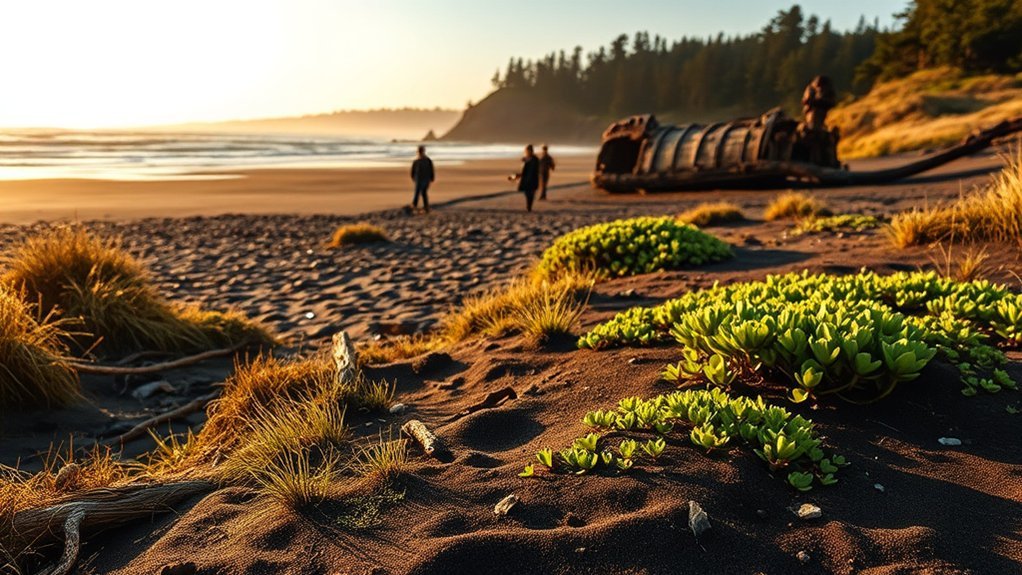
Wreck Beach’s continued existence as an undeveloped, clothing-optional shoreline owes much to organized community involvement. The Wreck Beach Preservation Society works separately from Metro Vancouver, which manages the regional park, but it represents beach supporters in discussions involving access, development, environmental concerns, and naturist use.
Community protection efforts include:
- Opposing projects that could damage the forested cliffs or natural shoreline
- Encouraging visitors to pack out garbage and avoid broken glass
- Promoting consent and privacy around photography
- Teaching visitors that clothing-optional recreation is not an invitation to stare or behave sexually
- Supporting beach cleanups and responsible use of park facilities
- Monitoring environmental threats, erosion concerns, and nearby development proposals
- Working with park authorities on visitor management and public access
Visitors can support this work through simple actions. Stay on designated trails, leave driftwood and vegetation undisturbed, avoid fires, take waste back up the stairs, and follow current park restrictions. These habits protect both the natural setting and the social trust that allows a clothing-optional public beach to operate.
What to Expect on Your First Wreck Beach Visit
Access and the Trail 6 Stairs
The main entrance is Trail 6 at the western end of University Boulevard near NW Marine Drive. The UBC Recreation guide describes approximately 490 stairs, while other UBC material rounds the number to 500. The descent is steep, and you must climb the same route to leave.
Admission is free. UBC lists West Parkade as the nearest major parking facility, but availability and rates can change. Public transit to the UBC campus followed by a walk to Trail 6 can be easier than finding nearby parking on a busy summer day.
Warning: Trail 6 is strenuous and may be unsuitable for visitors with mobility, balance, heart, or joint limitations. The beach also has no lifeguard. Wear secure footwear, carry enough water for the return climb, watch changing water conditions, and do not swim beyond your ability.
Clothing and Personal Comfort
Clothing is optional, not required. You may remain dressed, wear a swimsuit, or be nude. A respectful visitor does not pressure anyone to undress or question another person’s choice.
The main social expectation is simple: treat other people as beach visitors, not as attractions. Avoid staring, sexual comments, intrusive questions, and behavior that invades someone’s personal space.
Note: Ask for clear permission before photographing or recording another person. For landscape photos, frame the image so identifiable beachgoers are not included without consent.
What to Bring
Pack lightly because everything taken down must be carried back up. Useful items include:
- Drinking water
- Broad-spectrum sunscreen
- A towel or blanket
- Secure shoes for the stairs
- A hat and light cover-up
- Food or snacks
- A bag for carrying out your waste
- Any personal medication you may need
Vendors sometimes sell snacks, drinks, and other items during busy periods, but they may not operate every day. UBC recommends bringing your own essential supplies rather than depending on vendors.
Pro Tip: Save water for the climb back and avoid carrying heavy coolers or unnecessary equipment. The stairs usually feel much harder on the way up, especially after several hours in the sun.
Tides, Swimming, and Weather
The shoreline changes noticeably with the tide. Low tide can expose a much wider area, while high tide reduces the available space and may cover routes around rocks or driftwood. Check the Fisheries and Oceans Canada Vancouver tide predictions before exploring a long distance from Trail 6.
The Pacific water can remain cold even during warm weather. There is no lifeguard, and changing tides, wind, waves, boat traffic, and underwater footing can create risks. Keep children close, avoid swimming alone, and leave the water when conditions become uncomfortable.
Facilities, Rules, and Leaving the Beach
Facilities are limited compared with a developed city beach. Check current Metro Vancouver notices before traveling because park hours, closures, fire restrictions, dog rules, and trail conditions can change.
The Wreck Beach etiquette guidance emphasizes packing out trash, avoiding open fires, respecting wildlife, staying on designated trails, limiting disruptive noise, and protecting the privacy of other visitors.
Plan to begin climbing before you are exhausted or before daylight fades. The staircase is easier and safer when you can see each step clearly and take breaks without rushing.
Frequently Asked Questions
Why Is Wreck Beach Famous?
Wreck Beach is famous for its clothing-optional culture, natural Pacific setting, steep Trail 6 access, counterculture history, and active preservation community. It is one of Canada’s best-known naturist destinations and feels far more secluded than its location beside a major city suggests.
Do You Have to Be Nude at Wreck Beach?
No. Wreck Beach is clothing-optional, not clothing-required. You may remain fully dressed, wear a swimsuit, or be nude. Respecting other visitors’ choices is more important than what you decide to wear.
Can You Take Photos at Wreck Beach?
You should not photograph or record identifiable people without their clear permission. Landscape photos are less intrusive when they exclude other visitors. Privacy and consent are central parts of Wreck Beach etiquette.
What Is the #1 Best Beach in the World?
There is no permanent or objective number-one beach because rankings use different criteria and change each year. Whitehaven Beach in Australia frequently appears in major travel lists because of its pale silica sand and turquoise water, but other rankings choose different beaches.
What Makes Myrtle Beach So Special?
Myrtle Beach is known for its developed resort area, boardwalk attractions, entertainment, restaurants, golf courses, and family activities. It provides a very different experience from Wreck Beach, which is valued more for its natural surroundings, simple facilities, and clothing-optional culture.
How Many Stairs Lead Down to Wreck Beach?
Trail 6 has roughly 490 to 500 steps. The exact count varies among sources and may depend on what is counted as a step or landing. The return climb is strenuous, so wear secure footwear, carry water, and take breaks when necessary.
Is Wreck Beach Wheelchair Accessible?
The main Trail 6 route is not wheelchair accessible because it requires descending and climbing hundreds of steep stairs. It may also be unsuitable for people with significant mobility or balance limitations.
Is There a Lifeguard at Wreck Beach?
No lifeguard is normally on duty. Visitors enter the water at their own risk and should consider the cold water, tides, waves, underwater footing, and boat traffic before swimming.
Conclusion
Wreck Beach is famous because it combines a recognized clothing-optional tradition with an unusually natural setting beside Vancouver and UBC. Its history includes counterculture use, public debate, formal regional recognition, and decades of community preservation work.
A respectful visit requires more than arriving with an open mind. Prepare for the steep stairs, bring essential supplies, ask before taking photographs, follow current park rules, and use caution around the water. Those simple choices help protect the privacy, environment, and community culture that make Wreck Beach distinctive.
Sources
- University of British Columbia: Wreck Beach — location, Trail 6 access, parking, admission, privacy, and vendors
- Musqueam Territory — Indigenous territory and continuing stewardship context
- Wreck Beach Preservation Society — shoreline description, committee history, registration date, and preservation mandate
- Wreck Beach Etiquette — photography, waste, fires, wildlife, swimming, and visitor conduct
- City of Toronto Clothing-Optional Beach Report — historical recognition of Wreck Beach and the Hanlan’s Point designation process
- Fisheries and Oceans Canada: Vancouver Tides — current official tide predictions for visit planning
