
Last Updated on August 2, 2026 by Daniel Globe
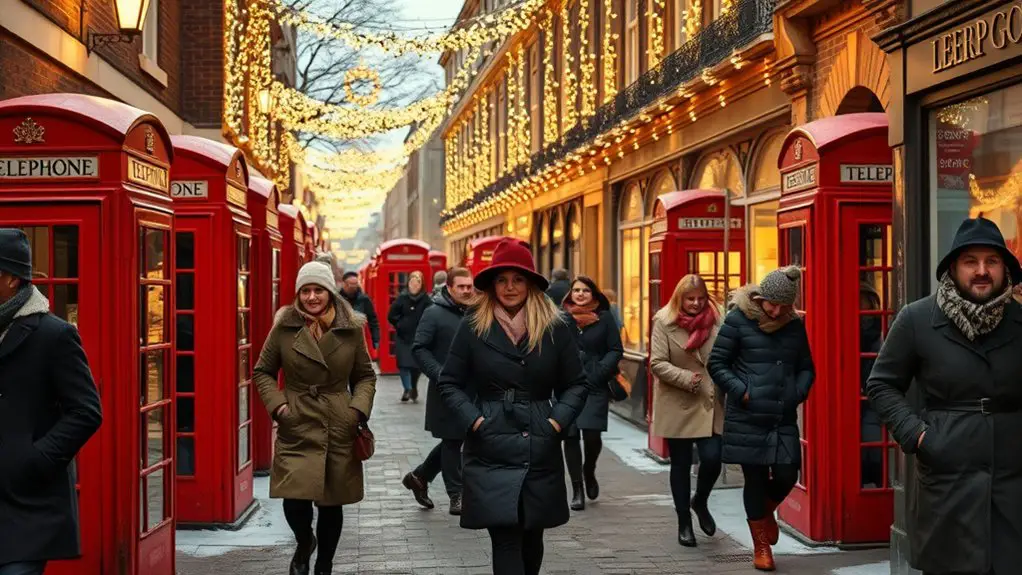
London in December is usually cool, damp, and changeable, so the most useful wardrobe is one you can adjust throughout the day. Think thin layers, a warm weather-resistant coat, comfortable shoes with good grip, and a few accessories you can add when the temperature drops. You can still dress smartly for dinners, theatre trips, and festive events without packing a separate outfit for every occasion.
Quick Answer
For London in December, wear a breathable base layer, a removable sweater or cardigan, and a warm coat that can handle wind and light rain. Add comfortable water-resistant shoes or boots with good grip, warm socks, a scarf, gloves, and an optional hat. Pack dressier pieces only for the evenings that need them.
Key Takeaways
- Build outfits from several removable layers instead of relying on one very bulky piece.
- Choose a warm coat with some protection from wind and rain, especially for long sightseeing days.
- Wear comfortable water-resistant or waterproof shoes with good traction on wet or slippery surfaces.
- Pack one or two adaptable evening outfits rather than assuming every London theatre, restaurant, or festive event requires formal clothes.
- Check the actual London forecast shortly before your trip because climate averages cannot predict the weather on your dates.
Disclosure: As an Amazon Associate I earn from qualifying purchases. Some links on this page are affiliate links, at no extra cost to you.
What Is London Weather Like in December?
Before choosing outfits, it helps to know what December normally brings. At Heathrow, an official Met Office climate station in western London, the 1991–2020 December averages are about 8.8°C (48°F) for the daily maximum and 3.1°C (38°F) for the minimum. The station records about 57 mm (2.2 inches) of December rainfall and roughly 10.8 days with at least 1 mm of rain.
You can review the Met Office Heathrow climate averages for the underlying data. These are long-term averages, not a forecast for your particular trip. If you tend to feel the cold more than most travelers, treat these figures as a floor rather than a ceiling and lean toward the warmer end of the layering advice below.
At a Glance
| Typical December High | About 8.8°C (48°F) |
| Typical December Low | About 3.1°C (38°F) |
| Average December Rainfall | About 57 mm (2.2 in) |
| Rain Days | About 10.8 days with at least 1 mm of rain |
| Best Clothing Strategy | Removable layers plus a warm, weather-resistant outer layer |
London’s long-term December climate is closer to cool and damp than permanently freezing: at Heathrow, the average daily maximum is about 8.8°C (48°F) and the average minimum is about 3.1°C (38°F).
Note: Treat averages as a packing baseline only. Check the Met Office forecast and weather warnings shortly before you travel and again during your stay. The Met Office can issue severe-weather warnings up to seven days ahead.
Layering Essentials for Chilly Days

When the temperature drops in December, layering is the easiest way to stay warm without carrying an expedition-weight wardrobe. It also lets you adjust when you move from cold streets into shops, museums, restaurants, trains, and other heated spaces.
Start with a light base layer. A fitted long-sleeve top, merino-blend layer, or moisture-managing synthetic top can add warmth without much bulk. You do not necessarily need heavy thermals every day; save warmer base layers for colder forecasts or long periods outdoors.
Next, add a removable midlayer. A cardigan, crew-neck sweater, fleece, light knit, or overshirt works well. Chunky knits can look great, but a medium-weight layer is usually easier to remove and carry when you go indoors.
Finish with your coat. The outer layer should provide most of your protection from wind and rain while leaving enough room underneath for your sweater or cardigan.
Pair the upper layers with tailored trousers, jeans, warmer leggings, or a skirt with tights depending on your style and plans. The goal is flexibility rather than wearing the maximum amount of clothing from breakfast onward.
Current UK Health Security Agency guidance recommends several thinner layers of clothing during cold weather rather than relying on one thick layer.
Pro Tip: Make your midlayer the easiest item to remove. A cardigan, quarter-zip, or sweater that fits comfortably in your day bag makes indoor-to-outdoor temperature changes much easier to manage.
Choosing the Perfect Outerwear
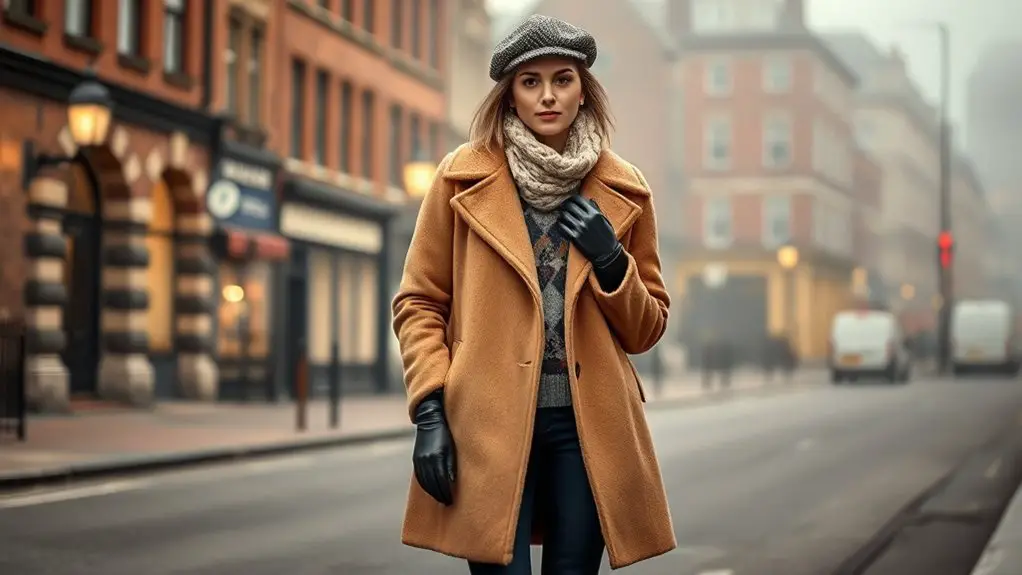
Your coat is the hardest-working part of a London December wardrobe. Prioritize warmth, wind protection, and rain resistance first; then choose the cut and color that best fit your style.
You do not need a coat with a removable liner specifically. A lined wool coat, insulated parka, puffer, or weather-resistant trench worn over warm layers can all work, depending on the forecast and how much time you plan to spend outdoors.
Insulation and Warmth
For colder days, down or synthetic insulation can provide substantial warmth without requiring several heavy sweaters. A wool or wool-blend coat can also work well when paired with suitable layers underneath, especially for city outings and evenings.
| Style | Warmth / Weather Strength | Best For |
|---|---|---|
| Puffer Jacket | Good insulation; rain resistance varies | Long sightseeing days and casual outfits |
| Wool Coat | Warm, but not automatically waterproof | Smart daytime and evening wear |
| Lined Trench | Best when paired with a warm midlayer | Milder, showery days |
| Insulated Parka | Strong warmth and weather protection | Cold, windy, or wet days outdoors |
| Peacoat | Moderate warmth; protection varies | Smart evenings and shorter outdoor walks |
Waterproof and Windproof
December can bring rain and gusty conditions, so a coat that handles moisture and blocks wind is useful. You do not need technical mountaineering gear for ordinary sightseeing, but you should know what your coat can actually withstand.
A genuinely waterproof shell is the safest option for sustained rain. A water-resistant coat can be perfectly adequate for short showers but may eventually wet through. Wool coats are warm and polished, yet many are not designed for prolonged rain.
Helpful features include:
- A hood that stays secure in wind
- A protected front closure or storm flap
- Enough room for a sweater underneath
- Pockets large enough for gloves
- A length that protects more of your body during wind and drizzle
- A breathable construction that does not become uncomfortable indoors
Layering Strategies
A three-part system makes it easier to adapt your outfit instead of carrying several coats.
| Layer Type | Material Focus | Style Tip |
|---|---|---|
| Base Layer | Lightweight, comfortable, moisture-managing | Wear close to the skin without adding bulk |
| Midlayer | Wool blend, fleece, cardigan, or knit | Choose something easy to remove indoors |
| Outer Coat | Insulated and/or weather-resistant | Match its protection to the forecast |
| Accessories | Scarf, gloves, optional hat | Use them to add warmth without another full layer |
Footwear Tips for Wet and Cold Conditions
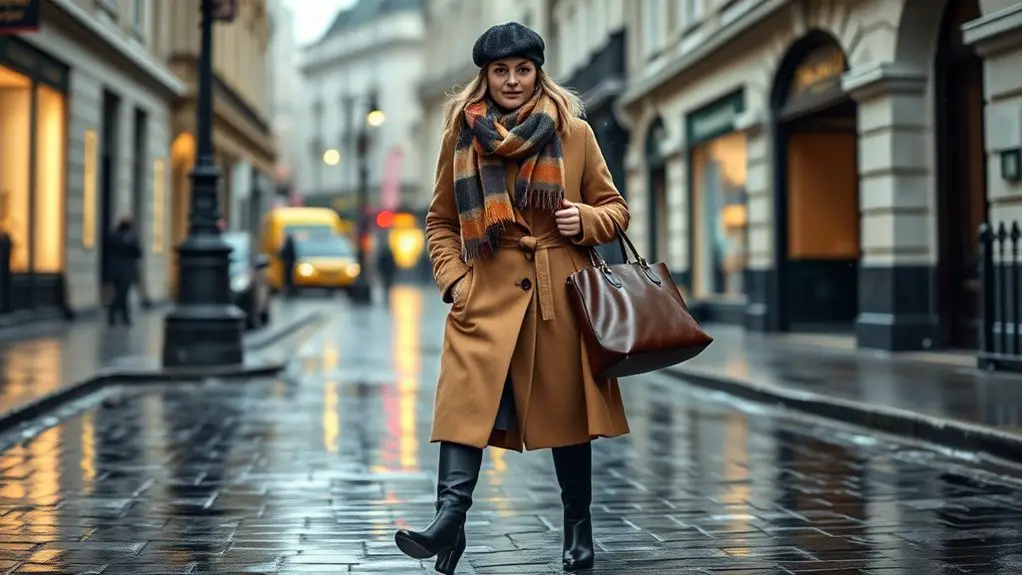
For London’s damp December streets, footwear should put walking comfort and grip ahead of appearance alone. You may spend hours on foot, moving between pavements, stations, museums, markets, and restaurants.
Waterproof boots are useful, but they are not the only option. Well-fitting water-resistant walking shoes or leather boots can work on many days. If you expect prolonged rain, choose footwear that is specifically sold as waterproof rather than assuming treated leather or suede will keep all moisture out.
Wear warm socks that fit comfortably inside your shoes without making them tight. Thermal or wool-blend socks can help on colder days, but ordinary warm socks may be enough during milder weather.
Traction matters too. Current UKHSA winter guidance recommends shoes with good grip when conditions are slippery or icy, which is worth prioritizing over style if your itinerary includes cobblestones or icy pavements.
- Choose a comfortable sole for long city walks
- Prefer water-resistant or waterproof uppers during wet forecasts
- Look for useful tread rather than smooth soles
- Break shoes in before traveling
- Bring a second pair only when it serves a different purpose, such as a smarter evening shoe
Warning: Smooth-soled dress shoes and high heels can be awkward on wet or slippery streets. Keep them for short evening journeys or indoor venues rather than making them your all-day sightseeing shoes.
Dressing for Festive Events and Night Outings
London’s December calendar gives you plenty of reasons to dress up, but festive does not automatically mean formal. Your outfit should match the actual restaurant, performance, party, or event you booked.
For a dressier evening, velvet, subtle sequins, jewel tones, tailored trousers, midi skirts, dresses, blazers, smart knitwear, or a well-cut suit can all work. A scarf, statement earrings, metallic accessory, or polished bag can add a festive touch without requiring an entirely separate wardrobe.
If you prefer trousers, pair a fitted knit or shirt with high-waisted tailored trousers and smart ankle boots. A dress or skirt can work with tights, boots, and a warm coat. A blazer under a larger coat gives you a polished indoor layer while still protecting you outside.
Do not assume that attending ballet, opera, or theatre in London requires formalwear. The Royal Ballet and Opera, for example, states that regular performances have no formal dress code and guests can wear what feels comfortable. Special galas and individual events may specify something different, so check your ticket or venue page.
For footwear, polished ankle boots, loafers with good soles, smart flats, or practical heels can all work. When your route includes a long outdoor walk, choose the shoe you can comfortably wear before and after the event.
Accessories to Keep Warm and Stylish
Accessories are an easy way to make a small travel wardrobe feel varied. They also provide targeted warmth without taking up as much suitcase space as another coat or heavy sweater.
Layered Scarves and Hats
A scarf can seal the gap around your coat collar and add texture or color to a neutral outfit. Choose soft wool blends, cashmere blends, fleece, or another fabric that feels comfortable against your skin.
Hats are optional for ordinary December days but useful when the forecast is colder, windier, or you will be outside for a long time. A simple beanie, knit cap, or beret can fit easily into a day bag.
- Use one patterned scarf to brighten neutral coats
- Choose neutral accessories when you want maximum outfit flexibility
- Mix different textures without piling on unnecessary bulk
- Wear the scarf more tightly when it is windy and loosen it indoors
- Pack gloves that still let you comfortably handle your phone, ticket, or travel card
Bold Statement Jewelry
Statement jewelry can turn a basic sweater, turtleneck, dress, or blazer into an evening outfit without taking up much luggage space.
Oversized earrings, geometric pieces, metallic finishes, textured stones, layered rings, or a strong cuff are all options rather than rules. Pick what works with your personal style instead of chasing a vaguely defined seasonal trend.
For a simple formula, pair a plain turtleneck or fine knit with one strong accessory and let that be the focal point. This keeps the outfit polished without competing with a scarf, coat, and other winter layers.
Daytime vs. Evening Attire
During the day, prioritize practical pieces you can walk in for several hours: a warm coat, removable knit, comfortable trousers or jeans, and supportive shoes. For museums, galleries, shops, and cafés, removable layers are especially useful because you may spend much of the day moving in and out of heated spaces.
In the evening, you can keep the same coat and often the same footwear while changing one or two visible pieces. Swap a casual sweater for a fine knit or blouse, add a blazer, change jewelry, or replace your day bag with a smaller one.
The easiest London day-to-night wardrobe changes one visible layer or accessory instead of replacing the entire outfit.
- Keep your warm outer layer for both daytime and evening
- Use polished boots or other comfortable shoes that can cross over between plans
- Add metallic or textured accessories for a festive evening look
- Choose trousers, skirts, or dresses that work with the same coat
- Carry only the evening pieces small enough to fit in your day bag when practical
Easy December Outfit Ideas by Activity
All-Day Sightseeing
Try a long-sleeve base top, medium-weight sweater, jeans or trousers, insulated or weather-resistant coat, warm socks, and supportive water-resistant walking shoes. Add a scarf and gloves when needed.
Museums, Shopping, and Cafés
Use lighter layers that are simple to remove: a long-sleeve top, cardigan, tailored trousers or jeans, and your outer coat. This prevents you from being stuck in a very thick sweater every time you go indoors.
Christmas Markets and Long Outdoor Evenings
Add warmth around your hands, neck, and feet. A base layer, insulating midlayer, warm coat, scarf, gloves, and thicker socks are more useful here because you may spend long periods standing rather than continuously walking.
Theatre or Dinner
Wear a fine knit with tailored trousers, a dress with tights and boots, a skirt with a fitted sweater, or a shirt and blazer beneath your coat. Choose a level of formality that suits the specific venue rather than London as a whole.
Practical Packing Tips for Your Trip
Packing efficiently for December in London means giving each piece more than one job. Instead of bringing several statement coats and completely different outfits for every evening, build a small capsule around one main coat and a few compatible layers.
A compact umbrella can be useful for rain, while a hooded coat is often easier when the weather is windy. A scarf and gloves take little space and can make the same coat noticeably warmer. If you are flying with a budget airline and a strict cabin-bag allowance, wear your bulkiest coat and boots on travel days rather than trying to fit them in your case, and roll rather than fold knitwear to save space.
Sample 7-Day London December Packing List
- 1 main coat: warm and reasonably weather-resistant
- 1–2 base layers: warmer options for colder or longer outdoor days
- 3–4 everyday tops: long-sleeve shirts, turtlenecks, or similar pieces
- 2–3 midlayers: sweaters, cardigans, fleece, or overshirts
- 2–3 bottoms: trousers, jeans, leggings, or skirts that work with multiple tops
- 1 dressier outfit: adaptable for dinner, theatre, or a festive event
- 1 main pair of walking shoes or boots: comfortable with useful grip and weather protection
- Optional second pair: only if you need a genuinely different smart shoe
- Warm socks: enough for your trip or your planned laundry schedule
- 1 scarf, 1 pair of gloves, and an optional hat
- 1 compact umbrella: especially useful if your coat does not have a hood
Pro Tip: Wear your bulkiest coat and shoes while traveling instead of using valuable suitcase space for them. Build the rest of the wardrobe around colors that mix easily.
What to Leave at Home
You do not need to avoid wool or velvet altogether. Instead, avoid packing pieces that are hard to combine, uncomfortable for walking, or impossible to remove when you get warm.
- Several bulky coats that perform the same job
- Brand-new shoes you have never walked in
- Smooth-soled party shoes as your only footwear
- Delicate untreated suede as your only wet-weather shoe
- Very bulky sweaters that do not fit comfortably beneath your coat
- Snow boots solely because it is December, unless the forecast justifies them
Fashionable Tips for Staying Comfortable
Comfort and style work together when you build outfits around texture, fit, and one or two accessories rather than piling on extra layers for visual interest.
A chunky knit can work with tailored trousers. A classic wool coat can sharpen casual jeans. A scarf can add color to an otherwise neutral outfit. Leather gloves, a structured bag, or a simple beanie can make practical winter clothing feel more intentional.
London style is varied, so there is no need to dress like a specific stereotype or buy a designer wardrobe to fit in. High-street pieces, technical outerwear, vintage clothing, tailored basics, sportswear, and formal pieces all appear around the city.
Most importantly, choose clothes that let you walk comfortably, remove layers indoors, and handle the day’s forecast. A polished outfit becomes much less useful when the shoes hurt or the coat cannot cope with rain.
Do You Need Snow Boots or an Umbrella?
Do not assume that a December trip automatically requires dedicated snow boots. The Met Office notes that, across the UK, snow is generally more likely in January and February than in December. London can still experience frost, ice, or snow, so the forecast should make the final decision.
For an ordinary December packing list, comfortable water-resistant footwear with useful tread is more versatile than bulky snow boots. If snow or ice is forecast during your dates, adjust accordingly.
A compact umbrella is useful for showers, but it should complement rather than replace a weather-resistant coat. On windy days, a secure hood may be easier to manage.
Note: Weather several weeks or months away cannot be predicted from climate averages. Recheck your packing decisions once a reliable short-range forecast is available.
Frequently Asked Questions
What are the best colors to wear in London during December?
There is no required London winter color palette. Deep red, burgundy, forest green, navy, charcoal, brown, cream, and black are easy seasonal choices, while brighter scarves or accessories can add contrast. Choose colors that mix together so you can create more outfits from fewer pieces.
How can I dress stylishly without sacrificing warmth?
Use thin, well-fitting layers beneath one strong outer coat. A turtleneck or long-sleeve top, cardigan or sweater, tailored trousers or jeans, and polished weather-resistant boots give you a clean silhouette without sacrificing warmth. Add a scarf, gloves, jewelry, or structured bag for personality.
Are there any clothing items to avoid in December?
Avoid relying on one bulky layer that cannot be removed, uncomfortable new shoes, smooth soles for long wet-weather walks, and delicate footwear that cannot handle moisture. Wool and velvet do not need to be avoided; they can work well when used in practical, removable layers.
What accessories can enhance my winter look?
Scarves, gloves, knit hats, earrings, necklaces, rings, and a structured bag can change the look of a small capsule wardrobe. A patterned or textured scarf is especially useful because it adds both warmth and visual interest without taking much luggage space.
How can I adapt my outfit for unpredictable December weather?
Build the outfit in removable layers and check the forecast before leaving your accommodation. On milder days, use a lighter base and midlayer. For colder, wetter, or windier conditions, add thermals, gloves, a warmer midlayer, and your most protective coat.
Do I need a very heavy winter coat in London in December?
Not necessarily. London December climate normals are cool rather than permanently below freezing. A warm coat with room for removable layers is usually more flexible than an extremely heavy coat, but travelers who feel the cold easily or expect long outdoor evenings may prefer more insulation.
Do I need snow boots for London in December?
Usually, dedicated snow boots are not necessary solely because you are visiting in December. Comfortable water-resistant shoes or boots with good grip are more versatile for typical city conditions. Check the short-range forecast before departure and upgrade your footwear if snow or significant ice is expected.
Sources
- Met Office — Heathrow location-specific long-term averages — December temperature, rainfall, frost, sunshine, and rainfall-day climate normals.
- Met Office — Weather warnings guide — official severe-weather warning system and forecast-warning timing.
- UK Health Security Agency — Keeping warm and well — guidance on thinner layers and footwear with good grip in cold weather.
- Royal Ballet and Opera — Your first visit — official guidance confirming that regular performances do not have a formal dress code.
- Met Office — White Christmas and UK Christmas weather records — context on the timing and likelihood of UK winter snow.
Conclusion
Dressing for London in December is less about following a rigid winter uniform and more about staying adaptable. Start with thin layers, add a removable knit, and use a warm coat suited to the day’s wind and rain. Comfortable shoes with good grip matter more than packing several fashionable pairs.
For festive nights, use the same practical outerwear and change the pieces underneath with tailored separates, a dress, smart knitwear, or a few standout accessories. You do not have to dress formally unless your specific event asks you to.
Pack from the long-term climate as a starting point, then check the actual forecast shortly before you leave. With one versatile coat, comfortable footwear, flexible layers, and a few warm accessories, you can move from sightseeing to evening plans without sacrificing either comfort or personal style.
