
Last Updated on July 24, 2026 by Daniel Globe
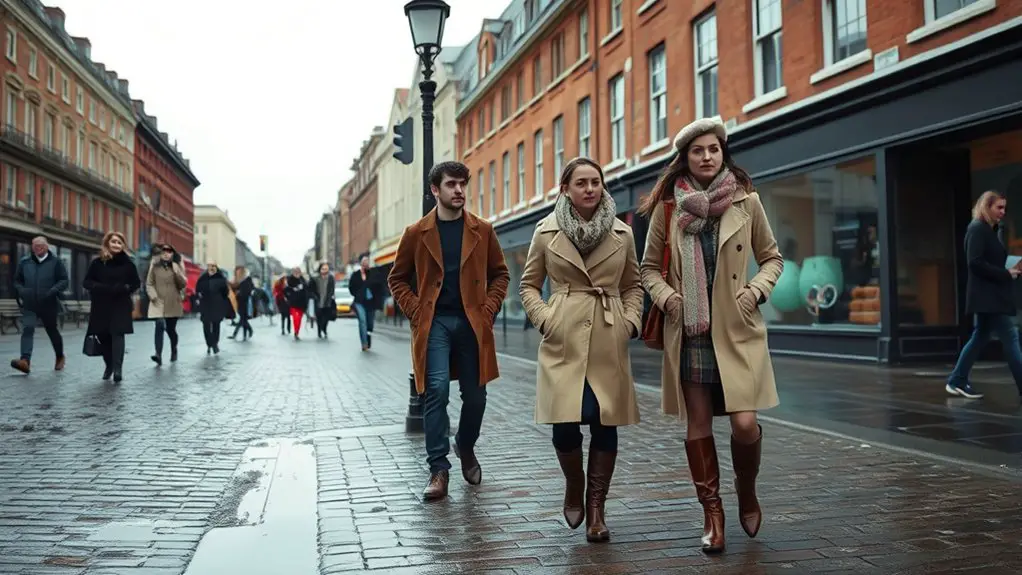
London in November usually feels cool, damp, and changeable rather than deeply wintry. You may start the day in light rain, warm up while walking or riding the Tube, and need an extra layer after sunset. Compared with London in July, this trip calls for warmer layers, weather-resistant shoes, and a coat that can handle showers.
Quick Answer
Pack a waterproof or water-resistant coat with a hood, two light-to-medium sweaters, breathable tops, comfortable water-resistant walking shoes, and a warm scarf. Add a compact umbrella, thin gloves, and an optional thermal layer for colder days. Choose pieces you can remove easily on the Underground and in heated indoor spaces.
Key Takeaways
- Build outfits with a breathable base, a warm mid-layer, and a rain-resistant outer layer.
- Choose broken-in walking shoes with water resistance and reliable grip for wet pavements.
- Pack a scarf, compact umbrella, thin gloves, and a hat, especially for late-November evenings.
- Use a small day bag so you can stow a sweater or scarf in museums, shops, and on the Tube.
- Check the London forecast shortly before departure because actual conditions can differ from long-term averages.
Disclosure: As an Amazon Associate I earn from qualifying purchases. Some links on this page are affiliate links, at no extra cost to you.
What Is London Weather Like in November?
The Met Office 1991–2020 averages for Heathrow show a typical November daily maximum of 11.47°C (52.65°F) and minimum of 5.26°C (41.47°F). The station averages 66.63 mm of rain and about 11.23 days with at least 1 mm of rainfall during the month.
Those figures describe long-term climate, not the exact weather for your trip. Early November may feel mild on some afternoons, while late November can bring colder mornings, wind, frost, or heavier rain. Plan for cool and damp conditions, then adjust your final layers after checking the forecast.
Pack for cool, damp weather, then use the seven-day forecast to decide whether you need thermals, a warmer coat, or extra rain protection.
Complete London November Packing List
For a four-to-seven-day city trip, use this list as a practical starting point. Adjust the quantities if you plan to do laundry or attend formal events.
- One weather-resistant coat: Choose a waterproof jacket, lined raincoat, or trench with room for a sweater underneath.
- Two warm mid-layers: Pack sweaters, cardigans, or a light fleece that you can rotate.
- Three to five base tops: Mix long-sleeve shirts, T-shirts, or a thin thermal top.
- Two or three bottoms: Jeans, trousers, or other comfortable fabrics work well for sightseeing.
- One main walking shoe: Water-resistant trainers or ankle boots should feel comfortable for long days.
- One optional smarter shoe: Bring this only if your plans include a formal restaurant, event, or business setting.
- Warm accessories: Pack a scarf, thin gloves, and a beanie or other warm hat.
- Rain protection: Carry a compact umbrella and use a coat with a hood for windy or crowded conditions.
- Comfort basics: Bring warm socks, sleepwear, underwear, and optional thermal leggings for colder forecasts.
Note: Travelers arriving from a hot climate may feel colder than the thermometer suggests. Pack one extra warm layer if you are not used to temperatures near 5°C to 12°C.
Essential Clothing Items for November in London
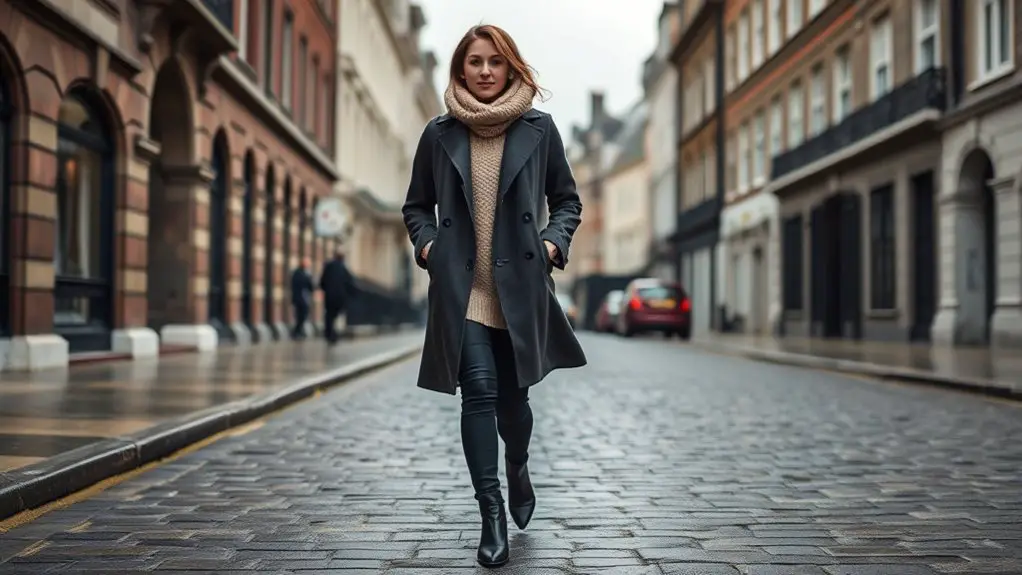
Your main goal is to stay comfortable through chilly mornings, possible showers, warmer indoor stops, and cooler evenings. A medium-weight coat with water resistance usually offers more flexibility than a very bulky winter coat.
Pair the coat with warm sweaters and long-sleeve tops that work on their own indoors. Choose trousers or jeans that dry reasonably well, and consider a thin thermal layer if the forecast shows colder-than-average conditions.
For most sightseeing days, practical clothing matters more than dressing formally. Clean, simple layers can still look polished while letting you walk, use public transport, and move between indoor and outdoor attractions.
Layering Strategies to Keep Warm and Stylish
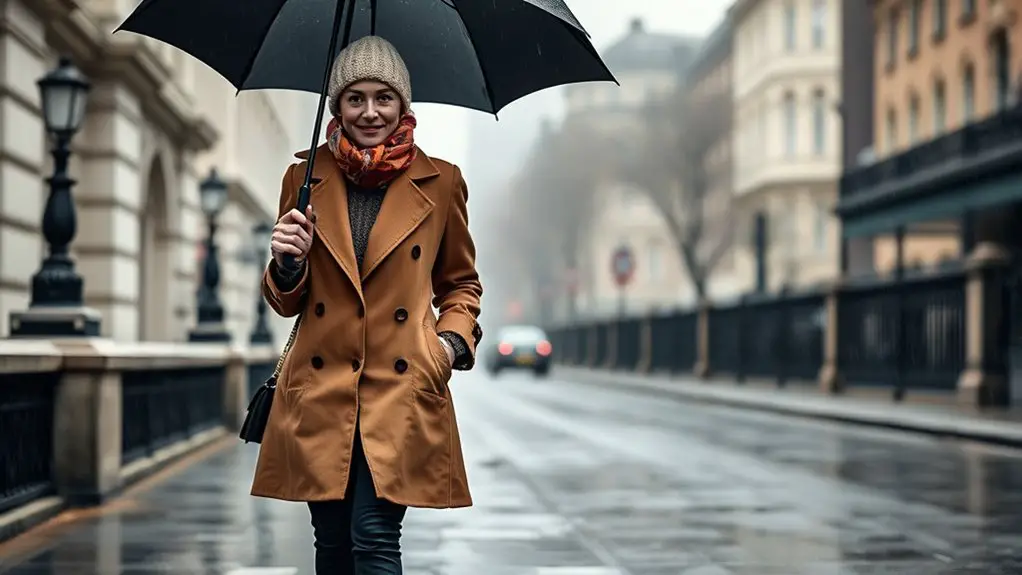
Use a simple three-layer system so you can respond to changing conditions without carrying several coats.
- Base layer: Start with a breathable T-shirt, long-sleeve top, or thin thermal shirt.
- Mid-layer: Add a sweater, cardigan, or light fleece for warmth.
- Outer layer: Finish with a waterproof or water-resistant coat that blocks wind and rain.
Choose layers that fit comfortably together and are easy to remove. A zip cardigan or open-front sweater often works better than a thick pullover when you move between cold streets and warm indoor spaces.
Note: London museums, shops, and the Underground can feel much warmer than the street, especially when crowded. Easy-to-remove layers help you avoid overheating.
Dressing for Indoor Heating and the Underground
Avoid building your whole outfit around one heavy garment that you cannot remove. Wear a lighter top under your sweater, choose a coat that opens easily, and keep your scarf and gloves small enough to stow quickly.
Carry a tote or daypack for a removed sweater, scarf, or umbrella. Keep straps and loose clothing away from train doors. Transport for London advises passengers to keep loose clothing and bags clear of closing doors.
Footwear Choices for Wet and Cold Conditions
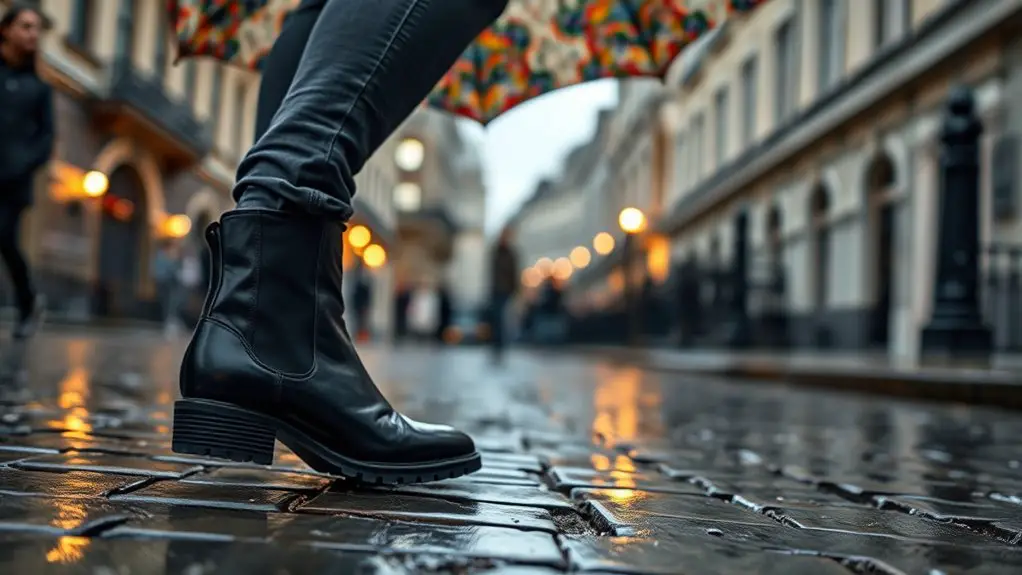
You do not have to wear heavy boots every day. Water-resistant trainers, walking shoes, or ankle boots can all work if they have good cushioning, dependable grip, and enough room for comfortable socks.
Test your main pair before the trip. Brand-new shoes can cause blisters during long sightseeing days, and smooth soles may feel insecure on wet stone, metal grates, or fallen leaves. Pack a second lightweight pair only when it serves a clear purpose, such as evening wear or a backup after heavy rain.
Warning: Wet leaves and smooth pavements can become slippery. Choose shoes with visible tread and slow down on steps, station entrances, and polished stone.
Pro Tip: Thermal insoles can add warmth on long walking days, but make sure they do not make your shoes too tight. Tight footwear can become uncomfortable after several hours.
Accessorizing Your London November Outfit
Accessories should add warmth without taking over your suitcase. A medium-weight scarf can protect your neck outdoors and fit into a day bag indoors. Thin touchscreen gloves work well for maps and photos, while a beanie, beret, or other warm hat helps on windy evenings.
A compact umbrella is useful, but a hooded coat may work better on crowded streets or in strong wind. Add simple jewelry, a brooch, or a patterned scarf if you want to dress up neutral travel basics. You do not need to follow a fixed London color trend. Dark neutrals, earthy shades, and brighter accents can all work.
Outfit Ideas for Different November Activities
Build each outfit around the same flexible layers, then adjust the shoes and accessories for your plans.
Sightseeing and Walking
Wear a long-sleeve top, sweater, weather-resistant coat, comfortable trousers or jeans, and water-resistant trainers or ankle boots. Carry a scarf, umbrella, and thin gloves in your day bag.
Museums, Galleries, and Tube Travel
Choose a breathable top under a cardigan or light sweater, then add your coat for the walk between stops. This combination lets you remove one layer quickly in warm galleries, shops, or packed trains.
Dinner, Theatre, and Evening Events
Try tailored trousers with a knit top and boots, or a dress with tights, a cardigan, and a warm coat. Most casual restaurants and theatre visits do not require formal clothing, but check the venue or event instructions when a dress code may apply.
Parks, Markets, and Longer Outdoor Plans
Add a thermal base layer, fleece or sweater, waterproof outer layer, warm socks, and shoes with strong grip. A hat and gloves become more useful when you expect to stay outside after sunset.
Early November vs. Late November
For an early-November trip, a medium coat, sweater, and breathable base layer may cover most days. For late November, pack thin gloves, a warmer hat, and at least one thermal top in case temperatures fall.
Do not treat these as guarantees. A mild spell can occur late in the month, and a cold, wet period can arrive early. The forecast should make the final decision.
What Not to Pack
- Several bulky coats: One versatile weather-resistant coat usually saves more space.
- Heavy snow boots without a snow forecast: They can feel cumbersome for ordinary city walking.
- Suede-only footwear: Rain and wet streets can damage untreated suede.
- Brand-new walking shoes: Break them in before departure.
- Only thick indoor clothing: Pack at least one light base top for warm trains, shops, and museums.
- Long hems that drag: Wet pavements can quickly soak wide or floor-length trousers and skirts.
Check the Forecast Before You Fly
Review the Met Office London forecast about a week before departure, then check it again the day before you travel. Look at daily highs and lows, rain probability, wind, and any weather warnings.
If colder weather appears, add a thermal top, warmer socks, and thicker gloves. If the forecast looks mild but wet, focus on a breathable raincoat and shoes that can handle puddles.
Frequently Asked Questions
How does London’s weather vary throughout November?
Heathrow’s 1991–2020 November averages are about 11.47°C for the daily maximum and 5.26°C for the daily minimum. Actual weather can be milder, colder, wetter, or windier, and late-month evenings often feel colder than early-month afternoons. Check the forecast before finalizing your layers.
Do I need a heavy winter coat in London in November?
Usually, a medium-weight waterproof or water-resistant coat with room for a sweater offers enough flexibility. Pack a warmer coat if the forecast shows a cold spell or if you are especially sensitive to cold.
Can I wear trainers in London in November?
Yes. Choose broken-in trainers with water resistance, cushioning, and good tread. Mesh shoes that absorb water easily may stay damp, so ankle boots or water-resistant walking shoes can be better during a wet forecast.
Are there specific clothing tips for London’s cultural events in November?
Smart-casual layers cover many theatre visits, gallery events, and restaurant plans. A blazer, knit top, tailored trousers, dress, tights, and clean boots are easy options. Check the venue’s instructions when you are attending a formal opening, private club, or special event.
What are sustainable fashion options for November in London?
Start with clothes you already own, choose pieces you can rewear in several outfits, repair small damage, and consider second-hand or rented clothing for special events. UN Environment Programme guidance emphasizes durable fashion, reuse, and repair.
How can I adapt my wardrobe for sudden weather changes?
Wear a breathable base top, add a sweater or cardigan, and finish with a weather-resistant coat. Carry a compact umbrella, scarf, and gloves so you can add or remove warmth without returning to your hotel.
Are there local fashion trends to consider for November?
You do not need to copy a specific trend. Tailored coats, knitwear, scarves, boots, and simple layers fit naturally into the city, but comfort and weather protection matter more than a particular color or silhouette.
Do I need an umbrella in London in November?
A compact umbrella is worth packing, especially when the forecast shows showers. Pair it with a hooded weather-resistant coat because umbrellas can be awkward in strong wind, crowded areas, or busy station entrances.
Sources
- Met Office Heathrow climate averages: November temperature, rainfall, and rainy-day averages for 1991–2020.
- Met Office winter outdoor advice: Guidance on waterproof clothing, adequate footwear, and warm layers.
- Met Office London forecast: Current conditions and short-range weather planning.
- Visit London: London in November: Official visitor guidance on seasonal weather and clothing.
- Transport for London safety guidance: Advice for clothing, bags, and safe travel on public transport.
- UN Environment Programme: sustainable fashion and textiles: Support for durable clothing, reuse, and repair.
Conclusion
The most reliable London November outfit combines a breathable base, a warm sweater, a weather-resistant coat, and comfortable shoes with good grip. Add a scarf, compact umbrella, and thin gloves, then adjust the final list to the current forecast. With flexible layers and dry feet, you can move comfortably from outdoor sightseeing to museums, restaurants, and the Underground.

