
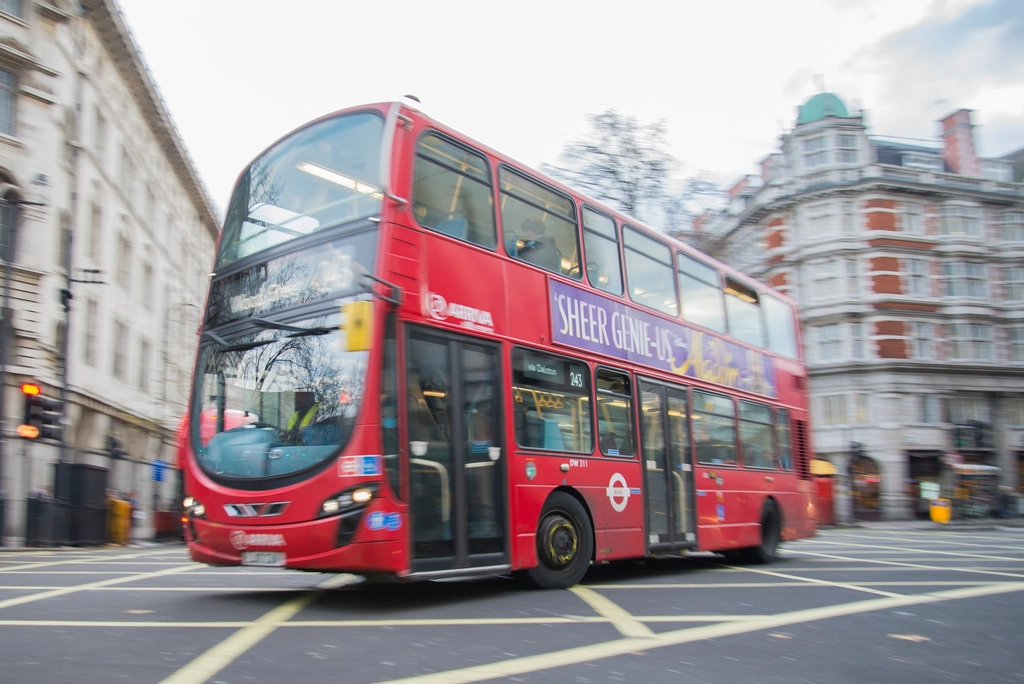
Last Updated on November 4, 2026 by Daniel Globe
London bus fares went up on 1 November 2026 for the first time since March 2023, so many older fare charts you find online are now wrong. This guide gives you the current pay-as-you-go prices for buses, trams and the Tube, the daily and weekly caps by zone, and exactly how the one-hour Hopper fare works.
You will also see whether contactless or Oyster is cheaper, what children and visitors pay, and a few simple tricks that keep a London trip’s transport costs low. All numbers come from Transport for London (TfL) and the Mayor of London’s fare decisions.
Quick Answer
From 1 November 2026, a single London bus or tram journey costs £1.85 with contactless or Oyster, and the Hopper lets you take unlimited bus and tram journeys within one hour of your first tap for that same £1.85. Bus-only travel is capped at £5.55 a day. Tube fares depend on zones and time of day: zone 1 costs £3.10 peak and £3.00 off-peak.
Key Takeaways
- The adult bus and tram fare rose from £1.75 to £1.85 on 1 November 2026, and the daily bus and tram cap rose from £5.25 to £5.55.
- The Hopper fare gives you unlimited bus and tram journeys within one hour of your first touch-in for a single fare.
- Tube pay-as-you-go singles rose on 1 March 2026, but Tube and rail daily and weekly caps stayed frozen (zones 1–2 is still £8.90 a day).
- Contactless and Oyster pay-as-you-go fares and caps are the same; contactless saves you the Oyster card fee.
- Under-11s travel free on buses and trams, and up to four under-11s ride the Tube free with a paying adult.
- Buses do not take cash, so you need a contactless card, phone, Oyster card or a valid ticket before you board.
London Bus and Tram Fares From 1 November 2026
London has one flat bus fare. It does not matter whether you ride two stops in Westminster or cross the city to Hounslow; every pay-as-you-go bus or tram journey costs the same. The Mayor’s July 2026 fare decision extended the bus fare freeze until 04:30 on 1 November 2026 and then raised fares by about 5.7 percent overall.
| Bus and tram ticket (adult) | Until 31 Oct 2026 | From 1 Nov 2026 |
|---|---|---|
| Pay-as-you-go single (includes Hopper) | £1.75 | £1.85 |
| Daily cap, bus and tram only | £5.25 | £5.55 |
| 7 Day Bus & Tram Pass | £24.70 | £26.10 |
| 1 Day Bus & Tram Pass | £6.00 | £6.40 |
| Half-adult and child rate (where it applies) | Frozen | 90p |
Two practical points follow from these numbers. First, the daily cap means a busy sightseeing day on buses never costs more than £5.55, which works out to three journeys and the rest free. Second, a paper 1 Day Bus & Tram Pass (£6.40) now costs more than the pay-as-you-go cap, so tapping in with a card is the better deal for almost everyone.
London buses have been cash-free since July 2014. Pay with a contactless bank card, a phone or watch, an Oyster card, or a valid Travelcard. On buses and trams you touch in once when you board and never touch out. For route planning and tips on night buses, see our London bus routes guide.
How the Hopper Fare Works
The Hopper fare is the reason London buses are such good value. You pay one fare when you first touch in, and any further bus or tram journeys you start within one hour of that first touch-in are free.
- Use the same card or device every time. The system links your journeys by card, so switching from your phone to a physical card breaks the Hopper.
- The clock runs from your first touch-in. You need to touch in on your last bus within 60 minutes, not finish the ride within 60 minutes.
- Tube or rail trips in between are charged normally. If you take the Tube, DLR, London Overground, Elizabeth line, IFS Cloud Cable Car or a river bus between two buses, you pay for that trip, but later buses still count toward the Hopper if they start within the hour.
- Oyster needs a positive balance. If your Oyster card goes negative after the first journey, you will not get the Hopper unless you top up within an hour.
The all-day Weekend Hopper that TfL ran in summer 2026 was a temporary promotion and is not currently available.
London Tube Prices by Zone (Pay As You Go)
Tube fares depend on which zones you travel through and the time you touch in. Peak fares apply Monday to Friday (not public holidays) from 06:30 to 09:30 and from 16:00 to 19:00. All other times, including weekends and public holidays, are off-peak. Journeys from outside zone 1 into zone 1 during the afternoon peak are also charged off-peak. These adult pay-as-you-go fares have applied since 1 March 2026.
| Zones travelled | Peak | Off-peak |
|---|---|---|
| Zone 1 only | £3.10 | £3.00 |
| Zones 1–2 | £3.60 | £3.10 |
| Zones 1–3 | £3.90 | £3.30 |
| Zones 1–4 | £4.80 | £3.60 |
| Zones 1–5 | £5.30 | £3.80 |
| Zones 1–6 | £5.90 | £4.00 |
| One zone, outside zone 1 | £2.30 | £2.20 |
| Two zones, outside zone 1 | £2.50 | £2.30 |
| Three zones, outside zone 1 | £3.20 | £2.40 |
| Four zones, outside zone 1 | £3.40 | £2.50 |
| Zones 2–6 (avoiding zone 1) | £3.80 | £2.60 |
Paper single tickets cost much more. A cash single for zones 1–6, for example, is £7.00. Not sure which zone your hotel is in? Our London zone map guide explains the boundaries.
Heathrow fares: Piccadilly line vs Elizabeth line
Heathrow sits in zone 6. The Piccadilly line charges the normal zones 1–6 Tube fare, so it is the cheapest rail link into central London. The Elizabeth line is faster but carries a premium: since 1 March 2026 a single between zone 1 and Heathrow costs £15.50. Our Elizabeth line Heathrow guide compares journey times.
Daily and Weekly Caps by Zone
Capping is what makes pay-as-you-go so useful for visitors. Once your fares in one day reach the cap for the zones you used, the rest of that day’s travel is free. Daily caps run from 04:30 to 04:29 the next morning. Weekly caps run Monday to Sunday, so they only help if your travel week lines up with a calendar week. The Tube and rail caps below were frozen in March 2026, and TfL has said they stay frozen until March 2027.
| Zones | Daily cap | Weekly cap (Mon–Sun) |
|---|---|---|
| Zones 1–2 | £8.90 | £44.70 |
| Zones 1–3 | £10.50 | £52.50 |
| Zones 1–4 | £12.80 | £64.20 |
| Zones 1–5 | £15.30 | £76.40 |
| Zones 1–6 | £16.30 | £81.60 |
| Bus and tram only | £5.55 | £26.10 (7 Day Bus & Tram Pass) |
The zone caps include buses and trams, so you never pay the bus cap on top of a Tube cap. Example: if you take three off-peak Tube rides within zones 1–2 (£9.30 in single fares) plus two bus rides, you pay just the £8.90 cap for the day.
Contactless vs Oyster: Which Is Cheaper?
For pay-as-you-go travel, contactless and Oyster charge the same fares and have the same daily and weekly caps. The differences are in the upfront cost and the discounts you can add.
| Contactless card or phone | Oyster or Visitor Oyster | |
|---|---|---|
| Upfront cost | None (check foreign transaction fees on non-UK cards) | Non-refundable card fee (£10.50 on a Visitor Oyster card) |
| Fares and caps | Same as Oyster | Same as contactless |
| Weekly capping | Yes, Monday to Sunday | Yes, Monday to Sunday |
| Railcard discounts | No | Yes, on a standard Oyster card |
| Child discounts | No | Yes, with Zip Oyster or Young Visitor discount |
Most adult visitors should just use a contactless bank card or phone. Use one card per person and the same card for every tap, and keep other cards away from the reader to avoid card clash. If your phone battery dies mid-journey, you may be charged a maximum fare. Our Oyster vs contactless comparison covers the edge cases, such as overseas card fees.
An Oyster card makes sense if you have a non-contactless or fee-heavy card, if you want to link a 16-25 or 26-30 Railcard (which takes one third off eligible off-peak fares and off-peak daily caps), or if you are travelling with an 11 to 15 year old who needs a child discount.
Child, Student and Visitor Discounts
- Under 11: Free on buses and trams with no card needed. On the Tube, DLR, London Overground and Elizabeth line, up to four under-11s travel free with a fare-paying adult.
- Ages 11 to 15: Free on buses and trams with an 11-15 Zip Oyster photocard. Visiting children can get the Young Visitor discount added to an Oyster card in London (the child must be present) for half-price pay-as-you-go journeys.
- Full-time students in London: The 18+ Student Oyster photocard gives 30 percent off adult-rate Travelcards and Bus & Tram Pass season tickets.
- Older Londoners: The 60+ London Oyster photocard and Older Person’s Freedom Pass are unchanged by the November 2026 rise.
- Visitor Oyster cards: These cannot hold Railcard discounts or Travelcards, but they do include the child concessions above.
Night Tube Times and Fares
The Night Tube runs on Friday and Saturday nights only, from around midnight until about 5:30am. The Victoria and Jubilee lines run their full length, while the Central, Northern and Piccadilly lines run on core sections (the Piccadilly reaches Heathrow Terminal 5 but not Terminal 4). The London Overground Windrush line also runs overnight between Highbury & Islington and New Cross Gate. Night fares are always charged at the off-peak rate, and they count toward the same daily cap.
Simple Ways to Pay Less
- Ride the bus for short hops. At £1.85 with free transfers for an hour, buses undercut even the cheapest zone 1 Tube fare.
- Travel off-peak when you can. A zones 1–6 Tube single drops from £5.90 to £4.00 outside peak hours.
- Plan longer stays around Monday to Sunday so weekly capping can kick in.
- Avoid the 1 Day Bus & Tram Pass; the £5.55 pay-as-you-go cap is cheaper.
- Compare pay-as-you-go with paper Travelcards in our London Travelcard guide before buying a pass.
Frequently Asked Questions
How much is the bus fare in London?
From 1 November 2026, a single adult bus or tram journey in London costs £1.85 with contactless or Oyster, up from £1.75. The fare is the same across the whole network, including outer boroughs such as Hounslow. It includes the Hopper, so any extra buses or trams you start within an hour of your first tap are free. Bus-only travel is capped at £5.55 a day.
What is the TfL standard single fare?
There is no single standard fare across all modes. Buses and trams charge a flat £1.85 per journey from 1 November 2026. Tube fares vary by zone and time: a zone 1 journey costs £3.10 at peak times and £3.00 off-peak, and a zones 1–6 journey costs £5.90 peak or £4.00 off-peak. Paper cash singles cost considerably more than pay-as-you-go.
How does the TfL bus fare work for different journeys in one day?
Each time you start a new bus journey more than an hour after your last paid touch-in, you pay £1.85. Journeys within that hour are free under the Hopper. Once your bus and tram fares reach £5.55 in a day, everything else on buses and trams is free until 04:29 the next morning. If you also use the Tube, the zone-based Tube cap applies instead and already includes buses.
How much does the London Tube cost?
Adult pay-as-you-go Tube fares range from £2.20 off-peak for one zone outside zone 1 up to £5.90 peak for zones 1–6. Most visitors staying centrally pay £3.00 to £3.60 a ride in zones 1 and 2. The zones 1–2 daily cap is £8.90, so heavy Tube days never cost more than that if you stay within those zones.
What is the best bus fare for tourists in London?
For most tourists, the best deal is simply tapping a contactless card or phone on every bus. You get the Hopper automatically and the daily cap stops charges at £5.55. That is cheaper than the paper 1 Day Bus & Tram Pass at £6.40. If you are in London Monday to Sunday and ride buses a lot, the weekly cap or a 7 Day Bus & Tram Pass at £26.10 is better still.
How much is a Piccadilly line fare from Heathrow?
Heathrow is in zone 6, so the Piccadilly line charges the normal zones 1–6 Tube fare into central London: £5.90 at peak times or £4.00 off-peak with contactless or Oyster. That is far cheaper than the Elizabeth line, where a single between Heathrow and zone 1 costs £15.50 since March 2026. The Piccadilly line takes longer but is the budget choice.
What time does the Night Tube start, and does the Jubilee line run all night?
The Night Tube runs only on Friday and Saturday nights, from around midnight until about 5:30am. The Jubilee line is one of two lines, with the Victoria line, that run their full length overnight. The Central, Northern and Piccadilly lines run on main sections only. Night journeys are charged at off-peak fares and count toward your daily cap. Check TfL’s status page for engineering closures.
Sources
- Mayor of London – MD3517 July 2026 fare changes – November 2026 bus and tram fare, daily cap, 7 Day and 1 Day Bus & Tram Pass prices, child rate.
- Mayor of London – MD3464 March 2026 Transport for London fare changes – 1 March 2026 Tube fare rises, frozen daily caps, zones 1–6 cash fare, child fares.
- Transport for London – Bus and tram fares – Hopper fare rules and free travel for children on buses and trams.
- Made by TfL – Enjoy London life as a student – Daily and weekly caps by zone, off-peak times, Railcard and 18+ Student Oyster discounts.
- Time Out London – Tube fares by zone from March 2026 – Peak and off-peak pay-as-you-go Tube singles by zone.
- TfL Visitor Shop – Visitor Oyster card – Visitor Oyster card fee, child concessions and Railcard limitations.
- Visit London – Night Tube – Night Tube lines, nights of operation, hours and off-peak fares.
