
Last Updated on July 25, 2026 by Daniel Globe
London buses are one of the easiest ways to get around the city once you know three basics: find the right stop and direction, use an accepted cashless payment method, and touch in when you board. The network reaches areas that the Tube does not, runs throughout the day and night on many routes, and can also be a useful way to see London from street level.
Quick Answer
To use a London bus, check your route and direction, wait at the correct stop, signal the bus if needed, and touch in once with Oyster or the same contactless card or device you plan to use for your travel. London buses are cash-free, and you do not touch out when you leave.
Disclosure: As an Amazon Associate I earn from qualifying purchases. Some links on this page are affiliate links, at no extra cost to you.
Key Takeaways
Key Takeaways
- Use the official TfL journey planner, TfL Go, bus maps, or live-arrival information to check the route, direction, stop and any disruption before you travel.
- London buses are cash-free. Pay with Oyster, an accepted contactless bank card or device, or another valid TfL travel product.
- Touch in when you board. Do not touch out when you leave a London bus.
- As of July 25, 2026, the adult pay-as-you-go bus and tram fare is £1.75, with a £5.25 daily cap and £24.70 Monday-to-Sunday cap.
- The normal Hopper fare allows unlimited bus and tram journeys within one hour of your first touch-in when you use the same card or device.
- All London bus routes are served by low-floor wheelchair-accessible buses, and the network includes regular routes, Superloop express services, 24-hour routes and dedicated night buses.
At a Glance
| Time Required | About 2–5 minutes to plan; journey time varies with route and traffic |
| Difficulty | Easy |
| Tools Needed | Oyster card, accepted contactless card/device, or valid travel pass; smartphone optional |
| Cost | As of July 25, 2026: adult PAYG £1.75; daily bus/tram cap £5.25; Monday–Sunday cap £24.70 |
Understanding the London Bus Network
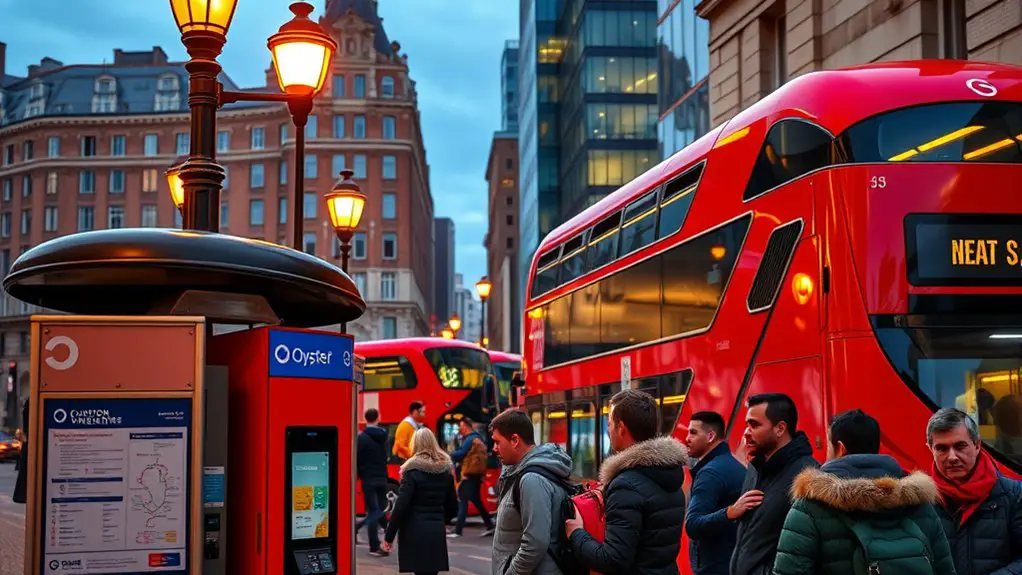
The London bus network covers Greater London with hundreds of numbered routes. Transport for London (TfL) currently says it manages a fleet of around 9,000 buses across 675 routes. Many services are operated by private bus companies under contract to TfL, but passengers use the same TfL fares and travel information across the network.
You do not need to learn a complicated hierarchy of “primary,” “secondary,” or “feeder” services. For everyday travel, focus on four pieces of information: the route number, the bus’s destination and direction, the stop where you need to board, and the stop where you need to get off.
TfL manages around 9,000 buses on 675 routes, giving London extensive street-level public transport coverage.
Many routes meet at busy interchanges near Underground, Elizabeth line, London Overground and National Rail stations. This makes buses useful both for complete journeys and for connecting to another form of public transport.
Because routes can change during roadworks, events and permanent network reviews, use TfL’s current bus information rather than relying only on an old printed map or a sightseeing list saved from a previous trip.
Popular Bus Routes for Tourists and Locals
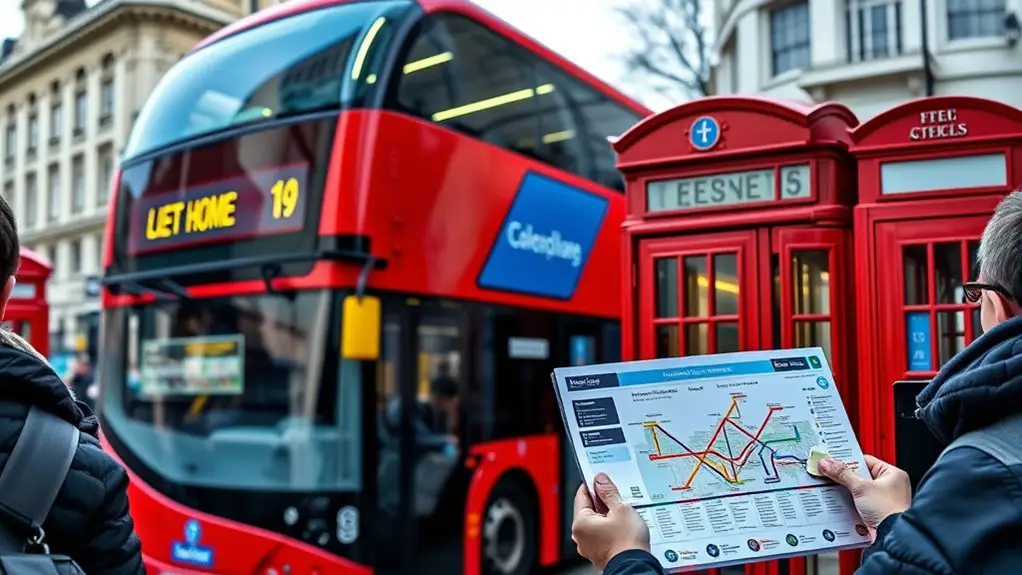
Some ordinary London bus routes are useful for sightseeing because they pass well-known streets and landmarks. They still operate as normal public buses, so traffic, diversions and route changes can affect the view and journey time.
Iconic Route Highlights
Route 11 is a useful central-London option. Its current route serves areas including Chelsea, Sloane Square, Victoria and Westminster before continuing to Waterloo. Around Westminster, you can be close to sights such as Westminster Abbey and the Houses of Parliament. Check the current TfL Route 11 stops before planning a sightseeing ride.
Route 15 offers a different view of London. Its current route passes locations including Tower Hill, Monument, St Paul’s, Aldwych and Charing Cross. That makes it useful for seeing parts of the City of London and the West End from a regular bus. See the current TfL Route 15 information for live routing and stops.
Note: London bus routes are occasionally shortened, diverted or redesigned. Check the route on the day you travel rather than treating any sightseeing itinerary as permanent.
Local Commute Essentials
For everyday travel, a “famous” route matters less than a route that serves your exact origin and destination frequently. Use live arrival information to compare nearby stops, especially in central London where several routes may take you in the same general direction.
During peak periods, road congestion can make bus journey times less predictable than rail travel. Allow extra time for appointments and check for road closures, demonstrations, major events or construction before leaving.
Where several routes work, choose the one that requires the fewest transfers or gives you the easiest interchange. A slightly longer direct bus can sometimes be simpler than changing twice.
Tourist Sightseeing Lines
Commercial open-top sightseeing buses are separate from TfL’s normal bus network. They may offer audio commentary, fixed tourist circuits and hop-on/hop-off tickets, but their tickets and fare rules are different from ordinary London bus fares.
A normal TfL bus can still be an inexpensive way to see London from street level, but it does not provide a guided tour or guarantee a particular sightseeing view. For ordinary public transport, use TfL route information and pay the standard TfL fare.
How to Find Your Bus Stop and Route Information
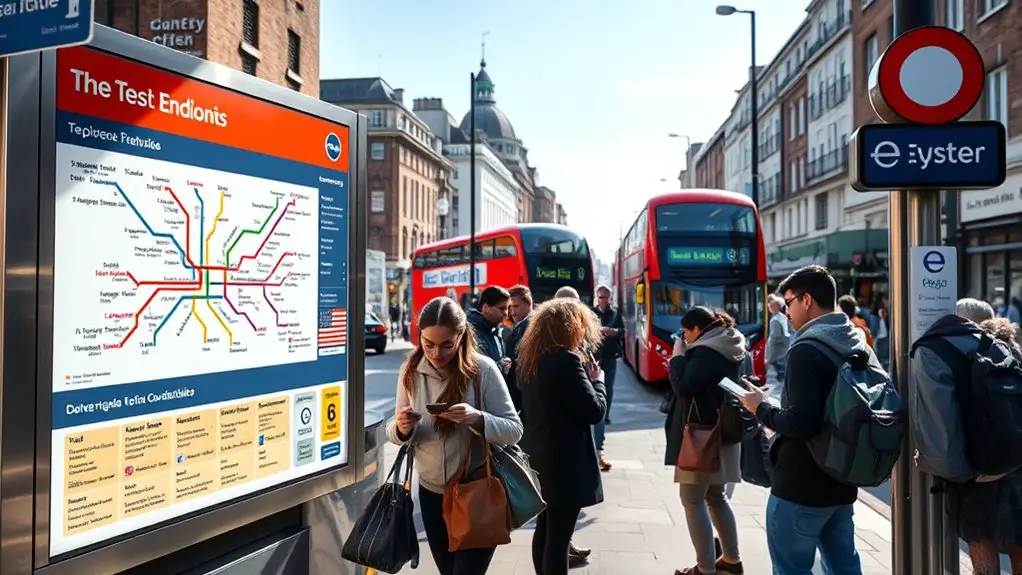
Finding the correct bus stop is important because opposite directions often use different stops, and large junctions may have several stops with similar names.
At the stop, look for the TfL bus-stop sign. It normally shows the stop name and the route numbers serving that location. Destination information helps you confirm which direction the bus travels.
Use these checks before boarding:
- Confirm the route number.
- Check the bus’s destination or direction, not just the route number.
- Compare the stop with your journey planner so you know you are on the correct side of the road.
- Use a digital countdown display or live-arrival information where available.
- Check for a temporary notice if the stop is closed, moved or affected by roadworks.
London has thousands of bus stops, and some areas have several stops grouped around one junction or station. A stop letter shown in a journey planner can help you locate the exact boarding point.
Using TfL Bus Maps and Apps for Navigation
TfL provides official journey-planning tools, bus maps and live information. Third-party apps such as Citymapper and Google Maps can also be useful, but TfL’s own information is the best place to check official disruptions and route changes.
Accessing Bus Maps
The TfL bus map pages help you explore routes and local bus connections. Area-specific bus maps can be especially useful around major stations and town centres where several routes meet.
Rather than trying to memorize the entire network, identify the routes relevant to the area you are visiting and check the final destination shown on the front of the bus.
Using TfL Go and Mobile Navigation Apps
TfL Go is TfL’s official travel app. It provides journey planning, live information and disruption details and can help with accessible journey planning.
Other navigation apps can combine bus, Tube, rail and walking directions. Whichever app you use, recheck the trip shortly before departure because road traffic and diversions can change bus arrival times quickly.
Planning Routes Efficiently
For a straightforward journey:
- Enter your real starting point and destination rather than only nearby landmarks.
- Compare direct buses with routes that require a change.
- Check walking distance at each end of the journey.
- Look at live arrivals before walking to the stop.
- Check TfL disruption information if your route appears delayed or missing.
- Keep an alternative route in mind when travelling to an airport, train or timed booking.
How to Ride a London Bus Step by Step
- Plan your route. Find the route number, boarding stop, direction and destination using TfL Go or TfL’s journey planner.
- Go to the correct stop. Check the stop name, route numbers and direction. Some junctions have several nearby bus stops.
- Make yourself visible. When the bus approaches, signal clearly if needed. Stand safely back from the kerb and let passengers leave before you board.
- Touch in once. Use your Oyster card or an accepted contactless card/device on the yellow reader as you board. Hold one payment method to the reader rather than presenting a wallet full of cards.
- Move inside safely. Take a seat where possible or hold a handrail. Keep aisles, doors and the wheelchair space clear.
- Prepare for your stop. Follow the onboard next-stop display or announcements. Press a stop-request button before your stop so the driver knows you want to get off.
- Leave without touching out. Wait until the bus stops, exit carefully and watch for pedestrians or cyclists outside. London bus passengers do not touch out.
Pro Tip: Before boarding, note the name of the stop immediately before yours. It gives you extra warning to press the bell and prepare to leave, especially when travelling somewhere unfamiliar.
Different Types of Bus Tickets and Travel Cards
London’s bus fare system is simpler than the original idea of buying separate cash single and return tickets. For most adult passengers, the main choices are pay as you go or a valid travel pass.
Pay As You Go
You can pay as you go with an Oyster card or an accepted contactless bank card or device. As of July 25, 2026, the standard adult bus and tram PAYG fare is £1.75. The fare is flat for an ordinary bus journey rather than increasing with distance.
TfL’s current adult bus and tram PAYG cap is £5.25 per day, while the Monday-to-Sunday cap is £24.70. See the current TfL bus and tram fares before travelling because fares can change.
Bus & Tram Passes
For frequent travel, TfL offers Bus & Tram Passes. Current adult products include a One Day Bus & Tram Pass as well as 7 Day, Monthly and Annual passes. As of July 25, 2026, TfL lists the adult One Day pass at £6.00, the 7 Day pass at £24.70, the Monthly pass at £94.90 and the Annual pass at £988.
Travelcards
A Travelcard is designed for travel across several TfL modes and is normally sold for selected fare zones. A valid Travelcard can also be used on London buses, making it useful if your trip combines buses with rail-based services.
Children and Discounted Travel
Children and some other passenger groups can qualify for free or discounted travel. For example, eligible young people may use Zip Oyster photocards, while students, apprentices, older London residents and eligible disabled passengers have separate concession arrangements.
Because eligibility and application rules vary, check TfL’s free and discounted travel information rather than assuming everyone in an age group can travel without the required card.
Note: The fares above are current on July 25, 2026. A Greater London Authority decision has approved changes from November 1, 2026, including an adult bus/tram PAYG fare of £1.85, a daily bus/tram cap of £5.55, and a 7 Day Bus & Tram Pass of £26.10. Check TfL before travelling after that date.
Paying for Your Bus Journey: Contactless, Oyster, and Cash
London buses are cash-free. You cannot board a normal TfL bus and buy a ticket from the driver with coins or banknotes.
Warning: Do not rely on cash for a London bus journey. Have a valid Oyster card, accepted contactless card/device, Travelcard, Bus & Tram Pass or another valid concession before you board.
Contactless Payment Options
Contactless bank cards and supported mobile-payment devices are convenient for adult pay-as-you-go travel. Touch the card or device on the yellow reader when boarding and wait for confirmation.
Use the same physical card or same device throughout your journeys if you want TfL to calculate Hopper fares and fare caps correctly. A bank card stored in a phone is treated as a different payment token from the physical version of that card, so switching between them can split your travel record.
Keep other contactless cards away from the reader to avoid card clash. TfL provides additional guidance on paying the right fare.
Using Cash on Buses
You cannot use cash on TfL buses. London’s bus network became cash-free in 2014, so there is no need to carry exact change and the driver does not sell a standard cash single or return ticket.
If you normally rely on cash, obtain and top up an Oyster card in advance or use another valid TfL travel product. Do not wait until the bus arrives to discover that your planned payment method is unavailable.
Tips for Using Contactless Payment and Oyster Cards
Oyster and contactless both make boarding quick, but a few rules prevent unnecessary charges:
- Touch in every time you board a bus.
- Do not touch out when you leave.
- Use the same card or device for journeys that should count toward a Hopper fare or cap.
- Keep other contactless cards away from the reader to avoid card clash.
- Make sure an Oyster card has enough credit or a valid travel product before boarding.
- If you use a phone or watch for payment, keep it charged and available throughout the day.
Oyster or Contactless: Which Is Better?
For many adult visitors making ordinary pay-as-you-go trips, contactless is convenient because there is no separate card to buy or top up. Oyster remains useful for passengers who need certain concessions, discounts or travel products that are linked to Oyster.
Visitors using a foreign bank card should also consider any fees their own bank may charge for overseas transactions. Those charges come from the card issuer rather than TfL.
Managing Transfers and Multiple Bus Journeys
TfL’s normal Hopper fare lets you make unlimited bus and tram journeys within one hour of your first touch-in for the price of a single bus/tram PAYG fare, provided you use the same Oyster card, contactless card or device.
You still need to touch in each time you board another bus. The system recognizes qualifying trips and applies the Hopper fare automatically.
For the normal Hopper fare, the key time limit is one hour from the first touch-in—not a general 60-to-90-minute transfer window.
A Tube or rail journey between bus journeys has its own fare, but it does not change the need to use the same payment method for any bus or tram journeys you expect TfL to link correctly.
Daily and weekly capping can further limit what an adult PAYG passenger spends on qualifying bus and tram travel. Check current fare rules if your journey combines several modes because rail fares and multimodal caps differ from bus-only fares.
Note: TfL is running a temporary Weekend Hopper during summer 2026. From 04:30 on Saturdays and Sundays between July 25 and August 31, 2026, including the August 31 Bank Holiday, qualifying passengers can make unlimited bus and tram journeys during the relevant day for one £1.75 fare when they use the same payment method. This is a temporary offer, so check TfL before relying on it later.
Special Bus Services and Night Routes
London has several types of bus service beyond the standard daytime route pattern. Two especially useful categories are Superloop and overnight buses.
Superloop Express Buses
Superloop is TfL’s network of limited-stop express bus routes, designed to improve longer orbital and cross-London connections. TfL currently describes a network of 12 express routes covering about 218 km and connecting dozens of bus and rail stations.
Superloop routes use normal TfL bus fare rules, so they are not premium sightseeing or coach services. Their limited-stop pattern can make them useful when your start and destination are farther apart.
Night and 24-Hour Buses
London also has extensive overnight bus service. Some ordinary numbered routes operate 24 hours, while other night services use route numbers beginning with N.
Night frequencies may be lower than daytime frequencies, so check live departures before leaving a station, venue or accommodation. TfL’s safer travel at night guidance is also useful when planning a late journey.
Do not assume that every night bus is an express or limited-stop service. Check the actual stopping pattern for your route.
Accessibility on London Buses
London bus routes are served by low-floor wheelchair-accessible buses. Buses have a dedicated wheelchair space, and ramps can be used for wheelchair users and eligible mobility-aid users.
Priority seats are provided for passengers who need them, including people with reduced mobility, older passengers and pregnant passengers. Onboard visual displays and audio announcements identify upcoming stops on London buses.
If you need the ramp, position yourself where the driver can see you and make your intention to board clear. The wheelchair space has priority for a wheelchair user. Passengers with unfolded buggies may need to move or fold them when the priority space is required.
For an unfamiliar journey, use TfL’s accessibility information or TfL Go before leaving so you can check the wider journey, especially when transferring between buses and rail services.
Safety and Etiquette on London Buses
Good bus etiquette also improves safety. When your bus approaches, stand where the driver can see you without stepping into the road. Signal clearly when necessary and allow passengers to leave before you board.
Once aboard:
- Move away from the doors when space is available.
- Sit down where possible or hold a handrail while the bus is moving.
- Keep bags, luggage and shopping out of aisles and doorways.
- Keep the wheelchair space available for passengers who have priority to use it.
- Offer priority seats to passengers who need them more.
- Avoid loud or disruptive behaviour that affects other passengers.
- Keep valuables secure, especially on busy services.
Before your stop, press one of the stop-request buttons. Wait for the bus to stop before stepping off, and look carefully for cyclists or pedestrians as you exit.
Frequently Asked Questions
Are There Any Discounts Available for Frequent Bus Travelers?
Yes. Frequent adult riders can benefit from daily and weekly PAYG capping or choose Bus & Tram Passes for set periods. Eligible children, students, apprentices, older London residents and disabled passengers may qualify for additional free or discounted travel under separate TfL schemes.
Can I Use My Contactless Card on All London Bus Routes?
TfL buses accept supported contactless payment cards and devices. Touch in when boarding and use the same card or device for journeys you want included in the same Hopper calculation or fare cap. A card issued outside the UK may also be subject to fees or restrictions imposed by its issuer.
What Should I Do if I Lose My Oyster or Contactless Card?
If a registered or protected Oyster card is lost or stolen, report it to TfL as soon as possible so eligible credit or travel products can be protected or transferred under TfL’s rules. Protection is more limited for an unregistered Oyster card. If you lose a contactless bank card, report it to your bank or card issuer because TfL does not issue replacement bank cards.
Are There Accessible Buses for Passengers With Mobility Issues?
Yes. London bus routes are served by low-floor wheelchair-accessible buses. Buses provide a wheelchair space and boarding ramp, as well as priority seating. Onboard audio and visual information helps passengers identify upcoming stops.
How Do I Identify the Correct Bus Route for My Destination?
Use TfL Go or TfL’s journey planner to find the route number, boarding stop and direction. At the stop, check the route number and destination. When the bus arrives, confirm the destination shown on the front before boarding.
Do You Tap Out on London Buses?
No. Touch in on the yellow reader when you board, but do not touch out when you leave a London bus. TfL specifically instructs bus passengers to touch in only.
Can You Pay Cash on London Buses?
No. TfL buses are cash-free. Use Oyster, an accepted contactless card or device, or another valid travel product before boarding.
Do Children Pay Full Fare on London Buses?
Not always. Children aged 5–10 can travel free on London buses and trams under TfL’s rules, while older children and young people may qualify for free or discounted travel with the appropriate Zip Oyster photocard. Check current TfL eligibility requirements before travelling.
Conclusion
Using the London bus network becomes straightforward once you know the core rules. Plan the route and direction, wait at the correct stop, use Oyster or an accepted contactless payment method, and touch in only when you board. Remember that buses are cash-free and that normal PAYG bus fares are flat rather than distance-based.
Live TfL information is especially valuable because traffic, diversions and route changes can affect buses more quickly than fixed rail services. With the Hopper fare, fare capping, accessible vehicles, Superloop routes and extensive night services, buses can be a practical option for commuting, sightseeing and journeys beyond the Tube network.
Sources
- Transport for London — Using buses in London — boarding, stops, accessibility and general bus-use guidance.
- Transport for London — Bus and tram fares — current PAYG fare, Hopper rules, fare caps and Bus & Tram Pass prices.
- Transport for London — Pay the right fare — touch-in rules, card clash and correct use of contactless payment.
- Transport for London — TfL Go — official journey planning, live travel and disruption information.
- Transport for London — Superloop — current limited-stop express bus network.
- Greater London Authority — July 2026 fare changes — approved November 1, 2026 bus and tram fare changes.
