Last Updated on July 30, 2026 by Caleb Warren
The best travel backpack is not automatically the biggest or most expensive one. It is the smallest pack that holds your real travel kit, fits your body comfortably, and stays within the rules of the strictest airline on your itinerary. Use the guide below to compare capacity, dimensions, fit, access, materials, security, weight, and value before you buy.
Quick Answer
Choose a travel backpack by checking your airline’s size and weight limits first, then matching capacity to your packing style. For many carry-on travelers, 30–40 liters is a practical starting range, but exterior dimensions matter more than liters. Prioritize a comfortable torso fit, easy access, durable materials, secure zippers, and a useful return policy.
Key Takeaways
- Check the operating airline’s published dimensions and weight limit before choosing a capacity.
- A 30–40L pack is a useful carry-on starting point, but a 40L or 45L label does not guarantee approval.
- Measure torso length and hip size, then test the pack with the load you expect to carry.
- Choose organization for your actual routine rather than paying for pockets you will not use.
- Treat lockable zippers and hidden pockets as deterrents, not theft-proof protection.
- Compare warranty, repair service, and return terms along with price.
At a Glance
| Time Required | About 30–60 minutes to research, measure, and load-test |
| Difficulty | Easy |
| Tools Needed | Flexible tape measure, airline baggage page, sample load, and optional luggage scale |
| Cost | Varies by materials, harness, features, warranty, and brand |
Disclosure: As an Amazon Associate I earn from qualifying purchases. Some links on this page are affiliate links, at no extra cost to you.
Understanding Backpack Capacity
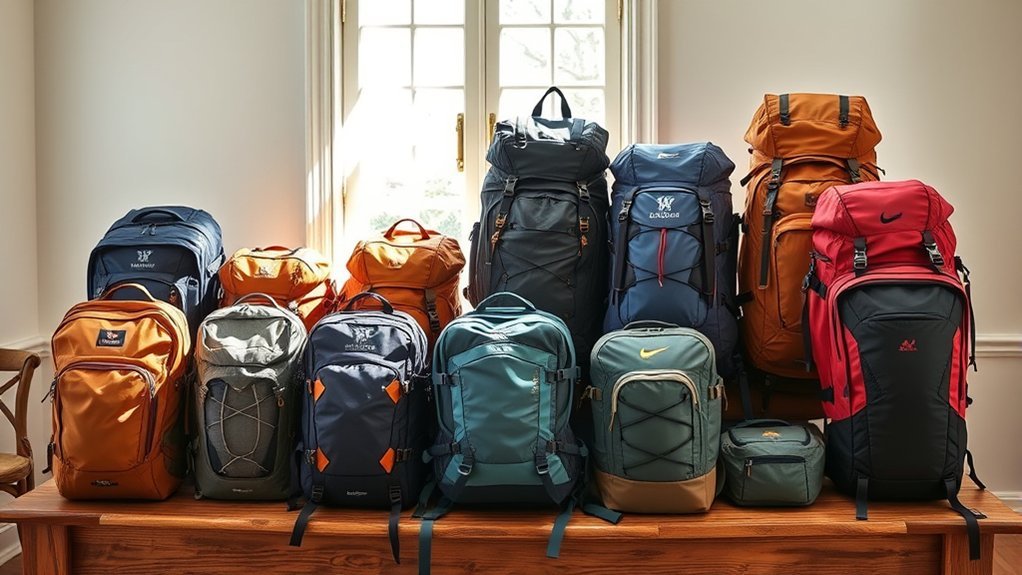
Backpack capacity is measured in liters, but airlines judge the bag by its outside dimensions and weight. The International Air Transport Association notes that cabin-bag allowances can vary by airline, cabin class, and aircraft. For example, American Airlines and Delta Air Lines currently publish a maximum of 22 x 14 x 9 inches for a standard carry-on, including handles and other exterior parts. Other carriers may use different dimensions or add a weight limit.
Warning: Do not buy a backpack based on liters alone. A deep 40L pack can fail an airport sizer, while a slimmer bag with a similar stated capacity may fit. Check the packed dimensions against every operating airline on your itinerary.
Use these ranges as starting points rather than promises:
| Typical Use | Starting Capacity | Main Check |
| Day trip, commute, or personal-item travel | 20–30L | Under-seat dimensions |
| Minimalist carry-on travel | 30–40L | Packed length, width, depth, and weight |
| Bulky gear or longer trips | 40–45L or larger | Carry-on eligibility; a checked bag may be needed |
Trip length is only one factor. Climate, shoe size, laundry access, electronics, medication, and whether you pack camera or outdoor gear can change the space you need. Build a realistic packing list, place it in a bag or box, and choose the smallest backpack that holds it without bulging.
Importance of Comfort and Fit

A well-fitted backpack keeps the load close to your body and reduces pressure points. Fit depends more on torso length and hip-belt sizing than on your height. The Osprey pack-fitting guide recommends matching the pack to torso length, checking hip-belt fit around the iliac crest, and adjusting the harness in sequence.
How to Test the Fit
- Measure your torso. Find the C7 vertebra at the base of your neck and measure down to the line across the top of your hip bones.
- Load the backpack realistically. Use the clothes, laptop, toiletries, and other items you expect to carry. Do not use an arbitrary 30-pound test unless that is your normal load and the pack is rated for it.
- Set the hip belt first. Center it over the top of your hip bones and tighten it until secure but not painful.
- Tighten the shoulder straps. They should follow your shoulders without gaps or pinching.
- Adjust load lifters if included. Tighten them enough to bring the top of the pack closer without pulling the shoulder straps off your shoulders.
- Fasten the sternum strap lightly. It should stabilize the harness without restricting breathing.
- Walk for at least 10–15 minutes. Use stairs if possible, then check for slipping, rubbing, numbness, hot spots, or lower-back pressure.
A padded hip belt is most useful when the load is heavy enough to benefit from weight transfer. For a light commuting pack, a simple or removable belt may be more practical. Travelers with shorter torsos, broader bodies, or different chest and hip shapes should compare standard, extended-fit, and women-specific harness options rather than relying on the label alone.
A backpack that fits the airline but not your body is still the wrong backpack.
Essential Features for Organization

A clamshell or panel-loading design opens more like a suitcase than a top-loading hiking pack, making clothing easier to see and pack. It is especially useful when the backpack is your main piece of luggage. A traditional top loader can still work well when low weight, trail use, or weather protection matters more than suitcase-style access.
Prioritize the features you will use on every trip:
- Main-compartment access: A wide opening makes packing and inspection easier.
- Laptop protection: Check the sleeve’s actual length, width, and depth. A stated “15-inch” or “16-inch” fit is only a guide because laptop bodies vary.
- Quick-access pocket: Useful for travel documents, glasses, or a small toiletries bag, but avoid placing a passport in an exposed exterior pocket.
- Water-bottle pocket: Confirm it still holds the bottle when the main compartment is full.
- Internal compression straps: These keep clothing from shifting and reduce pressure on the zipper.
- Separate wet or shoe storage: Helpful only if it does not consume too much main-compartment space.
- Packing-cube compatibility: Optional, but useful for grouping clothing and reducing repeated unpacking.
Note: Power banks and spare lithium batteries must travel in carry-on baggage, not checked luggage. If a carry-on is gate-checked, remove those batteries and keep them with you. Review the current TSA power-bank rules and your airline’s policy before departure.
Durability and Material Considerations
Material names and denier ratings help with comparison, but no single number proves that a backpack is durable. Fabric type, weave, coating, seam construction, zipper quality, reinforcement, and repairability all matter. Higher-denier fabric is often heavier and more abrasion-resistant than a lighter version of the same fabric, but two different 400D fabrics may perform differently.
Inspect these areas closely:
- Reinforced stitching at shoulder-strap anchors, carry handles, and compression straps
- Zippers that run smoothly around corners without catching
- A protected or raised laptop compartment that keeps the device away from the floor
- Fabric reinforcement on the bottom and other high-wear areas
- Buckles and adjusters that are easy to replace
- A warranty or repair program with clear terms
“Water-resistant” and “waterproof” are not interchangeable. Coated fabric can resist light rain, but water may enter through seams, zipper tracks, or openings. For wet destinations, use a rain cover, waterproof liner, or dry bag for critical items such as documents, medication, and electronics.
Weight vs. Functionality
An ultralight bag leaves more of an airline weight allowance for your belongings, but removing structure can make a dense load less comfortable. Frames, padded hip belts, ventilated back panels, laptop protection, and heavy-duty zippers add weight while improving support or durability. Compare the empty weight with the manufacturer’s recommended load range and your expected walking time.
As a current example, the Osprey Farpoint 40 lists a 40L volume, a 3.27-pound empty weight, and a 7–16 kg load range. Those specifications apply to that model, not to every travel backpack. Use model-specific figures instead of assuming all packs can comfortably carry 30 pounds.
Pro Tip: Weigh the empty backpack, then weigh it again with your real packing list. A feature is worth its weight only when it improves comfort, access, protection, or organization on your trips.
Security Features to Consider
Security features can reduce casual access, but no soft-sided backpack is theft-proof. The best protection is keeping the bag closed, within reach, and positioned where you can feel or see it in crowds.
Lockable Zippers
Dual zipper pulls with holes for a small lock can discourage opportunistic opening. Choose pulls that align without forcing the zipper. If the backpack may be checked, the TSA travel checklist recommends using a TSA-recognized baggage lock. A lock does not prevent someone from cutting fabric, taking the whole bag, or damaging a zipper, so do not leave valuables unattended.
Anti-Theft Design
Hidden pockets can keep a passport or backup card away from casual view, and cut-resistant reinforcement may slow a slash attempt. Look for layouts that keep important items against your back without making them difficult to reach when needed.
An RFID-blocking pocket is optional and should not be treated as a complete security system. It does not replace basic precautions such as keeping cards and documents secure, monitoring accounts, and reporting a lost or stolen card promptly.
Style and Aesthetic Preferences
A travel backpack should suit the places where you will carry it. A low-profile design may move easily between airports, offices, and hotels, while a colorful pack can be easier to identify. Style matters, but it should not override fit, dimensions, or access.
Functional Design Elements
Look at the backpack as a complete system. A clamshell opening is less useful if the zipper is blocked when the bottle pocket is full. A stowable harness protects straps during gate-checking, but it can add weight and bulk. Side and top handles make the bag easier to lift into a bin. Compression straps help control depth, especially when the bag is not full.
Also consider how the pack works at your destination. A 40L bag may be comfortable for airport transfers but awkward as a daily sightseeing bag. In that case, choose a pack with a detachable daypack, pack a small foldable daypack, or use a compact personal item.
Color and Material Choices
Darker colors tend to hide scuffs and stains, while brighter colors are easier to identify. Smooth coated fabrics wipe clean easily but may show scratches; woven fabrics can look more casual and may absorb more water if the coating is limited. Check whether the manufacturer gives specific care instructions before choosing a finish.
Budgeting for Your Travel Backpack
The original idea of spending about $200–$250 is reasonable for many full-featured carry-on packs, but it is not a quality guarantee or a requirement. Prices change, and a simpler bag can be a better value when it fits well and covers your core needs. As of July 30, 2026, official U.S. listings placed the Osprey Farpoint 40 at $200 and the Patagonia Black Hole MLC 45L at $239.
Compare total value rather than pocket count. Review the warranty, repair process, return window, replacement-part availability, and whether you can test the backpack with weight. Seasonal sales, prior-year colors, used gear, and rental programs can reduce cost without sacrificing fit.
Pro Tip: Spend first on fit and the correct dimensions. Extra organizers are inexpensive to add later; a painful harness or oversized frame is much harder to fix.
How to Choose a Travel Backpack Step by Step
- Define the main use. Decide whether the backpack will be a personal item, carry-on, checked travel pack, hiking crossover, or daily commuter.
- Check the strictest airline. Record the operating carrier’s maximum length, width, depth, and weight for every flight.
- Build a realistic packing list. Include bulky shoes, medication, chargers, toiletries, and destination-specific layers.
- Choose a capacity range. Start with the smallest range likely to hold that list, then verify exterior dimensions.
- Measure your torso and hips. Compare those measurements with the manufacturer’s fit chart.
- Shortlist only essential features. Decide whether you truly need a hip belt, laptop sleeve, bottle pocket, clamshell opening, or stowable harness.
- Load-test the pack. Walk, climb stairs, reach overhead, and check for pressure points or shifting.
- Check the fine print. Confirm warranty, repair service, return rules, and care instructions before buying.
- Run a final travel test. Pack the bag fully, measure it again, weigh it, and confirm that it still closes without bulging.
Frequently Asked Questions
How do I choose the right backpack for hiking versus traveling?
For hiking, prioritize trail fit, ventilation, load transfer, hydration compatibility, and access that works while moving. For travel, prioritize airline dimensions, clamshell access, lockable zipper pulls, laptop protection, and stowable straps. A crossover pack can work, but test both the carry system and the packed dimensions.
Can I use a travel backpack for daily commuting?
Yes, but a large travel pack can be bulky on public transportation or under a desk. Check whether the bag compresses well, protects your laptop, has quick-access pockets, and remains comfortable with a lighter daily load. A 20–30L pack is often easier for regular commuting.
What size laptop fits in a travel backpack?
It depends on the sleeve’s internal dimensions, not only the laptop’s diagonal screen size. Measure the device’s length, width, and thickness, including its case, then compare those figures with the manufacturer’s sleeve specifications. Leave enough clearance for the zipper to close without pressing on the laptop.
How do I clean and maintain my travel backpack?
Follow the care label first. In general, empty the bag, brush away loose dirt, spot-clean with mild soap and lukewarm water, rinse away residue, and air-dry fully out of direct heat. Do not machine-wash or tumble-dry unless the manufacturer specifically allows it. The Osprey cleaning guide also recommends cleaning zippers and avoiding harsh chemicals.
Are there travel backpacks designed specifically for women?
Yes. Women-specific models may use a shorter torso range, shaped shoulder straps, and a differently contoured hip belt. The label is only a starting point, however. Choose the harness that fits your torso, shoulders, chest, and hips best, whether it is sold as women-specific, standard, unisex, or extended fit.
What size travel backpack counts as a carry-on?
There is no universal liter size. Airlines use exterior dimensions and may also set a weight limit. A 30–40L backpack is a common starting range, but check the operating airline’s current rules and measure the bag after packing it.
Is a 40L backpack enough for a week?
It can be for a traveler who packs light, repeats clothing, and has laundry access. It may be too small for cold-weather layers, large shoes, medical equipment, camera gear, or formal clothing. Test the exact packing list instead of choosing by trip length alone.
Are travel backpacks waterproof?
Most are water-resistant rather than fully waterproof. Coated fabric may shed light rain, but seams and zippers can leak. Use a rain cover or waterproof liner, and place documents, medication, and electronics in sealed inner bags when heavy rain is possible.
Conclusion
Choose a travel backpack by working from real constraints: your airline, packing list, body measurements, and daily travel routine. Capacity matters, but exterior dimensions and loaded comfort matter more. Test the bag before the return window closes, measure it when full, and keep only the features that improve access, protection, or support. The right backpack should make the trip easier without becoming the heaviest or most complicated item you carry.
Sources
- IATA Passenger Baggage Rules — airline-specific carry-on size and weight guidance
- American Airlines Carry-On Bags — current carry-on dimensions
- Delta Air Lines Carry-On Baggage — current carry-on dimensions and linear-size guidance
- Osprey Size and Fit Guide — torso, hip-belt, and harness fitting
- TSA Travel Checklist — baggage locks and packing checks
- TSA Power Banks Guidance — carry-on rules for power banks and spare lithium batteries