
Last Updated on September 11, 2026 by Daniel Globe
Trade became essential when communities could produce some goods but not everything they needed. Climate, soil, water, terrain, and mineral deposits shaped local supply. Exchange allowed people to trade surplus grain, livestock, textiles, or craft goods for food, timber, stone, metals, salt, and other scarce materials. This reduced local shortages, but it also created dependence on routes and trading partners.
Quick Answer
Natural limits made trade necessary because resources were unevenly distributed. One region might have fertile farmland but little timber or metal, while another had forests, mines, livestock, or access to the sea. Trade let communities exchange local surpluses for scarce goods, reduce the impact of crop failures, and support larger settlements.
Key Takeaways
- Climate and soil limited which crops a community could grow and how reliable each harvest would be.
- Timber, stone, metals, salt, and other raw materials occurred in specific places, not everywhere.
- Rivers and seas often made transport easier, while mountains and deserts redirected trade through passes, ports, and oases.
- Regional specialization increased output and supported cities, crafts, and long-distance exchange.
- Trade reduced local scarcity but exposed societies to war, route disruption, price changes, and dependence on outside suppliers.
Disclosure: As an Amazon Associate I earn from qualifying purchases. Some links on this page are affiliate links, at no extra cost to you.
What Natural Limits Made Trade Necessary?
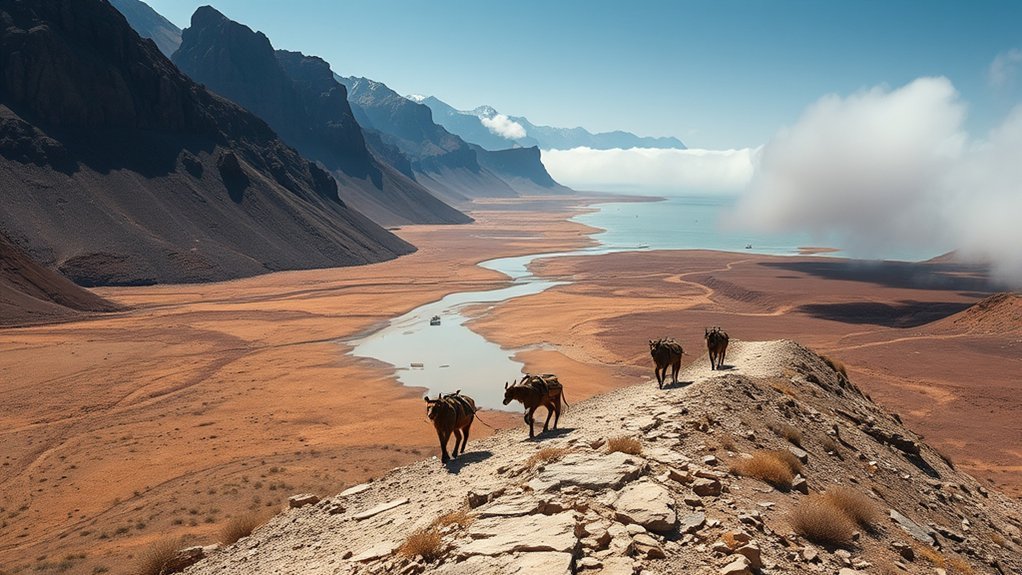
Natural limits made trade necessary because useful resources were spread unevenly across the landscape. A fertile river valley could produce grain but lack building stone, metal ores, or strong timber. A mountain region might have minerals and pasture but little flat farmland. Coastal communities could obtain fish and move cargo by sea, while inland communities depended more on rivers, roads, and caravans.
These differences created a basic pattern: communities exchanged what they could produce in surplus for what their environment could not provide. Trade was therefore not only a search for luxury goods. It also supplied practical materials needed for food, tools, buildings, transport, warfare, and craft production.
| Natural limit | Local effect | Typical trade response |
| Dry climate or unreliable rain | Lower or less predictable harvests | Import grain, livestock, or preserved food |
| Few forests | Limited timber for ships and buildings | Exchange textiles, food, or metals for wood |
| Few metal or stone deposits | Shortage of tools, weapons, ornaments, and durable building material | Import copper, tin, gold, silver, stone, or finished objects |
| Mountains, deserts, or open seas | Higher travel cost and risk | Use passes, oases, river crossings, ports, and relay markets |
Products Worth Considering

Used Book in Good Condition

📌 THICKNESS: 5-6 oz per sq.ft / 1.9-2.3mm Thick.

How Climate and Geography Shaped Local Resources
Climate determined growing seasons, rainfall, and the risk of drought or flood. Geography shaped access to water, farmland, grazing land, forests, fisheries, and mineral deposits. Together, these conditions affected what a community could produce reliably and what it had to obtain from elsewhere.
Climate Limits Harvests
Farming depended on temperature, rainfall, soil, and water control. A short growing season, poor soil, drought, flooding, or crop disease could reduce a harvest. Irrigation, storage, crop diversity, and livestock helped communities manage risk, but those methods could not remove every shortage.
Trade provided another layer of protection. A town with grain reserves could sell or exchange food after a good harvest. A neighboring region facing a poor harvest could buy grain, animals, oil, or dried food. This did not guarantee food security, because poor transport, conflict, or high prices could still block access, but it widened the area from which food could be obtained.
Geography Shapes Resource Access
Geology and terrain placed important resources in particular locations. Metal ores, stone, salt, timber, and fertile soil were not evenly distributed. Southern Mesopotamia, for example, supported major farming and textile production but lacked many kinds of metal, stone, and wood. The Penn Museum notes that Mesopotamian textiles and finished garments were exchanged for resources such as metal and stone.
Location also affected transport. Navigable rivers could connect inland farms with towns and ports. Coastlines supported fishing and maritime trade. Mountains and deserts raised costs, but passes and oases created predictable corridors where traders, pack animals, and supplies could gather.
Seasonal Gaps Drive Exchange
Many goods were available only at certain times of year. Grain arrived after harvest, pasture changed with the seasons, and rivers could rise or fall. Communities used storage to bridge these gaps, but exchange remained important when reserves ran low or local production failed.
Seasonal differences also encouraged exchange between ways of life. Pastoral groups could trade livestock, wool, hides, and dairy products for grain, oil, pottery, and tools from settled farmers. Coastal fishers, inland farmers, mountain herders, and craft specialists all had goods that others needed.
Why Ancient Regions Specialized in Certain Goods
Ancient regions specialized because some goods were easier, safer, or cheaper to produce in one environment than another. Fertile land supported grain surpluses. Large flocks supported wool and textile production. Forests supplied timber. Mines supplied metals and stone. Coastal access supported shipping and fishing.
Specialization allowed communities to concentrate labor and skill. It also encouraged the growth of workshops, merchant groups, storage systems, weights, contracts, and transport networks. Several historical examples show how this worked:
- Mesopotamia: Agricultural and textile surpluses helped pay for imported metal, stone, timber, and luxury materials.
- Old Assyrian merchants: Traders carried tin and textiles to Anatolia and exchanged them for silver, gold, and access to the copper trade. Surviving tablets record loans, caravan costs, business agreements, and disputes. The Metropolitan Museum of Art describes this system in detail.
- Phoenician cities: Coastal location, cedar timber, skilled seafaring, craft production, and purple dye supported maritime trade. Phoenician merchants also sought metals and distributed cedar, purple dye, and crafted goods through Mediterranean markets. The Metropolitan Museum of Art documents their long-distance networks.
- Nubia and Egypt: Nubia supplied resources such as gold, ivory, ebony, animal products, and precious stones. Trade and political control linked these resources to Egypt and wider markets, as described by the British Museum.
Trade turned environmental differences into exchange: one region’s surplus could meet another region’s shortage.
How Trade Helped People Access Scarce Materials
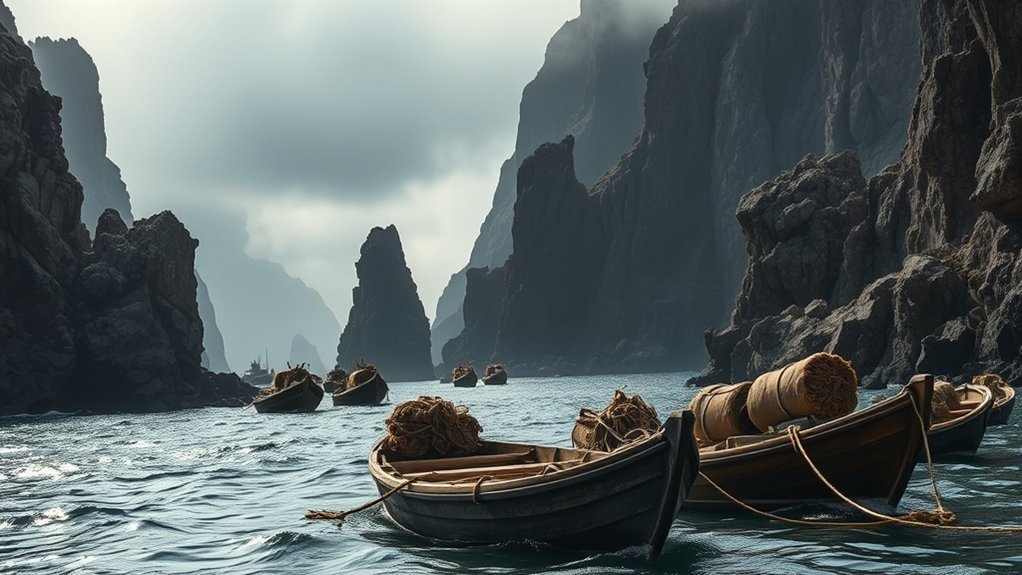
Trade gave communities access to materials that their own environment could not supply. The most important goods varied by place and period, but several categories appeared often.
- Metals: Copper and tin were needed to make bronze, while gold and silver were used for status objects, payment, and stored wealth.
- Timber and stone: Regions with mud-brick construction often imported strong wood and durable stone for temples, palaces, ships, tools, and monuments.
- Food and livestock: Grain, oil, wine, salt, dried foods, and animals helped fill local or seasonal shortages.
- Textiles and craft goods: Wool cloth, linen, pottery, glass, tools, and finished metalwork moved between workshops and markets.
- High-value goods: Silk, spices, ivory, incense, dyes, gems, and precious stones traveled long distances because small loads could carry high value.
The Silk Roads were not one road but a changing network of land and maritime routes. UNESCO explains that these routes moved raw materials, foodstuffs, luxury goods, skills, beliefs, and technologies across Eurasia. Individual merchants often traveled only part of the total distance, selling goods into a chain of regional markets. See UNESCO’s overview of the Silk Roads.
Note: Ancient exchange was not limited to direct barter. Goods also moved through market sales, credit, taxes, tribute, diplomatic gifts, state redistribution, and contracts recorded on clay tablets.
Products Worth Considering

Highly aromatic Chinese 5 spice seasoning enhances stir-fried vegetables, chicken, and especially fatty meats like pork and duck. A pinch can add new excitement to muffins, nut breads, or even waffle batter. Five-spice powder isn't hot, but quite concentrated, and should be used in small quantities.

Variety pack selection changes seasonally! Get a different mix of 6 blends selected from these The Silk Road 10 different spice blends!

Versatile Spice Set: Our Silk Road spice set includes 24 different spices and herbs, each with a unique flavor and aroma. It is perfect for those who want to experiment with new flavors and cuisines, and is suitable for a variety of dishes and recipes.
How Natural Barriers Shaped Ancient Trade Routes
Natural barriers rarely stopped trade completely. Instead, they changed where routes ran, which goods were profitable to carry, and which settlements became important. Traders favored routes with water, pasture, shelter, safe crossings, and access to markets.
Geographic Barriers
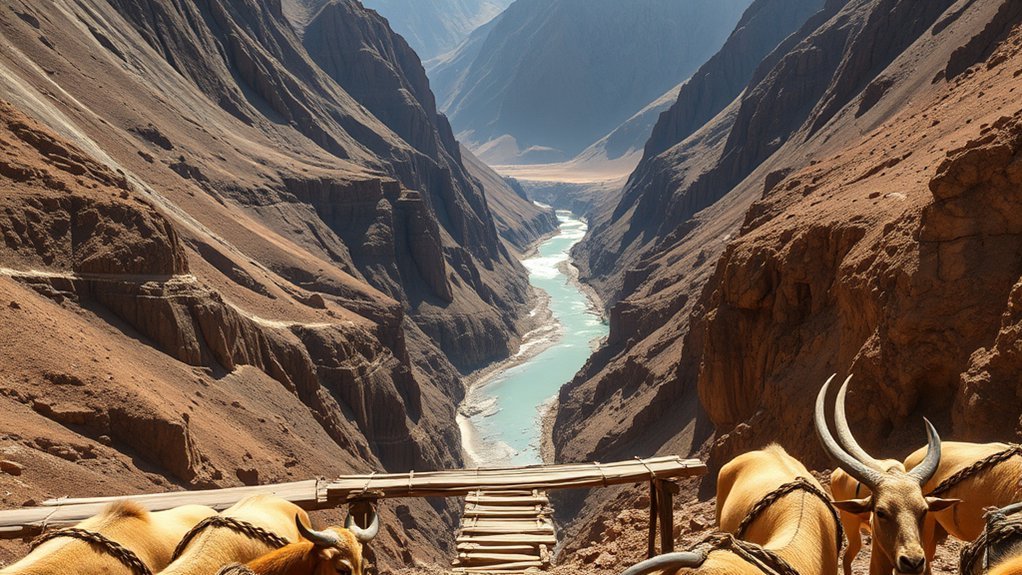
Mountains concentrated movement through passes. Deserts concentrated movement around wells and oases. Rivers could block travel at one point but provide a transport route at another. Seas separated regions, yet ships could move heavy cargo more efficiently than pack animals when ports and sailing conditions allowed.
- The Silk Roads crossed mountain systems and skirted major deserts through linked corridors rather than one continuous highway.
- Saharan caravans depended on knowledge of wells, oases, seasonal conditions, and pack animals.
- Mediterranean sailors used islands, coastal landmarks, harbors, and trading colonies to break long journeys into manageable stages.
UNESCO’s description of the Chang’an-Tianshan corridor shows how Silk Roads routes passed through deserts, high mountains, river valleys, grasslands, and oases. These landscapes shaped both the path and the cost of exchange.
Resource Scarcity
Scarcity gave merchants a reason to accept the risks of difficult travel. A bulky, low-value product could be expensive to move overland, while a light, high-value product such as silk, dye, gems, incense, or precious metal could support long-distance trade. Food and building materials also traveled, but they were often most practical on shorter routes or by river and sea.
Mesopotamia is a clear example. It had productive agriculture and major textile industries, but it imported many raw materials. The original claim that Mesopotamia traded because of “limited agricultural output” reverses the better-supported pattern. Surplus grain and textiles helped Mesopotamian communities obtain wood, stone, metals, and luxury goods.
How Trade Brought Wealth and Dependence
Trade could create wealth by opening larger markets and bringing scarce goods into cities. Merchants earned profits, rulers collected taxes or tribute, ports and caravan towns supplied travelers, and craftspeople gained access to raw materials. Control of a pass, harbor, river crossing, or market could therefore become a major source of political power.
Prosperity also created dependence. A city that relied on imported tin, grain, timber, or salt could face serious problems when war, piracy, drought, political collapse, or a route change interrupted supply. Specialized producers were especially exposed because they needed outside buyers for their surplus and outside suppliers for missing goods.
Pro Tip: When studying an ancient trade network, ask two questions: What did the region produce in surplus, and which essential materials did it lack? Those two answers usually explain why the route existed.
How Trade Changed Ancient Civilizations
Trade changed ancient civilizations in ways that went beyond buying and selling. It supported cities, specialized labor, recordkeeping, contracts, weights, transport systems, ports, caravan stations, and diplomatic relationships. In Mesopotamia, merchants used weighed silver, loans, written agreements, and standardized measures to manage complex transactions.
Trade routes also moved ideas and skills. Old Assyrian merchants carried cuneiform recordkeeping into Anatolia. Phoenician maritime networks spread objects, artistic styles, and alphabetic writing around the Mediterranean. Silk Roads networks carried religions, technologies, crops, languages, and artistic influences between connected regions. These exchanges did not affect every community equally, but they helped ancient societies become more connected and economically complex.
Natural Limits Versus Man-Made Trade Barriers
Natural limits and trade restrictions are different. Natural limits come from climate, terrain, distance, soil, water, and the location of resources. Man-made trade barriers come from laws, taxes, conflict, border controls, or political decisions. Both can raise costs or reduce access, but they do so for different reasons.
This distinction matters because the article’s main question concerns why trade became necessary, not why governments restrict it. Natural scarcity created the need to exchange. Political rules later shaped who could trade, what could cross a border, and how much it cost.
Products Worth Considering


Frequently Asked Questions
What are the limitations of trade?
Trade can be limited by distance, transport cost, difficult terrain, bad weather, insecurity, piracy, poor information, language differences, weak infrastructure, and political controls. It can also create dependence on outside suppliers and expose communities to shortages when routes fail.
What are the 7 barriers to trade?
There is no single official list of exactly seven barriers. A common classroom list may include tariffs, quotas, import licensing, embargoes or sanctions, regulatory requirements, transport and infrastructure problems, and language or information barriers. Different textbooks group these categories differently.
What are the 4 trade restrictions?
There is no universal set of four. Four common policy tools are tariffs, quotas, import licensing, and embargoes or import bans. Subsidies can also affect competition, but they are not always classified as a direct import restriction.
What are 5 trade restrictions?
A practical five-part list is tariffs, quotas, non-automatic import licenses, embargoes or sanctions, and technical or safety requirements that restrict market access. The World Trade Organization uses several categories rather than one fixed list of five.
Why was trade necessary in ancient Mesopotamia?
Southern Mesopotamia could produce grain, dates, wool, and textiles, but it lacked many sources of timber, building stone, and metal. Its communities traded agricultural and manufactured surpluses for those raw materials.
Did mountains and deserts stop ancient trade?
Usually not. They raised costs and risks, then redirected traders toward passes, oases, river crossings, and protected corridors. Settlements at those points often became markets, ports, or caravan hubs.
Conclusion
Natural limits made trade essential because no region had equal access to fertile land, reliable water, timber, stone, metals, salt, animals, and transport routes. Ancient communities responded by specializing, exchanging surpluses, and building networks across rivers, seas, mountains, and deserts. Trade reduced local scarcity and supported larger, more complex societies, but it also made them vulnerable when supplies or routes were disrupted.
Sources
- Penn Museum: Mesopotamian City Life: Mesopotamian textile exports, imported metal and stone, weighed silver, and commercial recordkeeping.
- The Metropolitan Museum of Art: The Old Assyrian Period: tin and textile trade, merchant colonies, cuneiform records, loans, and contracts.
- UNESCO: About the Silk Roads: the network’s land and maritime routes, traded goods, and movement of ideas and technologies.
- The Metropolitan Museum of Art: The Phoenicians: Phoenician maritime trade, cedar, purple dye, metal seeking, and Mediterranean connections.
- British Museum: Sudan, Egypt and Nubia: Nubian gold, ivory, ebony, animal products, precious stones, and exchange with Egypt.
- World Trade Organization: Quantitative Restrictions: modern categories such as quotas, prohibitions, and non-automatic import licensing.
