Last Updated on September 10, 2026 by Daniel Globe
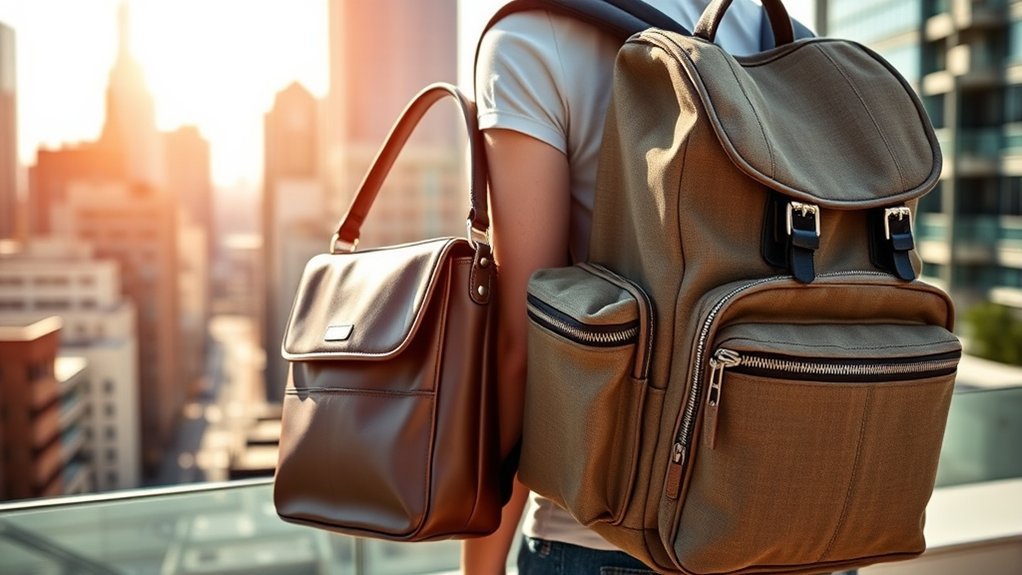
A sling bag and a backpack can both keep your hands free, but they solve different carrying problems. A sling bag works best when you want fast access to a small, light load. A backpack is usually the better choice for a laptop, extra clothing, water, or anything you will carry for several hours. The right option depends less on style alone and more on what you carry, how long you carry it, and where you plan to use it.
Quick Answer
Choose a sling bag for a light everyday load, quick access, and short outings. Choose a backpack for heavier gear, longer wear, a laptop, or better weight balance. Neither design is automatically more secure; zipper layout, pocket placement, fit, and how you wear the bag matter more.
Key Takeaways
- A sling bag is best for essentials such as a phone, wallet, keys, compact camera, and small water bottle.
- A backpack handles bulkier or heavier loads better because two shoulder straps spread the load more evenly.
- Fast access depends on the opening and pocket layout, not only on whether the bag is a sling or backpack.
- Security comes from keeping the bag under control, closing every compartment, and placing valuables in protected inner pockets.
- Check actual dimensions, device fit, weather protection, and airline limits before buying.
Disclosure: As an Amazon Associate I earn from qualifying purchases. Some links on this page are affiliate links, at no extra cost to you.
Sling Bag vs Backpack: Quick Comparison
| Feature | Sling Bag | Backpack |
|---|---|---|
| Best for | Errands, sightseeing, events, compact camera gear, and minimalist everyday carry | Work, school, hiking, commuting, travel, and carrying layers or larger electronics |
| Access | Usually swings to the front for access without full removal | Varies by design; panel openings and exterior pockets can be fast |
| Comfort | Good for light loads and shorter wear; one-strap pressure can build | Usually better for longer wear and heavier loads when properly fitted |
| Organization | Compact pockets keep a few essentials close | More room for laptop sleeves, bottle pockets, layers, and separate compartments |
| Main trade-off | Limited space and uneven loading when overpacked | Bulkier and may be slower to remove or reposition in tight spaces |
Size & Capacity

Capacity should be matched to your packing list rather than a fixed label. Sling bags are generally compact, but models range from pocket-sized organizers to larger camera and tech slings. Backpacks cover an even wider range. According to REI’s updated daypack guide, daypacks can range from about 5 to 40 liters, while travel and specialty packs may be larger.
For a sling bag, list the exact items you carry most days. Measure your tablet, camera, or water bottle instead of assuming it will fit based on the advertised liter number. For a backpack, leave enough room for items that change during the day, such as a jacket, lunch, or groceries, without buying so much space that you are tempted to overpack.
Note: Liter ratings are useful for rough comparison, but pocket shape, padding, curved panels, and the way a brand measures volume can change how much usable space a bag provides.
Accessibility

A sling bag’s main advantage is that you can rotate it from your back to your chest and open it without setting it down. That makes it convenient for a phone, transit card, passport, camera, or earbuds. It can also be easier to manage while standing on public transportation or moving through a crowded area.
Backpacks are not always slow to access. A panel-loading backpack opens like a suitcase, while side zippers, top pockets, hip-belt pockets, and bottle pockets can keep frequently used items within reach. The best design depends on what you need to retrieve and whether you can safely open the bag while moving.
- Choose a sling when you access a few small items often.
- Choose a panel-loading backpack when you want to see most of the contents at once.
- Choose a top-loading backpack when weather resistance and simple construction matter more than instant access.
Comfort & Ergonomics

A sling bag places most of its load through one strap. That can feel comfortable with a light load, especially when the strap is wide, padded, and adjusted so the bag stays close to your body. As the weight or wear time increases, however, one-sided pressure and repeated shifting can become tiring.
Research on unilateral shoulder-bag carrying has found measurable postural changes under load, so it is sensible to keep a one-strap bag light and switch carry positions when the design allows. A backpack uses two shoulder straps and can distribute weight more symmetrically. For heavier loads, a sternum strap, structured back panel, and supportive hip belt can improve stability. OSHA’s ergonomic guidance also recommends backpack-style tool bags when equipment must be carried for extended distances.
Warning: Stop and adjust the bag if you develop numbness, tingling, sharp pain, or persistent neck, shoulder, or back discomfort. Reduce the load rather than tightening the strap enough to create pressure points.
How to Improve the Fit
- Load the bag with the items you normally carry before judging comfort.
- Keep dense or heavy items close to your body so they do not pull the bag backward or sideways.
- Use both backpack straps instead of hanging the pack from one shoulder.
- Adjust the sling so it does not bounce, sag, or press against your neck.
- For a larger backpack, match the torso length and hip-belt fit to your body rather than choosing by height alone.
Pro Tip: Try the bag with your real daily load for at least 10 minutes. Walk, climb stairs, reach forward, and sit down. Hot spots and unwanted movement often appear only after the bag is loaded.
Organization & Device Protection
Sling bags make it easy to organize a small number of items, but they can become cramped when you add a large charger, water bottle, camera lens, or jacket. Too many tight pockets can also reduce usable space. A simple main compartment with one or two small-item pockets may be more practical than a complex organizer.
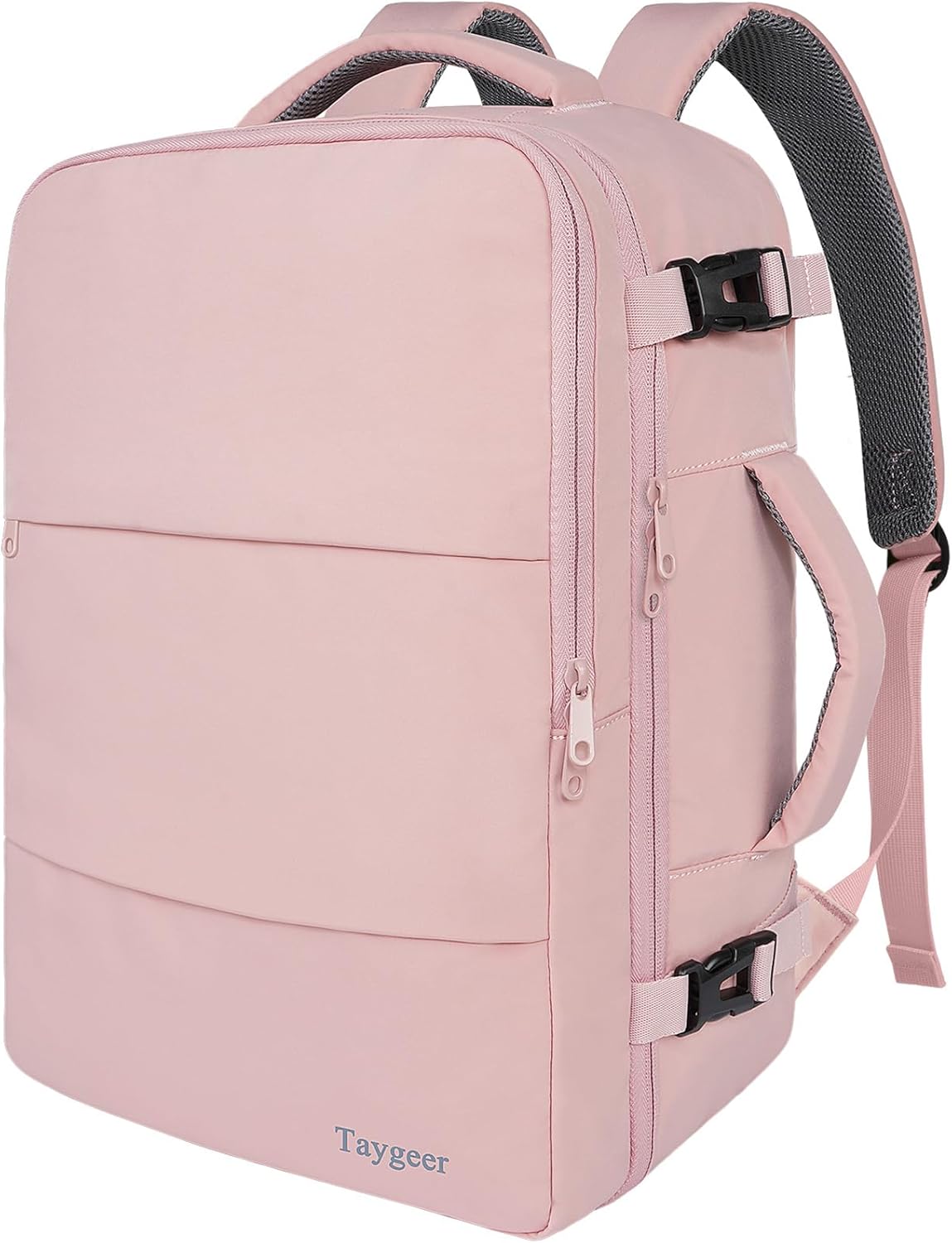
Backpacks are usually better for laptops and larger tablets because they have room for a suspended, padded sleeve and space for the power adapter. Before buying, compare the device’s actual length, width, and thickness with the sleeve dimensions. A “15-inch laptop” label does not guarantee that every 15-inch model will fit.
For fragile gear, look for padding on the bottom and sides, a raised device sleeve, and enough structure to prevent the contents from pressing against the screen or camera body.
Security
Neither bag style is automatically theft-proof. A sling worn across the chest may keep zippers in view, but a loose strap, open compartment, or phone in an exterior pocket can still create an easy target. A backpack may sit out of sight, yet it can be secure when it has protected zipper pulls, inward-facing pockets, and a hidden compartment against the back panel.
For travel, the most useful habits are simple:
- Close every zipper immediately after use.
- Keep passports, cash, and primary cards in an interior pocket rather than an exposed outer pocket.
- Move a backpack or sling to the front in dense crowds or on public transportation.
- Do not hang the bag over the back of a chair or leave it unattended.
- Use lockable zipper pulls as a delay, not as a guarantee against theft.
The U.S. Department of State’s travel guidance advises keeping bags in sight and avoiding exterior pockets for passports, cash, phones, and other valuables. Features such as slash-resistant panels or RFID-blocking pockets may add a layer of protection, but they do not replace control of the bag and awareness of your surroundings.
Materials, Weather Resistance & Durability
Nylon and polyester are common because they can be lightweight, durable, and easy to clean. Leather offers a polished appearance but is usually heavier and may need more care. Canvas can be durable and attractive, although untreated canvas may absorb water.
“Water-resistant” does not mean “waterproof.” For frequent rain, look for coated fabric, covered or water-resistant zippers, sealed seams, or a separate rain cover. Electronics and travel documents should still be placed in a waterproof pouch or dry bag when heavy rain is possible.
Check the areas that wear first: strap anchor points, zipper corners, the bottom panel, and any place where hardware rubs against fabric. Replace or repair a bag if a strap, buckle, or seam begins to fail under load.
Which Bag Is Better for Each Use?
Daily Errands and Sightseeing
A sling bag is often the easier choice when you carry only a phone, wallet, keys, sunglasses, and a small bottle. It stays compact and can be moved to the front for access.
Work, School, and Commuting
A backpack is usually better when you carry a laptop, charger, notebook, lunch, and water. Look for a padded device sleeve, comfortable shoulder straps, and a size that does not extend far beyond your torso.
Hiking and Outdoor Activities
A small sling can work for a short walk or a light photo kit, but a backpack is the safer all-around choice when you need water, food, weather layers, first-aid supplies, or other outdoor essentials. Activity-specific backpacks also offer better stability, ventilation, and attachment points.
Air Travel
A sling is useful as an in-flight organizer or destination day bag. A backpack offers more packing space and can serve as a personal item or carry-on only when its packed dimensions meet the airline’s rules. The TSA notes that cabin-bag size limits vary by airline, so check the carrier’s current limits before departure.
Cycling and Active Movement
A close-fitting backpack with a sternum strap usually stays more stable during repeated movement. A sling may work for a very light load if it includes a stabilizer strap and does not swing around the body. Do not let either bag restrict steering, balance, or visibility.
How to Choose Between a Sling Bag and a Backpack
- Write down your normal load. Include the heaviest day, not only the lightest one.
- Estimate wear time. A one-hour errand and an eight-hour travel day have different comfort needs.
- Measure the largest item. Check laptop, tablet, camera, bottle, and document dimensions.
- Decide what must be accessible. Match those items to secure pockets you can reach without unpacking everything.
- Test the fit while loaded. Look for pressure points, bouncing, strap slip, and heat buildup.
- Check the environment. Consider rain, crowds, cycling, hiking, workplace dress, and airline limits.
- Inspect construction. Check stitching, zipper movement, buckles, strap anchors, padding, and the bottom panel.
Choose for the heaviest load and longest wear time you face regularly—not for the few minutes you spend trying on an empty bag.
Style & Appearance
Sling bags often create a compact, modern look that works well with casual clothing and urban travel. Backpacks offer a broader range, from technical outdoor packs to structured work bags that can suit business-casual settings.
For a polished appearance, choose a simple shape, clean hardware, restrained branding, and a color that works with most of your wardrobe. Leather can look formal, but a well-structured nylon or polyester bag may be lighter and easier to maintain. Fit also affects appearance: a bag that sags, twists, or looks overstuffed will appear less refined regardless of material.
Care and Cleaning
Always follow the care label or manufacturer instructions because coatings, foam, frames, leather trim, and waterproof membranes require different treatment. For many technical backpacks, the safest method is to empty the bag, remove detachable parts, brush away dirt, and hand-clean it with mild soap and lukewarm water.
Do not assume a backpack can go in a washing machine. Osprey’s care guidance, for example, advises hand cleaning and warns that machine washing can damage a pack’s structure and fabric. Rinse away soap and air-dry the bag in a ventilated place away from direct heat. Use a leather-specific cleaner and conditioner only when the bag maker recommends it.
Frequently Asked Questions
Are sling bags suitable for outdoor activities?
Yes, for light activities and short outings. Choose a sling that fits close to the body, resists the expected weather, and has enough room for water and basic essentials. For longer hikes, rough terrain, or a heavier safety load, a two-strap backpack is usually more stable and comfortable.
Can backpacks be used for formal events?
A backpack can work in some professional or dressy settings when it has a slim, structured shape, clean hardware, and minimal branding. For a highly formal event, however, a briefcase, portfolio, or small leather bag may match the dress code better.
What are the best materials for sling bags?
The best material depends on use. Nylon and polyester are practical for everyday carry because they can be light and easy to clean. Leather provides a dressier look but adds weight and care needs. For wet conditions, focus on the complete construction—fabric coating, seams, zipper design, and rain protection—not the fiber name alone.
How do I clean a backpack properly?
Empty every pocket, remove detachable parts, brush off dry dirt, and follow the care label. Unless the manufacturer says machine washing is safe, clean the bag by hand with mild soap and lukewarm water. Rinse it well and air-dry it away from direct heat and strong sunlight.
Are there unisex designs for sling bags?
Yes. Many sling bags use neutral shapes, adjustable straps, and broad color choices. Comfort depends more on strap length, strap position, bag width, and how the bag sits on your body than on a gender label.
Is a sling bag better than a backpack for travel security?
Not automatically. A front-worn sling can make the zippers easier to watch, while a backpack may offer hidden pockets and lockable pulls. The safer choice is the bag you can keep closed, controlled, and in sight while storing valuables away from exposed outer pockets.
Can a sling bag carry a laptop?
Some larger slings can hold a small laptop or tablet, but fit and protection vary. Compare the device’s exact dimensions with the sleeve, check for bottom padding, and remember that a heavier computer may be more comfortable in a two-strap backpack.
Conclusion
A sling bag is the better choice for quick access and a light, compact load. A backpack is usually better for longer wear, heavier gear, laptops, hiking supplies, and flexible packing. Instead of choosing by appearance alone, test the bag with your real belongings and judge its fit, access, protection, and stability. The best bag is the one that carries your normal load without pain, wasted space, or constant adjustment.
Sources
- PubMed: The effect of frontpacks, shoulder bags and handheld bags on 3D back shape and posture — supports the discussion of unilateral load carrying and posture.
- Occupational Safety and Health Administration: Ergonomic tool-carrying guidance — supports even load distribution and backpack-style carrying for extended distances.
- REI Expert Advice: How to Choose Daypacks — supports capacity, fit, organization, and activity-based selection guidance.
- Transportation Security Administration: Carry-on size restrictions — confirms that cabin-bag dimensions vary by airline.
- Osprey: How to Clean Your Backpack — supports hand-cleaning and the warning against machine washing when not approved.