Last Updated on July 30, 2026 by Caleb Warren
Choosing between a hardshell and softshell backpack is not simply a choice between protection and comfort. A rigid or molded shell can help resist crushing, while a fabric backpack usually offers more flexibility, pockets, and packing freedom. However, the best option also depends on the backpack’s padding, fit, seams, zippers, weight, capacity, and intended use.
Quick Answer
Choose a hardshell or molded-panel backpack when crush resistance and a structured shape matter most. Choose a softshell backpack for lighter, more flexible packing, better external organization, and outdoor comfort. Neither type is automatically waterproof or impact-proof, so also check the seams, zippers, padding, fit, weight, and exact product specifications.
Key Takeaways
- A rigid shell can resist crushing, but internal padding and a suspended device sleeve are still essential for protecting laptops and cameras.
- Softshell backpacks usually adapt better to irregular loads and often provide more pockets, compression straps, and exterior attachment points.
- Do not assume that either type is waterproof. Seams, zippers, openings, coatings, and published test ratings matter more than the shell label.
- Weight and comfort vary by model. Compare listed specifications and try the backpack while it is loaded.
- Hybrid backpacks combine a molded protective panel with a flexible fabric body and may offer the best balance for commuters and travelers.
Disclosure: As an Amazon Associate I earn from qualifying purchases. Some links on this page are affiliate links, at no extra cost to you.
What Is a Hardshell Backpack?
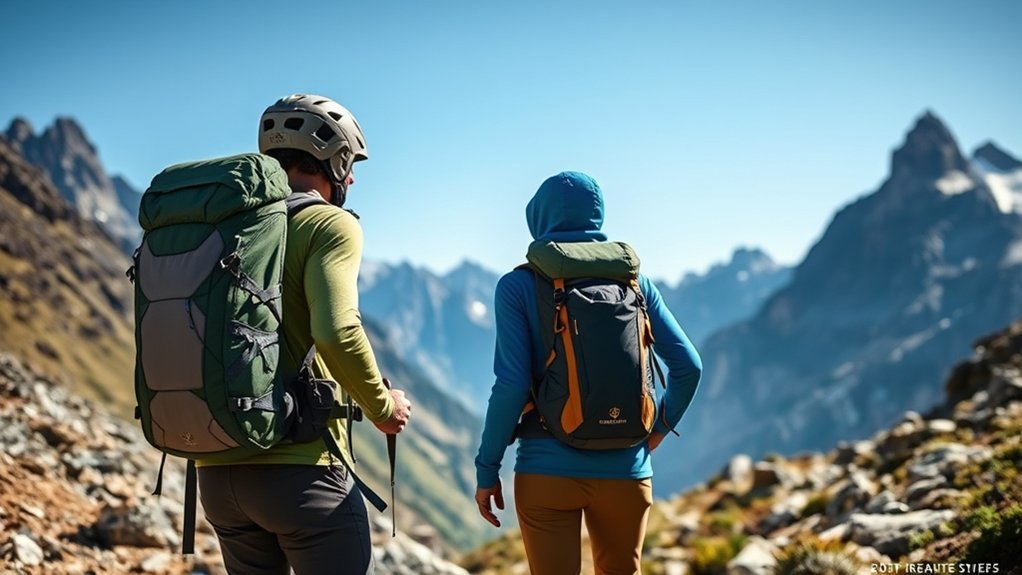
A hardshell backpack uses one or more rigid or molded exterior panels to help the bag keep its shape. Depending on the model, those panels may be made from polycarbonate, ABS, polypropylene, polyethylene, molded EVA foam, or a composite material.
The term is not standardized. Some backpacks have a nearly full rigid shell, while others are hybrid designs with one molded front panel and a flexible fabric body. For example, Pelican describes its Aegis pack as combining an EVA-molded front shell with CORDURA fabric. Checking the actual shell coverage is therefore more useful than relying on the product name alone.
Advantages of a Hardshell Backpack
- Better crush resistance: A rigid panel can spread pressure across a wider area and help protect contents when the backpack is squeezed in a crowded train, car trunk, or overhead compartment.
- Stable shape: The backpack keeps a structured form whether it is full or nearly empty.
- Easy-to-wipe surfaces: Smooth molded panels are usually easier to wipe clean than woven fabric.
- Professional appearance: Many hardshell and molded-panel designs have a streamlined look suited to commuting or business travel.
- Protection for specific compartments: Some models use a rigid panel around a laptop, glasses, camera, drone, or other vulnerable gear.
Limitations of a Hardshell Backpack
- Fixed packing space: A rigid body cannot stretch around an oversized jacket or irregular item.
- Limited compression: The backpack may not squeeze into a tight locker, under-seat space, or crowded storage compartment.
- Possible scratches or cracks: Smooth shells can show scuffs, and some rigid materials may crack after severe impact or aging.
- Fewer exterior pockets on some models: Open pockets and flexible access panels can be harder to integrate into a rigid surface.
- Model-dependent comfort: A stiff body may feel less natural against the wearer unless the backpack has a well-shaped harness and ventilated back panel.
Note: A rigid front panel does not automatically protect the bottom, sides, or back of a device. Look for dense padding and a laptop or camera compartment that prevents the gear from striking the base of the backpack.
What Is a Softshell Backpack?
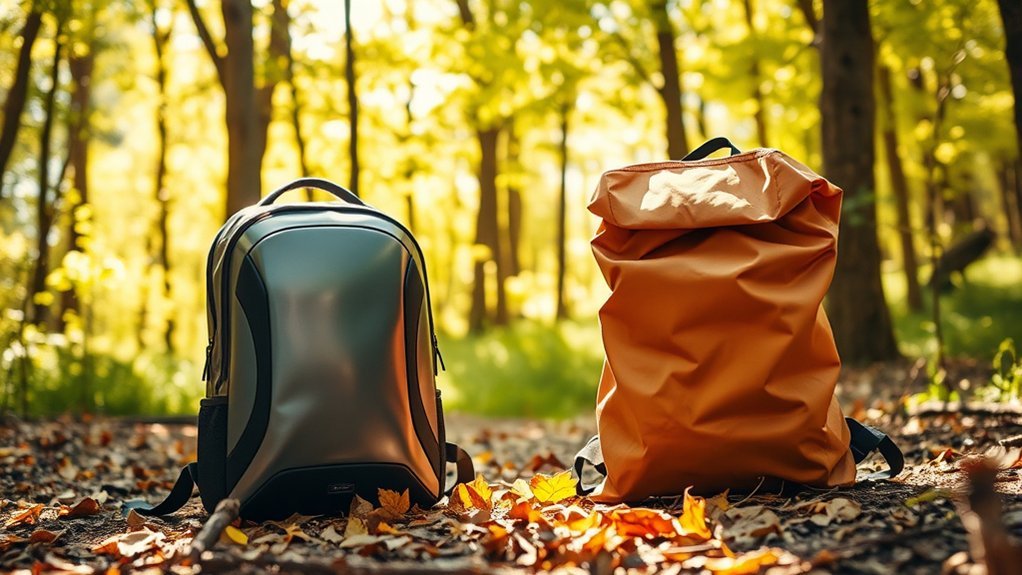
A softshell backpack uses woven fabric as its main exterior structure. Common materials include polyester, canvas, standard nylon, ripstop nylon, ballistic nylon, and branded performance fabrics such as CORDURA.
Fabric construction allows the bag to bend, compress, and adapt to its load. This makes softshell backpacks common for school, commuting, hiking, travel, cycling, and everyday carry. Many also include bottle pockets, compression straps, hydration sleeves, gear loops, and several access compartments.
| Feature | What It Means |
| Material | Flexible polyester, nylon, canvas, ballistic nylon, or another woven fabric |
| Packing | Can compress when partly empty and adapt to some irregularly shaped items |
| Organization | Often includes exterior pockets, stretch panels, straps, and gear loops |
| Comfort | Depends on the harness, padding, torso fit, load support, and back-panel ventilation |
| Protection | Relies mainly on foam, padded sleeves, internal frames, and reinforced panels |
Quality softshell fabric can still be highly durable. CORDURA Classic Fabric, for example, is designed for tear strength, abrasion resistance, and water repellency. CORDURA Ballistic Fabric uses densely woven high-tenacity nylon for enhanced resistance to tearing and abrasion.
Those fabric properties do not determine the entire backpack’s performance. Stitching, seam construction, zipper quality, coatings, frame design, and reinforcement at high-stress points remain important.
At a Glance: Hardshell vs. Softshell Backpack
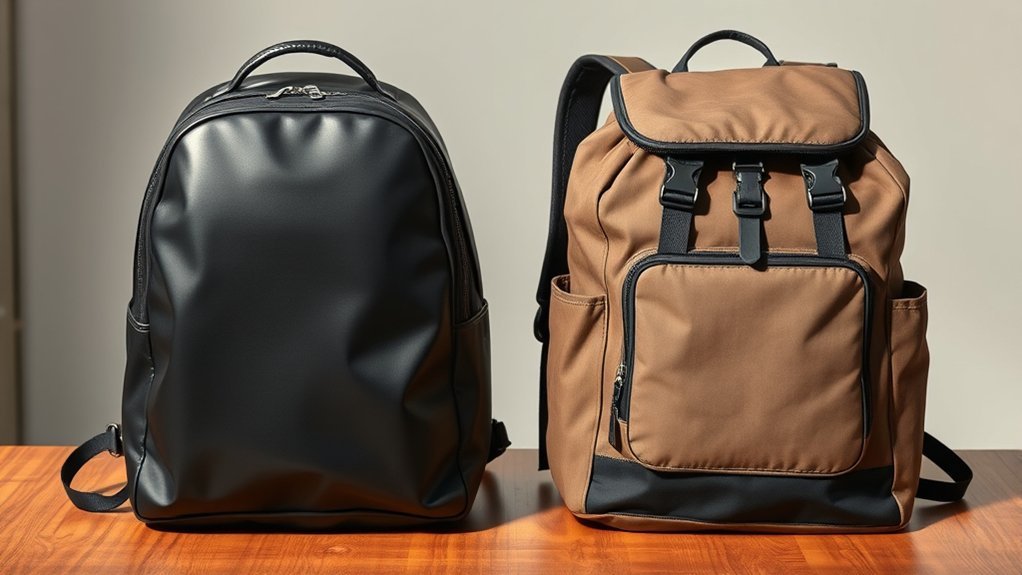
Neither construction is best in every category. Use the following comparison as a starting point, then confirm the specifications of the individual backpack.
At a Glance
| Decision Factor | Hardshell vs. Softshell |
| Crush Protection | Hardshell usually has the advantage where rigid panels provide full coverage. Softshell performance depends more heavily on padding and inserts. |
| Drop Protection | Neither wins automatically. Dense padding, secure dividers, corner protection, and a suspended device sleeve are critical. |
| Rain Protection | Varies by model. A rigid panel may not absorb water, but seams, zippers, and fabric sections can still leak. Verified waterproof construction matters more than shell type. |
| Weight | Softshell models are often lighter at the simple end of the market, but heavily padded fabric packs can outweigh streamlined molded designs. Compare listed weights. |
| Capacity Flexibility | Softshell usually compresses and adapts more easily. Hardshell volume and shape remain fixed. |
| Organization | Softshell often offers more stretch pockets and exterior access. Hardshell models may favor streamlined interior compartments. |
| Comfort | The better harness wins. Check torso fit, shoulder straps, sternum strap, back-panel ventilation, and load stability. |
| Visible Wear | Rigid shells may show scratches and scuffs. Fabric may show stains, abrasion, loose threads, or worn coatings. |
| Best General Use | Hardshell suits structured tech carry and crush-prone environments. Softshell suits changing loads, hiking, school, and broad everyday use. |
The outer shell is only one part of protection. A well-fitted padded compartment can matter more to a laptop or camera than the material on the opposite side of the backpack.
Which Backpack Is Better for Common Uses?
The best choice depends on what you carry, how far you carry it, and where the backpack will be stored.
- Outdoor adventures and hiking: Choose a technical softshell backpack with the correct torso fit, stable suspension, breathable back panel, hydration compatibility, compression straps, and suitable capacity. The fabric shell alone does not make a pack comfortable, so follow a proper backpack sizing and fit process.
- Photography and videography: Consider a hardshell, hybrid, or heavily padded camera backpack. Look for adjustable dividers, corner protection, secure closures, and a compartment that prevents equipment from shifting.
- Business travel: A structured hardshell or hybrid backpack can provide a professional appearance and resist crushing. A well-organized softshell can be equally practical when low weight, document pockets, and packing flexibility matter more.
- Daily commuting: A softshell is often the easiest all-round choice because it accommodates lunch, clothing, books, and changing daily loads. A molded-panel backpack is useful when crowded transportation places frequent pressure on a laptop or tablet.
- Wet-weather cycling or walking: Choose based on verified weather protection rather than shell type. Look for sealed seams, protected zippers, a roll-top closure, or a published water-resistance rating.
- Weekend travel: A softshell usually handles clothing and irregular items more easily. Compression straps can reduce bulk when the bag is partly empty.
- Frequent flights: Either style can work. A rigid backpack maintains its dimensions but cannot squeeze into a smaller space. A soft bag may fit more easily when lightly packed but can exceed airline limits when overfilled.
Pro Tip: Load the backpack with the weight you normally carry and wear it for at least 10 to 15 minutes. Check for shoulder pressure, movement while walking, poor ventilation, difficult bottle access, and contact between the contents and your lower back.
Warning: Do not rely on a rigid shell alone for an expensive laptop, camera, or drone. Use a correctly sized padded compartment or protective insert, and confirm that the device cannot strike the bottom or move around inside the bag.
Buyer’s Guide: 7 Things to Check Before You Buy
Look beyond the words “hardshell” and “softshell.” The following details have a greater effect on real-world performance.
| Factor | Hardshell or Hybrid | Softshell |
|---|---|---|
| Construction | Check shell material, thickness, coverage, flex, and hinge areas. | Check fabric type, denier, weave, coatings, seams, and reinforced stress points. |
| Device Protection | Confirm that the rigid panel covers the device compartment and that padding protects the bottom and corners. | Look for dense foam, a suspended sleeve, secure dividers, and minimal device movement. |
| Weather Protection | Inspect seams, flexible side panels, access openings, and zippers—not only the molded surface. | Check coatings, seam sealing, closures, included rain cover, and published ratings. |
| Comfort | A shaped harness and ventilated back panel help prevent the rigid body from feeling awkward. | Evaluate torso fit, strap shape, padding, frame support, and load transfer. |
| Size and Weight | Measure the fixed exterior dimensions and compare the empty weight. | Measure the bag while packed because flexible sides can bulge beyond listed dimensions. |
| Access and Organization | Clamshell access and structured compartments may simplify packing. | Exterior pockets, stretch panels, compression straps, and gear loops may improve quick access. |
| Warranty and Repair | Check whether cracked panels, hinges, straps, and zippers can be repaired or replaced. | Check repair coverage for torn fabric, worn coatings, buckles, straps, and zipper failures. |
1. Inspect the Complete Construction
Do not judge a hardshell backpack by one molded panel or a softshell backpack by a fabric brand name. Examine the bottom, sides, back, seams, zipper tracks, handles, strap anchors, and areas that bend when the bag opens.
2. Check the Laptop or Camera Compartment
A good device compartment should fit closely enough to limit movement without putting pressure on the device. A suspended sleeve leaves space between the device and the bottom of the backpack. Camera bags should have secure dividers and padding around the corners and lenses.
3. Confirm the Weather Rating
Terms such as “water-repellent,” “weather-resistant,” and “waterproof” are not interchangeable. A genuinely waterproof backpack may use sealed seams, protected or coated zippers, roll-top closures, and a published test rating. Deuter’s explanation of waterproof backpack construction, for example, specifically identifies sealed seams and coated closures rather than relying on the exterior material alone.
4. Compare Capacity and Packed Dimensions
Capacity is normally listed in liters, but two backpacks with the same capacity can have very different shapes. Check whether your laptop, camera insert, clothing, lunch container, and water bottle fit without distorting the bag.
For flights, compare the fully packed exterior measurements with the operating airline’s current limits. A hardshell cannot compress to fit a tight space, while an overfilled softshell can expand beyond its listed dimensions.
5. Evaluate Fit While Loaded
Check shoulder-strap shape, sternum-strap position, back-panel ventilation, torso length, and hip-belt support where applicable. A lightweight backpack that fits poorly can be less comfortable than a heavier model with a better harness.
6. Test Access and Organization
Think about when you need each item. Commuters may need quick access to a transit pass, keys, bottle, and laptop. Travelers may prefer a clamshell opening. Hikers may need bottle pockets, hip-belt pockets, compression straps, trekking-pole attachments, and hydration compatibility.
7. Review the Warranty and Return Policy
Rigid panels can be difficult to repair after cracking, while fabric damage may require patching or stitching. Check whether the manufacturer supplies replacement buckles, straps, zipper pulls, frames, or other parts. A practical return period is also valuable because comfort is difficult to judge without carrying the backpack under a realistic load.
Are Hardshell or Softshell Backpacks Waterproof?
Neither type is automatically waterproof. A molded plastic panel may shed water, but rain can still enter through zipper tracks, stitching, access flaps, unsealed seams, or fabric sections.
REI notes that even backpacks made from waterproof material may have unsealed seams and water-resistant zippers that eventually allow moisture inside. Its rain protection guidance recommends additional protection such as a rain cover, internal pack liner, dry sack, or waterproof electronics case when moisture-sensitive gear must stay dry.
- Light rain: A water-resistant backpack may be sufficient for short exposure.
- Steady or heavy rain: Use a rain cover or waterproof liner unless the complete backpack has verified waterproof construction.
- Electronics: Put laptops, cameras, batteries, and documents in a protected internal sleeve, dry bag, or waterproof case.
- Immersion: Do not assume a backpack can be submerged unless its manufacturer explicitly provides an immersion rating.
Comfort, Fit, and Carrying Performance
Shell material has less effect on long-term comfort than the carrying system. The best backpack should match your torso, hold the load close to your body, and prevent the contents from shifting while you move.
Check these features:
- Shoulder straps that follow the shape of your upper body without rubbing your neck.
- An adjustable sternum strap that stabilizes the shoulder straps without restricting breathing.
- A ventilated or channeled back panel for warm conditions.
- A hip belt on larger packs to transfer part of the load away from the shoulders.
- Compression straps that reduce load movement.
- A firm but comfortable back panel that prevents hard objects from pressing against you.
For hiking packs, torso length matters more than overall height. For commuter packs, confirm that the bottom does not hang too low and that the device compartment remains stable while walking or cycling.
Durability, Repair, and Maintenance
Hardshell and softshell backpacks fail in different ways. A rigid shell may resist tears but collect scratches or crack after a severe impact. Fabric may flex through repeated use but can abrade, stain, tear, or lose its water-repellent coating.
Zippers, strap anchors, buckles, stitching, and handles often receive more stress than the main shell. Inspect these parts regularly, especially after flights, long hikes, or heavy daily use.
How to Clean a Hardshell or Hybrid Backpack
- Read the manufacturer’s care instructions before using soap or water.
- Empty every compartment and remove detachable accessories.
- Wipe molded panels with a soft damp cloth and a small amount of mild soap if permitted.
- Clean fabric sections and zipper areas gently rather than soaking the entire backpack.
- Remove soap residue with a clean damp cloth.
- Open the compartments and let the backpack air-dry away from direct heat and strong sunlight.
How to Clean a Softshell Backpack
- Empty the backpack and shake or vacuum loose dirt from seams and pockets.
- Follow the care label because some packs can be submerged and others cannot.
- Use lukewarm water, mild soap, and a soft sponge or brush.
- Avoid bleach, harsh stain removers, hot water, and aggressive scrubbing that could damage coatings.
- Rinse or wipe away all soap residue as directed by the manufacturer.
- Air-dry the backpack in the shade with its compartments open.
REI’s backpack cleaning guidance advises against using a washing machine or dryer and recommends lukewarm water, gentle cleaning, and drying away from direct sunlight.
Frequently Asked Questions
Can hardshell backpacks be used for everyday commuting?
Yes. A hardshell or hybrid backpack can work well for commuting when you carry a laptop or travel through crowded areas where the bag may be squeezed. Check the empty weight, back-panel ventilation, shoulder straps, pocket access, and fixed exterior dimensions before buying.
Are softshell backpacks waterproof or water-resistant?
Most ordinary softshell backpacks are water-resistant rather than waterproof. Coated fabric may handle light rain, but unsealed seams and zipper openings can leak. Use a rain cover, internal liner, or dry bag in heavy rain unless the manufacturer provides a verified waterproof rating.
How do I clean and maintain my backpack?
Follow the manufacturer’s care label first. In general, empty the bag, remove loose debris, clean it gently with lukewarm water and mild soap, and air-dry it away from direct heat and sunlight. Do not use a washing machine or dryer unless the manufacturer specifically allows it.
What materials are commonly used in hardshell backpacks?
Rigid or molded panels may use ABS, polycarbonate, polypropylene, polyethylene, molded EVA foam, or composite materials. Many products are hybrids that combine a molded panel with a nylon or polyester fabric body.
Can I attach extra gear to a softshell backpack?
Yes, when the backpack includes suitable compression straps, daisy chains, loops, or reinforced attachment points. Keep attached items balanced and secure. Loose gear can swing, snag branches, or change the way the backpack carries.
Is a hardshell backpack always better for a laptop?
No. A rigid shell can improve crush resistance, but a quality softshell backpack may protect a laptop well with dense padding, a suspended sleeve, reinforced corners, and a close fit. Compare the complete device compartment rather than the exterior alone.
Which type is better for airline carry-on use?
Either type can work when its fully packed dimensions meet the airline’s limit. A hardshell keeps a predictable shape but cannot compress. A softshell can fit into tight spaces when lightly packed, but it may bulge beyond the permitted dimensions when overfilled.
Conclusion
A hardshell backpack is the stronger choice when you need a fixed shape and added resistance to crushing around sensitive gear. A softshell backpack is usually better when you value flexible capacity, exterior organization, compression, and broad everyday or outdoor use.
The shell label should not make the final decision. Compare the complete construction, internal padding, fit, weather protection, weight, capacity, access, warranty, and packed dimensions. A well-designed softshell can protect electronics better than a poorly padded rigid bag, while a hybrid backpack can combine a molded protective panel with the convenience of flexible fabric.
Sources
- REI Co-op: How to Choose a Backpack — backpack capacity, features, suspension, ventilation, and torso fit.
- REI Co-op: Tips for Backpacking in the Rain — seams, zipper leakage, rain covers, liners, and dry-bag protection.
- REI Co-op: How to Wash a Backpack — manufacturer care instructions, gentle cleaning, and air-drying guidance.
- CORDURA: Classic Fabric — tear strength, abrasion resistance, fabric construction, and water repellency.
- CORDURA: Ballistic Fabric — woven nylon construction and resistance to abrasion and tearing.
- deuter: Waterproof Backpacks and Bags — sealed seams, coated closures, water-column ratings, and tested splash protection.