
Last Updated on September 10, 2026 by Daniel Globe
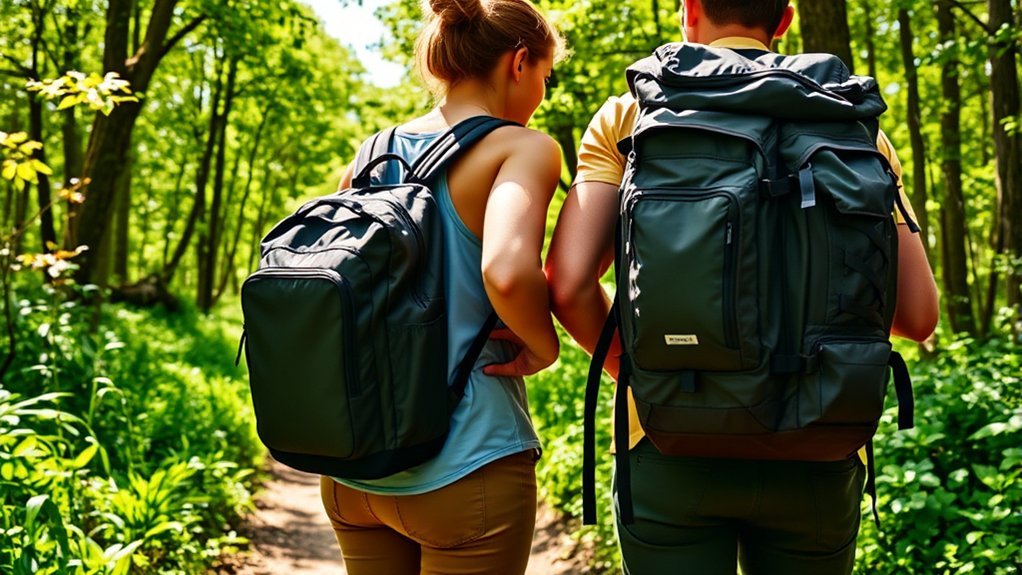
A daypack and a backpacking pack may look similar, but they are built for different jobs. A daypack is a smaller type of backpack made for a few hours or one day out. A backpacking pack adds more capacity, structure, and load support for overnight or multi-day trips. The best choice depends on your gear, route, weather, and fit.
Quick Answer
Choose a daypack for commuting, sightseeing, and most day hikes when you only need water, food, layers, and basic safety gear. Choose a backpacking pack when you must carry a sleep system, shelter, cooking equipment, or several days of food. Fit and load support matter more than the label alone.
Key Takeaways
- A daypack is a small backpack, not a completely separate bag category.
- Many daypacks fall around 10 to 35 liters, while backpacking packs commonly start around 30 to 45 liters and extend beyond 70 liters.
- A frame, padded hip belt, adjustable torso, and load lifters become more important as weight and trip length increase.
- Capacity ranges are guidelines, so test the pack with realistic gear before buying.
Disclosure: As an Amazon Associate I earn from qualifying purchases. Some links on this page are affiliate links, at no extra cost to you.
Understanding Daypacks and Backpacks
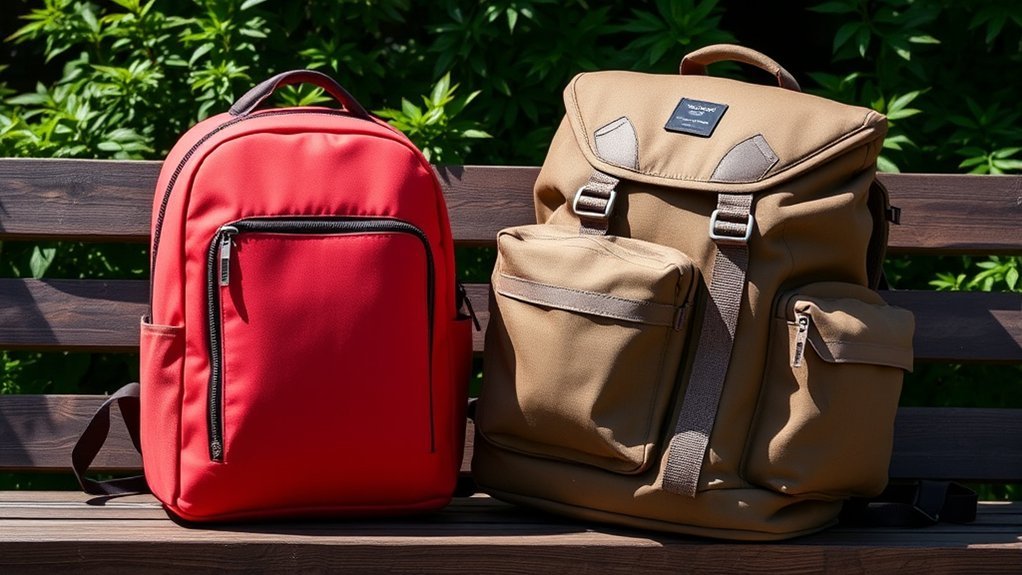
A daypack is a compact backpack intended for short outings. It often carries water, snacks, a light layer, a camera, and basic emergency items. Some are frameless and minimalist, while others include a frame sheet, ventilation, a sternum strap, or a light hip belt.
A backpacking pack is designed to carry bulkier and heavier gear for overnight or multi-day travel. It commonly includes a structured suspension, a padded load-bearing hip belt, torso adjustment, compression straps, and several ways to organize or reach gear. Most modern backpacking packs use an internal frame, although frameless and external-frame designs still exist.
A daypack is a backpack. The useful comparison is a compact daypack versus a load-supporting backpacking pack.
Key Differences Between Daypacks and Backpacks

The main differences are capacity, suspension, intended load, and trip length. Features such as top, panel, side, or bottom access vary by model, so access style alone does not define either category.
| Feature | Daypack | Backpacking Pack |
|---|---|---|
| Typical capacity | About 10–35 L | About 30–80+ L |
| Best use | Commuting, sightseeing, day hikes, short bike rides | Overnight hiking, multi-day trekking, winter trips, gear-heavy travel |
| Load support | Minimal to moderate | Moderate to substantial |
| Frame | Often frameless or supported by a light frame sheet | Usually an internal frame; some models are frameless or external-frame |
| Hip belt | May be absent, removable, or lightly padded | Usually padded and designed to transfer weight to the hips |
| Pack weight | Usually lighter, but varies widely | Usually heavier because of added structure and features |
Note: Pack volumes are not universal cutoffs. A minimalist overnight setup may fit in a small pack, while cold weather, family gear, or bulky equipment can require much more space.
Size and Capacity
Capacity should match the actual bulk of your gear. For backpacking, REI’s pack-sizing guidance places many 1- to 3-night trips in the 30- to 50-liter range, 3- to 5-night trips in the 50- to 80-liter range, and trips of five or more nights around 70 liters or larger. These are planning ranges, not rules.
- 10–20 L: Short walks, running, cycling, or light urban use.
- 20–35 L: Longer day hikes, travel days, camera gear, extra layers, and more water.
- 30–50 L: Minimalist overnights or short warm-weather backpacking trips.
- 50–80+ L: Multi-day, winter, family, or gear-heavy trips.
Do not buy a larger pack only because it offers more room. Extra space can encourage overpacking, while a pack that is too small may force you to hang essential gear outside where it can shift, snag, or get wet.
Comfort and Features
Fit matters for every pack, including a small daypack. The difference is that poor fit becomes more noticeable as the load gets heavier or the miles increase. Useful features may include:
- Daypack features: hydration sleeve, side bottle pockets, breathable back panel, laptop sleeve, trekking-pole loops, and quick-access pockets.
- Backpacking features: adjustable torso, padded hip belt, load lifters, compression straps, sleeping-bag compartment, removable lid, and large external pockets.
- Access options: top-loading, clamshell, panel, side-zip, or bottom access. Choose the layout that matches how you pack.
- Ventilation: mesh or suspended back panels can reduce heat buildup, although no design eliminates sweat.
When to Choose a Daypack
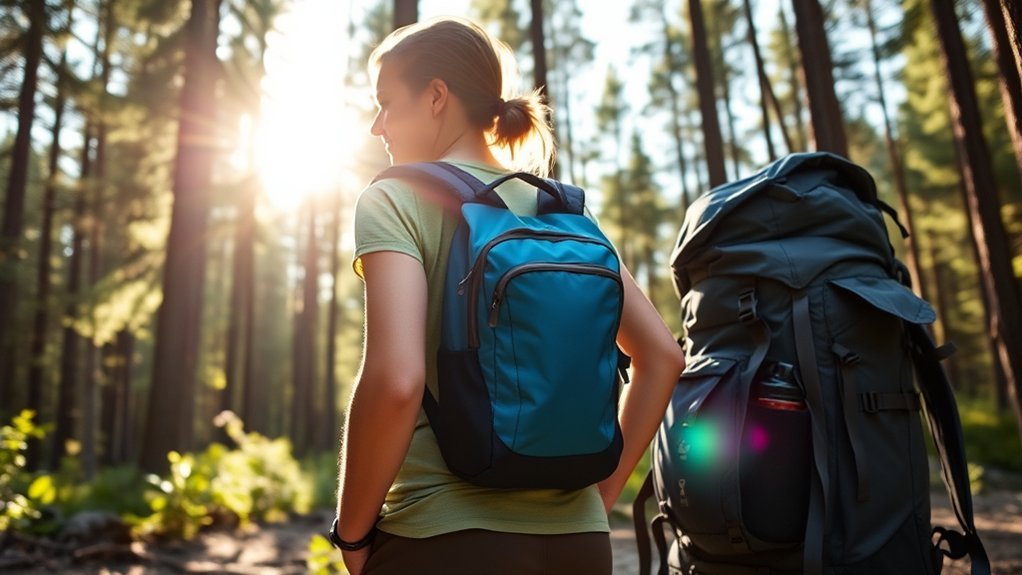
Choose a daypack when the trip ends the same day and your gear list is compact. It is usually the better choice for:
- Day hikes: Water, food, navigation, sun protection, first aid, insulation, and emergency supplies.
- Daily commutes: A laptop, charger, lunch, light jacket, and small personal items.
- Sightseeing: A camera, water bottle, travel documents, rain shell, and snacks.
- Short bike rides or trail runs: A low-volume pack or hydration pack that stays close to the body.
- Summit trips from camp: A removable daypack or compact pack for carrying essentials away from a base camp.
For outdoor trips, pack size should never replace trip planning. The National Park Service Ten Essentials include navigation, sun protection, insulation, illumination, first aid, fire, repair tools, extra food, water, and emergency shelter.
Warning: A short hike can still become an emergency because of injury, weather, route changes, or delay. Do not choose such a small daypack that you must leave essential water, layers, lighting, or first-aid supplies behind.
When to Choose a Backpack
Choose a backpacking pack when you need to carry shelter, a sleeping bag and pad, cooking gear, extra clothing, water treatment, or several days of food. A supportive pack is especially helpful for:
- Overnight hikes: A 30- to 50-liter pack may work for compact warm-weather gear.
- Multi-day trips: A 50- to 80-liter pack gives more room for food, fuel, clothing, and shared equipment.
- Winter travel: Insulated clothing, a warmer sleep system, and winter equipment add bulk.
- Family or group trips: One person may need to carry shared shelter, cookware, or a child’s gear.
- Technical or remote routes: Extra safety, navigation, repair, and weather gear may justify more capacity and stronger load support.
The National Park Service hiking-safety guide also recommends planning for weather, communications, water, food, and overnight equipment rather than relying on a phone or the expected trip duration alone.
Comfort and Fit Considerations
A comfortable pack should match your torso and hold the load close to your body without limiting breathing or movement. Height alone does not determine pack size. For a precise fit:
- Measure torso length. Measure from the C7 vertebra at the base of the neck to the level of the iliac crest at the top of the hip bones.
- Position the hip belt. A load-bearing belt should wrap the hip bones rather than sit only around the waist.
- Check shoulder contact. The shoulder straps should follow the shoulder shape without a large gap or pressure point.
- Set the sternum strap. It should stabilize the shoulder straps without restricting breathing.
- Adjust load lifters. On packs that have them, these straps help bring the upper load closer and shift pressure between the shoulders and hips.
- Walk with realistic weight. Move, bend, climb stairs, and check for rubbing, bouncing, numbness, or hot spots.
Gregory’s fit guide recommends trying a pack with 10 to 20 pounds inside and checking torso length, hip-belt position, shoulder-strap wrap, and breathing before choosing a size.
Pro Tip: Bring the bulkiest items you expect to carry, or use store-provided weights. A pack that feels comfortable empty can fit very differently once the frame and hip belt are working under load.
Materials and Durability
Material names alone do not tell you how long a pack will last. Fabric weight, weave, coating, stitching, zipper quality, reinforcement, and intended load all affect durability. A lightweight daypack can be very well made, while a heavy pack can still fail if it is overloaded or poorly constructed.
Material Types Explained
- Nylon: Common in hiking packs because it can offer a strong balance of weight, abrasion resistance, and flexibility.
- Polyester: Common in travel, school, and outdoor packs; performance depends on fabric weight and construction.
- Ripstop fabric: Uses a reinforcing grid that can help limit the spread of small tears, but it is not puncture-proof.
- Canvas: Durable and stylish for casual use, but often heavier and slower to dry than many synthetics.
- Leather accents: Add structure and appearance but also add weight and may require special care.
Numbers such as 210D or 420D describe yarn thickness, but a higher denier does not automatically mean a better pack. Compare the full design, especially the bottom panel, shoulder-strap anchors, seams, and zippers.
Durability Considerations
Look for reinforced stress points, smooth-running zippers, secure buckles, bar-tacked webbing, and a bottom panel that suits the surfaces you use. Also check the manufacturer’s load guidance, warranty, repair service, and replacement-part availability.
For rough terrain, avoid dragging the pack over rock, overloading external mesh, or carrying sharp items without protection. Store it clean and dry, and repair small seam or fabric damage before it spreads.
Weight vs. Strength
There is no universal rule that a daypack weighs 1 to 2 pounds or that every backpacking pack exceeds 3 pounds. Ultralight backpacking packs can weigh less than heavily featured daypacks, and camera or technical daypacks can be relatively heavy. Compare pack weight with:
- The load you expect to carry.
- The amount of structure and padding you need.
- The durability of high-wear areas.
- The weather protection and organization you value.
- Your willingness to trade features for lower weight.
The best balance is the lightest pack that comfortably supports your real load and is durable enough for your use.
How to Choose the Right Pack
- List your usual trips. Separate commuting, day hiking, overnight trips, and multi-day travel.
- Lay out your gear. Include water, food, clothing, safety items, shelter, and seasonal extras.
- Estimate capacity. Use the smallest range that holds the gear without overstuffing.
- Choose the suspension. The heavier the load, the more useful a frame, torso adjustment, padded hip belt, and load lifters become.
- Check access and organization. Decide whether you prefer a simple main compartment or more pockets and entry points.
- Test fit under load. Wear the pack long enough to notice slipping, pressure, or restricted movement.
- Check dimensions for travel. Airline carry-on limits vary, so compare the packed dimensions with the current rules for your airline and fare.
Weather Resistance and Rain Protection
Most daypacks and backpacking packs are water-resistant, not fully waterproof. Coated fabric may shed light rain, but water can still enter through zippers, seams, openings, or prolonged saturation.
- Use a fitted rain cover for routine rain protection.
- Use a pack liner or dry bags for sleeping gear, electronics, medication, and other items that must stay dry.
- Close zippers fully and keep vulnerable items away from exterior pockets in bad weather.
- Dry the pack completely before storage to reduce odor, mildew, and coating damage.
Note: “Waterproof fabric” does not always mean the complete pack is waterproof. Seams, closures, and construction determine whether water can reach the contents.
Cleaning and Maintenance
Always follow the care label or manufacturer instructions for your model. A safe general routine is to empty the pack, shake out dirt, remove detachable parts, and clean soiled areas with mild soap, warm water, and a soft sponge or brush. Rinse away soap and air-dry the pack in a well-ventilated area out of direct sunlight.
Osprey’s backpack-care instructions advise hand cleaning with mild soapy water, thorough rinsing, and air drying, and they caution against machine washing most technical packs. Some specialty products are machine washable, so the product-specific label should take priority.
- Clean mud, sweat, salt, and food spills before long-term storage.
- Brush dirt from zipper teeth and inspect buckles and webbing.
- Do not store the pack damp or compressed under heavy objects.
- Clean hydration reservoirs separately and let all parts dry fully.
- Repair small tears and loose stitching before the next trip.
Frequently Asked Questions
Can daypacks fit a hydration reservoir?
Yes. Many daypacks include an internal hydration sleeve, a hose port, and shoulder-strap routing. Check the maximum reservoir size and make sure the full reservoir leaves enough room for the rest of your gear.
Are daypacks suitable for overnight trips?
Sometimes. A larger daypack may hold a compact warm-weather sleep system and minimal gear, but most people will be more comfortable with a backpacking pack that has better load support. Never omit essential safety gear just to make everything fit.
Do backpacks come with a hip belt?
Many do, but the design varies. Small daypacks may have no belt or only a thin stabilizing strap. Backpacking packs usually use a padded hip belt that helps transfer part of the load from the shoulders to the hips.
How do you clean and maintain a daypack?
Follow the product label. In general, empty the pack, brush out debris, hand-clean it with mild soap and warm water, rinse it well, and air-dry it away from direct heat and strong sunlight. Do not machine wash a technical pack unless the manufacturer specifically allows it.
What colors and styles are available for daypacks?
Daypacks come in bright trail colors, neutral travel colors, minimalist commuter styles, hydration-focused designs, camera layouts, and technical hiking models. Choose visibility, pocket layout, and fabric based on where you will use the pack.
Is a daypack the same as a backpack?
A daypack is a type of backpack. The word “backpack” describes the broad category, while “daypack” usually means a smaller pack intended for a single day or a light everyday load.
What size daypack is best for hiking?
For many hikers, 20 to 30 liters offers a practical balance for water, food, layers, and emergency items. Short, mild-weather outings may need less, while winter, desert, photography, or family trips may require more.
Conclusion
Choose a daypack when you value light weight, quick movement, and enough room for a single day’s essentials. Choose a backpacking pack when you need to carry shelter, sleep gear, food, and a heavier load for one or more nights. Capacity is only the starting point: the right pack must also fit your torso, support the expected weight, protect your gear, and suit the way you travel.
Sources
- REI — How to Choose a Backpack — backpacking capacity ranges, frame types, features, and fit.
- U.S. National Park Service — Ten Essentials — minimum emergency and safety items for outdoor trips.
- U.S. National Park Service — Hike Smart — trip planning, weather, water, communications, and overnight gear.
- Gregory — Pack Fit & Sizing Guide — torso measurement, hip-belt position, shoulder fit, and weighted try-on guidance.
- Osprey — How to Clean Your Backpack — hand cleaning, rinsing, drying, and machine-washing cautions.

