Last Updated on August 26, 2026 by Caleb Warren
Choosing between a top-loader and front-loader backpack mostly comes down to how you use the bag. Front-loading, or panel-loading, backpacks are usually easier to organize and unpack during travel, while top-loaders remain popular for hiking because they can be simple, adaptable, and easy to pack vertically. Neither design is automatically lighter, safer, more comfortable, or more waterproof; those qualities depend on the specific backpack.
Quick Answer
For most city, hostel, and business travel, a front-loading backpack is easier to pack because the main compartment opens widely like a suitcase. A top-loader can be the better choice for hiking, lightweight packing, or trips where a simple vertical compartment and weather-resistant roll-top or lid design suit your gear better.
Key Takeaways
- Front or panel access gives you a wide view of the main compartment, making it convenient for clothing, packing cubes, electronics, and frequent unpacking.
- Top access works well when you pack vertically and keep frequently used gear near the top or in external pockets.
- Opening style alone does not determine comfort. Torso fit, hipbelt fit, suspension, load placement, and total weight matter more.
- A lockable zipper can discourage casual opening, but no ordinary backpack should be considered theft-proof.
- For air travel, check the backpack’s actual external dimensions, not only its liter capacity, against your airline’s current rules.
Disclosure: As an Amazon Associate I earn from qualifying purchases. Some links on this page are affiliate links, at no extra cost to you.
Top-Loader vs Front-Loader Backpack: Quick Comparison
| Feature | Top Loader | Front / Panel Loader |
| Main access | Opening at the top; may use a drawcord, lid, zipper, or roll-top | U-, J-, or clamshell-style zipper opens a large section of the bag |
| Organization | Works best when frequently used items stay near the top or in external pockets | Easy to see clothing, packing cubes, and compartment contents at once |
| Typical strength | Simple vertical packing and strong hiking-oriented designs | Convenient packing and unpacking for travel |
| Weather resistance | Some roll-top designs provide a weather-resistant closure | Depends heavily on zipper, flap, seam, and fabric construction |
| Security | Varies by closure and pocket design | Some travel models provide lockable zipper sliders |
| Best fit | Hiking, trekking, climbing, simple packing | City travel, hostels, business trips, frequent unpacking |
Note: These are design tendencies, not fixed rules. Many modern backpacks combine top access with front, side, or bottom zippers, giving you the benefits of both systems.
The Problem With Top-Loader Backpacks
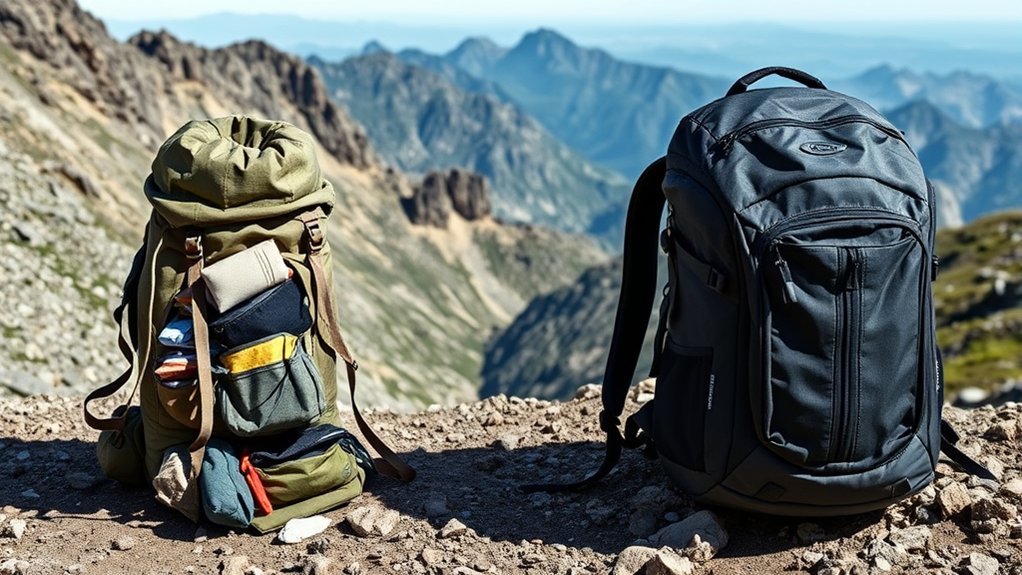
The main drawback of a traditional top-loading backpack is access. If the bag has one deep main compartment, items packed near the bottom may be difficult to reach without moving the gear above them. That can become inconvenient when you repeatedly need clothing, toiletries, chargers, or documents during a trip.
The issue is not tied to a particular capacity. A well-designed top-loader may include a lid pocket, hipbelt pockets, side pockets, bottom access, or a front zipper that makes gear much easier to reach. Packing strategy also matters: rarely used items can go deep inside, while frequently used gear stays near the top.
For hotel or hostel travel, however, a deep top-only compartment can require more unpacking than a panel-opening bag. Travelers who change accommodation frequently may therefore find a front-opening design more convenient.
Why Are Front-Loader Backpacks Better for Travel?
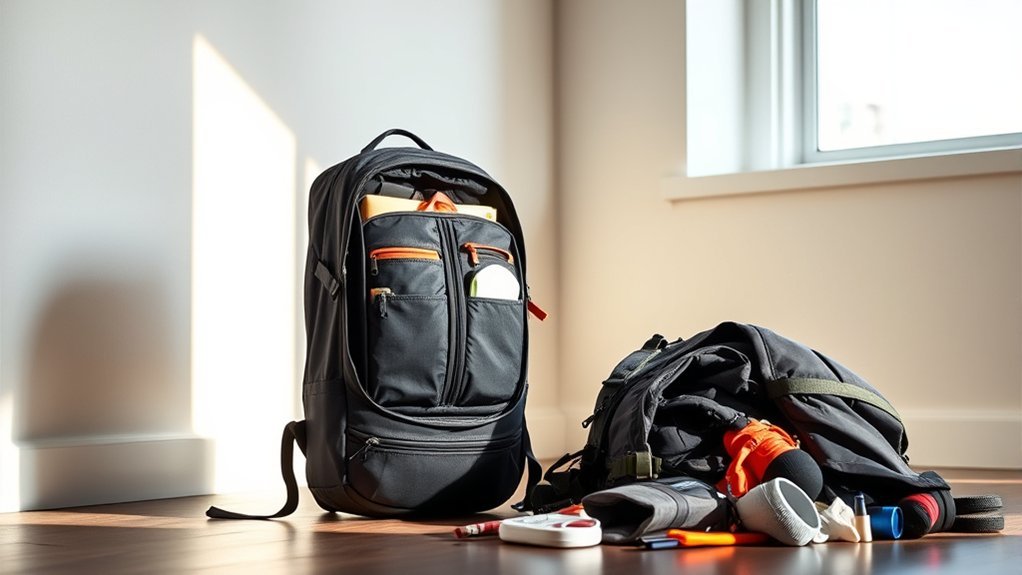
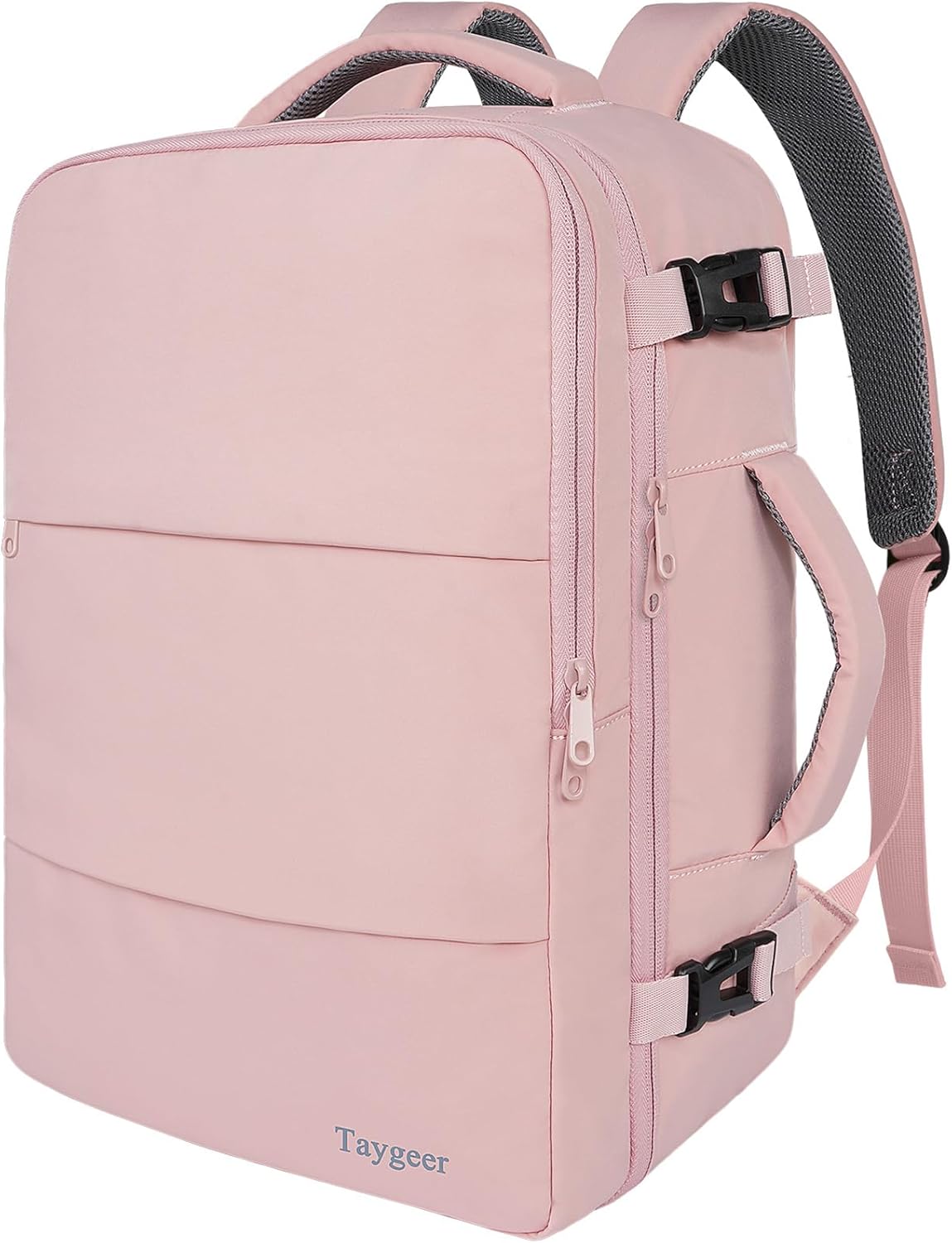
Front-loader backpacks, also called panel-loading backpacks, usually open through a large U-shaped, J-shaped, or clamshell zipper. REI notes that front-access packs make it easier to load the main compartment and search for gear, which is why the format works particularly well for travel and light hiking.
You can place the backpack on a bed or luggage rack and see much of the main compartment at once. That makes it easier to use packing cubes, separate clean and dirty clothing, reach electronics, and repack without pulling everything out.
Some travel-oriented front loaders also include interior compression straps, mesh dividers, laptop sleeves, and lockable zipper sliders. Those are useful features, but they are not present on every front-loading backpack, so compare the individual model rather than relying on the loading style alone.
Advantages of Front-Loading Backpacks
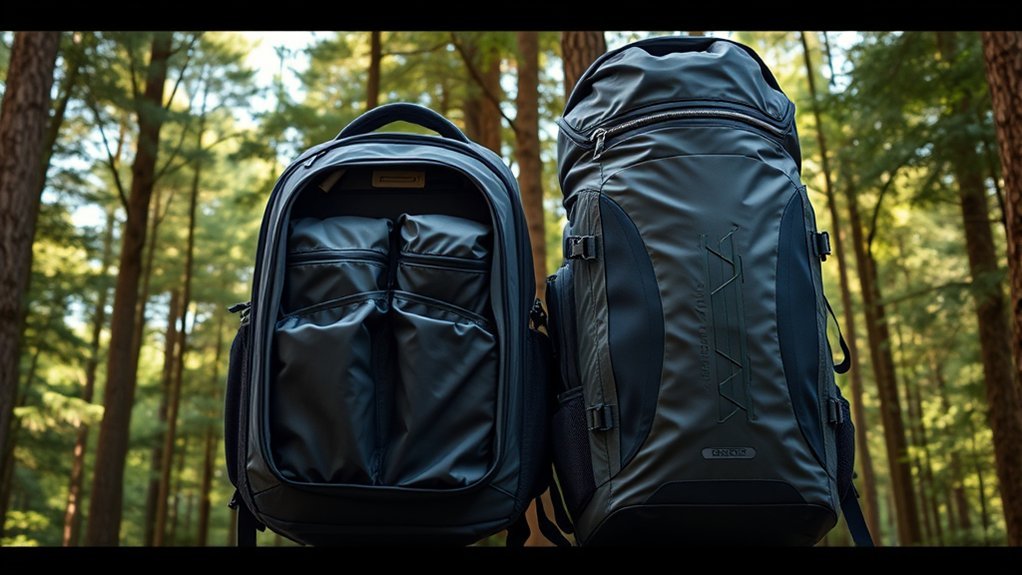
The main advantage of a front-loading backpack is visibility and access. A wide-opening main compartment lets you arrange clothing and equipment much like you would in a suitcase.
- Fast packing and unpacking: You can reach items across the compartment without digging downward through layers of gear.
- Good packing-cube compatibility: Rectangular packing cubes are easy to arrange and remove.
- Better visibility: It is easier to check whether you have forgotten an item before leaving a room.
- Travel-focused organization: Many models include document pockets, laptop sleeves, internal straps, and divided compartments.
- Optional lockable sliders: Some travel packs provide zipper sliders designed to accept a small luggage lock.
Front access can also help clothing stay organized because you do not have to repeatedly pull upper layers out to reach lower ones. Whether garments actually wrinkle less, however, depends more on how you fold, roll, compress, and pack them than on the opening alone.
Advantages of Top-Loading Backpacks
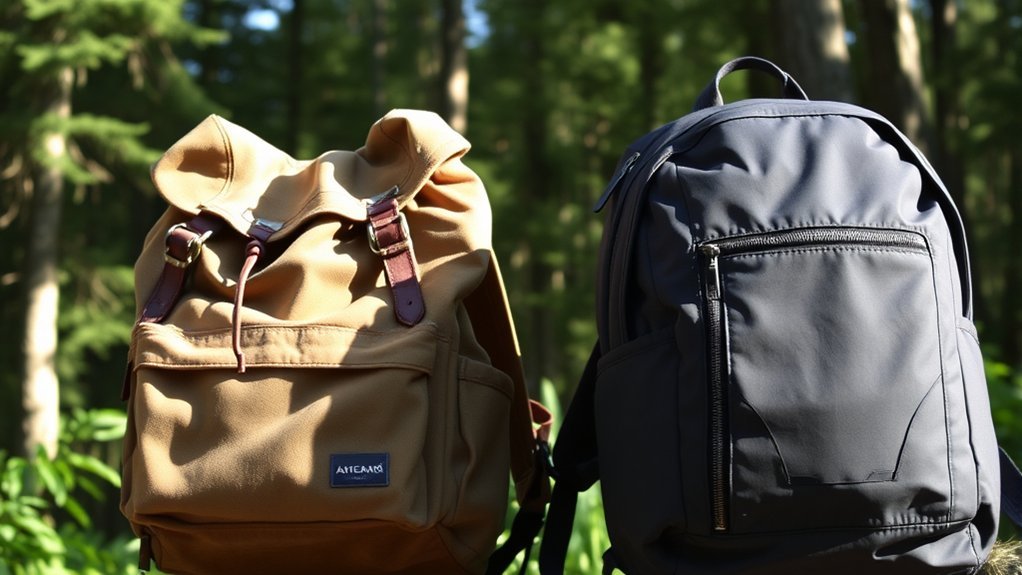
Top-loading backpacks remain popular for hiking, trekking, climbing, and lightweight travel. Their main compartment is usually packed vertically, and hikers can place equipment according to when they expect to need it.
Traditional top-loader designs may use a drawcord and lid, a zippered opening, or a roll-top. REI notes that roll-top construction can provide a more weather-resistant closure because water has a more difficult path through the folded opening. That does not automatically make the whole backpack waterproof, however.
- Simple main compartment: Useful for bulky clothing, sleeping systems, or irregular outdoor gear.
- Expandable designs: Floating lids and roll-tops may allow some flexibility when the load changes.
- Useful external storage: Side, lid, hipbelt, and stretch pockets can keep frequently used items accessible.
- Outdoor-oriented suspension: Many trekking packs are designed around load carrying, ventilation, and adjustable fit.
- Hybrid access: Some top-loading hiking packs now add a front, side, or bottom zipper for easier access to buried gear.
Pro Tip: With a top loader, pack items you will not need until camp near the bottom. Keep rain gear, snacks, water, maps, gloves, and other frequently used items near the top or in exterior pockets.
Choosing the Right Backpack
Choosing between a top-loader and front-loader starts with how you will actually use the backpack. Opening style matters, but capacity, suspension, fit, materials, and total weight can matter even more.
- Access and Organization: Choose panel access if you frequently unpack clothing, electronics, toiletries, or packing cubes.
- Outdoor Use: A top-loader can be excellent for hiking when you organize gear by when you will need it.
- Compartments: More compartments can improve separation, but too many small pockets can also make items harder to remember and find.
- Comfort and Fit: Measure torso length and hip size and try the backpack with realistic weight whenever possible.
- Weather Protection: Look at fabric, seams, zipper construction, roll-top design, raincover compatibility, and whether critical items need dry bags.
- Repair and Warranty: Check the manufacturer’s current policy rather than assuming every product from a brand has identical coverage.
Choose Capacity by Trip, Not Opening Style
Capacity should match what you carry rather than whether the bag opens from the top or front. REI’s current daypack guidance places roughly 21–35 liters in the sweet spot for many full-day hiking and travel uses. Packs around 36–40 liters can make sense for winter clothing, climbing equipment, family gear, or very compact overnight kits.
For backpacking, REI’s general guidance is approximately 30–50 liters for a weekend, 50–80 liters for three to five nights, and larger capacities for extended trips. Those numbers are starting points rather than rules because season, shelter size, food, water, and equipment bulk can change what you need.
Carry-On Size Matters More Than Liters
A 40-liter label does not guarantee that a backpack will qualify as cabin baggage. Two packs with the same volume can have different external dimensions because of frames, pockets, padding, and shape.
The Federal Aviation Administration advises passengers to check their airline’s current carry-on rules before packing. Airlines can impose their own size and item limits, and smaller aircraft may have limited overhead-bin space.
User Experiences and Preferences
Your preferred opening style depends heavily on your packing habits. Someone living out of a backpack for two weeks may value a large panel opening, while a hiker who removes only a few items during the day may be perfectly happy with top access.
Packing Ease Comparison
Front-loading backpacks are usually easier to treat like suitcases. The wide opening works especially well with folded clothing, packing cubes, toiletry bags, and electronics organizers.
- Most of the main compartment is visible at once.
- Packing cubes can be removed individually.
- You can repack without pulling out every upper layer.
- Clean and dirty clothing can be separated more easily when the bag includes internal dividers.
- Items are easier to inventory before checking out of a room.
A top loader can still be efficient when you pack in layers and reserve external pockets for frequently used gear.
Accessibility During Travel
During travel, frequent access often matters more than it does on a trail. A large panel opening makes it easier to retrieve an item from the middle or bottom of the bag without disturbing everything above it.
Top loaders work differently. If they have only one opening, organization depends more on packing order. Packing cubes, stuff sacks, dry bags, and separate laundry bags can make a major difference by allowing you to lift out one group of items instead of searching through loose clothing.
Personal Packing Styles
Ask yourself how you normally pack:
- If you like to see everything at once, a front loader will probably feel more natural.
- If you pack in layers and rarely need items from the bottom during the day, a top loader may work well.
- If you travel and hike with the same backpack, look for a hybrid design with top access plus a front, side, or bottom zipper.
- If you use several packing cubes, check that the main compartment’s shape accommodates them without wasting space.
- If you carry bulky outdoor equipment, prioritize usable compartment shape over the number of pockets.
Security Considerations
Neither loading style is automatically secure. What matters is the actual closure, zipper design, pocket placement, and how you handle valuables.
Theft Risk Assessment
A traditional drawcord top loader may be easy to open if its lid and buckles are left unsecured. A front-loading travel backpack may offer zipper sliders that accept a small lock. Other top-loading models use roll-tops, zipped lids, hidden pockets, or secondary closures that change the comparison completely.
In crowded stations, buses, airports, or hostels, keep passports, payment cards, phones, and other important items in controlled or concealed storage whenever practical. Avoid leaving valuables unattended simply because a backpack is locked.
Warning: Lockable zipper sliders are a deterrent, not a theft-proof system. Backpack fabric, zipper tracks, external pockets, and straps can still be vulnerable. Use a locker or other secure storage when appropriate and keep essential documents under your control.
Locking Mechanisms Comparison
Some front-loading travel packs include two zipper sliders with holes or loops that can be joined with a small luggage lock. Others provide a dedicated lock anchor. These features can make casual opening more difficult.
Top loaders vary more widely. A roll-top may buckle shut, a trekking pack may use a drawcord under a lid, and another model may use a conventional zipper. Compare the exact backpack rather than assuming one access style has better security.
Popular Brands and Guarantees
Warranty coverage can add value to a backpack, but policies differ significantly even among established outdoor brands.
- Osprey: Its current All Mighty Guarantee offers extensive repair or replacement support for qualifying packs, but some products have specific time limits or exclusions.
- The North Face: Its current Limited Lifetime Warranty covers qualifying branded products against manufacturing defects for the practical lifetime of the product. Normal wear, improper care, accidents, and misuse are excluded.
Do not choose a backpack based on a brand name or an arbitrary price threshold alone. Compare the fit, harness, stitching, zipper quality, materials, repair options, warranty terms, and whether the design actually suits your trips.
Mistakes Travelers Make When Buying Their First Backpack
One common mistake is choosing an opening style before considering the rest of the backpack. A convenient front panel cannot compensate for poor fit, and a lightweight top loader will not be comfortable if the torso length or hipbelt is wrong.
Other mistakes include:
- Buying too much capacity: Extra space often encourages overpacking.
- Ignoring external dimensions: Liter capacity alone does not determine whether a pack meets airline cabin rules.
- Assuming water-resistant means waterproof: Rain can enter through seams, zippers, openings, or saturated fabric.
- Buying without loaded testing: An empty backpack can feel very different once it carries 10–20 pounds or more.
- Assuming every warranty is lifetime replacement: Coverage terms and exclusions vary.
- Overvaluing security features: A small zipper lock should not replace careful handling of valuables.
Recommendations for Selecting a Backpack
Start with your primary activity. If most of your trips involve hotels, hostels, public transportation, and frequent unpacking, a front-loading travel backpack is usually convenient. If your priority is trekking or carrying outdoor equipment, compare top-loading and hybrid hiking packs with good suspension systems.
Assess Packing Style
Consider these factors before buying:
- Access Needs: Choose panel access if you frequently retrieve items from different parts of the bag.
- Trip Type: Match capacity and suspension to day hiking, travel, weekend backpacking, or longer trips.
- Organization: Decide whether you prefer built-in compartments or a simple main compartment with your own packing cubes and pouches.
- Weather: Evaluate the complete weather-protection system rather than one material or zipper.
- Carry-On Requirements: Compare actual packed dimensions with the airline’s current allowance.
- Hybrid Access: A top-loader with front or side access can be a strong option if you need both trail-oriented carrying and easier gear retrieval.
Test for Comfort
Opening style does not determine comfort. According to REI’s backpack-fitting guidance, torso length is a key sizing measurement, and the hipbelt should fit correctly so a substantial part of a heavier load can be supported around the hips.
When testing a backpack:
- Add weight similar to what you expect to carry.
- Check that the torso length matches your body.
- Position and tighten the hipbelt first.
- Adjust the shoulder straps so the backpack sits close without excessive pressure.
- Set the load lifters and sternum strap if the pack has them.
- Walk, climb stairs, bend, and move around before deciding.
A backpack that fits your body properly will usually matter more over a long day than whether its main zipper opens from the top or front.
Weather Resistance and Waterproofing
Do not assume that either loading style is waterproof. Manufacturers may use water-resistant fabrics, coated materials, weather-protected zippers, roll-top closures, taped or sealed seams, or removable raincovers, but each feature protects against moisture differently.
A roll-top can reduce direct water entry through the main opening, while a large panel zipper creates a longer potential entry path unless it is well protected. Even so, a well-designed front-loading pack may handle rain better than a poorly constructed top-loader.
For electronics, passports, sleeping bags, and other items that must stay dry, use waterproof internal protection such as a dry bag or waterproof liner when conditions justify it.
Frequently Asked Questions
Can You Use a Top Loader for Hiking?
Yes. Top-loading backpacks are widely used for hiking and backpacking. Choose one that fits your torso and hips, carries your expected load comfortably, and provides the pockets, hydration compatibility, ventilation, weather protection, and access points you need.
How Do I Clean a Front Loader Backpack?
Follow the care instructions for your specific backpack first. For many packs, manufacturers recommend emptying the bag, brushing out debris, cleaning stains with mild soap or detergent and warm water, rinsing thoroughly, and air drying. Osprey, for example, advises hand cleaning rather than machine washing many of its packs. Avoid harsh cleaners unless the manufacturer specifically permits them.
Are Front Loader Backpacks More Expensive?
Not necessarily. A large panel zipper, internal dividers, laptop protection, lockable sliders, and travel-specific organization can add weight and cost, but price depends on the entire backpack. Simple panel-loading daypacks can cost less than technical top-loading trekking packs.
What Size Should I Choose for a Top Loader?
Choose capacity according to the trip and gear. Roughly 21–35 liters works for many full-day hikes, while 36–40 liters can suit bulky clothing, specialized gear, or some ultralight overnights. Weekend backpacking commonly falls around 30–50 liters, with longer trips often requiring more. Your climate, food, water, shelter, and equipment can change those needs.
Do Front Loader Backpacks Come With Waterproof Options?
Yes, some front-loading backpacks use highly water-resistant or waterproof construction, but the opening style alone does not make a bag waterproof. Check the fabric, seams, zipper specification, closure design, raincover, and manufacturer’s water-protection claims. Use internal waterproof protection for items that absolutely must stay dry.
Is a Front-Loading Backpack Better for International Travel?
It often is if you move between accommodations frequently because a panel opening makes clothing and travel gear easier to see and repack. However, fit, carry comfort, external dimensions, durability, and airline rules should still guide the final decision.
Can a Backpack Be Both Top-Loading and Front-Loading?
Yes. Many hybrid hiking and travel backpacks have a traditional top opening plus a front, side, or bottom zipper. This gives you the packing flexibility of a top loader while making gear buried deeper in the bag easier to reach.
Are Lockable Backpack Zippers Theft-Proof?
No. Lockable zipper sliders can discourage casual opening, but they do not make ordinary fabric luggage theft-proof. Keep important valuables under your control and use secure storage such as lockers when appropriate.
Sources
- REI Co-op — How to Choose Daypacks — pack access, capacity, organization, weather considerations, and daypack selection.
- REI Co-op — How to Size and Fit a Backpack — torso measurement, hipbelt fit, load support, and strap adjustment.
- Federal Aviation Administration — Carry-On Baggage Tips — airline carry-on size and baggage guidance.
- Osprey — All Mighty Guarantee — current repair, replacement, and product-specific guarantee information.
- The North Face — Warranty — current Limited Lifetime Warranty terms and exclusions.
- Osprey — How to Clean Your Osprey Backpack — manufacturer cleaning and drying guidance.
Conclusion
For most travelers who live out of their bag, a front-loading backpack offers the easiest access and organization because the main compartment opens widely. For hiking and trekking, a top-loading backpack can still be an excellent choice, especially when its suspension, pockets, capacity, and weather protection match the trip.
The best option is not determined by the zipper location alone. Compare fit, capacity, access, suspension, dimensions, weather resistance, organization, and security features. If you want the strengths of both styles, consider a hybrid pack with top access plus a front or side opening.