
Last Updated on July 30, 2026 by Mason Reed
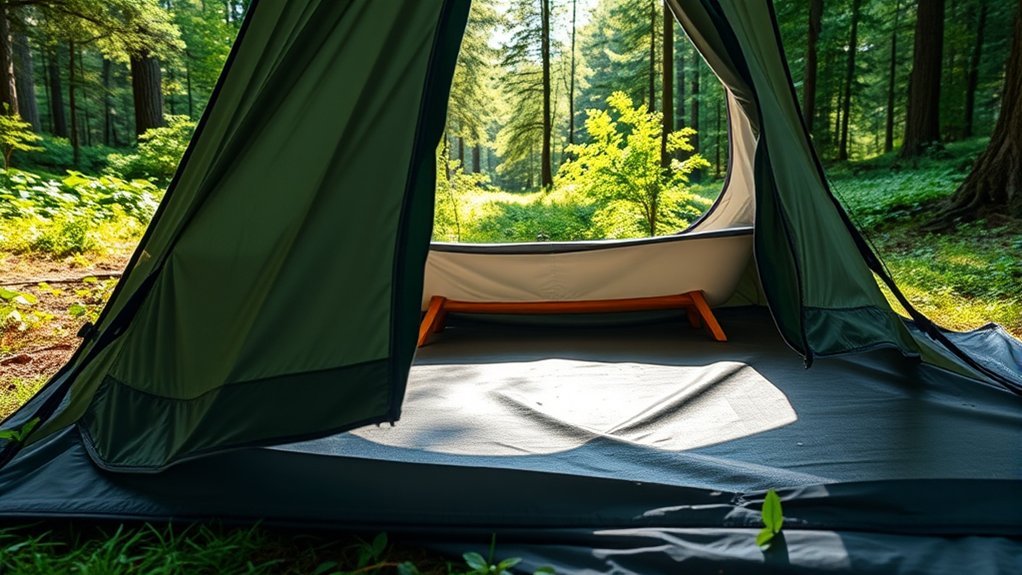
A bathtub floor is the waterproof lower section of a tent that continues several inches up the walls before joining the breathable canopy. By lifting the floor-to-wall seam above wet ground and splash level, the design helps protect sleepers and gear from damp soil, puddle splash, and minor runoff. It improves weather resistance, but it does not make a tent floodproof.
Quick Answer
A tent bathtub floor is a waterproof floor with raised sides that form a shallow tub. The raised perimeter moves vulnerable seams above the ground, blocks mud and rain splash, and helps keep minor surface water outside. Its performance still depends on the fabric coating, seam construction, campsite drainage, and proper setup.
Key Takeaways
- The raised floor edge keeps the floor-to-wall seam above wet soil and most ground splash.
- Bathtub height varies by tent; current models commonly use walls several inches high rather than one universal measurement.
- Fabric, waterproof coating, seam tape or welding, and pitch quality matter as much as the tub shape.
- A bathtub floor is not a substitute for high-ground campsite selection, a correctly sized footprint, or an insulated sleeping pad in winter.
- Small holes, worn seam tape, and failing polyurethane coatings can often be repaired with products matched to the tent fabric.
Disclosure: As an Amazon Associate I earn from qualifying purchases. Some links on this page are affiliate links, at no extra cost to you.
What Is a Bathtub Floor?

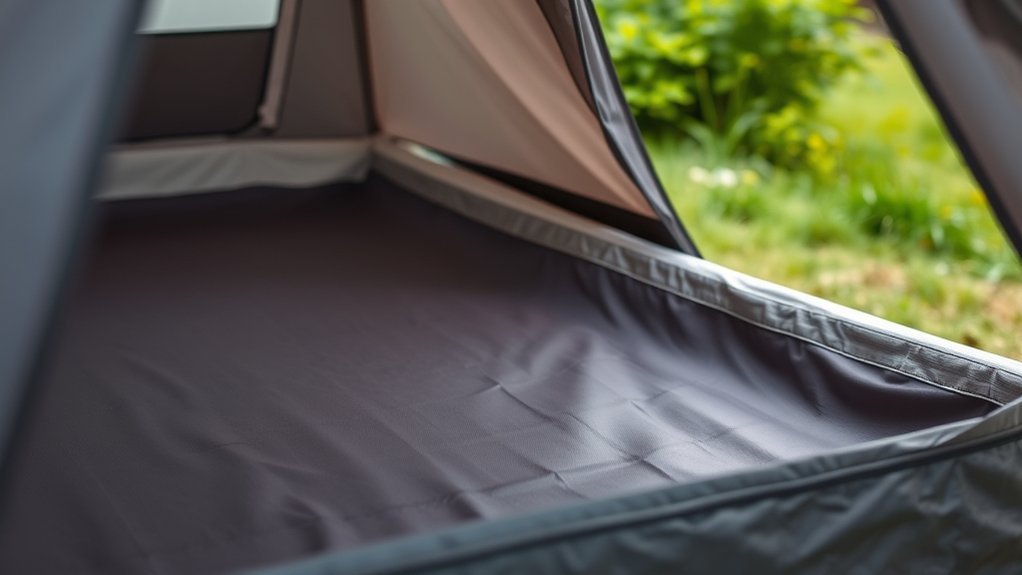
A bathtub floor is a continuous or carefully joined waterproof panel that covers the tent floor and curves or folds upward around the perimeter. The upper edge then connects to the tent body, which may be solid fabric, mesh, or a combination of both. This creates a shallow tub around the sleeping area.
There is no single required height. For example, current ultralight shelters advertise bathtub walls of 5 inches, 6 inches, or 8 inches. Other tents use different dimensions, shapes, door cutouts, and seam layouts. The important point is that the floor-to-wall transition sits above the ground instead of directly against wet soil.
Note: “Bathtub floor” describes the shape, not a guaranteed waterproof rating. Always check the floor fabric, coating, seams, and care instructions for the exact tent.
How Does a Bathtub Floor Enhance Waterproofing?
The design improves weather protection in three related ways: it raises vulnerable seams, creates a continuous barrier under the sleeping area, and reduces the amount of mud or rain splash that can reach the tent interior.
Raised Floor-to-Wall Seams
On a flat groundsheet, the perimeter seam may sit directly on damp soil or in shallow runoff. A bathtub floor moves that connection upward. This reduces prolonged seam contact with wet ground and gives minor surface water fewer direct paths into the sleeping area.
Waterproof Fabric and Coatings
The raised shape works only when the floor material itself resists water. Manufacturers use several constructions, including polyurethane-coated polyester or nylon, polyethylene, silicone-coated fabrics, and Dyneema Composite Fabric. A current Mountain Hardwear backpacking tent, for example, uses a 68-denier polyester floor with a 1,500 mm polyurethane rating, while other tents use different materials and much higher ratings.
Hydrostatic-head figures can help describe how much water pressure a fabric resists, but test methods and reporting are not perfectly uniform across the tent industry. Compare ratings within the same brand or test method when possible, and do not judge a floor by one number alone.
Sealed, Welded, or Taped Construction
Needle holes and corner joints can leak if they are not protected. Manufacturers may use factory seam tape, liquid seam sealer, welded corners, inverted seams, or a combination of these methods. Coleman’s WeatherTec designs, for example, pair a tub-like floor with welded corners and inverted seams. Whatever the method, damaged seam tape or worn sealant can reduce performance over time.
A bathtub shape reduces exposure to ground water, but the complete system—floor fabric, coating, seams, rainfly, drainage, and pitch—determines whether the tent stays dry.
Benefits of a Bathtub Floor in Tents
Reduced Risk From Wet Ground
The raised perimeter helps shield the sleeping area from saturated soil, shallow puddles, and splashback. It is especially useful when rainwater runs across the campsite for a short period. Because the wall connection sits above the lowest point, water must rise higher before it can reach that seam.
A Cleaner Interior
The solid lower wall also blocks mud, sand, pine needles, and rain splash. That makes it easier to keep sleeping bags and clothing away from damp debris. The benefit is most noticeable in mesh-heavy tents, where a flat floor would otherwise leave the lower interior more exposed.
Better Protection for Sleep Systems and Gear
A dry floor helps protect sleeping bags, pads, clothing, and electronics from ground moisture. The raised sides also provide a visible boundary that encourages campers to keep gear inside the protected area rather than pressed into wet mesh or an open vestibule.
Useful Across Several Tent Styles
Bathtub floors appear in family camping tents, lightweight backpacking shelters, four-season tents, and detachable tarp inners. The materials and heights differ, but the basic goal remains the same: keep the waterproof lower section above the wettest part of the campsite.
Potential Drawbacks and Limits
It Is Not Floodproof
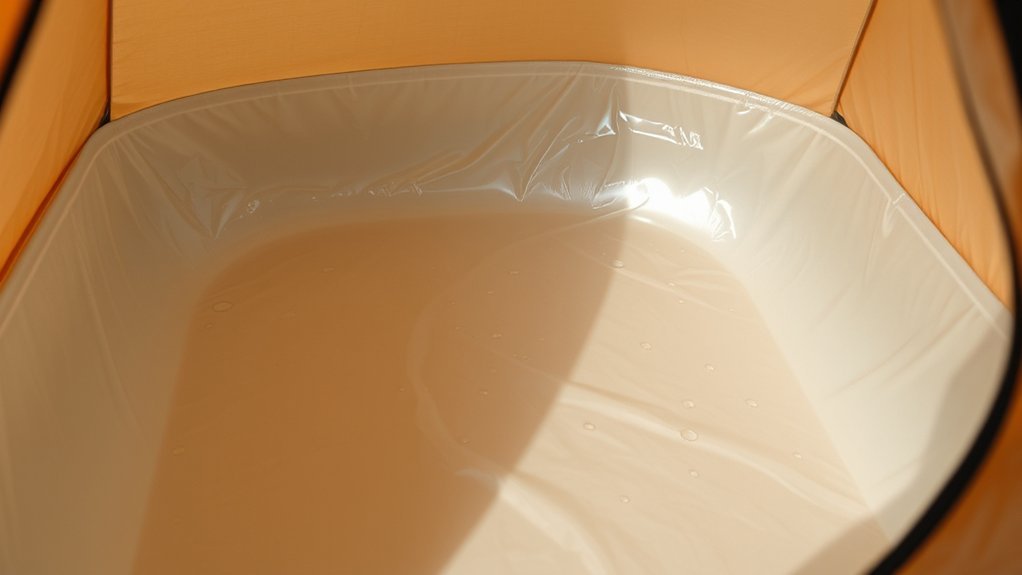
A bathtub floor can resist wet ground and shallow water, but no normal camping tent should be treated like a boat. Deep or fast-moving runoff can rise above the perimeter, enter through a door, force water through damaged seams, or place pressure on worn coatings. A low spot that collects water can overwhelm even a well-built floor.
Warning: Never rely on a bathtub floor to make a flood-prone campsite safe. Pitch on higher, well-drained ground and avoid dry creek beds, depressions, drainage channels, and areas where water can collect.
Entry and Access Tradeoffs
The raised edge may create a small step at the door. Campers can catch a foot on it in darkness, and a high threshold can make access harder for children or people with limited mobility. Some tents use a dropped or zip-down entry to flatten the threshold while preserving raised sides elsewhere.
Weight, Bulk, and Durability Tradeoffs
The tub shape uses more floor material than a perfectly flat sheet, but it does not automatically make a tent heavy. A family tent may use bulky polyethylene, while an ultralight shelter may use thin coated nylon, polyester, or Dyneema Composite Fabric. Lighter floors save pack weight but may require more careful site preparation or an optional footprint.
Condensation Can Still Make the Floor Wet
Moisture inside a tent does not always mean the floor leaked. Water vapor from breathing, wet clothing, humid air, and damp ground can condense on the fly or inner walls and drip or run downward. Ventilation, correct fly tension, and keeping wet gear in the vestibule help manage condensation; a bathtub floor cannot prevent it.
Materials Used for Bathtub Floors
No single material is best for every camper. Construction quality, coating, denier, seam treatment, repairability, price, and intended use all matter.
| Material | Common Use | Strengths | Tradeoffs |
|---|---|---|---|
| Polyethylene | Budget and family camping tents | Durable, economical, and often paired with welded construction | Usually heavier and bulkier than lightweight woven fabrics |
| Coated polyester | Camping and backpacking tents | Available in many weights and waterproof ratings; dimensionally stable when wet | Performance depends heavily on coating, fabric weight, and seam treatment |
| Coated nylon | Lightweight and four-season tents | High strength for its weight and widely repairable | Coating type must match the repair product; thin versions need puncture care |
| Dyneema Composite Fabric | Premium ultralight shelters | Very low weight, waterproof construction, and field-patch compatibility | High cost and different repair techniques from coated woven fabrics |
How to Evaluate a Bathtub Floor Before Buying
- Check the perimeter height: A taller wall offers more splash protection, but the door design should still be easy to step over.
- Read the floor specification: Look for fabric type, denier or weight, coating, and any hydrostatic-head figure the manufacturer provides.
- Inspect the seam method: Factory-taped, welded, or properly sealed seams reduce leakage through needle holes and corners.
- Consider the campsite and trip: Car camping favors durability and easy cleaning; backpacking often prioritizes weight and pack size.
- Check footprint guidance: Some tents include a footprint, some sell one separately, and some manufacturers say it is unnecessary.
- Review repair instructions: Confirm whether the floor is polyurethane-coated, silicone-treated, polyethylene, or Dyneema before buying sealant or patches.
Pro Tip: Before the first trip, pitch the tent at home and inspect the corners, door threshold, seam tape, and floor coating. This also gives you time to confirm whether the manufacturer requires user-applied seam sealing.
Setup Practices That Help a Bathtub Floor Work
- Choose higher, well-drained ground. Avoid depressions and visible runoff channels. REI recommends seeking higher, drier ground and avoiding low areas where rain can channel and pool.
- Clear sharp debris without digging trenches. Remove sticks, cones, and sharp stones that could puncture the floor, while following campsite and Leave No Trace rules.
- Use a correctly sized footprint when appropriate. The footprint should not extend beyond the tent floor, because exposed material can catch rain and direct it underneath. Big Agnes advises using a fitted footprint and emphasizes high-ground site selection.
- Stake and tension the tent correctly. A loose pitch can let bathtub walls collapse inward, place seams on the ground, or allow condensation to drip into the sleeping area.
- Keep the door closed during rain. A raised perimeter cannot stop water that enters through an open or poorly protected doorway.
- Dry the tent fully after the trip. Long-term damp storage encourages odor, mildew, and coating breakdown.
Cleaning, Maintenance, and Repair
How to Clean the Floor
Shake or sweep out loose dirt first. For routine cleaning, use cool or lukewarm water, a soft sponge or cloth, and a cleaner approved for tents or waterproof outdoor fabrics. Follow the tent maker’s instructions because cleaning advice varies by coating. Avoid machine washing, hot water, bleach, and harsh household detergents. Big Agnes specifically warns that detergents and dry-cleaning solvents can damage tent fabric and waterproofing.
Rinse thoroughly and let the tent dry completely in a shaded, ventilated place before storage. REI’s tent-cleaning guidance also warns that excessive soaking can contribute to hydrolysis of polyurethane coatings.
Inspect Seams and Coatings
Look for peeling seam tape, pinholes, flaking coating, sticky areas, unusual odors, or places where water no longer beads or pools as expected. Test the tent at home with a gentle hose spray rather than discovering a failure during a storm.
Repair Small Holes and Leaks
Clean and dry the area before patching. Use a fabric patch or repair tape compatible with the floor, then seal the edges if the product instructions call for it. For seam leaks or coating failure, use a product made for the exact fabric treatment. REI distinguishes polyurethane-coated fabrics from silicone-treated fabrics, and Gear Aid sells separate products for restoring polyurethane tent-floor coatings and sealing silicone-treated fabrics.
Warning: Do not apply a random seam sealer. Silicone sealant will not bond correctly to every polyurethane-coated fabric, and polyurethane products may not adhere to silicone-treated material. Check the tent manufacturer’s fabric specification first.
Types of Tents Featuring Bathtub Floors
Family and Car-Camping Tents
These tents often favor durable, easy-to-clean floors made from polyethylene or heavier coated polyester. Welded corners and broad floor panels are common because pack weight is less important than durability and cost.
Backpacking Tents
Backpacking models usually use lighter coated polyester or nylon. The floor may be thinner to save weight, so careful campsite preparation and a fitted footprint can be helpful where the manufacturer recommends one.
Ultralight Tents and Tarp Inners
Ultralight shelters may use thin silicone-coated fabrics or Dyneema Composite Fabric. Some have an integrated bathtub floor, while others use a detachable inner or groundsheet. Adjustable walls can sometimes be raised for storm protection or lowered for ventilation and extra floor space.
Four-Season and Winter Tents
Four-season tents often pair a bathtub floor with stronger poles, more solid canopy fabric, reinforced attachment points, and higher-rated floor materials. The bathtub floor helps manage snowmelt and damp ground, but it provides little meaningful insulation by itself. In cold weather, warmth from the ground comes mainly from an insulated sleeping pad; REI recommends a high-R-value pad for winter conditions.
Frequently Asked Questions
Can I use a tent with a bathtub floor on sand?
Yes. The raised floor can help block windblown sand and dampness, but fine sand can abrade coatings and work into zippers. Clear sharp shells or debris, use anchors suited to sand, and follow the manufacturer’s footprint advice.
How do I clean a bathtub floor in a tent?
Remove loose dirt, then wipe the floor with cool or lukewarm water, a soft cloth, and a tent-safe cleaner approved by the manufacturer. Rinse away residue and dry the tent completely in the shade. Avoid machine washing, bleach, hot water, and harsh detergent.
Are bathtub floors suitable for winter camping?
Yes, when they are part of a tent designed for the expected winter conditions. The raised floor helps with snowmelt and damp ground, but it is not insulation. Use a sleeping pad with an R-value appropriate for the temperature and follow winter-camping safety guidance.
Do bathtub floors make tents heavier?
The raised sides require some additional material, but the total effect depends on the fabric. A polyethylene family-tent floor can be heavy, while an integrated ultralight floor made from coated nylon, polyester, or Dyneema can still be very light.
Can I repair a damaged bathtub floor?
Often, yes. Small punctures can usually be cleaned and patched, while leaking seams may need compatible seam sealer. Widespread peeling or sticky polyurethane coating may require recoating or professional repair. Match every adhesive or sealant to the tent’s fabric treatment.
Do I still need a footprint?
Not always. A footprint can reduce abrasion and add a replaceable layer under a light floor, but some manufacturers design their floors to be used without one. When you use a footprint, it should fit under the tent without extending beyond the bathtub floor.
Why is the inside wet if the floor did not leak?
Condensation may form when warm, humid air meets a cool fly or wall. It can then drip or run onto the floor. Improve ventilation, tension the rainfly, keep wet items in the vestibule, and avoid touching sleeping gear against damp tent walls.
Conclusion
A bathtub floor is one of the most useful weather-protection features in a tent. Its raised sides move vulnerable seams away from wet ground, reduce splash and debris, and help protect the sleeping area. Still, the shape is only one part of the system. Choose a tent with suitable floor fabric and seam construction, pitch it on well-drained ground, use a properly fitted footprint when recommended, and maintain coatings and repairs with compatible products.
Sources
- Coleman Tent Collection and WeatherTec Features — tub-like floors, welded corners, and inverted seams.
- Mountain Hardwear Mineral King 3 Tent — bathtub-style floor, polyester floor fabric, and waterproof-rating example.
- Zpacks Free Zip 3P Tent — a current 5-inch bathtub-floor example and Dyneema repair guidance.
- Big Agnes Footprint FAQs — floor protection, footprint fit, and campsite drainage guidance.
- REI: How to Waterproof a Tent — seam sealing, polyurethane coating restoration, and fabric-compatible sealers.
- REI: How to Choose a Sleeping Pad — R-value and ground insulation for cold-weather camping.
