
Last Updated on September 11, 2026 by Daniel Globe
Uruguay has a temperate, humid climate with four clear seasons and no single fixed rainy season. Because the country is in the Southern Hemisphere, summer runs from December through February and winter from June through August. The northwest is generally warmer, while Montevideo and the Atlantic coast are cooler, breezier, and more influenced by the water.
Quick Answer
Uruguay has a temperate, humid climate with four clear Southern Hemisphere seasons. Summer (December–February) is warm and busiest on the coast; winter (June–August) is cool, damp, and windy. Spring and autumn usually offer the best balance of mild weather, lighter crowds, outdoor activities, and easier prices.
Key Takeaways
- Uruguay’s seasons are opposite those in the United States, Canada, and Europe.
- The northwest is warmer and generally wetter than Montevideo, the south, and the Atlantic coast.
- Rain can fall in any month, and passing fronts can bring sudden wind, thunderstorms, or cooler air.
- Summer suits beaches and Carnival, February and March suit winery visits, and July through October is a strong period for whale watching.
- Pack layers, a light waterproof jacket, sun protection, comfortable shoes, and mosquito repellent.
Disclosure: As an Amazon Associate I earn from qualifying purchases. Some links on this page are affiliate links, at no extra cost to you.
Uruguay Climate Overview
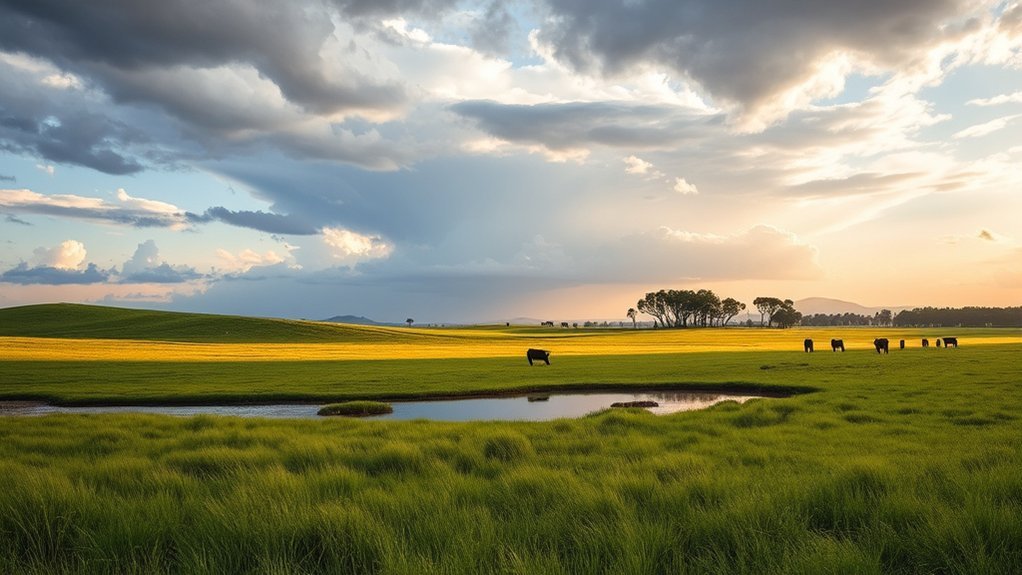
Uruguay’s climate is generally temperate and humid. The Uruguayan Institute of Meteorology, known as INUMET, reports a national annual mean temperature of about 17.5°C (64°F). Average conditions become warmer toward Artigas in the northwest and cooler toward the Atlantic coast in Rocha.
The country’s official tourism site describes average annual temperatures of roughly 18°C to 19°C (64°F to 66°F) in the far northwest and around 16°C (61°F) in the south and east. Annual rainfall also varies, from about 1,000 mm in much of the south and east to around 1,400 mm in the northwest. Rain is distributed through the year rather than confined to one rainy season.
Uruguay averages about 2,500 hours of sunshine a year, but the ocean coast is generally cloudier and cooler than the northwest.
Uruguay’s open terrain allows weather fronts to move across the country quickly. A warm, sunny morning can turn breezy, cooler, or wet later in the day. Coastal areas also feel cooler when the air is humid and the wind comes off the Río de la Plata or Atlantic Ocean.
Note: Climate averages describe long-term patterns, not a forecast for your trip. Check INUMET shortly before travel and again before long drives, hikes, beach days, or boat trips.
Uruguay Seasons at a Glance
| Summer December–February |
Warm to hot, sunny, lively, and humid at times. Best for beaches, nightlife, coastal food, and the beginning of Carnival. This is peak season in Punta del Este. |
| Autumn March–May |
Mild early in the season, then cooler. Good for winery visits, walking tours, cycling, countryside trips, and fewer coastal crowds. |
| Winter June–August |
Cool, damp, and often breezy, with frost possible inland. Best for museums, cafés, thermal springs, quiet cities, and the start of whale season. |
| Spring September–November |
Increasingly mild, green, and changeable. Good for hiking, birdwatching, road trips, gardens, wetlands, and late-season whale sightings. |
Uruguay Summer Weather
Uruguay’s summer runs from December through February. Days are warm to hot, the sun is strong, and the coast becomes the center of the country’s social season. Punta del Este, José Ignacio, La Paloma, and other beach towns fill with vacationers, restaurants, music, and outdoor events.
The Atlantic coast is usually moderated by sea breezes, while inland and northwestern areas such as Artigas and Salto can feel much hotter. Humid spells and heatwaves are possible, as are afternoon or evening thunderstorms. Plan strenuous walks for the morning, carry water, and use broad-spectrum sunscreen.
Summer also brings Uruguay’s most famous cultural season. According to the Ministry of Tourism’s Carnival guide, celebrations commonly begin in late January and can continue into March. Montevideo’s parades, candombe performances, murgas, and neighborhood stages make February especially lively.
- Best for: beaches, swimming, surfing, coastal nightlife, seafood, and Carnival
- Main trade-offs: higher coastal prices, larger crowds, stronger sun, and occasional extreme heat
- Pack: light clothing, swimsuit, hat, sunscreen, refillable water bottle, sandals, walking shoes, and a light rain layer
Warning: Summer thunderstorms, heatwaves, and wildfires can affect outdoor plans. Follow local instructions, avoid strenuous activity during extreme heat, and stay away from areas affected by fire or heavy smoke.
Uruguay Autumn Weather
From March through May, summer heat gradually gives way to cooler mornings and evenings. Early March can still feel summery, especially in the north, while May often calls for a sweater or light jacket.
Autumn is one of the easiest seasons for walking around Montevideo, exploring Colonia del Sacramento, cycling through rural areas, or taking a road trip without the height of the coastal summer crowds. Rain remains possible, but autumn is not a fixed nationwide rainy season. Keep a compact umbrella or waterproof layer available.
Wine is a major seasonal draw. The official tourism site identifies February and March as prime grape-harvest months. Some wineries offer harvest meals, tastings, vineyard walks, or special events, but programs and reservation rules vary.
Rural festivals and Tourism Week activities can also fall during autumn. Exact dates change each year, so confirm the local calendar before building a trip around one event. Cooler evenings are a good time to try hearty stews, grilled meats, tortas fritas, and local Tannat wines.
- Best for: wineries, food trips, city walks, cycling, rural stays, and lighter crowds
- Main trade-offs: shorter days, changing temperatures, and occasional wet periods
- Pack: light layers, a sweater, waterproof jacket, walking shoes, and one warmer evening layer
Uruguay Winter Weather
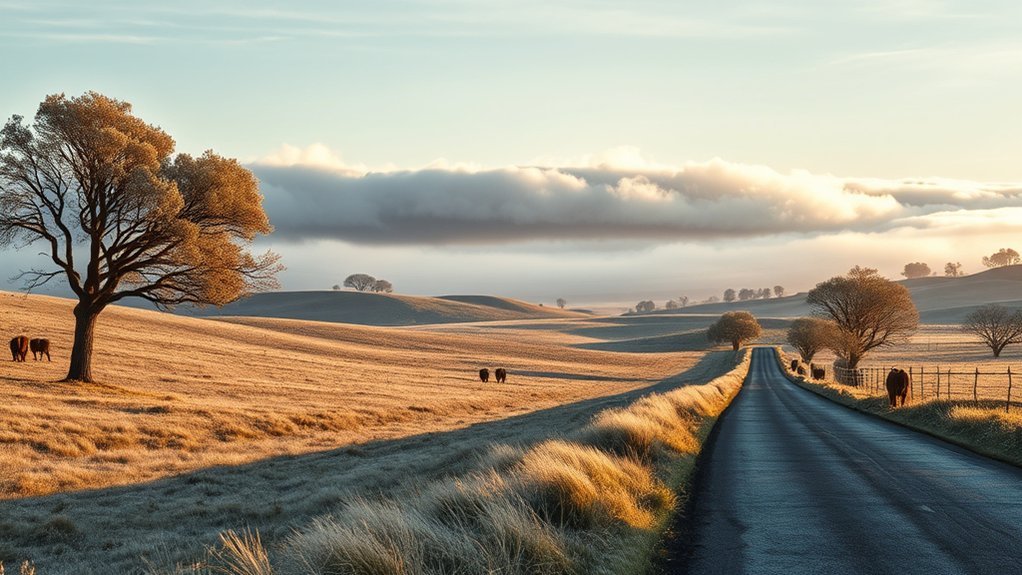
Uruguay’s winter lasts from June through August. It is cool rather than severely cold, but humidity and wind can make the air feel sharper than the thermometer suggests. Montevideo and the coast often have damp, breezy days, while inland districts can record frost on clear mornings.
Snow is rare and does not normally shape travel plans. Rain, low cloud, and fast-moving cold fronts are more relevant. A waterproof outer layer, warm mid-layer, and closed shoes will be more useful than heavy snow gear.
Winter suits museum visits, long lunches, historic neighborhoods, cafés, thermal springs in the northwest, and quiet coastal walks. Some beach businesses reduce their hours outside the summer season, so confirm restaurants, tours, and transport before traveling to smaller resorts.
Winter also marks the beginning of southern right whale season. Official tourism information commonly places the strongest viewing period from about July through October, with some sightings extending into November. Whales may be visible from viewpoints near Punta del Este, José Ignacio, La Paloma, and Rocha, but sightings are never guaranteed.
- Best for: museums, food, thermal springs, quiet cities, lower coastal crowds, and early whale watching
- Main trade-offs: damp air, brisk wind, shorter daylight, and reduced hours in seasonal resorts
- Pack: waterproof jacket, warm sweater or fleece, long trousers, closed shoes, scarf, and compact umbrella
Uruguay Spring Weather
From September through November, temperatures rise, daylight increases, and the countryside becomes greener. Spring is pleasant for hiking, wetlands, parks, road trips, and outdoor dining, but it is also one of the more changeable times of year.
Warm northerly air can be followed by a cool front, rain, or strong wind. Dress in layers instead of relying on one heavy item. A T-shirt, light sweater, and thin waterproof shell can handle most day-to-day changes.
Spring is especially rewarding for birdwatching in wetlands, lagoons, grasslands, and protected coastal areas. Migratory birds pass through Uruguay, and southern right whales may still be visible during part of the season. Blossoms and local garden or flower events add color, although event dates and locations vary by town.
- Best for: hiking, birdwatching, wetlands, gardens, road trips, and mild outdoor days
- Main trade-offs: sudden showers, gusty fronts, and large temperature changes between days
- Pack: adaptable layers, light rain shell, walking shoes, sun protection, and binoculars for wildlife trips
Regional Weather Differences in Uruguay
Montevideo and the Río de la Plata Coast
Montevideo has a maritime influence, regular breezes, humid winters, and warm summers. The city’s waterfront can feel cooler than inland neighborhoods, especially after sunset. Bring an extra layer for evening walks along the Rambla.
Punta del Este and the Atlantic Coast
Maldonado and Rocha are exposed to Atlantic wind and fast weather changes. Summers are popular for beaches, but water and air can feel cooler on windy days. Winter is quiet, scenic, and suitable for coastal walks and whale watching, though many resort services operate reduced schedules.
Northwest Uruguay
Artigas, Salto, and nearby areas are generally warmer than the south and east. Summer heat can be intense, while winter days may feel milder. This region is also known for thermal resorts, which are popular throughout the year.
Inland Countryside
Inland areas have less direct ocean influence. They can have hotter summer afternoons, colder winter nights, and more frost than the coast. Rural roads and unpaved approaches may become muddy or difficult after heavy rain.
Rain, Wind, and Severe Weather
Uruguay receives precipitation throughout the year, so there is no simple nationwide rainy season to avoid. Rain may arrive as drizzle with a winter front, a spring weather change, or a strong summer thunderstorm.
INUMET reports prevailing winds mainly from the northeast and east, but wind direction and strength change as fronts cross the country. Exposed beaches, headlands, and waterfront roads can be much breezier than sheltered city streets.
Heavy storms can occasionally cause flash flooding, disrupt services, or block roads. Before a countryside drive, check the forecast and ask your lodging or tour operator about local access conditions.
Warning: Never drive or walk into floodwater. Water can hide damaged pavement, deep channels, or a strong current. Turn around and use another route if a road is covered.
Seasonal Wildlife and Nature
Uruguay’s coasts, wetlands, grasslands, and lagoons support wildlife throughout the year, but some of the most memorable sightings are seasonal.
- Southern right whales: commonly seen from the coast between July and October, with possible sightings into November
- Migratory birds: timing varies by species, but spring and summer are productive periods in wetlands and coastal lagoons
- Green turtles: recorded around protected coastal environments such as Cabo Polonio; sightings depend on conditions and should be observed without disturbance
- Sea lions: present around parts of the Atlantic coast and offshore islands, with viewing rules varying by location
Use established viewpoints and licensed guides where required. Keep your distance, avoid feeding wildlife, and never block an animal’s route between land and water.
Best Time to Visit Uruguay
The best time depends on what you want to do. There is no single month that is ideal for every traveler.
- For beaches and nightlife: January and early February offer the most energy but also the highest demand in Punta del Este and other coastal resorts.
- For Carnival: plan around official dates from late January into March. February is usually a key month for parades, tablados, murgas, and candombe.
- For wine and harvest experiences: February and March are the main period for vineyard harvest visits.
- For mild weather and walking: March, April, October, and November often provide a comfortable balance, though rain and fronts remain possible.
- For whale watching: July through October is the strongest planning window along the Maldonado and Rocha coasts.
- For quieter cities and lower coastal demand: May, June, August, and September can work well, but expect cooler weather and reduced resort hours.
Pro Tip: For a first trip that combines Montevideo, Colonia, wineries, and the coast, consider March, April, October, or November. You avoid much of the peak beach demand while keeping enough mild weather for outdoor sightseeing.
Late February and March may feel calmer in some coastal towns, but this is not guaranteed. Carnival events can keep Montevideo busy, and rates change with weekends, holidays, conferences, and local festivals. Compare live prices before booking.
What to Pack for Uruguay
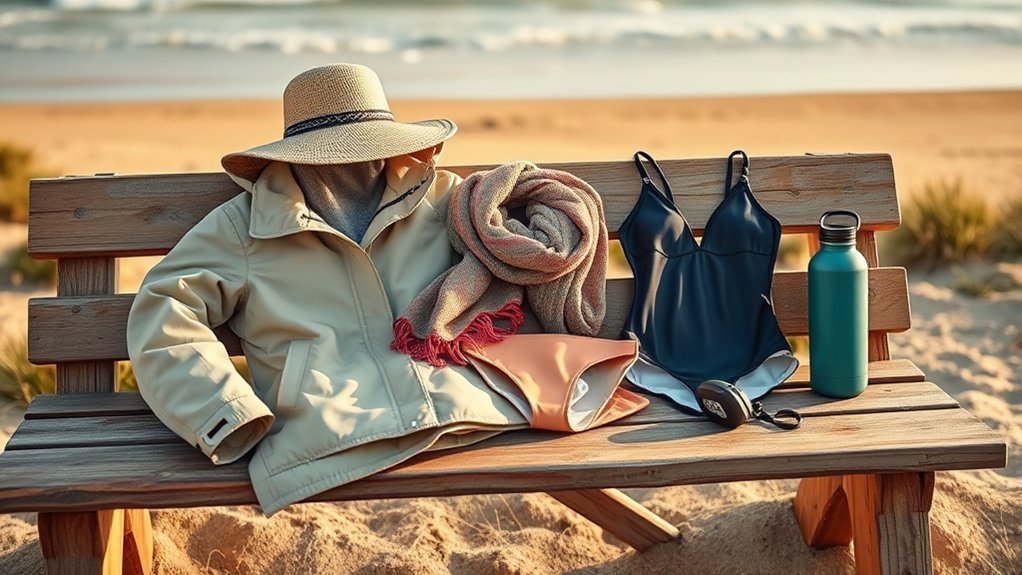
Pack for Uruguay with layers and weather changes in mind. Even in summer, a coastal evening can feel cool. In winter, damp wind often matters more than extreme cold. A compact rain layer is useful in every season because showers can occur throughout the year.
Seasonal Layering Essentials
- Summer: breathable shirts, shorts, light trousers, swimsuit, sandals, and one light evening layer
- Autumn: T-shirts, long trousers, sweater, waterproof shell, and closed walking shoes
- Winter: warm mid-layer, rain-resistant outer layer, long trousers, scarf, and closed waterproof shoes
- Spring: light layers that can be added or removed, plus a wind-resistant rain shell
Avoid packing only one bulky coat. Two or three lighter layers are easier to adjust when the temperature changes during the day.
Rain and Sun Gear
Bring a compact umbrella or waterproof jacket in every season. For summer and spring, add a brimmed hat, sunglasses, and broad-spectrum sunscreen. Coastal cloud and wind can make the sun feel weaker than it is, so use sun protection even on mild beach days.
A quick-drying day bag or waterproof pouch can protect your phone, documents, and camera during sudden rain. A refillable water bottle is especially valuable during summer sightseeing.
Shoes and Accessories
Choose shoes that can handle Montevideo sidewalks, Colonia’s cobblestones, coastal paths, wineries, and occasional wet ground. Comfortable walking shoes will suit most city itineraries. Add sandals for summer beaches and waterproof shoes or boots for wet winter or rural travel.
- Comfortable walking shoes
- Sandals or water-friendly shoes in summer
- Waterproof footwear for winter or rural trips
- Light jacket or windbreaker
- Compact umbrella
- Hat, sunglasses, and sunscreen
- Mosquito repellent for warm-weather evenings
- Small binoculars for whales and birds
Frequently Asked Questions
How strong are Uruguay’s coastal winds throughout the year?
Uruguay’s coast is often breezy, but the wind is not equally strong every day. Exposed beaches and headlands feel windier than sheltered streets. Weather fronts can produce sudden strong gusts, especially in spring and winter, so check INUMET before boating, surfing, or taking a long coastal walk.
Are there seasonal wildlife migrations in Uruguay?
Yes. Southern right whales approach the coast mainly from July through October, sometimes remaining into November. Uruguay’s wetlands and coastal lagoons also host migratory birds, while protected Atlantic areas support turtles and other marine wildlife. Exact sightings depend on species, weather, and local conditions.
Which festivals coincide with Uruguay’s seasons?
Carnival begins in summer and can continue from late January into March. Vineyard harvest activities are concentrated in February and March. Tourism Week usually falls in autumn, while national holidays and local cultural festivals occur throughout winter and spring. Confirm dates on official event calendars because many change each year.
How does Uruguay’s climate affect countryside road conditions?
Paved main roads are generally easier to use, but heavy rain can flood low areas, block routes, and make gravel or unpaved access roads muddy. Check weather alerts before rural drives, ask locally about the final approach to farms or lodges, and never enter a flooded road.
Are mosquitoes a concern during Uruguay’s warmer months?
Mosquitoes can be bothersome in warm, humid weather, especially near wetlands and standing water. The CDC currently lists dengue risk in Uruguay as sporadic or uncertain. Use an effective repellent, wear long sleeves when practical, keep window screens closed, and check current health notices before travel.
Does it rain all year in Uruguay?
Yes. Rain is distributed throughout the year rather than limited to one nationwide rainy season. Some weeks are dry, while a passing front or thunderstorm can bring heavy rain over a short period. A compact umbrella or light waterproof jacket is useful in every season.
Does it snow in Uruguay during winter?
Snow is rare and normally does not affect travel. Frost is more common inland on clear winter mornings. Visitors should prepare for cool rain, humidity, and wind rather than deep snow or prolonged freezing conditions.
Conclusion
Uruguay offers a mild four-season climate, but each part of the year creates a different trip. Summer delivers beaches and Carnival, autumn brings vineyards and comfortable touring, winter offers quiet cities and whale watching, and spring suits wetlands, hiking, and road trips. For the broadest mix of pleasant weather and manageable crowds, consider March, April, October, or November.
Whatever season you choose, pack flexible layers and rain protection. Check the latest INUMET forecast before outdoor activities or rural drives, and leave room in your plans for the quick weather changes that are part of Uruguay’s coastal character.
Sources
- Uruguayan Institute of Meteorology — Climate Characteristics — national temperature, wind, precipitation, and sunshine patterns
- Uruguay Natural — Carnival — Carnival season, duration, and major cultural events
- Uruguay Natural — Grape Harvest Tours — February and March harvest timing
- Uruguay Natural — Cabo Polonio — protected coastal habitat and migratory wildlife
- U.S. Centers for Disease Control and Prevention — Dengue Risk Areas — current mosquito-borne disease classification
- Government of Canada — Uruguay Travel Advice — heavy rain, flooding, wildfire, and road-disruption guidance
