
Last Updated on August 2, 2026 by Ethan Caldwell
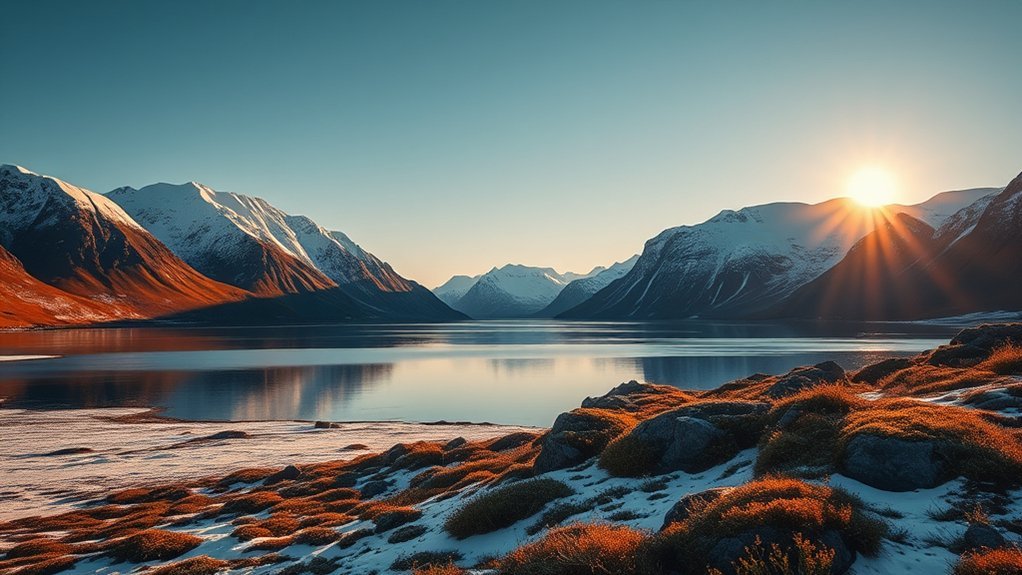
Yes—Svalbard has 24-hour daylight during its summer midnight-sun season. In Longyearbyen, the sun remains above the horizon from roughly April 20 through August 23, although official sources differ by about a day. The constant light creates remarkable conditions for hiking, boat trips, wildlife viewing, and photography, but visitors must also prepare for cold weather, disrupted sleep, and strict Arctic safety rules.
Quick Answer
Yes. In Longyearbyen, the midnight sun lasts roughly from April 20 to August 23, so the sun remains above the horizon all day and night. Exact dates vary slightly by location and source. Clouds and mountains may block direct sun, but there is no true nighttime darkness.
Key Takeaways
- Svalbard receives about four months of continuous summer daylight.
- Longyearbyen’s midnight sun lasts approximately from April 20 through August 23.
- Clouds, fog, and mountains can hide the solar disc even though the sun remains above the horizon.
- Summer temperatures are often only about 3–7°C, so warm, windproof layers are essential.
- Visitors should use qualified local guides when traveling outside Longyearbyen because of polar bears, limited communications, glaciers, and rapidly changing weather.
Disclosure: As an Amazon Associate I earn from qualifying purchases. Some links on this page are affiliate links, at no extra cost to you.
Is Svalbard Really in Sunlight 24 Hours a Day?
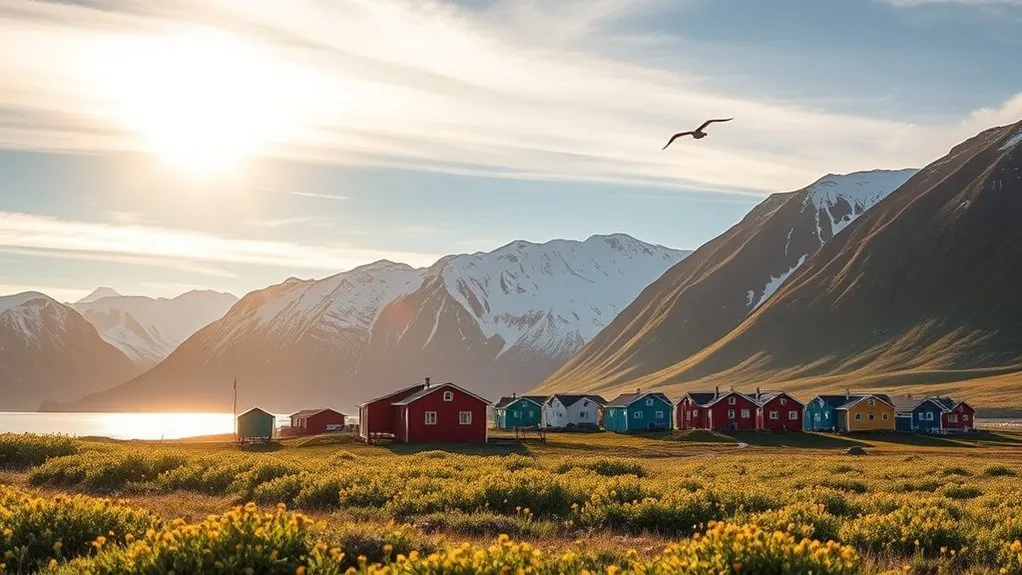
Yes. During the midnight-sun season, the sun does not pass below the astronomical horizon, so Svalbard has daylight throughout the full 24-hour cycle. You can step outside at midnight and see a bright sky rather than normal nighttime darkness.
However, “24 hours of sunlight” does not mean you will always see the solar disc. Mountains may block it from a valley, while fog, cloud, snow, or rain can soften or hide direct sunlight. The landscape still remains light because the sun is above the horizon.
Svalbard receives about four months without a true sunset, but weather and terrain determine whether you see bright sun, soft overcast light, or a low golden glow.
How Do You Get to Svalbard?
Longyearbyen is reached almost entirely by air. Regular flights run from Oslo, often routing through Tromsø in northern Norway, with a flight time of roughly three hours from Oslo. Svalbard itself does not require a separate visa under the Svalbard Treaty, but because most travelers transit through mainland Norway, non-EU/Schengen nationals should check Norway’s own entry requirements before booking. Once in Longyearbyen, most further travel—by boat, snowmobile, or organized excursion—is arranged through licensed tour operators rather than independent car or road travel, since the settlement has only a small local road network.
When Does the Midnight Sun Start and End in Svalbard?
Visit Svalbard generally describes the midnight-sun season as April 20 through August 23. Other official Visit Svalbard pages give April 19 as the Longyearbyen start date. This small difference reflects the precise location, terrain, atmospheric refraction, and the way sunrise and sunset are calculated.
| Period | Typical Light in Longyearbyen |
| Around April 19–20 | The midnight sun begins; snowy landscapes and cold conditions are still common. |
| May through July | Continuous daylight, with the sun generally highest around the June solstice. |
| Around August 23 | The midnight-sun period ends and sunsets gradually return. |
| Late August and September | Long days continue, but the sun begins setting and twilight becomes more noticeable. |
Note: Svalbard is a large archipelago extending across several degrees of latitude. The exact first and last day of midnight sun is not identical in Longyearbyen, Ny-Ålesund, Isfjorden, and the islands farther north.
What Is the Best Month for the Midnight Sun?
The best month depends on the experience you want:
- Late April and early May: Choose this period for snowy scenery, bright nights, and late-season winter activities. Temperatures can still be severe, and many summer boat or hiking products may not yet be operating.
- June: This is a strong all-around choice for continuous light, active birdlife, boat excursions, and the Spitsbergen Marathon. Snow may remain at higher elevations.
- July: July normally offers broad summer-tour availability, open water, tundra hikes, and 24-hour daylight. It is also a popular period, so book accommodation and tours early.
- Early to mid-August: You still receive midnight sun, often with a lower solar angle, while the tundra begins shifting toward late-summer colors.
- After August 23: Choose late August if you want long days plus the return of actual sunsets rather than nonstop daylight.
Why Does Svalbard Get the Midnight Sun?
Svalbard gets the midnight sun because it lies far north of the Arctic Circle. Earth’s axis is tilted by about 23.4 degrees. During Northern Hemisphere summer, the North Pole tilts toward the sun, allowing high-Arctic locations to remain within the sunlit half of Earth throughout each daily rotation.
Near the Arctic Circle, the midnight sun lasts for only a short period around the June solstice. Farther north, the season becomes longer. Svalbard’s high latitude gives it roughly four months of continuous daylight, while the North Pole experiences about six months between sunrise and sunset.
The June solstice marks the time when the sun reaches its highest seasonal path in the Northern Hemisphere. After the solstice, its daily path gradually lowers until sunsets return to Svalbard in late August.
What Can You Do During Svalbard’s Midnight Sun?
The constant daylight gives tour operators more flexibility, but it does not remove weather, wildlife, or access limits. Popular summer experiences include:
- Guided hiking: Routes near Longyearbyen include Platåfjellet, Sarkofagen, and glacier or moraine landscapes around Longyearbreen.
- Kayaking: Guided paddling trips operate in suitable fjord conditions and normally include safety equipment and cold-water clothing.
- Boat excursions: Trips through Adventfjorden and Isfjorden may feature glaciers, bird cliffs, walruses, whales, historic settlements, and coastal scenery.
- Wildlife observation: Svalbard reindeer and Arctic birds can often be seen near Longyearbyen. Marine wildlife may be observed on regulated boat tours, always from a legally required distance.
- Photography tours: Low-angle night light can create warm detail on mountains, tundra, water, and remaining snow.
- Town activities: Museums, galleries, restaurants, breweries, dog yards, and guided cultural walks are available without entering remote wilderness.
- Running events: The Spitsbergen Marathon is normally held in early June. The Svalbard Ski Marathon is usually held in April, near the start of the midnight-sun season, but it remains a snow-season event.
There are only a limited number of roads in and around Longyearbyen, and there are no roads connecting Svalbard’s separate settlements. Longer journeys to places such as Pyramiden, Barentsburg, Ny-Ålesund, or Kongsfjorden require an appropriate boat, expedition cruise, aircraft service, or organized tour.
Warning: Do not leave the inhabited area around Longyearbyen for an independent hike or photo outing unless you have the required polar-bear knowledge, suitable deterrents, communications equipment, route skills, and relevant permits. Most visitors should book a qualified local guide.
Safety Rules for Midnight-Sun Activities
Continuous daylight can make the landscape feel approachable, but Svalbard remains remote Arctic wilderness. Light does not protect you from polar bears, unstable glaciers, cold water, river crossings, rockfall, fog, or rapid weather changes.
Polar-Bear Safety
The risk of encountering a polar bear exists throughout Svalbard and throughout the year. Anyone traveling or staying outside inhabited areas must understand polar-bear safety and carry suitable deterrents. The Governor of Svalbard also recommends an appropriate firearm in addition to scare devices, subject to Norwegian weapons rules and proper training.
Organized-tour participants normally rely on the operator and guide to meet these safety requirements. Visitors without the necessary training should not rent a weapon and assume that carrying it makes independent travel safe.
Under regulations that took effect January 1, 2025, people must remain at least 300 meters from polar bears from July 1 through the end of February. From March 1 through June 30—when bears are more active near the coast—the minimum distance rises to 500 meters. If a bear is discovered at closer range, people must retreat when it is safe to do so. It is prohibited to attract, pursue, surround, or deliberately seek out a bear in a way that causes disturbance or danger.
Weather and Communications
High-Arctic weather may change quickly even under a bright sky. Fog can reduce visibility, wind can increase cold stress, and summer meltwater can make rivers and slopes harder to cross. Mobile coverage becomes limited outside the main settlements, so professional guides carry appropriate communications and emergency equipment.
Longyearbyen Hospital provides important local services but has fewer capabilities than a full mainland hospital. Serious illness or injury may require evacuation to mainland Norway, making comprehensive travel insurance especially important.
How Does the Midnight Sun Affect Sleep and Daily Life?
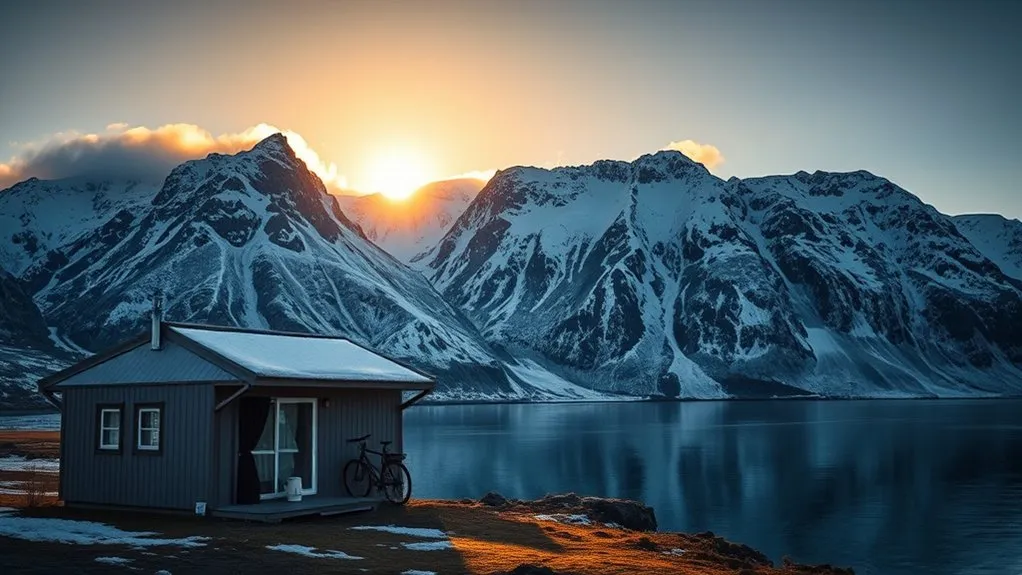
Light is one of the main signals that helps regulate your circadian rhythm. When outdoor light continues through the night, you may feel alert later, take longer to fall asleep, sleep more lightly, or wake earlier than planned.
The effect varies. Some visitors sleep normally after an active day, while others need deliberate control of their bedroom light and evening routine.
- Book accommodation with blackout curtains or blinds.
- Pack a comfortable eye mask even when blackout curtains are advertised.
- Keep your normal bedtime and wake time as consistent as possible.
- Dim room lights and screens during the final one to two hours before bed.
- Close curtains before beginning your evening routine rather than waiting until bedtime.
- Avoid scheduling demanding activities every night simply because it remains light.
- Keep the bedroom cool, quiet, and dark.
Pro Tip: Bring your eye mask in your carry-on rather than checked luggage. It can also help on the flight and during an unexpected overnight delay.
What Should You Pack for Svalbard in Summer?
Do not pack for Svalbard as though it were an ordinary European summer destination. Visit Svalbard gives average summer temperatures of roughly 3–7°C, and wind can make it feel colder.
- Base layers: Wool or moisture-managing thermal tops and bottoms.
- Mid layer: Fleece, wool, or a light insulated jacket.
- Outer layer: Windproof and waterproof jacket and pants.
- Head and hands: Warm hat, neck covering, and gloves or mittens.
- Footwear: Waterproof hiking boots with good grip; gaiters may help on wet or muddy routes.
- Sun and sleep gear: Sunglasses, sunscreen, lip protection, eye mask, and any normal sleep aids approved for you by a healthcare professional.
- Photography gear: Spare batteries, lens cloths, rain protection, and a dry bag for boat or kayak trips.
Organized operators may provide flotation suits, helmets, specialist boots, glacier equipment, or other technical gear. Check the exact inclusions before packing.
Where Are the Best Midnight-Sun Photo Spots in Svalbard?
Svalbard’s best photo location depends on whether you want an easy town view, a guided mountain hike, wildlife, glaciers, or a multi-day fjord journey. Access and weather may change quickly, so treat the following places as options rather than guaranteed stops.
Longyearbyen and Nearby Viewpoints
- Adventfjorden and the harbor: Easy water, mountain, ship, and reflection compositions close to town.
- Platåfjellet: A guided hike can provide broad views over Longyearbyen, Adventfjorden, and surrounding valleys.
- Sarkofagen: Guided routes offer elevated views and access to moraine and glacier scenery near Larsbreen and Longyearbreen.
- Adventdalen: Guided road or photography tours may provide open valley views, reindeer, birdlife, and layered mountains.
- Bjørndalen: A guided visit can combine coast, tundra, cultural remains, and birdlife.
Staying within the recognized inhabited area gives you more freedom to walk independently, but you should still follow current local boundaries and safety notices. A route that appears close to town can quickly enter polar-bear country.
Fjords, Glaciers, and Historic Settlements
- Isfjorden: Guided boat trips offer mountain walls, glaciers, bird cliffs, shorelines, and changing weather.
- Pyramiden: Organized visits combine Soviet-era architecture with tundra, mountain, and fjord scenery.
- Barentsburg: Boat access may provide coastal and settlement photography, subject to current schedules and travel guidance.
- Kongsfjorden and Ny-Ålesund: Multi-day boat or expedition itineraries can feature glaciers, research history, seabirds, and broad fjord landscapes.
- Borebukta and glacier fronts: Some regulated boat tours provide distant views of glaciers and marine wildlife without landing.
Remote destinations are not casual day-drive locations. Routes depend on sea conditions, protected-area rules, wildlife, and operator permissions—as of 2025, passenger vessels carrying more than 200 people are barred from landing in Svalbard’s national parks and nature reserves, with landings otherwise limited to a set list of designated sites.
Midnight-Sun Photography Tips
- Photograph near local midnight when the sun is lower and shadows may appear longer.
- Use exposure compensation or check the histogram to avoid losing detail in snow, ice, and bright clouds.
- Bracket exposures when the sky is much brighter than the foreground.
- Carry a lens cloth because spray, drizzle, and condensation can quickly soften images.
- Keep spare batteries warm and protected from moisture.
- Use a tripod only where it will not block paths, disturb wildlife, or damage fragile ground.
- Never move closer to an animal simply to improve the composition.
Warning: Drone flying is prohibited within five kilometers of Longyearbyen Airport, which covers Longyearbyen. Drones are also banned across all protected areas of Svalbard under the 2025 environmental regulations. Additional restrictions apply around Ny-Ålesund, Kongsfjorden, wildlife, people, buildings, and bird cliffs. Check current aviation and environmental rules before bringing a drone.
Frequently Asked Questions
Is Svalbard dark 24 hours a day in winter?
For part of winter, yes. During the polar night, the sun remains below the horizon. Visit Svalbard describes the darkest 24-hour period as roughly November 14 through January 29. The wider dark season lasts longer, with twilight returning before the sun itself rises above the horizon.
Can you see a sunset in Svalbard during summer?
Not during the true midnight-sun period. The sun may dip behind mountains or clouds, but it does not pass below the astronomical horizon. Actual sunsets return around August 23 in Longyearbyen and then become progressively earlier.
Does Svalbard have a McDonald’s?
No. Longyearbyen does not have a McDonald’s, but it has independent restaurants, cafés, pubs, hotel dining rooms, and a brewery. Opening hours and seasonal availability can change, so check current local listings before your trip.
What happens if someone needs to give birth in Svalbard?
Longyearbyen Hospital has limited services and does not operate like a full mainland maternity hospital. Planned deliveries are normally arranged on mainland Norway, often through the University Hospital of North Norway system. Giving birth in Svalbard or elsewhere in Norway does not automatically make a baby Norwegian; citizenship normally depends on the parents and the applicable citizenship law.
Is it illegal to be buried in Longyearbyen?
The popular claim is oversimplified. Coffin burials are not normally carried out because of permafrost and practical limitations, and people who die in Svalbard are generally transported to mainland Norway. Longyearbyen’s historic cemetery has, however, been used as an urn grove for eligible residents.
Is Svalbard tax-free?
Svalbard is exempt from Norwegian VAT, so many goods are sold without VAT. However, residents and businesses are not free from all taxes. Svalbard has its own income-tax system, with rates that are generally lower than those on mainland Norway.
Can visitors hike outside Longyearbyen without a gun?
Visitors should not casually leave the inhabited area without proper polar-bear protection, training, communications, and route knowledge. Organized-tour guests rely on their operator to provide the required protection. For most travelers, joining a qualified local guide is the safest and most responsible option.
Do you need a visa to visit Svalbard?
Svalbard itself does not require a visa under the Svalbard Treaty. Because nearly all travel to Svalbard routes through mainland Norway, non-EU/Schengen travelers should still check Norway’s own visa and transit requirements before booking flights.
Conclusion
Svalbard truly does receive 24 hours of daylight during the midnight-sun season, which lasts in Longyearbyen from roughly April 20 through August 23. The nonstop light makes summer hiking, boat trips, wildlife observation, and photography possible at almost any hour.
That freedom comes with Arctic responsibilities. Pack for cold and wind, protect your sleep, respect wildlife distances, follow drone restrictions, and use qualified local guides outside the settlement. With realistic expectations and careful planning, Svalbard’s endless summer daylight can be both safe and unforgettable.
Sources
- Visit Svalbard: Everything You Need to Know Before Departure — midnight-sun dates, weather, travel preparation, medical limitations, and polar-bear safety.
- Governor of Svalbard: Firearms and Polar-Bear Protection — deterrent requirements, firearm recommendations, and weapons rules.
- Governor of Svalbard: Environmental Regulations Effective January 2025 — polar-bear distances, wildlife protection, and landing restrictions.
- CDC/NIOSH: Creating a Good Sleep Environment — controlling light and using opaque window coverings to support sleep.
- University Hospital of North Norway: Longyearbyen Hospital — local hospital capabilities and the possibility of transfer to mainland Norway.
- Norwegian Directorate of Immigration: Citizenship Questions — when a child becomes a Norwegian citizen at birth.

