Last Updated on July 28, 2026 by Daniel Globe
Kenya can be visited throughout the year, but the right month depends on whether you want dry-weather safaris, the Great Migration, a beach stay, lower prices, green scenery, or fewer vehicles in the parks. Conditions also differ sharply between the central highlands, northern deserts, wildlife reserves, mountains, and humid Indian Ocean coast.
Quick Answer
The best time to visit Kenya for a classic safari is usually July through October or January through February. July to October offers dry conditions and the best chance of seeing migrating herds in the Maasai Mara. January and February are warm, generally dry, and well suited to safaris, beaches, and hiking.
Key Takeaways
- Best overall safari weather: July through October, when many major wildlife areas are dry and vegetation is thinner.
- Best alternative dry window: January and February, with warm days, good wildlife viewing, and favorable beach conditions.
- Great Migration: The most dramatic Maasai Mara phase often occurs from July to October, but herd movements and river crossings cannot be guaranteed.
- Best value: Parts of March, May, June, and November may offer lower rates and fewer visitors, although rain can disrupt roads and activities.
- Regional differences matter: Nairobi and the highlands are cooler than the coast, while northern Kenya is hotter and drier.
- Events change: Confirm the latest dates for the Lamu Cultural Festival, Maasai cultural events, and other local celebrations before booking flights around them.
Kenya lies in East Africa beside the Indian Ocean. Its land borders are Tanzania, Uganda, South Sudan, Ethiopia, and Somalia. Nairobi is the capital and the country’s main commercial center, while Mombasa offers access to the coast and Kisumu sits beside Lake Victoria. English and Kiswahili are the official languages, and many other languages are spoken across the country’s diverse communities.
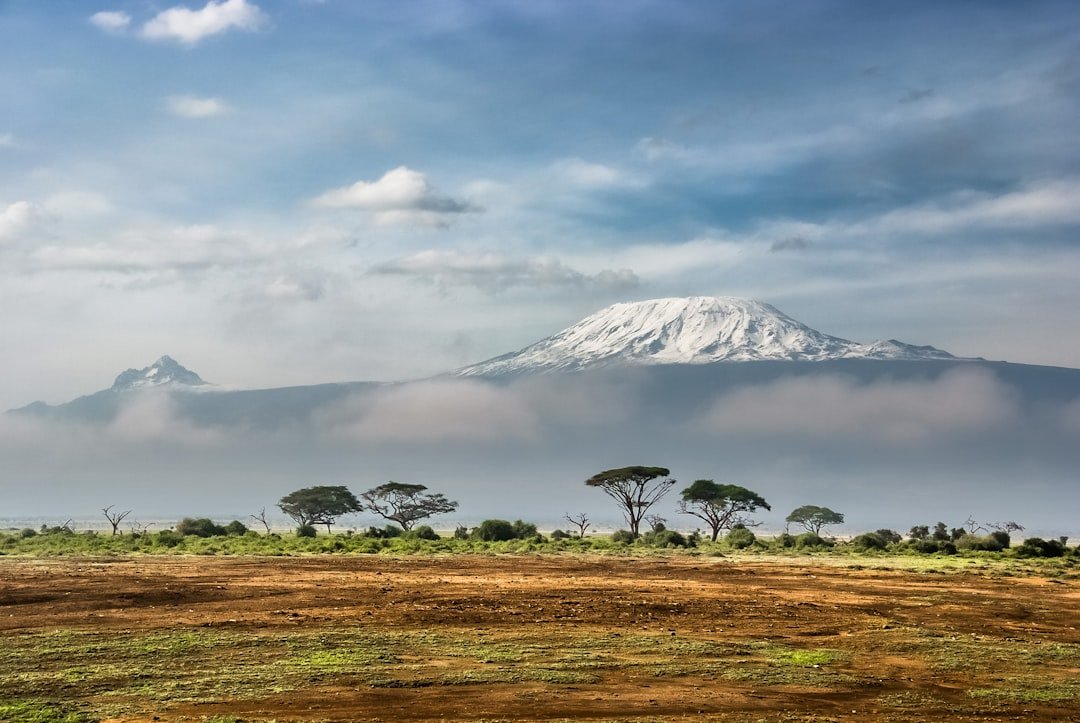
The Great Rift Valley, central highlands, open savannahs, forests, lakes, arid northern landscapes, and coast create very different travel experiences within one country. Visitors can combine wildlife viewing in the Maasai Mara or Amboseli with Nairobi, Mount Kenya, the Rift Valley lakes, Swahili cultural sites, or beaches such as Diani, Watamu, and the Lamu Archipelago.
Disclosure: As an Amazon Associate I earn from qualifying purchases. Some links on this page are affiliate links, at no extra cost to you.
Best Time to Visit Kenya by Travel Goal
| Travel Goal | Best Time | What to Expect |
| Classic first safari | July–October | Dryer conditions, thinner vegetation, concentrated wildlife, high demand, and premium rates. |
| Great Migration in the Maasai Mara | Usually July–October | Migrating herds may enter the Mara, but arrival dates and river crossings change with rainfall and grazing. |
| Warm dry-season trip | January–February | Good safari conditions, warm coastal weather, clearer mountain views, and fewer migration-focused crowds. |
| Lower prices and green scenery | May, parts of June, and November | Fewer visitors and lush landscapes, balanced against rain, muddy roads, insects, and possible camp closures. |
| Birding and photography | November–April | Migratory birds, greener backgrounds, dramatic skies, and active wildlife, with some rain. |
| Beach holiday | January–February; July–October | Generally favorable beach conditions, although the coast remains warm, humid, and capable of receiving rain throughout the year. |
| Mount Kenya trekking | January–February; June–September | A better chance of drier trails and clearer views, though high-elevation weather can change quickly in any month. |
Pro Tip: For a July, August, September, or late-December safari, reserve well in advance if you need a specific camp, family room, private vehicle, or migration-area location. Flexible travelers can often find better value in June, October, or the green season.
Climate and Weather in Kenya
Kenya sits near the equator, but elevation, terrain, and distance from the ocean have a greater effect on local weather than latitude alone. The coast is warm and humid, Nairobi and the central highlands are milder, high mountains can be cold, and much of northern Kenya is hot and arid.
Seasonal Rainfall Patterns
Most of Kenya experiences two broad rainy periods. The main “long rains” usually occur from March through May, while the “short rains” generally fall between October and December. The Kenya Meteorological Department publishes seasonal forecasts because the onset, intensity, and distribution of rainfall vary by region and year.
Rain does not always mean continuous all-day storms. Some days bring a short heavy shower followed by clear weather, while stronger systems can produce prolonged rain, flooding, muddy tracks, or difficult road conditions. April is often among the wettest months in many safari and highland areas, but local conditions should always be checked before travel.
Note: Kenya’s seasons are useful planning guides, not guarantees. Check the current regional forecast shortly before departure, especially during March–May and October–December.
Regional Climate Variations
Nairobi and the central highlands: Nairobi stands at roughly 1,795 meters, or 5,889 feet, above sea level. Days are often comfortable, but early mornings and nights can feel cool. Higher locations around Mount Kenya and the Aberdares are colder and may receive frequent mist or rain.
Maasai Mara and southern safari areas: Days can be warm, but dawn game drives may be chilly, especially from June through August. The main dry season generally improves road conditions and makes animals easier to see through shorter vegetation.
Northern Kenya: Samburu, Marsabit, and surrounding arid regions are often hotter and drier than the highlands. Rainfall can be localized, and heat should be considered when planning activities.
Indian Ocean coast: Mombasa, Diani, Watamu, Malindi, and Lamu are warm and humid for much of the year. Sea breezes can make conditions more comfortable, but April and May are commonly wetter. Rain is still possible outside the main wet period.
Mount Kenya: High-elevation weather can shift quickly from sun to rain, wind, fog, or freezing conditions. Mountain travelers need proper layers and should not rely on coastal or Nairobi forecasts.
How Weather Affects Wildlife and Travel
Seasonal rain shapes Kenya’s grasslands, water sources, roads, and animal movements. In dry periods, wildlife often gathers near rivers and permanent water, while sparse vegetation can improve visibility. During wetter months, the landscape becomes green, newborn animals may be present, and migratory birds add color and variety.
The trade-off is access. Unpaved roads can become muddy, some rivers may rise, and a small number of seasonal camps may close during the wettest weeks. Travelers using road transfers should leave extra time and ask their lodge or operator about the route immediately before travel.
Peak Tourist Seasons in Kenya
Kenya’s busiest safari period generally runs from July through October. These months usually bring dry conditions to many major wildlife areas, and they overlap with the most famous part of the Great Migration in the Maasai Mara. Wildlife enthusiasts visit during this period hoping to see large herds, predators, and possible Mara River crossings.
This is also the period when popular camps, lodges, flights, and private safari vehicles can sell out. Prices are often highest in the Maasai Mara and other well-known reserves. Busy sightings may attract many vehicles, particularly when predators or migrating herds gather in one area.
January and February form another popular travel window. These months are often warm and relatively dry, making them suitable for safari drives, coastal stays, city visits, and trekking. Wildlife remains abundant even though the main migrating herds are usually farther south in the Serengeti ecosystem.
Demand can rise again during Christmas, New Year, Easter, and school-holiday periods. Late December may cost more than early December even when weather conditions are similar.
July through October is the classic safari window, but Kenya’s resident wildlife makes rewarding game viewing possible in every season.
Kenya Month-by-Month Travel Guide
| Month | Typical Demand | General Conditions | Best For |
| January | Moderate to high | Warm and often relatively dry after the short rains; coast is hot and humid. | Safari, beaches, birding, hiking, and clearer mountain views. |
| February | Moderate to high | Often one of the warmest and driest periods in many regions. | General safari, beach trips, trekking, and photography. |
| March | Moderate, then lower | Often warm early in the month, with the long rains becoming more likely as the month progresses. | Shoulder-season value and greener photography. |
| April | Low | Long rains are commonly at or near their peak; muddy roads and heavy showers are possible. | Low crowds, lush scenery, birding, and flexible travelers. |
| May | Low | Rain may continue, but conditions can begin improving later in the month. | Discounts, quiet parks, green landscapes, and dramatic skies. |
| June | Moderate | Rain usually eases in many areas; mornings can be cool and landscapes remain green. | Good value before the main high season and comfortable safari conditions. |
| July | High | Generally dry in major safari regions, with cool mornings in elevated areas. | Classic safaris and the possible arrival of migrating herds in the Mara. |
| August | Very high | Dry safari conditions are common; dawn drives can be cold in the highlands and Mara. | Migration-season safaris, wildlife concentrations, and family travel. |
| September | High | Often dry with excellent visibility; some areas become dusty. | Wildlife viewing, possible migration activity, and safari-beach combinations. |
| October | Moderate to high | Often warm; short rains may begin during the month, depending on the region and year. | Late dry-season wildlife, possible migration activity, and fewer crowds later in the month. |
| November | Low to moderate | Short rains can bring heavy showers, fresh grass, humidity, and clearer air between storms. | Birding, green scenery, lower rates, and less crowded game drives. |
| December | Moderate; high over holidays | Short rains often ease, but local showers remain possible; warm conditions return. | Festive travel, birding, family safaris, and beach extensions. |
Off-Peak and Green-Season Travel
Kenya’s quieter periods usually overlap with the long rains from March through May and the short-rains period from October through December, particularly November. These months can bring lower lodge rates, fewer safari vehicles, lush vegetation, colorful skies, and excellent bird activity.
Wildlife viewing does not stop when rain arrives. Resident animals remain in the parks, and cooler conditions may make some species more active. Green backgrounds can also produce attractive photographs that look very different from the dusty dry-season landscape.
The disadvantages are equally important. Tall grass can make small animals harder to see, rain can interrupt activities, and unpaved roads may become muddy. Some remote camps close for maintenance during the wettest part of the long rains. Coastal humidity and mosquitoes may also be more noticeable.
Travelers who value solitude can find the green season rewarding. A game drive with only a few other vehicles may feel more personal than a peak-season sighting surrounded by a large crowd. The best choice depends on whether lower prices and quiet parks matter more to you than consistently dry roads and maximum visibility.
Special Events and Festivals in Kenya
Kenya’s cultural calendar includes national holidays, religious celebrations, sporting events, music programs, and community festivals. Event schedules can change, so travelers should confirm the year’s dates and venue before building an itinerary around a festival.
Maasai cultural events may include traditional dance, clothing, crafts, food, storytelling, and community ceremonies. A Maasai Mara cultural festival has been promoted in past years, but visitors should not assume that the same name, location, or August schedule will apply every year.
The Lamu Cultural Festival is another well-known celebration associated with Swahili heritage, dhow culture, crafts, music, and life in historic Lamu. Dates have varied, and local security or logistical conditions can affect programming. Lamu Old Town itself is recognized by UNESCO as a World Heritage Site and can be visited outside festival dates.
Jamhuri Day takes place on December 12 and commemorates Kenya’s independence and development as a republic. Celebrations may include official speeches, military ceremonies, parades, performances, and local events. The main national venue is announced by the government and should not be assumed to be Uhuru Park or any other fixed location.
Wildlife Migration in Kenya

The Great Migration is a continuous movement of wildebeest, zebras, and other grazing animals through the Serengeti–Mara ecosystem. The most famous Kenyan phase usually occurs from July through October, when some herds may move into the Maasai Mara in search of grass and water.
The journey exposes animals to exhaustion, steep riverbanks, crocodiles, lions, hyenas, and other predators. These natural events attract photographers and wildlife enthusiasts from around the world. The herds also influence the ecosystem through grazing, movement, and nutrient distribution.
Travelers should understand that the migration does not follow a fixed appointment calendar. Rainfall and available grazing influence how quickly the herds move, when they reach Kenya, how long they remain, and where they cross rivers. The official Magical Kenya migration guide identifies July through October as the most dramatic Mara period, but no operator can guarantee a crossing on a particular day.
Warning: Do not choose a safari company that promises a river crossing at a specific time. Crossings are unpredictable. During sightings, follow your guide’s instructions and avoid operators that crowd, chase, block, or pressure wildlife.
Travel Tips for Visiting Kenya
Check Entry Requirements
Many foreign visitors must obtain an electronic travel authorization before departure, although exemptions apply. Use only the official Kenya eTA portal to confirm your eligibility and requirements.
The official application guidance may require a passport with sufficient validity, a passport-style photograph or selfie, contact information, travel dates, accommodation details, and a payment method. Rules and exemptions can change, so check them again before your flight rather than relying on an old travel article or third-party application site.
Get Itinerary-Specific Health Advice
Health recommendations depend on your age, medical history, destination, trip length, planned activities, and recent travel route. The CDC Kenya traveler page provides current information on routine vaccines, yellow fever, malaria, food and water precautions, and other travel-health risks.
Yellow fever advice is not identical for every itinerary. For example, CDC recommendations differ for travel limited to Nairobi or certain coastal and northeastern areas. Proof of vaccination may also depend on the country from which you arrive. Malaria-prevention advice varies by location, so discuss the complete route with a qualified travel-health professional before departure.
Review Current Safety Information
Security conditions vary across Kenya and can change. Review current government guidance, including the U.S. Department of State Kenya information page or the advisory issued by your own government.
Avoid displaying large amounts of cash or expensive equipment in crowded areas. Use trusted transportation, follow local advice, and avoid unnecessary road travel after dark. Certain border regions and remote areas may have higher security risks than established tourist routes.
Choose Transportation Carefully
Nairobi and other cities have matatus, buses, taxis, and app-based ride services. Matatus are shared minibuses used widely by local residents, but first-time visitors may prefer a reputable taxi, hotel transfer, or known ride service when carrying luggage.
For national parks and remote regions, many visitors book a guided safari that includes a vehicle and driver-guide. This simplifies park access, navigation, wildlife safety, and road logistics. Self-driving offers independence but requires careful route planning, knowledge of local driving conditions, and a suitable vehicle.
Domestic flights can reduce long road transfers between Nairobi, the Maasai Mara, the coast, and remote parks. Baggage limits on small aircraft are often lower than on international flights, so verify the allowance before packing.
Pack for More Than Hot Weather
- Light layers: Mornings can be cold in Nairobi, the highlands, and open safari vehicles even when afternoons are warm.
- Neutral clothing: Beige, brown, olive, and other muted colors are practical for dusty safari conditions.
- Sun protection: Bring sunscreen, sunglasses, and a wide-brimmed hat.
- Rain protection: A light waterproof jacket and dry bag are useful during either rainy season.
- Footwear: Comfortable closed shoes work for game walks, towns, and uneven paths.
- Insect protection: Pack an appropriate repellent and follow medical guidance for mosquito-borne disease prevention.
- Coastal clothing: Choose breathable fabrics and respect modest local dress expectations away from resort beaches, particularly in Muslim-majority communities.
- Camera protection: Dust covers, spare batteries, memory cards, and a waterproof pouch can protect equipment.
Respect Communities and Wildlife
Learning greetings such as “Jambo” and “Asante” can help begin friendly interactions, although everyday Kiswahili includes many greetings that depend on context. Ask permission before photographing people, respect community rules, and use local guides when visiting villages or cultural sites.
On safari, remain inside the vehicle unless your guide says an area is safe for walking. Keep noise low, never feed animals, and do not ask a driver to move closer if doing so would block an animal’s path. Ethical viewing protects wildlife and usually produces a better experience.
Kenya offers far more than one migration season. Dry-season safaris, green-season photography, highland hiking, Swahili heritage, lakeside landscapes, and Indian Ocean beaches can all be combined in one itinerary. Thoughtful timing helps balance weather, wildlife, crowds, cost, and the specific places you most want to see.
A detailed guidebook can help organize routes and local background. This guide to choosing the best travel guidebook explains what to compare. Useful travel accessories may also include a scarf with a hidden pocket for organizing small valuables and a solar charger for backpacking or remote trips where dependable charging may be limited.
Frequently Asked Questions
What is the best time to travel to Kenya?
July through October is usually the best period for a classic dry-season safari. January and February are also excellent for warm weather, wildlife viewing, beaches, and trekking. The best choice depends on whether your priority is migration activity, lower prices, fewer crowds, birding, or coastal travel.
What is Kenya’s weather like during the best travel months?
July through October is generally dry in many major safari regions, with warm afternoons and cool mornings at higher elevations. January and February are often warmer and relatively dry. The coast stays hotter and more humid than Nairobi and the central highlands.
Which attractions are best during the dry season?
The dry season is well suited to wildlife safaris in the Maasai Mara, Amboseli, Samburu, Tsavo, and other reserves. Visitors can also combine a safari with Nairobi, Mount Kenya, the Rift Valley lakes, or Indian Ocean destinations such as Diani, Watamu, Mombasa, and Lamu.
When can I see the Great Migration in Kenya?
Migrating herds are often present in the Maasai Mara between July and October. However, rainfall and grazing determine their movement, so arrival dates and river crossings differ each year. A longer stay improves your chances, but no guide can guarantee a crossing.
Is the rainy season a bad time to visit Kenya?
Not necessarily. Rainy periods offer green scenery, migratory birds, fewer vehicles, and possible lodge discounts. The trade-offs are muddy roads, taller grass, insects, interrupted activities, and occasional camp closures. Travelers with flexible schedules can have an excellent green-season safari.
How far ahead should I book a Kenya safari?
Book as early as practical for July through October, Christmas, New Year, family rooms, private vehicles, and small migration-area camps. Shoulder- and green-season trips usually offer more flexibility, although popular lodges and domestic flights can still fill.
What should I pack for Kenya?
Bring breathable clothing, warm layers for early game drives, comfortable closed shoes, sun protection, insect repellent, a light rain jacket, and any prescribed medication. Add modest clothing for towns and cultural sites, plus dust or rain protection for cameras and electronics.
Sources
- Kenya Meteorological Department Seasonal Forecasts — regional long-rains and short-rains guidance.
- Magical Kenya: The Great Migration — official tourism guidance on the migration and the typical July–October Maasai Mara period.
- Kenya Electronic Travel Authorization — current eTA eligibility, exemptions, documents, and application information.
- CDC Travelers’ Health: Kenya — itinerary-specific vaccination, yellow fever, malaria, and health guidance.
- U.S. Department of State: Kenya International Travel Information — current safety, security, transport, and entry information.
- Kenya Consulate General: About Kenya — official geographic, language, and country information.