

Last Updated on September 10, 2026 by Daniel Globe
New Zealand spans from subtropical regions in the Far North to temperate, alpine zones in the South Island, creating distinct seasonal characteristics across both islands. Because the country sits in the Southern Hemisphere, its climate cycle is opposite to North America and Europe. Understanding these seasonal weather shifts, regional microclimates, and peak travel windows is essential for planning an unforgettable trip to New Zealand.
Quick Answer
The best time to visit New Zealand is during the shoulder seasons of spring (September to November) and autumn (March to May). These months feature comfortable temperatures (15°C–21°C / 59°F–70°F), reduced crowd levels, lower accommodation costs, and ideal conditions for outdoor hiking and sightseeing.
Key Takeaways
- Spring (Sep–Nov): Wildflowers in bloom, rushing waterfalls, crisp hiking weather, and lower travel rates.
- Summer (Dec–Feb): Warmest months (20°C–30°C), long daylight hours, and prime beach weather—requires booking 6–9 months in advance.
- Autumn (Mar–May): Golden fall foliage in Central Otago, comfortable hiking conditions, and grape harvest wine festivals.
- Winter (Jun–Aug): Premier snow sports in Queenstown and Wanaka, geothermal spring soaking, and clear stargazing nights.
Spring: September – November
Nature’s Revival & Floral Displays
Spring marks a dramatic transformation across both islands. Cherry blossoms burst into bloom in Christchurch, while the country’s public gardens and regional orchards come alive with vibrant colors. The Christchurch Botanic Gardens and Otago’s tulip displays draw travelers seeking mild weather and scenic spring walks. Regional spring flower festivals showcase New Zealand’s rich botanical diversity following winter rain.
Outdoor Adventures & Hiking Trail Reopenings
As alpine snow begins to melt, rivers swell and waterfalls across Fiordland and Milford Sound reach peak flow. Spring is an excellent time for trekking before summer crowds arrive. Iconic day hikes, including the Tongariro Alpine Crossing, become accessible as snowlines recede. However, alpine weather can remain unpredictable into November.
Pro Tip: If you plan to hike any of New Zealand’s premier trails, reserve your passes early through the Department of Conservation (DOC). Booking windows typically open mid-year for the upcoming October–April Great Walks season.
Seasonal Weather Highlights
Spring temperatures average between 15°C and 19°C (59°F–66°F). Crisp mornings yield pleasant afternoon sunshine, making spring ideal for road trips, coastal exploration, and wildlife watching—including newborn lambs across rural pastures.
Summer: December – February
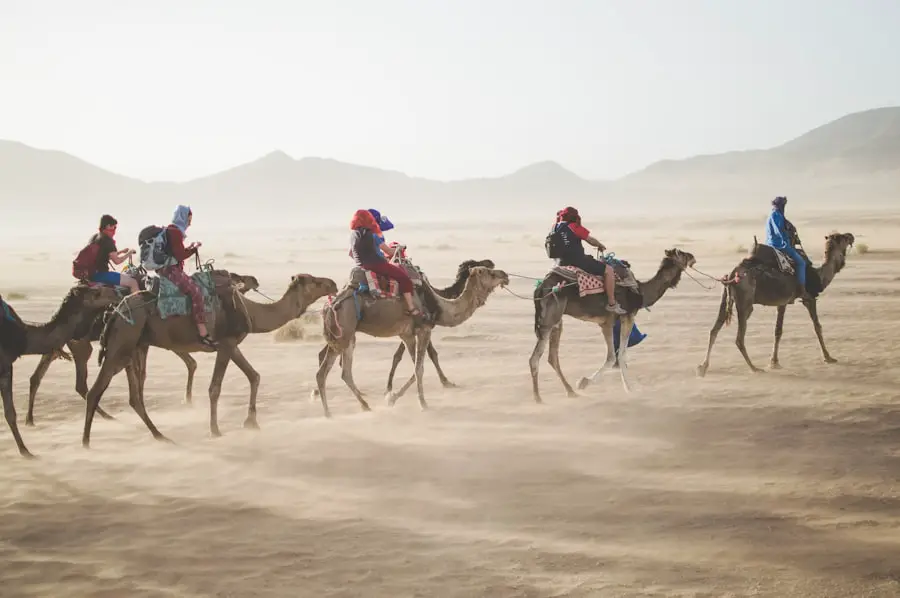
Summer in New Zealand brings warm temperatures and extended daylight hours—with daylight lasting past 9:00 PM in southern regions like Southland and Otago. Daytime highs range from 20°C to 30°C (68°F–86°F), particularly in northern regions such as Northland, Auckland, and Hawke’s Bay.
Coastal areas like the Bay of Islands, Coromandel Peninsula, and Abel Tasman National Park become major destinations for swimming, sea kayaking, surfing, and sailing. Summer is also the height of New Zealand’s outdoor festival calendar. The Auckland Lantern Festival celebrates the Lunar New Year, while food, wine, and music events occur nationwide.
Warning: The UV radiation index in New Zealand during summer is high due to clear, unpolluted skies. Apply broad-spectrum SPF 50+ sunscreen, wear sunglasses, and reapply frequently when outdoors.
For wine enthusiasts, summer heralds the grape ripening season in famous wine regions like Marlborough, Martinborough, and Hawke’s Bay, where vineyard tours and outdoor tastings are popular daily activities.
Autumn: March – May
| Month | Average Temp (°C / °F) | Average Rainfall (mm) |
|---|---|---|
| March | 20°C (68°F) | 50 mm |
| April | 18°C (64°F) | 40 mm |
| May | 15°C (59°F) | 30 mm |
As summer shifts into autumn from March to May, New Zealand’s landscape transitions into vibrant autumnal colors. Deciduous trees turn brilliant shades of red, amber, and gold, particularly in historic mining towns like Arrowtown and across Central Otago and Waikato.
Temperatures moderate to comfortable daily averages between 10°C and 20°C (50°F–68°F). Settled weather conditions make autumn one of the finest seasons for photography, hiking, and cycling along major trail networks such as the Routeburn Track or the Otago Central Rail Trail.
Autumn coincides with the annual grape harvest. Wine lovers flock to regional celebrations like the Central Otago Wine Festival and Marlborough harvest celebrations to sample fresh vintages alongside regional culinary offerings.
Winter: June – August
Winter spans June to August, transforming the Southern Alps into a winter sports destination. While the North Island maintains milder maritime temperatures around 10°C to 15°C (50°F–59°F), the South Island receives substantial snowfall across mountain zones.
Queenstown, Wanaka, and Methven serve as resort bases for ski fields such as Cardrona, The Remarkables, Coronet Peak, and Mt Hutt. North Island skiers head to Mount Ruapehu in Tongariro National Park to ride commercial ski fields on an active volcano.
“Crisp, clear winter nights in the South Island offer exceptional stargazing conditions, especially within the Aoraki Mackenzie International Dark Sky Reserve.”
Beyond snow sports, winter offers relaxing thermal experiences in geothermal hot springs located in Rotorua, Taupō, and Hanmer Springs, alongside scenic winter cruises through the mist-shrouded fjords of Milford and Doubtful Sound.
Factors to Consider When Planning Your Trip

Products Worth Considering

TOP GRAIN NEW ZEALAND LAMBSKIN — FEEL THE DIFFERENCE – This men's leather bomber aviator jacket is built from premium New Zealand lambskin — prized globally for its exceptionally fine grain, butter-soft texture, and long-lasting durability that only deepens with age, never diminishing.

Experience Ultimate Comfort: The 100% merino wool base layer women is soft and breathable, so comfortable that you’ll forget you’re wearing it.

PREMIUM NEW ZEALAND LAMBSKIN: Crafted from 100% genuine New Zealand lambskin leather with a butter-soft, supple feel and long-lasting quality. Features a smooth, fully-lined interior for comfortable, easy layering over tops and sweaters.
Weather and Climate
New Zealand’s maritime climate means weather conditions can shift rapidly. Even in summer, mountain environments can experience abrupt temperature drops. Checking official weather forecasts on MetService New Zealand helps ensure safety during outdoor excursions.
Regional Variations (North vs. South Island)
The North Island is generally warmer and receives less snowfall, making it suitable for year-round sightseeing, cultural tours, and thermal resort visits. The South Island features dramatic topographical shifts, alpine passes, glaciers, and colder winters required for snow sports.
Seasonal Attractions and Booking Windows
Peak travel runs from mid-December through February and coincides with New Zealand school holidays. Accommodation and vehicle rentals fill rapidly. Planning trips during the shoulder months (October–November or March–April) balances pleasant weather with improved availability and lower accommodation rates.
Note: When packing for international flights, select durable carry-on luggage suited for international travel. Layerable clothing, rain protection, and sturdy footwear are essential items regardless of the season visited.
Events and Festivals Throughout the Year
New Zealand maintains a busy cultural and event calendar across all four seasons:
- Spring: Floral celebrations, food festivals, and heritage events showcase local horticulture and regional produce.
- Summer: Major music festivals (such as Gisborne’s Rhythm & Vines), outdoor concerts, and Waitangi Day commemorations (February 6th).
- Autumn: Harvest festivals, wine auctions, and outdoor sports events celebrate regional food and beverage culture.
- Winter: The Queenstown Winter Festival opens the ski season with street parties, fireworks, and snow sport competitions, alongside winter solstice and Matariki (Māori New Year) cultural observances.
Products Worth Considering

Personalized gift idea: A scratch-off surprise concert tickets, ideal for a gift to a friend or family member. You can make your own by writing down the artist and putting a scratch sticker on top. Give them this surprise reveal card and watch as they scratch off the red heart sticker to reveal your surprise artist.

Choosing the Best Time to Visit New Zealand
Selecting the ideal month for your trip depends entirely on your primary interests:
- For Hiking & Sightseeing: March to May (Autumn) or October to November (Spring) offer comfortable temperatures, manageable trail traffic, and clear photography conditions.
- For Beaches & Water Sports: December to February (Summer) provides long sunny days and warm swimming temperatures.
- For Skiing & Snowboarding: July to August (Winter) delivers peak snow coverage across South Island and North Island ski fields.
By matching your itinerary with New Zealand’s distinct seasonal cycles, you can make the most of your journey to this southwestern Pacific destination.
Products Worth Considering

❤【SPACIOUS WITH MULTIPLE POCKETS】: This 15L capacity hiking backpack has 5 zippered locations including 2 waist zipper pockets to accommodate a book, phone, keys, snacks, first aid kit, basic essentials needed for day hikes.This small hiking backpack has one open pocket in the center for a bike helmet and two mesh side pockets for mineral water. This water pack still has room for a light jacket after filling up a 3L hydration bladder. NOTE: Bladder is NOT included.

Built for Day Hikes: This 25L hiking daypack gives you room for layers, snacks, water, and trail basics without carrying a bulky pack. A clean trail-ready layout makes it easy to use for day hikes, short camping trips, and national park walks

45L Spacious & Ultra‑Light Foldable Design:Weighs only 1.15 lbs (0.58 kg). This 45‑liter foldable hiking daypack compacts into its own built‑in pocket for easy suitcase or drawer storage. Great storage volume for day‑hike supplies, travel clothing and light‑camping gear. Best suited for short‑distance outdoor adventures
Frequently Asked Questions
What is the best time to travel to New Zealand?
The best overall time to visit New Zealand is during the shoulder seasons of spring (September to November) and autumn (March to May). These months offer mild weather, lower accommodation rates, and fewer crowds compared to peak summer.
What is the weather like in New Zealand during the summer?
Summer (December to February) brings warm, sunny days with average daytime temperatures ranging from 20°C to 30°C (68°F to 86°F). Days are long, with daylight extending past 9:00 PM in southern regions.
When is the peak tourist season in New Zealand?
Peak tourist season occurs during summer, from mid-December through February. This period coincides with local school holidays, warm beach weather, and high demand for travel bookings.
Are there any specific events or festivals to consider when planning a trip?
Yes. Key events include summer music festivals like Rhythm & Vines, Waitangi Day commemorations in February, regional wine harvest festivals in autumn, and winter festivals in Queenstown celebrating the snow season.
What are the advantages of traveling during the off-peak season?
Traveling during shoulder or off-peak months offers lower accommodation prices, higher availability for rental vehicles and tours, shorter lines at popular attractions, and uncrowded hiking trails.
What are the disadvantages of traveling during the peak tourist season?
Disadvantages include elevated accommodation and rental prices, congested roads and popular sights, and the requirement to book popular activities and Great Walks several months in advance.
Sources
- Tourism New Zealand — Official travel guides and seasonal planning resources
- MetService New Zealand — Official meteorological forecasts and historical climate averages
- Department of Conservation (DOC) — Great Walks booking schedules and park safety information
- National Institute of Water and Atmospheric Research (NIWA) — New Zealand climate summaries and atmospheric statistics
