
Last Updated on July 28, 2026 by Ethan Caldwell
September can be an excellent month to travel in the United States. Summer crowds often ease after Labor Day, many places have comfortable daytime weather, and early fall color begins in northern or high-elevation areas. The tradeoff is more changeable weather: Atlantic hurricanes, western wildfire smoke, and early mountain snow can affect plans, so flexible bookings and daily condition checks matter.
Quick Answer
Yes, September is often a great time to travel in the USA. You may find lighter post-summer crowds, pleasant weather, major festivals, active wildlife, and early fall color. Choose northern New England for foliage, western parks for scenery, or coastal cities for culture—but keep reservations flexible because storms, smoke, and early snow can disrupt plans.
Key Takeaways
- Northern New England and high mountain elevations may show early color in late September, but peak foliage varies by location and year.
- Yellowstone, Grand Teton, Glacier, Acadia, and North Cascades can be rewarding, though services and roads may change as the month progresses.
- September is near the climatological peak of Atlantic hurricane activity, while wildfire smoke can affect western destinations.
- Midweek travel, flexible lodging, and daily checks of official road, weather, air-quality, and park pages reduce cost and disruption risk.
Disclosure: As an Amazon Associate I earn from qualifying purchases. Some links on this page are affiliate links, at no extra cost to you.
Why September Is a Great Time to Travel in the USA
September sits between the busiest part of summer and the main fall travel rush in many destinations. Families return to school schedules, daytime heat often starts to ease, and outdoor attractions can feel less congested than they did in July or August. That does not mean every place is quiet: Acadia, popular New England foliage routes, major festivals, and famous western parks can still be busy.
The month also offers variety. You can combine coastal drives, national parks, city weekends, harvest activities, state fairs, and the first signs of fall color. Lodging and airfare may cost less after major summer holidays, but savings are not guaranteed. Prices still rise around weekends, festivals, sold-out park areas, and peak foliage periods.
Note: Treat September as a shoulder-season opportunity, not a guaranteed bargain. Compare refundable rates, include taxes and parking, and check whether a festival or foliage weekend is pushing prices up.
Best September Trips by Travel Style
The best destination depends on what you want from the trip. Use this comparison to narrow the options before you book.
| Trip Style | Strong September Choices | Main Planning Issue |
|---|---|---|
| Early fall color | Northern New Hampshire, northern Vermont, Maine, high Rocky Mountain valleys | Color timing changes with latitude, elevation, and weather |
| Wildlife and national parks | Yellowstone, Grand Teton, Glacier, Acadia, North Cascades | Cold nights, seasonal service reductions, and possible closures |
| Coastal road trip | Maine coast, Oregon Coast Highway, California Highway 1, Outer Banks | Storms, fog, landslides, and road closures |
| Festivals and city culture | Charleston, New York City, Seattle/Puyallup, West Springfield | Event weekends can sell out and raise hotel prices |
| Warm-weather getaway | Charleston, Savannah, Southern California, parts of the Southwest | Heat may linger, and the Southeast remains in hurricane season |
Best Scenic Road Trips in September
September road trips can combine cooler driving weather with coastlines, mountain scenery, wildlife, and early foliage. Build extra time into the route so you can adjust for storms, smoke, construction, and seasonal closures.
Coastal Fall Drives
Maine’s Park Loop Road in Acadia offers rocky shoreline views, trail access, and nearby harbor towns. Farther west, the Oregon Coast Highway and California Highway 1 pair ocean scenery with beaches and small communities. On the Atlantic side, the Outer Banks can be quieter after summer, but September is a high-risk month for tropical systems.
Check current road conditions before each driving day. California coastal roads can close after slides or damage, and storms can interrupt ferry service, bridge access, and beach plans. Pack a light rain shell, keep the fuel tank above half in remote areas, and avoid a rigid point-to-point itinerary.
Mountain Leaf Routes
New Hampshire’s Kancamagus Highway and Vermont Route 100 are classic fall drives. Northern and higher-elevation areas may begin changing in late September, but the best color can arrive later. The U.S. Forest Service fall-color guide is a useful starting point, and state foliage reports are more reliable close to departure.
The Blue Ridge Parkway is scenic in September, but most of its broad fall-color display usually develops in October. The National Park Service notes that scattered color may appear at the highest elevations in late September while most trees change later.
National Park Scenic Drives
Several parks have signature roads that work well in a September itinerary. Conditions can change quickly, so check the park’s official current-conditions page on the morning you travel.
| Park or Area | Scenic Route | Why It Works in September |
|---|---|---|
| Acadia | Park Loop Road | Coastal scenery, trail access, and early seasonal change |
| Glacier | Going-to-the-Sun Road | Alpine views with cooler weather, subject to early snow or temporary closure |
| Yellowstone | Grand Loop Road | Geyser basins, valleys, and wildlife viewing from one connected route |
| Grand Teton | Teton Park Road and Jenny Lake Scenic Drive | Mountain views, golden cottonwoods, and easy scenic stops |
| North Cascades | State Route 20 | Highway overlooks and trailheads during the main operating season |
Pro Tip: Download offline maps before entering mountain or coastal areas. Cell service may disappear exactly where you need a closure update, alternate route, or fuel stop.
September Weather by U.S. Region
September weather differs sharply across the country. Official NOAA U.S. Climate Normals can show what is typical for a specific city, but a forecast is more useful for the actual travel week.
| Region | Typical September Pattern | Pack and Plan For |
|---|---|---|
| Northeast and New England | Warm afternoons, cooler mornings, and increasing color late in the month | Layers, rain protection, and busy foliage weekends |
| Southeast and Gulf Coast | Warm, humid conditions with tropical-storm risk | Refundable bookings and a storm backup plan |
| Midwest and Great Lakes | Comfortable days, cooler nights, and changeable lake-influenced weather | Wind layer, light rain gear, and flexible outdoor timing |
| Rockies and high-elevation West | Mild sunny periods with cold nights and possible early snow | Warm layers, gloves, and road-condition checks |
| Pacific Northwest | Often pleasant, but smoke, rain, and mountain weather can shift quickly | AQI checks, rain shell, and trail-closure updates |
| Southwest and California | Warm to hot at lower elevations and cooler at night inland or higher up | Sun protection, water, and heat-aware scheduling |
Warning: September is near the climatological peak of Atlantic hurricane activity. The West can also face wildfire smoke, and high mountain roads can see early snow. Check the National Weather Service, the National Hurricane Center, and the AirNow Fire and Smoke Map before travel.
Best Places to Visit in the Northeast in September
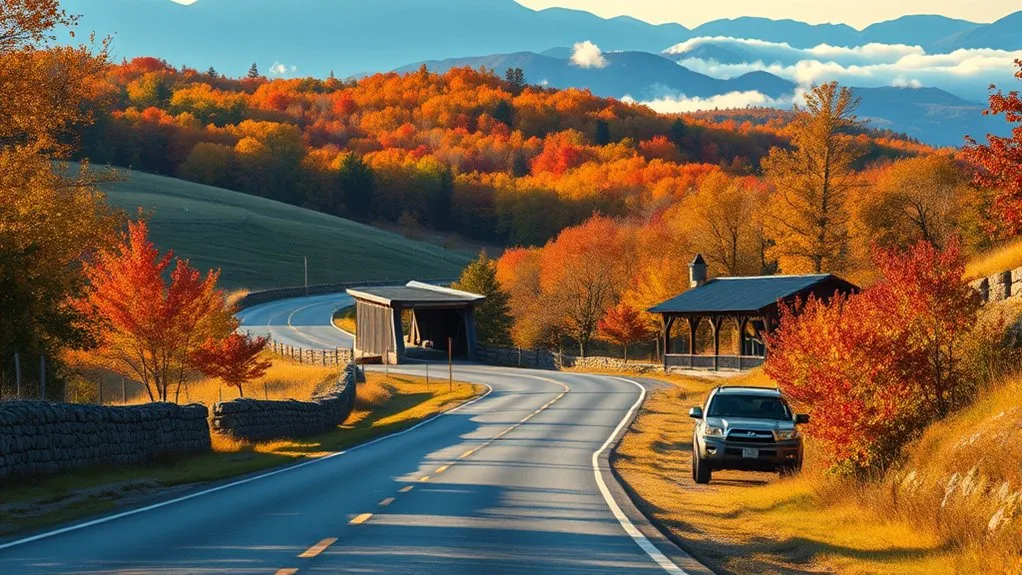
The Northeast works well for travelers who want coastal scenery, small towns, hiking, farms, and the first stages of fall color. Early September can still feel summery, while late September is more likely to bring cool mornings and visible color in northern areas.
Acadia’s Coastal Trails
Acadia National Park protects more than 47,000 acres and offers rocky shoreline, mountain trails, historic motor roads, and 45 miles of carriage roads. September weather is variable, so carry layers even when Bar Harbor feels mild.
- Walk Jordan Pond Path or choose a shorter ocean-side trail that matches your ability.
- Bike or walk sections of the carriage-road network.
- Drive Park Loop Road early to improve your chances of finding parking.
- Check tide times and keep away from wave-washed rocks during rough conditions.
- Reserve vehicle access for Cadillac Summit Road when required.
For 2026, a vehicle reservation is required for Cadillac Summit Road from May 20 through October 25. The reservation is separate from the park entrance pass and is sold online, not at the entrance station. Review the official Acadia reservation page before planning sunrise or daytime access.
New England Fall Drives
Late September can bring strong color to northern New England, especially at higher elevations, but there is no fixed peak date. The Kancamagus Highway provides mountain overlooks and trail access, while Vermont Route 100 connects villages, farms, and mountain scenery. Maine’s coast offers a different mix of ocean views and early inland color.
Orchards, harvest markets, and farms can add easy stops to the route. In West Springfield, Massachusetts, The Big E runs from September 18 through October 4, 2026, giving travelers a major food, agriculture, and entertainment stop. Check the official event site for tickets and daily schedules.
Note: Foliage forecasts are estimates. Dry weather, heat, wind, rain, latitude, and elevation can shift the display, so check a state or park foliage report a few days before the drive.
Best September Trips in the West
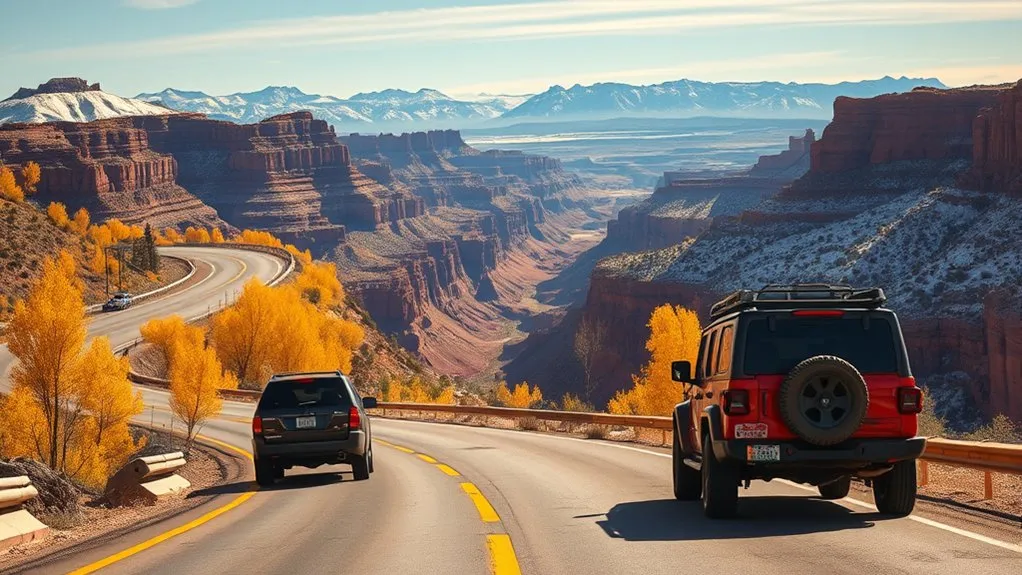
September can bring golden light, cool mornings, and strong hiking conditions across the West. It can also bring smoke, cold nights, reduced seasonal services, and early snow at elevation. Build the route around current conditions rather than assuming every road and trail will remain open all month.
- Glacier National Park: Going-to-the-Sun Road is a standout drive when fully open. In 2026, vehicle reservations are not required anywhere in the park, but Logan Pass uses special parking and shuttle rules. Check the 2026 visitor-management page and current conditions before arrival.
- Yellowstone National Park: September averages vary by elevation. Mammoth Hot Springs is milder than Yellowstone Lake, and snow is possible. Some campgrounds and services begin closing, so review the official seasonal guide.
- Grand Teton National Park: Sunny days can alternate with cold nights, rain, and occasional snow. Cottonwoods and aspens may turn gold along valleys and river corridors.
- North Cascades: State Route 20 usually remains open in September, but fire, smoke, and trail closures can change access. Check the official road-conditions page.
- San Francisco and the central California coast: The city often has comfortable early-fall conditions, while Highway 1 adds coastal scenery. Check Caltrans before committing to a through-route.
Best September Trips in the South, Southwest, and Midwest
Southeast Coasts and Historic Cities
Charleston and Savannah combine historic districts, food, museums, and evening walks. The Outer Banks offers beaches and a long coastal drive. These trips can be rewarding after the main summer rush, but tropical weather is the major planning risk. Choose refundable lodging and avoid nonchangeable island or ferry plans when a storm is developing.
Southwest Art and High Desert
Santa Fe and Taos are strong choices for art, architecture, food, and high-desert scenery. Days can remain sunny and warm, while nights cool quickly because of elevation. Schedule exposed walks earlier in the day, carry water, and use sun protection even when the air feels cool.
Midwest Cities and Great Lakes
Chicago works well for architecture, museums, lakefront paths, and neighborhood dining. Farther north, Wisconsin, Michigan, and Minnesota offer shorelines, forests, and quieter outdoor routes. Early color may begin in northern areas late in the month, but lake weather can turn windy or wet with little warning.
Best U.S. Cities for September Festivals
Festival dates can change, but these major 2026 events have official schedules published. Book rooms early for weekend dates and confirm the daily program before buying transportation.
| Destination | 2026 Event and Dates | Why Go |
|---|---|---|
| Charleston, South Carolina | MOJA Arts Festival, September 24-October 1 | Music, dance, theater, visual art, food, and African American and Caribbean culture |
| Puyallup, Washington | Washington State Fair, September 4-27; closed Tuesdays and September 9 | Fair food, agriculture, rides, shows, and concerts near the Seattle area |
| West Springfield, Massachusetts | The Big E, September 18-October 4 | New England food, state exhibits, agriculture, shopping, and entertainment |
| New York City | 64th New York Film Festival, September 25-October 12 | Major film premieres, screenings, and filmmaker appearances |
Best National Parks to Visit in September
National parks can be excellent in September, but “fewer crowds” should not be treated as universal. Popular viewpoints and trailheads can still fill early, especially on weekends and during fall-color periods.
- Yellowstone: Strong for geysers, valleys, wildlife watching, and cooler hiking. Expect freezing nights at higher elevations and possible early snow.
- Grand Teton: Strong for mountain photography, lake walks, wildlife, and golden deciduous trees. Carry warm layers for dawn and dusk.
- Glacier: Strong for alpine scenery and Going-to-the-Sun Road. Weather may shorten the season or temporarily close high sections.
- Acadia: Strong for coastal hiking, carriage roads, and Park Loop Road. Parking pressure can continue through September.
- North Cascades: Strong for mountain drives and hiking, but smoke and fire closures require close monitoring.
Wildlife must be viewed from a safe distance. Never approach animals for a photograph, and follow each park’s food-storage and bear-safety rules.
How to Beat Crowds and Save Money in September
September can lower some travel costs, but timing matters more than the month alone. A sold-out festival Saturday may cost more than an ordinary August weekday.
| Move | Payoff |
|---|---|
| Stay Sunday through Thursday | Often better availability and less weekend congestion |
| Use refundable or changeable rates | More freedom to react to storms, smoke, or road closures |
| Sleep outside the busiest gateway town | Lower prices may outweigh a longer drive |
| Arrive before peak daytime hours | Better parking and quieter trails or viewpoints |
| Compare the total trip cost | Avoid “cheap” rooms with high parking, resort, or transport fees |
September Trip Planning Tips for the USA
September rewards flexible travelers: choose the region carefully, check conditions daily, and leave enough room in the schedule to change direction.
- Choose the trip goal first: foliage, wildlife, coast, festival, city, or warm weather.
- Check official climate normals, then review the seven-day forecast close to departure.
- Use refundable lodging for hurricane-prone coasts and smoke-prone western areas.
- Confirm park reservations, timed-entry rules, shuttle tickets, road openings, and seasonal service dates.
- Pack layers, a waterproof shell, sun protection, walking shoes, and a refillable water bottle.
- Download maps and key reservation details for offline use.
- Leave one flexible day or half-day in a road-trip schedule.
- Check air quality, road status, and weather each morning before a hike or long drive.
- Keep an alternate indoor activity for storms, smoke, or poor visibility.
- Do not rely on a foliage prediction made weeks in advance; update the route close to departure.
Pro Tip: Save screenshots of park passes, road maps, hotel cancellation terms, and festival tickets. Remote areas may have weak service, and an app login can fail when you need it most.
Frequently Asked Questions
Where should I travel in the USA in September?
Choose northern New England for early foliage, Yellowstone or Grand Teton for wildlife and mountain scenery, Acadia for a coastal park trip, Santa Fe for art and high-desert culture, or Charleston, New York City, and the Seattle area for major festivals.
Is September a good time to drive across the United States?
Yes, but the route matters. September can bring comfortable driving weather and lighter post-summer traffic, while hurricanes, wildfire smoke, heat, and early mountain snow can disrupt certain regions. Check weather, air quality, and road conditions every day.
Which September trip is best for fall foliage?
Northern New Hampshire, northern Vermont, and parts of Maine are among the best late-September choices. Peak color is not guaranteed, and much of southern New England and the Blue Ridge reaches stronger color in October.
Is September the best month to travel?
It is one of the most versatile months, but not automatically the best for every destination. It works well for shoulder-season city trips, national parks, festivals, and early foliage. It is less predictable for hurricane-prone coasts and smoke-prone western regions.
Do national parks require reservations in September?
Some do for specific roads, shuttles, lodging, camping, or activities. Acadia requires a Cadillac Summit Road vehicle reservation through October 25 in 2026. Glacier does not require general vehicle reservations in 2026, but Logan Pass has separate parking and shuttle procedures.
What should I pack for a September trip in the USA?
Pack layers, a light waterproof shell, comfortable walking shoes, sun protection, and a refillable bottle. Add warm gloves and a hat for high-elevation parks, plus backup masks if smoke is possible and any prescribed emergency medication you may need.
Sources
- NOAA U.S. Climate Normals — typical temperature and precipitation planning data by location.
- NOAA Tropical Cyclone Climatology — timing of the Atlantic hurricane season and its September peak.
- AirNow Wildfires — current wildfire-smoke and air-quality information.
- U.S. Forest Service Fall Colors — official fall destinations and foliage-planning guidance.
- Acadia National Park Vehicle Reservations — 2026 Cadillac Summit Road reservation dates and rules.
- Glacier National Park Vehicle Reservations in 2026 — current vehicle-access and Logan Pass planning information.
Conclusion
September gives U.S. travelers a useful mix of comfortable weather, festivals, outdoor access, and early seasonal color. The strongest trips are built around realistic timing: northern New England for late-month foliage, western parks for scenery and wildlife, and cities for culture and events. Pack layers, use flexible reservations, and check official conditions daily so storms, smoke, road work, or early snow do not derail the trip.