
Last Updated on September 11, 2026 by Daniel Globe
The best time to visit the Italian Riviera depends on whether you want warm water, open hiking trails, low prices, or the quietest coastal towns. For the best overall balance, plan your Liguria trip for May, June, September, or early October. These months usually offer comfortable weather and more manageable crowds than July and August.
Quick Answer
May, June, September, and early October are usually the best months to visit the Italian Riviera. Choose May or October for hiking and sightseeing, June or September for warm beach weather, and November through March for lower prices and quiet towns. July and August are hottest, busiest, and most expensive.
Key Takeaways
- Best overall: May, June, September, and early October.
- Best for swimming: Late June through September, when the Ligurian Sea is normally warmer.
- Best for hiking: April, May, late September, and October on dry, alert-free days.
- Best for lower prices: November through March, excluding Christmas, New Year, and major event dates.
- Busiest period: July, August, holiday weekends, and the days around Ferragosto on August 15.
At a Glance
| May | Excellent for gardens, sightseeing, and hiking; the sea can still feel cool. |
| June | Warm, bright, and good for mixed beach and sightseeing trips; demand rises late in the month. |
| July–August | Best for dependable beach weather, but expect heat, premium prices, and heavy crowds. |
| September | Warm sea, pleasant evenings, and a strong balance of swimming and sightseeing. |
| October | Good for food, culture, and hiking, although rain and rough-sea disruptions become more likely. |
| November–March | Quiet and often less expensive, with reduced ferry, hotel, restaurant, and attraction schedules. |
Disclosure: As an Amazon Associate I earn from qualifying purchases. Some links on this page are affiliate links, at no extra cost to you.
What This Guide Means by the Northern Riviera
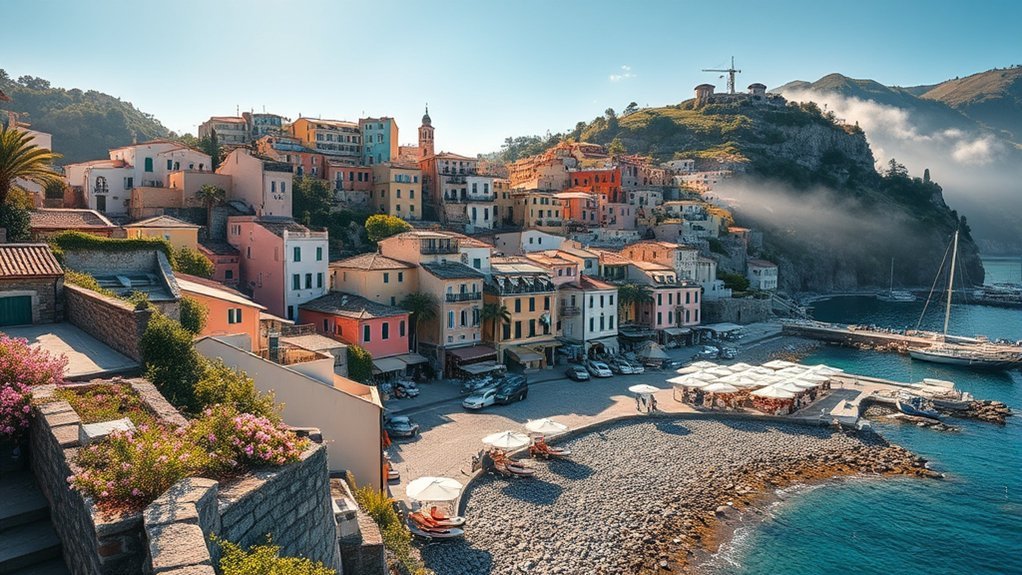
“Northern Riviera” is not a precise official destination name. In this guide, it refers to the Italian Riviera in Liguria, including Genoa, Camogli, Santa Margherita Ligure, Portofino, Levanto, Cinque Terre, La Spezia, and nearby coastal towns.
It does not refer to the French Riviera around Nice, Cannes, Monaco, or Menton. Those destinations have different event calendars, transport systems, and local conditions. Using the Italian Riviera name also makes it easier to find accurate railway, ferry, park, and weather information.
What Is the Best Time to Visit the Italian Riviera?
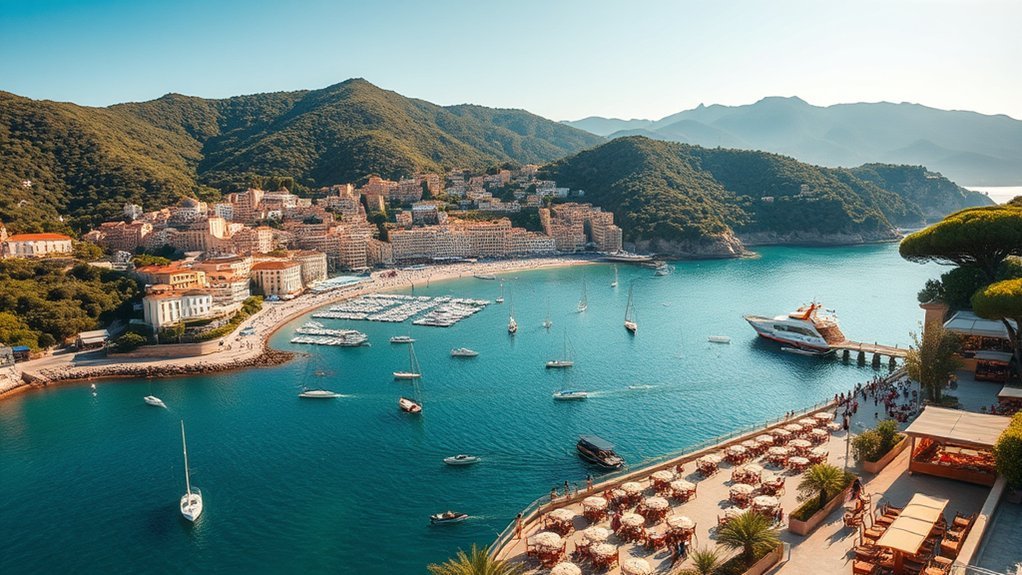
For most travelers, the best time to visit the Italian Riviera is from May through June or from September through early October. These periods offer a useful balance of warm weather, long daylight hours, active transport services, and fewer visitors than the height of summer.
May is especially good for hiking, gardens, and town sightseeing. June brings more reliable beach weather without the full intensity of August. September is one of the strongest all-around choices because the sea normally retains summer warmth while the most extreme heat begins to ease.
Early October can be excellent for walking, food, photography, and cultural visits. However, autumn rain may affect exposed trails and ferries, so build some flexibility into your plans.
For the widest choice of activities, target late May, June, or September rather than assuming one month is best for every traveler.
Spring Weather and Bloom Season on the Italian Riviera
Spring gradually brings longer, milder days to the Ligurian coast. March can still feel cool, windy, and wet, especially in the morning or on exposed headlands. By April and May, coastal sightseeing and hiking are usually more comfortable, although rain remains possible.
Typical daytime conditions vary across Liguria, but spring visitors can often expect temperatures ranging from the low teens Celsius in March to the high teens or low 20s Celsius by May. Pack a light waterproof layer rather than relying on a single warm-weather outfit.
Spring is also a rewarding time for gardens. Relevant Ligurian choices include the Hanbury Botanical Gardens near Ventimiglia and Parchi di Nervi in Genoa. Opening hours, seasonal displays, and ticket arrangements should be checked before travel.
Pro Tip: Easter and spring holiday weekends can feel much busier than surrounding weekdays. Compare the holiday calendar before assuming every April or May date will be quiet.
Why Late May and June Are So Popular
Late May and June combine comfortable air temperatures with long days and a fuller range of seasonal services. Coastal walks, harbor visits, restaurant terraces, boat excursions, and beach stops can all fit into the same itinerary.
Late May usually favors sightseeing and hiking more than prolonged swimming because water temperatures can still feel cool. June offers a better chance of comfortable swimming, particularly later in the month, while afternoon heat is normally less intense than in July or August.
Demand increases as June progresses. Travelers staying in Portofino, the Cinque Terre villages, or small waterfront hotels should reserve early because limited room inventory can sell out even when the coast does not feel universally crowded.
What Summer Is Like on the Italian Riviera
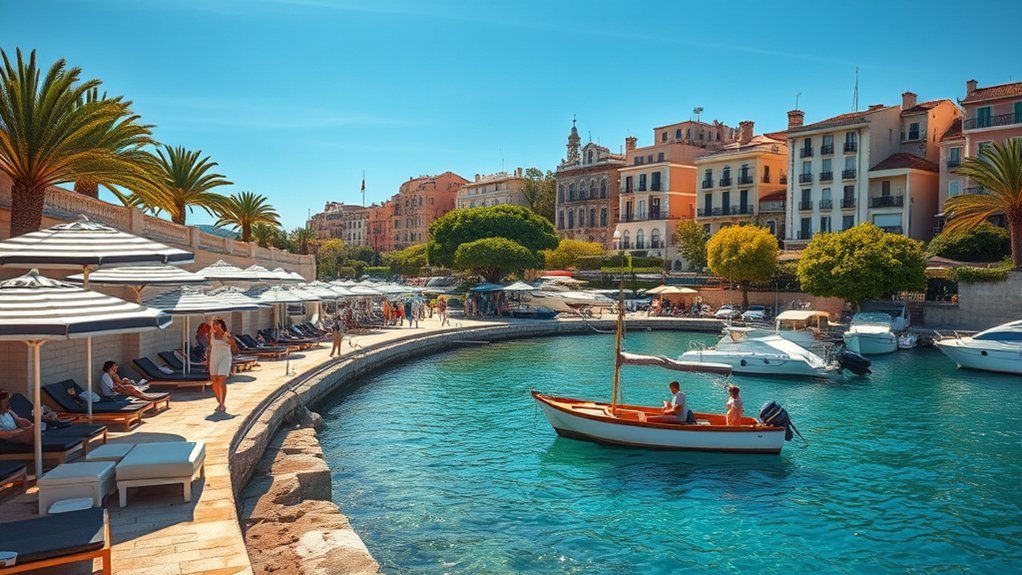
Summer is the Italian Riviera’s main beach season. Coastal highs are often in the mid-20s to low 30s Celsius, although heat waves can push temperatures higher. July and August offer long, bright days and the warmest swimming conditions, but they also bring the highest lodging demand, crowded trains, busy beaches, and longer restaurant waits.
Peak Crowds and Heat
The most intense period usually runs from July through August, with an additional surge around Ferragosto on August 15. Small villages feel crowded quickly because platforms, lanes, beaches, and waterfront restaurants have limited space.
| Crowded trains | Travel early, avoid carrying oversized luggage on day trips, and leave extra transfer time. |
| Hot afternoons | Plan steep walks in the morning and use the hottest hours for lunch, museums, or swimming. |
| Full beaches | Reserve beach-club space where available or choose a less famous town. |
| High room rates | Book several months ahead or stay near a railway station outside the smallest villages. |
Beach Life and Festivals
Summer is best suited to travelers whose main priorities are swimming, sunbathing, boating, and long waterfront evenings. Ligurian beaches range from sandy sections to pebble beaches, rock platforms, and small coves, so water shoes can be useful.
Summer also brings local religious celebrations, food festivals, concerts, and maritime events. Genoa marks the feast of its patron saint, San Giovanni Battista, with events around June 23 and a traditional procession on June 24. Check the official Visit Genoa calendar for the current program.
Best Times of Day to Explore
In July and August, begin outdoor sightseeing by about 8:00 or 9:00 a.m. when possible. The early morning is better for steep lanes, open viewpoints, and photography, while late afternoon and evening are more comfortable for harbor walks.
Do not assume midday trails will be shaded. Many routes cross exposed terraces and slopes. Carry enough water, wear sun protection, and choose an alternative plan during extreme heat.
Why Fall Is a Great Time to Visit
September is one of the Italian Riviera’s strongest months. The sea often remains warm enough for swimming, restaurants and transport services are still active, and the harshest summer heat normally begins to ease. Popular villages can remain busy, especially on sunny weekends, so September should not be treated as a guaranteed low-crowd month.
October favors cultural visits, walking, food, and photography. It also brings a greater risk of heavy rain, thunderstorms, rough seas, and temporary trail or ferry disruptions. Flexible travelers may find October rewarding, but tightly scheduled itineraries need backup plans.
Mild Weather and More Manageable Crowds
Late September and early October often provide comfortable conditions for town walks and moderate hiking. Visitor levels generally ease after the main school-holiday period, although weekends, organized tours, cruise calls, and large events can still produce busy stations and waterfronts.
- Walk in the cooler morning hours.
- Use weekdays for Cinque Terre or Portofino.
- Keep one indoor day available in case of rain.
- Check ferry operations before leaving your hotel.
- Reserve popular restaurants rather than relying on walk-in seating.
Harvest Season and Local Food
Autumn brings grape harvesting, seasonal produce, mushrooms in inland areas, and menus built around regional ingredients. Vineyard visits and food events can add depth to a coastal trip, but harvest schedules depend on weather and are not fixed tourist performances.
October light can be excellent for photographing terraced hillsides and coastal villages. The tradeoff is shorter daylight and less reliable weather than in September.
Warning: Never enter a Cinque Terre trail solely because the weather looks acceptable from town. Check the official live trail status and regional weather alerts first. Paths may close because of rain, landslide risk, maintenance, or excessive attendance.
Is Winter Worth It on the Italian Riviera?
Winter can be worthwhile for a quiet city-and-coast trip. Genoa remains a working city with museums, historic streets, markets, and restaurants, while towns such as Camogli and Santa Margherita Ligure can feel more local outside the main holiday periods.
Coastal winter days are often milder than in northern inland Italy, but cold wind, rain, rough seas, and cool nights are possible. Pack a waterproof outer layer and shoes suitable for wet stone streets.
- Explore Genoa’s museums and historic center.
- Walk waterfront promenades when conditions are calm.
- Enjoy quieter cafés and restaurants.
- Look for lower midweek lodging rates.
- Visit Christmas displays and seasonal events in December.
The main drawback is reduced choice. Some small hotels, boat services, beach facilities, restaurants, and attractions close or shorten their hours. Confirm each important stop rather than assuming a summer schedule remains in effect.
Note: Winter is better for Genoa, larger towns, food, and culture than for a ferry-based itinerary through small coastal villages.
Which Months Have the Fewest Crowds and Best Prices?
November through March generally offers the lowest demand, excluding Christmas, New Year, major exhibitions, and special-event weekends. Prices may also be attractive in early April and late October, but weather is less predictable.
For a balance of value and active services, compare late April, May, early June, late September, and October. These months may cost more than winter, yet they offer more restaurants, boats, tours, and outdoor options.
July and August normally command the highest rates in famous coastal towns. Travelers who must visit in summer can save by staying in Genoa, Levanto, La Spezia, Rapallo, or another railway-connected base instead of sleeping in the smallest headline destinations.
Italian Riviera Month-by-Month Guide
March
March is suitable for Genoa, food, museums, and flexible walks. Expect changeable weather and limited boat schedules. It is too early for a dependable beach holiday.
April
April brings greener hills and improving hiking conditions, but rain remains possible. Easter can increase prices and crowds. Check trail conditions after wet weather.
May
May is one of the best sightseeing and hiking months. Gardens are rewarding, days are longer, and temperatures are usually comfortable. Swimming is possible for some visitors, but the sea may still feel cool.
June
June works well for mixed beach and sightseeing trips. Early June is often easier than late June for room availability and crowd levels.
July
July brings strong beach conditions, warm evenings, and high demand. Reserve rooms, beach clubs, and special meals well ahead.
August
August is hot, busy, and expensive, particularly around Ferragosto. It suits travelers focused on swimming and nightlife more than long daytime hikes.
September
September combines a warm sea with gradually easing heat. It remains popular, so early booking is still wise in Portofino and Cinque Terre.
October
October can be excellent for walking, food, and city visits. Rain, thunderstorms, and rough seas are the main risks, especially later in the month.
November Through February
These are the quietest months. Choose Genoa or another year-round town as your base, verify opening hours, and treat ferry trips as optional rather than essential.
Best Time for Swimming, Hiking, and Family Travel
Best Time for Beaches and Swimming
Late June through September is the most reliable period for swimming. July and August offer the warmest beach conditions, while September often combines warm water with less punishing afternoon heat.
Best Time for Hiking
April, May, late September, and October are usually more comfortable than midsummer. Hiking depends on dry conditions and official trail access, not the calendar alone.
Cinque Terre routes are mountain-style paths rather than paved seaside promenades. The park requires suitable footwear with a non-slip sole for its organized walking activities. Review the official hiking guidance before setting out.
Best Time for Families
Late May, June, and September are good family choices because they reduce the chance of extreme heat while keeping most services active. Families with school-age children visiting in July or August should plan shorter outdoor blocks and reserve lodging early.
Seasonal Trains, Ferries, and Trail Access
Regional trains are the most dependable way to move among Genoa, Camogli, Santa Margherita Ligure, Levanto, Cinque Terre, and La Spezia. A car is often more of a burden than a benefit in small coastal towns because parking is limited and historic centers may restrict traffic.
For 2026, Trenitalia’s seasonal Cinque Terre fare period runs from March 14 through November 1. Check the current 5 Terre Express information because schedules and fares can change.
Ferries offer excellent coastal views but are more vulnerable to wind, waves, maintenance, and seasonal reductions. Review the current Cinque Terre and Gulf of Poets timetables or the Portofino-area ferry schedules shortly before travel.
Via dell’Amore is not an unrestricted walk-through route. Current access uses reservations, timed entry, and one-way movement from Riomaggiore toward Manarola. Confirm the latest procedure on the official Via dell’Amore page.
Major Events That Affect Your Trip
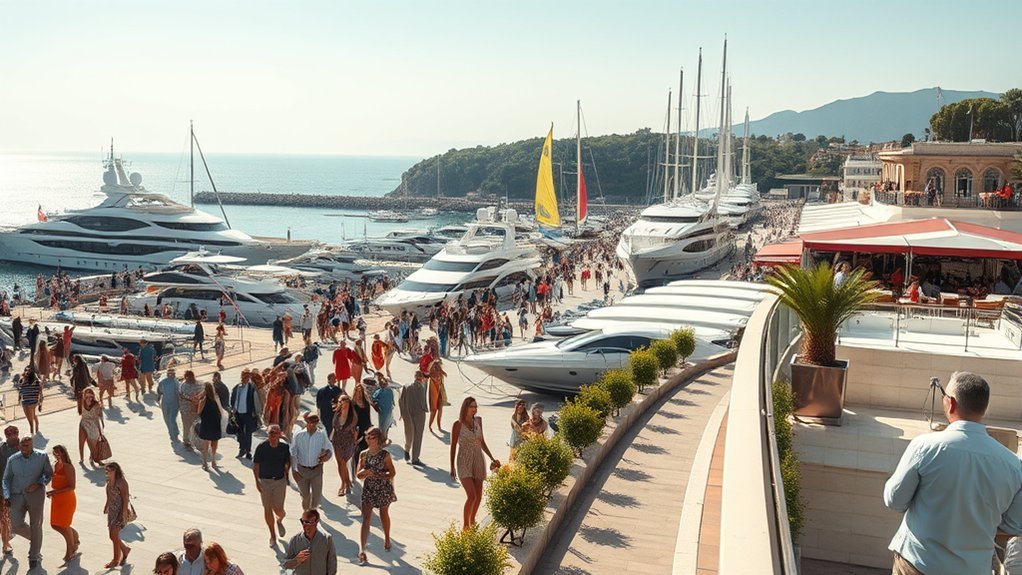
Large regional events can raise hotel prices, fill trains, and change traffic patterns. Dates may change from year to year, so use the following as planning examples rather than permanent annual guarantees.
- San Giovanni in Genoa: Celebrations take place around June 23–24, including the June 24 patron-saint procession.
- Summer coastal festivals: Camogli, Cervo, Levanto, Genoa, and other towns host music, religious, food, and maritime events.
- Genoa International Boat Show: The confirmed 2026 dates are October 1–6.
- Rolli Days: The autumn 2026 Genoa event is scheduled for October 16–18.
- Manarola Nativity display: The illuminated hillside display traditionally begins during the December holiday season.
A shoulder-season date can behave like peak season when a major festival, exhibition, holiday weekend, or cruise call overlaps your stay.
Check the official Liguria events calendar and the local municipality calendar for each town before making nonrefundable bookings.
How Far Ahead Should You Book?
For July, August, holiday weekends, and famous waterfront hotels, begin comparing rooms several months ahead. Travelers seeking a particular Cinque Terre village, sea-view room, or Portofino property should book earlier than travelers using Genoa or La Spezia as a base.
For May, June, September, and early October, booking one to three months ahead often provides a better range of options, but major event dates may require more notice. Winter city breaks can be more flexible unless they overlap Christmas, New Year, or a major exhibition.
Pro Tip: Reserve the least flexible part of your trip first. That is usually a small coastal hotel, a timed attraction, or a special restaurant—not the regional train between large towns.
How to Choose the Best Month for Your Visit
Choose your month according to the activity that matters most:
- Beaches and swimming: Late June through September.
- Hiking and gardens: April, May, late September, or October.
- Warm weather without August intensity: June or September.
- Lowest prices and quiet streets: November through March.
- Food, culture, and city breaks: Spring, autumn, or winter.
- Families: Late May, June, or September.
- Photography: April, May, September, October, or clear winter days.
For a first trip that combines Genoa, Portofino, and Cinque Terre, late May, June, or September gives you the best chance of using trains, ferries, beaches, and walking routes during one visit. Always leave room for weather-related changes.
Sources
- La Mia Liguria — official regional tourism information and events.
- ARPAL Liguria — regional weather, climate information, and official alerts.
- Cinque Terre National Park Trail Status — current trail access, restrictions, and closures.
- Trenitalia 5 Terre Express — current seasonal railway information.
- Navigazione Golfo dei Poeti — official Cinque Terre and Gulf of Poets ferry timetables.
- Visit Genoa Events — official Genoa festival and event calendar.
Frequently Asked Questions
What is the best month to visit the Italian Riviera?
September is the best all-around month for many visitors because the sea is normally still warm, most seasonal services remain active, and the most intense summer heat begins to ease. May is better for travelers focused on hiking, gardens, and sightseeing.
Which Italian Riviera town is the prettiest?
Beauty is subjective. Portofino is famous for its harbor, Camogli has a colorful waterfront and local atmosphere, and Vernazza offers one of the Cinque Terre’s most recognizable views. Visit more than one town rather than planning the trip around a single ranking.
Is the Italian Riviera warm all year?
No. The coast has relatively mild winters, but rain, cold wind, rough seas, and cool nights are possible. Winter is suitable for city visits and quiet walks, not guaranteed beach weather.
Can you swim on the Italian Riviera in October?
Swimming can be possible in early October, especially after a warm September, but conditions vary. Cooler air, rain, rough water, and reduced beach services may make swimming less comfortable or unsafe.
What is the best time to hike in Cinque Terre?
April, May, late September, and October are generally more comfortable than midsummer. Check official trail status and weather alerts on the day of your walk because access can change quickly.
Do you need a car on the Italian Riviera?
Usually not. Regional trains are convenient for Genoa, Camogli, Santa Margherita Ligure, Levanto, Cinque Terre, and La Spezia. Parking and restricted traffic areas make a car inconvenient in many small coastal towns.
Do Italian Riviera ferries run all year?
Many tourist ferry routes are seasonal or operate less frequently in winter. Services may also be canceled because of wind or rough seas, so verify the operator’s timetable close to departure.
How many days do you need for the Italian Riviera?
Four to seven days works well for a first trip. Allow at least two days for Genoa, one or two for the Portofino and Camogli area, and two or three for Cinque Terre and the eastern Ligurian coast.
Conclusion
The best time to visit the Italian Riviera is May, June, September, or early October for most travelers. Choose late spring for gardens and hiking, summer for dependable beach weather, September for warm water with less intense heat, and winter for a quieter Genoa-based trip.
No season removes every tradeoff. Summer brings heat and crowds, autumn brings rain risk, and winter reduces ferry and hospitality services. Match the month to your main activity, check official conditions shortly before departure, and keep one flexible day in your itinerary.

