
Last Updated on September 11, 2026 by Daniel Globe
Jamaica is warm enough for a tropical trip throughout the year, but rainfall, crowds, prices, and storm risk change by season. December through April usually offers the most dependable beach weather. Late spring and early winter can provide better value, while summer and fall bring greener scenery, fewer visitors, and a greater chance of heavy rain or tropical disruption.
Quick Answer
The best time to visit Jamaica for dependable beach weather is generally mid-December through mid-April. Choose late April to May or early November to mid-December for lighter crowds and better value, but expect more rain. Hurricane season runs June 1 through November 30, with the highest activity usually from mid-August to mid-October.
Key Takeaways
- Best overall weather: Mid-December through mid-April usually brings lower rainfall, lower humidity, and popular beach conditions.
- Best balance of price and weather: Late April to May and late November to mid-December can offer lighter crowds, though rain remains possible.
- Best for lower prices: June through October often has stronger deals, along with greater heat, humidity, rain, and storm risk.
- Best for lush scenery: The wetter periods can produce greener hills and fuller waterfalls, but trails may be muddy or temporarily unsafe.
At a Glance
| Best General Weather | Mid-December to mid-April |
| Best Value | Late April to May and late November to mid-December |
| Lowest Typical Demand | June through October, outside major events and holidays |
| Highest Storm Risk | Mid-August through mid-October, within the June 1–November 30 hurricane season |
| Best for Lush Scenery | May–June and September–November, with flexible indoor alternatives |
Disclosure: As an Amazon Associate I earn from qualifying purchases. Some links on this page are affiliate links, at no extra cost to you.
Best Time to Visit Jamaica
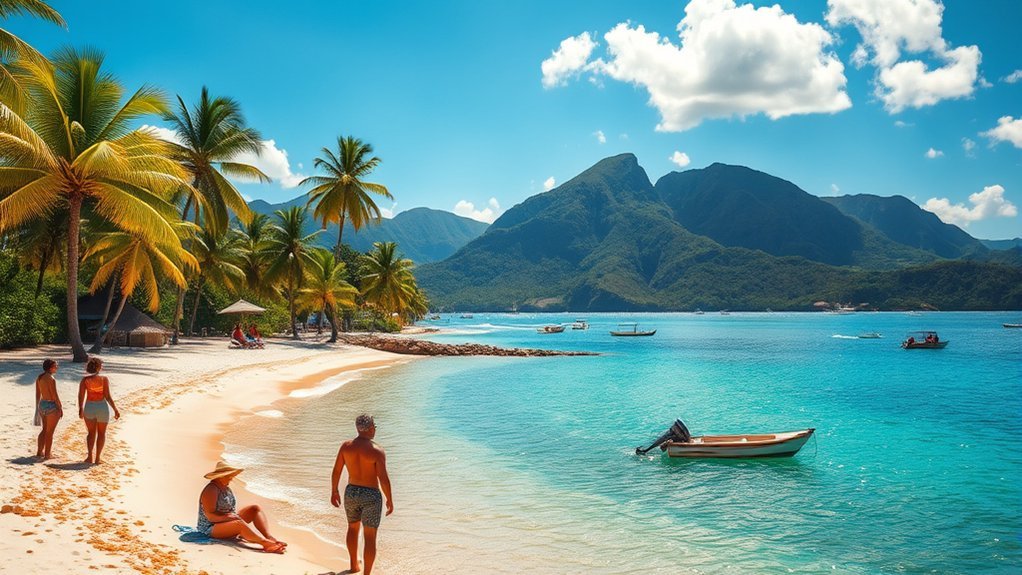
For most first-time visitors, the best time to visit Jamaica is from mid-December to mid-April. These months usually bring a better chance of dry, sunny days and comfortable conditions for beaches, snorkeling, hiking, rafting, and outdoor sightseeing.
This is also Jamaica’s busiest travel period. Christmas, New Year, school breaks, and spring holidays can raise hotel and airfare prices. Popular attractions such as Dunn’s River Falls may also feel more crowded, so advance reservations are useful during holiday weeks.
Travelers who want a balance between weather and value should consider late April through May or late November through mid-December. These periods can be quieter and less expensive than winter, but they are not guaranteed to be dry. November remains within the official Atlantic hurricane season until November 30.
June through October often brings lower demand and attractive resort offers. It can still be sunny for long parts of the day, but humidity, heavy showers, tropical systems, rough seas, and weather-related schedule changes are more likely.
Jamaica’s best season depends on what matters most to you: December through April favors dependable outdoor weather, while wetter months may offer lower prices, greener scenery, and more space.
Why Jamaica Stays Warm Year-Round
Jamaica has a tropical maritime climate, so temperatures remain warm through every season. The surrounding Caribbean Sea limits major temperature swings, while trade winds can provide relief along exposed coastal areas. Elevation creates the biggest contrast: beach resorts stay warm, while the Blue Mountains can feel cool or cold after sunset.
Tropical Maritime Climate
Average conditions are warm, but a single island-wide temperature range cannot describe every destination. Kingston, Montego Bay, Negril, Ocho Rios, Port Antonio, and the mountain interior each have different rainfall, wind, and elevation patterns.
The Jamaica Tourist Board describes a humid tropical climate with two wetter periods, generally from May to June and September to November. Rainfall also varies across the island. Northeastern Jamaica and windward mountain slopes tend to receive more rain, while parts of the south coast are noticeably drier.
Sea Breezes and Sun
Sea breezes can make coastal areas feel more comfortable, but they do not eliminate tropical heat or humidity. Midday sun remains strong throughout the year, including during cooler winter months. Cloud cover can also give a false sense of protection.
- Use broad-spectrum sunscreen and reapply it after swimming or heavy sweating.
- Carry water during beach trips, outdoor tours, and long transfers.
- Plan strenuous activities for the morning when possible.
- Wear a hat, sunglasses, and light clothing that covers exposed skin.
The CDC’s Jamaica travel guidance recommends sun protection throughout the year and notes that conditions can become much cooler in the mountains.
Mountains Moderate Temperatures
Jamaica’s mountain interior is cooler than its coastal resort areas. The Jamaica Conservation and Development Trust lists Blue Mountain Peak at 2,256 meters, or about 7,402 feet, above sea level.
At high elevations, especially near the peak, temperatures can fall below 50°F and may approach 40°F in colder conditions. Hikers should carry a warm layer, rain protection, sturdy footwear, water, and a light source. Weather can change quickly, and mist may reduce visibility.
Note: A warm forecast for Kingston or Montego Bay does not describe conditions at Blue Mountain Peak. Check the forecast for the exact location and elevation you plan to visit.
Jamaica’s Dry Season and Wet Season
Jamaica does not switch between perfectly dry and continuously rainy seasons. Rain can fall in any month, and sunny periods can occur during the wet season. The main difference is the likelihood, intensity, and duration of rainfall.
Jamaica’s Drier Season
December through April is generally Jamaica’s drier period. Visitors usually have a better chance of completing outdoor plans without weather interruptions, especially at beaches, gardens, rivers, and mountain attractions.
Drier weather can make paths and waterfall areas easier to access, but water flow may be lower after an extended dry spell. Popular attractions also become busier, particularly from mid-December through March.
Jamaica’s Wetter Season
Rainfall generally becomes more frequent from May into November. The Jamaica Tourist Board identifies two wetter periods: May to June and September to November. July and August can still be hot and humid, with afternoon showers and locally heavy rain.
Some showers pass quickly, but it is unsafe to assume that every rainy period will last only a few minutes. Tropical waves and storms can produce prolonged rain, flash flooding, rough water, road disruption, and attraction closures.
Wetter weather also has benefits. Hillsides turn greener, gardens become more vivid, and waterfalls may carry more water. Pack traction-friendly shoes and avoid climbing waterfalls or entering rivers when local staff report unsafe water levels.
Regional Weather Differences
- Port Antonio and northeastern Jamaica: Generally greener and wetter than many southern locations.
- South Coast: Often drier, although heavy rain and tropical systems can still affect the area.
- Montego Bay, Negril, and Ocho Rios: Warm resort climates with seasonal showers and locally different sea conditions.
- Kingston: Hot urban conditions, with nearby hills offering cooler temperatures.
- Blue Mountains: Cooler, cloudier, and more changeable than the coast.
Month-by-Month Jamaica Weather Guide
| Month | What to Expect |
|---|---|
| January | Popular dry-season month with high demand, warm coastlines, and cooler mountain nights. |
| February | Usually favorable for beaches and outdoor tours, with peak-season rates and limited last-minute availability. |
| March | Warm and generally dry, although school breaks can increase crowds at resorts and major attractions. |
| April | Often begins dry and busy, then becomes quieter and somewhat wetter later in the month. |
| May | Start of a wetter period, with warmer humidity, greener scenery, and possible shoulder-season savings. |
| June | Warm, humid, and showery. The official Atlantic hurricane season begins June 1. |
| July | Hot summer conditions with a mix of sun and showers. Event periods can raise demand despite the low season. |
| August | Very warm and humid. Tropical cyclone activity normally becomes more likely from the middle of the month. |
| September | One of the higher-risk months for tropical weather, with low demand and a greater chance of disrupted plans. |
| October | Often wet, humid, and storm-prone, although calm and sunny stretches still occur. |
| November | A transition month. Early November can remain wet, while conditions often improve later. Hurricane season ends November 30. |
| December | Weather usually becomes drier. Crowds and prices rise sharply around the middle and end of the month. |
When Is Peak Season in Jamaica?
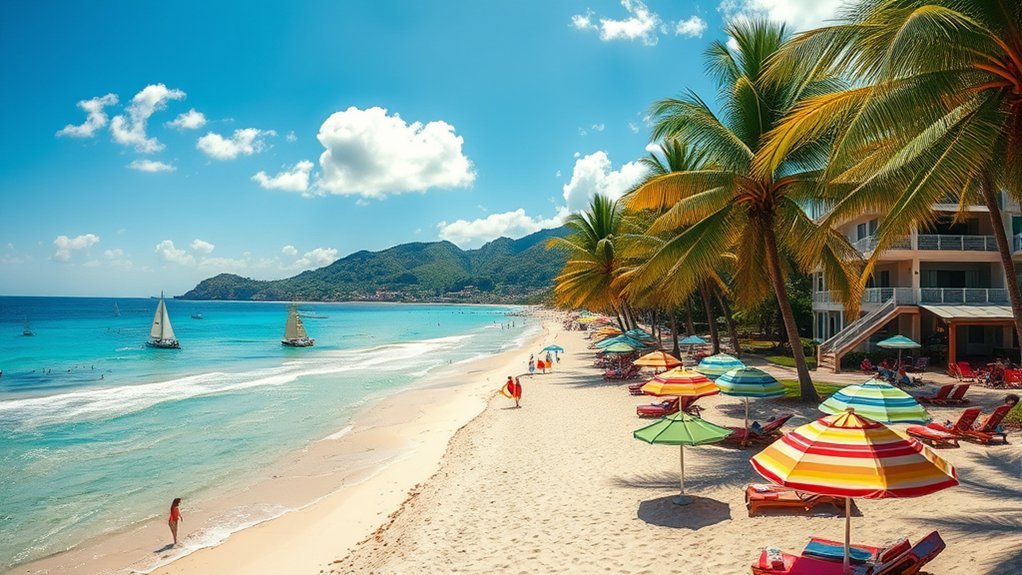
Jamaica’s main peak season runs from mid-December through mid-April. This period overlaps with winter travel from North America and Europe, major holidays, school breaks, and Jamaica’s generally drier weather.
Products Worth Considering
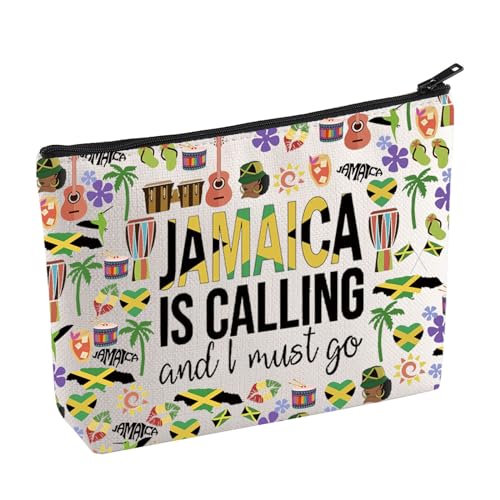
1.Sentences on cosmetic bag: Jamaica is calling and i must go.

【MULTIFUNCTIONAL COSMETICS BAG】: These makeup bags not only can storage your cosmetics, but also jewelry, electronic accessories, camera, essential oil, toiletries, shaving kit, valuable objects and so on.

【Multi-function bag】:This cosmetic bag can store not only lipstick, foundation, eye shadow and other cosmetics, but also daily necessities and valuables, such as headphones, keys, camera, shaving kit, etc. It can also contain some daily necessities, such as glasses,Contact eye box, keys, headphones, mobile phone tissue medicine and so on.
Peak Season Months
January, February, and March are usually among the busiest months. Demand also rises sharply around Christmas, New Year, Easter, and spring-break periods. Conditions are often favorable for:
- Beach days and swimming
- Snorkeling and boat excursions when local sea conditions are safe
- Waterfall and river attractions
- Hiking and garden visits
- Open-air dining and evening entertainment
Dry-season weather is not guaranteed. Cold fronts can occasionally bring cloud, wind, showers, or rougher seas, particularly along exposed northern areas.
Why Peak Season Matters
Peak season affects more than the forecast. Flights, popular room categories, private transfers, and well-known tours can sell out. Travelers may also face minimum-stay requirements or stricter cancellation terms during holidays.
Book as early as practical for Christmas, New Year, February school breaks, and Easter. For ordinary winter dates, compare refundable and nonrefundable options rather than following a fixed “three months ahead” rule.
Why Shoulder Season Works Well
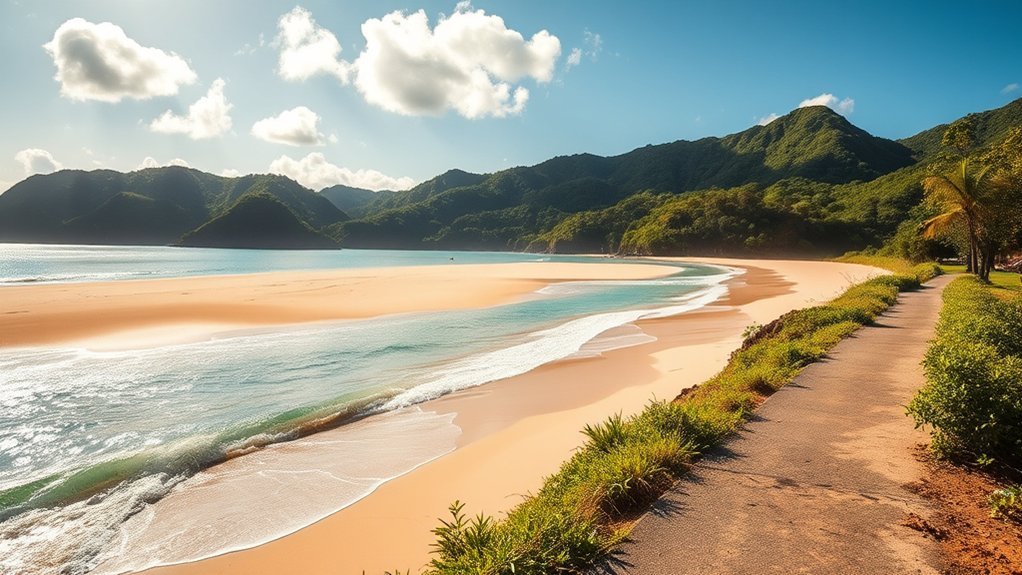
Jamaica’s shoulder periods can offer a useful compromise between peak-season weather and low-season prices. The most practical windows are usually late April through May and late November through mid-December.
Late April may retain many dry-season advantages after spring holiday crowds begin to leave. May is warmer and wetter but can provide better hotel availability. Late November and early December may become drier as the island moves toward winter, although tropical weather remains possible through November 30.
- Lighter crowds: Beaches, restaurants, and attractions may feel less congested.
- Better availability: Travelers often have more room and flight choices than during winter holidays.
- Potential savings: Some properties reduce rates between major demand periods.
- Weather trade-off: Rain is more likely than during the heart of the dry season.
Pro Tip: Compare total trip cost rather than the room rate alone. Airport transfers, checked bags, meals, resort fees, tours, and cancellation terms can erase an apparent shoulder-season bargain.
Why Low Season Is Best for Deals
Jamaica’s low season generally runs from June through October, although exact rates depend on the resort, destination, event calendar, and booking demand. Travelers may find lower room prices, upgrade offers, and more tour availability during this period.
Lower prices come with clear trade-offs. Conditions are hotter and more humid, showers are more frequent, and the chance of tropical disruption increases as the season progresses. September and October are often among the quietest and most weather-sensitive months.
Low season can still work well for travelers who:
- Have flexible arrival and departure dates
- Choose refundable or changeable reservations
- Are comfortable planning indoor alternatives
- Can tolerate heat, humidity, and rain
- Will monitor official weather information before and during the trip
Warning: Atlantic hurricane season runs from June 1 through November 30, with most activity climatologically occurring from mid-August through mid-October. A low fare does not remove the risk of delays, evacuation orders, closures, flooding, or property damage. Review cancellation terms and travel-insurance covered reasons and exclusions before paying.
After a major storm, airports may reopen before every hotel, attraction, road, or excursion provider resumes normal service. Check the official Jamaica travel-alert page and contact the exact property or operator before departure.
Best Time to Visit Jamaica by Travel Goal
Best Time for Beaches and Outdoor Activities
Choose January through March for the strongest overall chance of dry weather. December and April can also be excellent, but holiday and school-break demand may affect prices and crowds.
Best Time for Lower Prices
Look at May, June, September, and October. September and October may bring the deepest discounts, but they also carry a greater chance of weather disruption. Late April and early December may offer a safer balance for travelers with limited flexibility.
Best Time for Fewer Crowds
May, early June, September, October, and early November are often quieter than winter. Local festivals, public holidays, conferences, and destination weddings can still create temporary demand spikes.
Best Time for Waterfalls and Green Scenery
May through June and September through November can produce greener vegetation and stronger waterfall flow. Visit only when the attraction is open and staff consider water levels safe. Heavy rain can make rocks slippery and rivers dangerous.
Best Time for Festivals and Events
Jamaica holds music, food, sports, cultural, and holiday events throughout the year, so peak tourist season is not the only festival period. Check the current event calendar before choosing dates because schedules and venues can change annually.
What to Pack for Jamaica
Pack light, breathable clothing for Jamaica’s warm coastal climate. For a one-week trip, two or three swimsuits, four or five light tops, shorts, casual evening clothes, and quick-drying underwear will suit many itineraries. Add clothing based on your hotel dress code and planned activities.
- Broad-spectrum sunscreen and after-sun skin care
- Insect repellent and long, light layers for evenings
- Sunhat and UV-protective sunglasses
- Refillable water bottle
- Sandals plus closed shoes with reliable traction
- Compact rain jacket or travel umbrella
- Dry bag or waterproof phone pouch
- Medication and basic first-aid supplies
- Warm layer for high-elevation trips
During the wetter season, prioritize quick-drying clothing and shoes that grip wet surfaces. During peak season, bring any dinner or resort clothing required by your accommodation. Mountain hikers need warmer layers than beach travelers.
Jamaica Weather Tips for Travelers
| Period | Likely Conditions | Planning Priority |
|---|---|---|
| December–April | Generally drier, warm, and busy | Reserve popular rooms, transfers, and tours early |
| May–June | Warmer, wetter, greener, and less crowded | Carry rain protection and keep plans flexible |
| July–August | Hot, humid, with sun, showers, and growing storm risk | Monitor forecasts and confirm event-driven demand |
| September–October | Greater rain and tropical-weather risk | Use refundable bookings and review insurance exclusions |
| November | Wet-season transition, often improving later | Remember hurricane season continues through November 30 |
- Check the forecast for your exact destination, not only “Jamaica.”
- Do not cancel an entire day solely because a weather app shows a rain icon.
- Ask tour operators about sea, river, trail, and road conditions before departure.
- Keep one indoor or covered activity available during wetter months.
- Store passports, medication, and electronics in waterproof protection.
- Follow official instructions during tropical-storm or hurricane alerts.
Frequently Asked Questions
When is the worst time to go to Jamaica?
There is no universally bad month, but September and October usually carry the greatest risk of heavy rain and tropical disruption. They may suit flexible bargain travelers, but they are less suitable for weddings, cruises, or short trips that depend on fixed outdoor plans.
How do you say “hi” in Jamaica?
“Wha’ gwaan?” is a well-known Jamaican Creole greeting that roughly means “What’s going on?” or “What’s up?” A simple “hello,” “good morning,” or “good afternoon” is also completely appropriate. Use local phrases respectfully rather than forcing an accent.
How far does $100 go in Jamaica?
It depends on the current exchange rate and where you spend it. Outside major resorts, $100 may cover several casual meals or a combination of local transportation and a modest activity. Private transfers, resort restaurants, imported goods, and premium excursions can use the same amount quickly. Check the Bank of Jamaica’s current exchange information before traveling.
Where do most rich people live in Jamaica?
There is no reliable public list showing where Jamaica’s wealthiest individuals live. Kingston has several higher-end residential districts, while Montego Bay, Tryall, and other north-coast areas contain luxury villas and resort communities. These descriptions are broad travel context and should not be treated as a measure of any resident’s personal wealth.
Is November a good time to visit Jamaica?
November can offer lower prices and lighter crowds, especially later in the month. Early November may still be wet, and the official Atlantic hurricane season continues through November 30. Choose flexible reservations and check current forecasts and property status.
Does it rain all day during Jamaica’s wet season?
Not always. Many wet-season days include both sunshine and showers, and some rain develops during the afternoon. However, tropical waves and storms can produce longer periods of heavy rain. Keep flexible plans rather than assuming every shower will pass quickly.
Conclusion
The best time to visit Jamaica depends on your priorities. Choose mid-December through mid-April for the most dependable outdoor weather. Consider late April, May, late November, or early December for a better balance of price and crowd levels. June through October can offer stronger deals and greener scenery, but only if you are comfortable with heat, rain, and tropical-weather risk.
Whichever season you choose, check the forecast for your exact destination, confirm your hotel and attractions are operating, and understand your cancellation and insurance terms. Jamaica remains warm year-round, but thoughtful timing makes it much easier to match the trip to your budget and plans.
Sources
- Jamaica Tourist Board Climate FAQ — supports Jamaica’s tropical climate and two primary rainy periods.
- NOAA National Hurricane Center Tropical Cyclone Climatology — supports the official Atlantic hurricane-season dates and higher-activity period.
- CDC Yellow Book: Jamaica — supports temperature, sun-safety, mountain-weather, and traveler-health guidance.
- Jamaica Conservation and Development Trust — supports the official elevation and characteristics of Blue Mountain Peak.
- Jamaica Tourist Board Travel Alerts — provides current airport, hotel, attraction, weather, and reopening information.
- Bank of Jamaica Foreign Exchange Market — provides current official exchange-rate information.
