
Last Updated on July 28, 2026 by Daniel Globe
The best time to visit the Norway fjords depends on what you want from the trip. Summer offers the widest choice of cruises, hikes and scenic drives, while late spring and early autumn can deliver many of the same views with lighter crowds. Winter is quieter and dramatically different, but some mountain roads, hikes and seasonal services are unavailable.
Quick Answer
For most first-time visitors, June through August is the best time to visit the Norway fjords because days are long, most hiking routes and seasonal roads are accessible, and cruises run frequently. Choose late May, early June, or September for fewer crowds, and winter for quiet cruises or Northern Lights in northern Norway.
Key Takeaways
- June through August is the easiest all-around season for fjord cruises, kayaking, hiking and road trips.
- Late May, early June and September can provide fewer crowds, although high mountain roads and trails may have seasonal limitations.
- Fjord Norway has a mild but wet and changeable coastal climate, so waterproof layers are useful even in summer.
- Many fjords can be visited year-round, but mountain passes, hikes and some tourist services are seasonal.
- Northern Lights are much more reliable in Northern Norway than around the classic western fjords of Bergen, Flåm, Hardanger and Geiranger.
Disclosure: As an Amazon Associate I earn from qualifying purchases. Some links on this page are affiliate links, at no extra cost to you.
When Is the Best Time to Visit the Norway Fjords?
For a first trip focused on famous western fjords such as Geirangerfjord, Nærøyfjord, Sognefjord, Hardangerfjord and Lysefjord, June through August is the safest all-around choice. Fjord Norway describes summer as the high season and the period with the broadest range of cruises and outdoor activities. The landscape is green, daylight lasts late into the evening, and most major seasonal attractions are operating.
That does not mean July and August are automatically best for everyone. Travelers who value quieter viewpoints and less congestion may prefer late May to early June or September. Spring adds fruit blossoms and strong snowmelt-fed waterfalls, while September brings autumn color and usually fewer tour groups.
| Season | Best For | Main Trade-Off |
| Spring April–May |
Waterfalls, Hardanger blossom, lighter crowds | Snow can remain on mountain roads and high trails |
| Summer June–August |
Cruises, hiking, kayaking, long daylight, scenic drives | Largest crowds and strongest booking demand |
| Autumn September–November |
Fall color, quieter travel, early-season aurora farther north | Shorter days and increasingly unsettled weather |
| Winter December–March |
Snow scenery, quiet cruises, winter sports, northern aurora trips | Limited daylight and seasonal road or trail closures |
Summer is the easiest season for seeing the greatest range of Norway’s fjord scenery, but the fjords themselves are not limited to summer travel.
Weather and Daylight in the Norway Fjords
Fjord Norway has a coastal climate, and weather can change quickly. The outer coast around Bergen is generally wetter and windier, while sheltered inner fjords can be drier and sunnier. Official regional tourism guidance lists typical summer low-to-high averages around 54–61°F (12–16°C), although warmer fjord valleys and cities can reach roughly 68–77°F (20–25°C) during warm spells.
Rain should be considered normal rather than a reason to cancel a trip. A waterproof outer layer, an insulating layer and shoes that handle wet surfaces are useful even in July. Mountain temperatures can also be much cooler than conditions beside the fjord.
Summer’s other advantage is daylight. Around the June solstice, Bergen receives roughly 19 hours of daylight. That gives travelers long sightseeing windows even though the classic western fjords are south of the Arctic Circle and do not experience true midnight sun.
Note: Historical averages are useful for planning, but they cannot predict the weather during your visit. Check the current local forecast before cruises, drives and hikes, especially in mountain terrain.
Outdoor Activities
Summer provides the largest selection of outdoor activities in Fjord Norway. Popular choices include fjord cruises, kayaking, cycling, fishing, glacier excursions and mountain hiking. Areas around Hardangerfjord, Sognefjord, Nærøyfjord, Geirangerfjord and Lysefjord make it possible to combine time on the water with mountain viewpoints during the same trip.
Hiking is where season matters most. High trails can retain snow long after spring has arrived at sea level. For example, the official Trolltunga guidance identifies June 1 through September 30 as the period when experienced hikers can normally hike independently; outside that season, a guided trip is recommended.
Kayaking and sightseeing cruises are also especially convenient in summer because of longer daylight and wider schedules. Some cruises continue well beyond summer, however, so travelers who do not plan to hike can still build a fjord-focused itinerary in autumn or winter.
Warning: Norwegian mountain weather can change rapidly even in summer. Check the forecast before setting out, carry suitable clothing and equipment, and turn back when conditions deteriorate. Norway’s Mountain Code also advises checking weather and avalanche warnings and planning according to your experience and the conditions.
Pro Tip: For a hiking-heavy trip, June through September is much easier to plan than early spring. For a cruise-and-scenery trip with little hiking, the usable travel season is considerably longer.
Wildlife Viewing
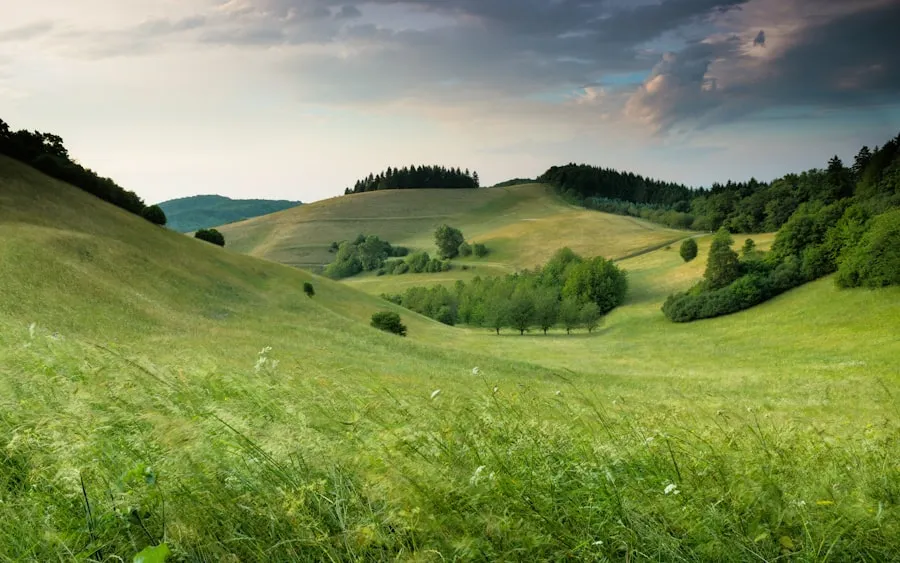
Wildlife around the Norwegian fjords is very different from the polar-bear imagery associated with Svalbard. In western fjord areas, travelers may encounter seals, harbor porpoises, otters, sea eagles and other coastal birds. Sightings are never guaranteed, but quiet boat trips and guided wildlife excursions can improve the experience.
Nærøyfjord and the wider Sognefjord area are particularly suited to slow sightseeing from the water. Visit Norway notes that the area supports wildlife including porpoises, eagles, seals and otters. The surrounding mountains, farms and waterfalls are part of the attraction even when no animals appear.
Travelers specifically hoping for whale watching, Arctic seabirds or other northern wildlife should consider Northern Norway rather than assuming those experiences are typical of Bergen, Flåm or Geiranger.
Northern Lights
The Northern Lights, or Aurora Borealis, deserve some careful geographical context in a Norway-fjords itinerary. Auroras can occasionally appear farther south during strong geomagnetic activity, but Northern Norway offers much more consistent viewing than the classic fjords of western Norway.
| Location | Aurora Prospects | Best Time |
| Western fjords: Bergen, Flåm, Hardanger, Geiranger | Possible but inconsistent | Dark nights in autumn and winter during favorable solar activity |
| Northern Norway: Tromsø, Lyngen and Lofoten-area fjords | Much stronger and more consistent | Roughly late September through late March |
| Norway in summer | Poor because nights are too bright | Choose another season for aurora-focused travel |
According to Visit Norway’s Northern Lights guidance, Northern Norway’s main aurora season runs from roughly late September through late March. Clear skies and darkness are essential, and no tour can guarantee a display.
If your priority is Geirangerfjord, Nærøyfjord or Hardangerfjord, plan the trip around fjord conditions rather than the aurora. If the Northern Lights are a top priority, consider combining a western-fjord trip with several nights farther north.
Crowds and Tourist Season
June through August is the main tourist season in the Norway fjords, with July and August typically bringing the greatest pressure at famous cruise ports, viewpoints and activity centers. Flåm and Geiranger can feel especially busy when multiple sightseeing groups arrive at similar times.
September is one of the strongest alternatives for travelers who want a quieter trip while retaining a realistic chance of good hiking and cruise conditions. Early June can also work well, although snow conditions and the opening dates of high mountain roads vary from year to year.
Winter offers the quietest atmosphere, and some fjord cruises continue through the colder months. The trade-off is shorter daylight, reduced schedules and limited access to some roads and high mountain attractions.
Pro Tip: Start popular viewpoints and hikes early in the day during July and August. For a road trip, early June or September can reduce traffic while still providing a strong chance of reaching seasonal attractions.
Scenic Views
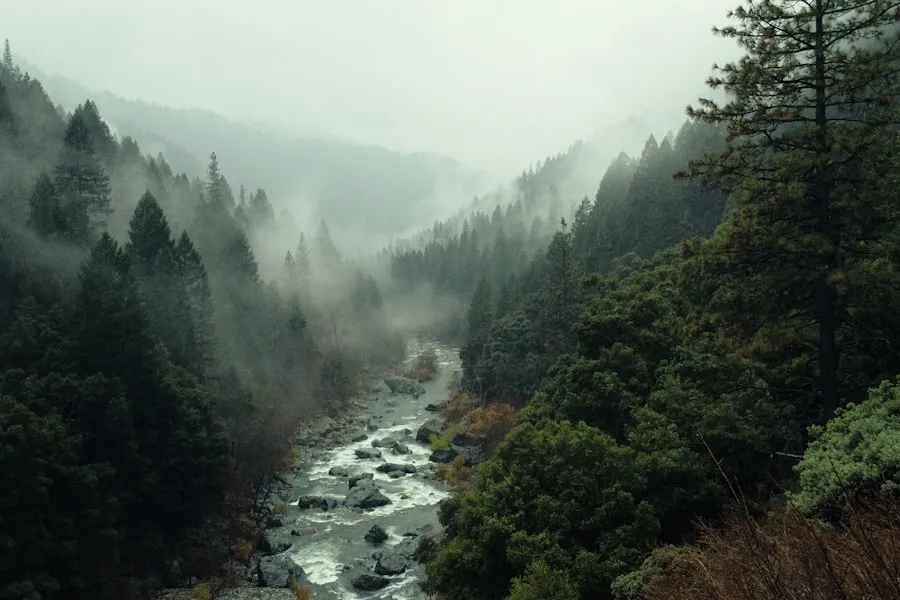
The Norway fjords deliver dramatically different scenery from one season to another. Summer produces the familiar postcard look of green mountainsides, bright water and long evenings. Spring adds snow on the peaks, blossoming orchards around Hardangerfjord and strong waterfalls fed by snowmelt. Autumn turns forests and hillsides gold and red, while winter creates a quieter landscape of snow, ice and low-angle light.
UNESCO’s West Norwegian Fjords World Heritage property includes Geirangerfjord and Nærøyfjord, whose steep rock walls, waterfalls, glacial landforms and narrow waters represent some of Norway’s most celebrated fjord scenery.
Other standout areas include Sognefjord, Hardangerfjord and Lysefjord. Scenic overlooks are impressive, but a boat trip adds a completely different perspective by placing you directly below the cliffs and waterfalls.
Seasonal Roads and Getting Around
One of the biggest differences between a summer and winter fjord itinerary is road access. The fjords themselves do not simply close for winter, and many ferries and cruises operate year-round. However, high mountain roads and scenic passes can close because of snow, ice, rockfall or severe weather.
The Norwegian Scenic Routes authority publishes seasonal information for the Geiranger–Trollstigen route and warns that weather can cause temporary closures even after roads have opened for the season. Similar limitations affect other high routes in Fjord Norway.
For that reason, travelers planning a May, October or winter road trip should check current road conditions before locking in a route. Ferries, tunnels and lower-level roads often provide alternatives, but travel times can change significantly.
Note: Do not build an itinerary around a mountain pass based only on its normal opening month. Snowfall, rockfall and storms can change access at short notice.
Cultural Events and Festivals
A fjord trip does not have to be limited to nature. Bergen is one of the main gateways to Fjord Norway and provides museums, concerts, historic Bryggen and a busy cultural calendar that can be combined with cruises toward Sognefjord, Hardangerfjord and nearby fjord landscapes.
One major spring event is the Bergen International Festival, a long-running celebration of music, theater and other performing arts held around late May and early June. In 2026, the festival ran from May 27 through June 10. Smaller food, music and local heritage events take place throughout Fjord Norway during summer and autumn, although exact dates change each year.
Spring and autumn are especially useful for travelers who want to combine cultural events with quieter natural attractions. Summer has the fullest event calendar, but it also coincides with the busiest tourism period.
Cost and Accommodation
Accommodation prices and availability vary widely across Fjord Norway. Bergen and other larger towns provide everything from hostels and apartments to full-service hotels, while small fjord communities offer guesthouses, cabins, campgrounds and historic hotels.
The greatest pressure usually occurs during the summer high season. Official Visit Bergen guidance recommends booking summer guided fjord tours well in advance because popular departures can fill.
Travelers with fixed July or August dates should therefore reserve high-priority accommodation and must-do cruises once their itinerary is firm. Shoulder-season travelers often have greater flexibility, although small seasonal properties and activities may reduce their operating schedules.
Staying outside the busiest fjord villages can also broaden your options. Bergen, Voss, Ålesund, Stavanger and other regional hubs work well as bases for day trips, while overnight stays in smaller fjord settlements offer quieter mornings and evenings after day visitors leave.
If you’re planning a trip to explore the stunning Norway fjords, reliable mobile data can also make navigation and checking weather or transport updates easier. The existing guide to Best Portable WiFi Hotspot for International Travel covers portable connectivity options for international trips.
Frequently Asked Questions
What is the best time to travel to the Norway fjords?
June through August is the best all-around period for most first-time visitors because cruises, hiking routes and seasonal attractions are widely available and daylight is very long. Late May, early June and September are strong alternatives for travelers who prefer fewer crowds.
What is the weather like in the Norway fjords during summer?
Summer is relatively mild, but Fjord Norway remains changeable and can be rainy. Regional guidance gives average summer low-to-high temperatures of roughly 54–61°F (12–16°C), with warmer days around 68–77°F (20–25°C) possible in milder fjord valleys and cities. Waterproof layers are useful in every month.
Is May or September a good time to visit the fjords?
Yes. May can bring spring blossom, snow-covered peaks and powerful waterfalls, while September often combines autumn color with fewer visitors. The main disadvantage is that some high trails and mountain roads may not be fully accessible, especially early or late in the shoulder season.
Can you see the Northern Lights in the Norway fjords?
Auroras are possible in western Norway during periods of strong activity, but Northern Norway offers far more reliable viewing. For an aurora-focused fjord trip, consider areas around Tromsø, Lyngen or Lofoten from roughly late September through late March.
Are there events or festivals during the best time to visit?
Yes. Bergen and other cities around Fjord Norway host music, food and cultural events throughout spring and summer. The Bergen International Festival is a major annual event held in late May and early June, making it easy to combine cultural sightseeing with a fjord trip.
What are the most popular summer activities in the Norway fjords?
Popular summer activities include fjord cruises, hiking, kayaking, fishing, cycling, glacier excursions and scenic road trips. Summer’s long daylight also makes it easier to combine several viewpoints or activities in one day.
Do I need to book accommodation and fjord tours in advance?
Advance booking is strongly recommended for fixed summer dates, especially in July and August. Popular guided fjord tours can sell out, and the most convenient accommodation in small places such as Flåm and Geiranger has limited capacity.
Can you visit the Norwegian fjords in winter?
Yes. Many fjords remain accessible and some cruises operate through winter, including trips in the Nærøyfjord and Geirangerfjord regions. Expect shorter daylight, reduced schedules and seasonal closures on high mountain roads and hiking routes.
Sources
- Fjord Norway — When is the best time to visit the fjords? — seasonal travel and high-season guidance.
- Visit Norway — Seasons and climate in Norway — regional climate and rapidly changing weather.
- UNESCO — West Norwegian Fjords: Geirangerfjord and Nærøyfjord — World Heritage status and fjord landscape information.
- Trolltunga Official — Hiking seasons — seasonal hiking access and safety guidance.
- Norwegian Scenic Routes — Geiranger–Trollstigen — road season, closures and current route information.
- Visit Norway — Northern Lights — aurora season and regional viewing guidance.

