

Last Updated on July 27, 2026 by Daniel Globe
The Norwegian fjords represent one of the planet’s most dramatic natural masterpieces. Carved by giant glaciers over successive ice ages, these narrow maritime inlets slice deep into mountainous terrain, flanked by steep cliffs, tumbling waterfalls, and snow-capped peaks. Listed as UNESCO World Heritage Sites, famous waterways like Geirangerfjord and Nærøyfjord draw travelers from across the globe. Whether you seek exhilarating mountain hikes, serene fjord cruises, or historic stave churches, planning your journey with accurate timing and environmental awareness is the key to an unforgettable Scandinavian adventure.
Quick Answer
The ideal time for visiting the Norwegian fjords is during summer (June to August) when temperatures average 15°C to 25°C (59°F–77°F), daylight lasts up to 24 hours, and all hiking trails and mountain passes are accessible. For fewer crowds and lower costs, visit during the spring (May) or autumn (September) shoulder seasons.
Key Takeaways
- Peak Season (June–August): Best weather, full activity access, and long daylight, but requires booking accommodations 3–6 months in advance.
- Shoulder Season (May & September): Ideal balance of manageable crowds, blooming waterfalls, or autumn foliage with moderate travel prices.
- Winter (November–March): Quiet, snow-covered landscapes suited for ski touring, snowshoeing, and Northern Lights viewing in northern Norway.
- Iconic Hikes: Preikestolen (Pulpit Rock) and Trolltunga offer world-class vistas but require proper footwear and alpine preparation.
- Packing Essential: Norwegian maritime weather changes rapidly—always pack waterproof layers, sturdy boots, and warm gear regardless of the season.
At a Glance: Planning a Trip to the Norwegian Fjords
| Recommended Trip Duration | 7 to 10 Days for primary highlights (Bergen, Flåm, Geiranger) |
| Primary Gateway Cities | Bergen, Ålesund, Stavanger, and Oslo |
| Top Transit Methods | Fjord Ferries, Express Passenger Boats, Scenic Trains, Rental Car |
| Essential Clothing | Waterproof hard-shell jacket, wool base layers, broken-in hiking boots |
Disclosure: As an Amazon Associate I earn from qualifying purchases. Some links on this page are affiliate links, at no extra cost to you.
Weather and Climate in Norwegian Fjords
The climate across the Norwegian fjord coastline is shaped heavily by maritime weather patterns and the warm North Atlantic Drift. This ocean current prevents western Norwegian ports from freezing during winter, maintaining milder coastal temperatures than inland regions at similar northern latitudes. However, coastal weather remains notoriously dynamic; clear skies can yield to dense mist and localized rain showers within hours.
Summer months (June through August) provide the most stable weather conditions, with average daytime temperatures ranging between 15°C and 25°C (59°F to 77°F). Extended daylight hours—reaching up to 18 to 24 hours of light in northern zones—give travelers maximum time for outdoor exploration. Autumn brings cooler temperatures and increased rainfall, while winter lowers valley temperatures near or below freezing, transforming high mountain plateaus into snowbound landscapes.
Pro Tip: Always follow the three-layer clothing rule in Norway: a moisture-wicking wool base layer, an insulating fleece mid-layer, and a windproof, waterproof outer shell. Temperatures at mountain summits like Dalsnibba or Preikestolen are often 5°C to 10°C colder than at sea level.
Peak Tourist Season in Norwegian Fjords
Running from late June through early August, the peak summer season represents the busiest travel window across Fjord Norway. Visitors converge on iconic destinations to enjoy long daylight hours, fully open mountain passes (such as Trollstigen and Sognefjellet), and operational ferry connections.
During peak summer, popular attractions like the Flåm Railway (Flåmsbana), Geirangerfjord cruise ships, and guided glacier walks operate at maximum capacity. While the summer energy is vibrant and daylight seems endless, high travel volume requires advance organization.
Warning: Accommodations and ferry tickets in popular hubs like Geiranger, Flåm, and Gudvangen sell out months in advance. Book your lodging, car rentals, and major tours at least 3 to 6 months prior to summer departure to avoid steep last-minute surge pricing.
Off-Peak and Shoulder Seasons in Norwegian Fjords
Traveling outside the summer rush provides a distinct atmosphere. The shoulder months of May and September feature fewer tourists, lower accommodation rates, and striking natural transformations. In May, melting winter snow feeds thunderous waterfalls while fruit orchards blossom along Hardangerfjord. September brings crisp air and golden autumn foliage along mountain slopes.
| Season Metric | Off-Peak & Shoulder Conditions |
|---|---|
| Average Temperatures | Cool to Cold (0°C to 12°C / 32°F to 54°F) |
| Crowd Density | Significantly lower than summer peak |
| Precipitation Levels | Higher rain frequency in autumn; winter snow inland |
| Daylight Hours | Shorter days (6 to 12 hours depending on month) |
Winter (November through March) transforms western Norway into a peaceful winter wonderland. While mountain roads and high hiking trails close due to heavy snow, winter opens opportunities for snowshoeing, fjord skiing, and viewing the Northern Lights (Aurora Borealis) in northern territories like Tromsø and the Lofoten Islands.
Which Fjords to Visit: Major Highlights
With hundreds of inlets intersecting Norway’s coastline, choosing the right destinations helps streamline your itinerary:
- Geirangerfjord: Recognized by UNESCO for its dramatic 800-meter sheer cliffs and famous cascades like the Seven Sisters (De syv søstre) waterfall.
- Nærøyfjord: The narrowest fjord branch in Europe, stretching just 250 meters wide at its tightest point, bordered by towering 1,200-meter peaks.
- Sognefjord: Known as the “King of the Fjords,” it is Norway’s longest (205 km) and deepest (1,308 meters) fjord, offering access to Jostedalsbreen glacier.
- Hardangerfjord: Famous for lush cider orchards, idyllic waterside villages, and the trailhead for the daring Trolltunga cliff hike.
- Lysefjord: Home to dramatic rock formations including Preikestolen (Pulpit Rock) and the massive Kjerag boulder wedged between cliff walls.
“The Norwegian fjords represent a rare geological harmony where sheer vertical mountain granite rises directly out of crystal-clear ocean waters.”
Products Worth Considering


Best Activities to do in Norwegian Fjords
Exploring the fjords combines on-water navigation with alpine land adventures:
- Fjord Cruises & RIB Speedboats: Electric ferries provide silent, zero-emission transit through sensitive waters in Geiranger and Nærøyfjord, while Rigid Inflatable Boats (RIBs) offer thrilling high-speed coastal tours.
- Iconic Mountain Hiking: Trails like Preikestolen (8 km round-trip) provide accessible day walks with grand payoffs over Lysefjord. Strenuous hikes like Trolltunga (27 km round-trip) reward experienced trekkers with views high above Lake Ringedalsvatnet.
- Kayaking: Paddling near water level offers intimate encounters with marine life, quiet inlets, and sheer waterfall bases in places like Gudvangen and Balestrand.
- Scenic Railway Journeys: The Flåm Railway climbs from fjord level at Aurlandsfjord up 863 meters to Myrdal station, passing dramatic ravines and Kjosfossen waterfall.
Hiking Safety Warning: The Trolltunga hike requires 8 to 12 hours of strenuous walking. Do not attempt this trail between October and May without a professional mountain guide, as sudden blizzards, freezing winds, and icy terrain create severe hazards.
Products Worth Considering

Excellent Comfort: Nortiv 8 women's waterproof hiking boots use our lightweight, durable midsole, and advanced traction rubber soles, which can be slip-resistant on rugged ground. If you prefer a looser fit, consider choosing the wide toe box version.

Comfortableness: NORTIV 8 Men's Waterproof Hiking Boots certainly delivers on all-day comfort! Removable and shock-absorbent cushioned insoles offer the support for your feet.

ADVANCED TECHNOLOGY: Columbia Men's Newton Ridge Plus II Waterproof Hiking Boot features our lightweight, durable midsole for long lasting comfort, superior cushioning, and high energy return as well as an advanced traction rubber sole for slip-free movement on rough ground.
Transportation and Getting Around Fjord Norway
Navigating fjord country requires planning around water barriers and mountain passes. Combining transport modes is often the most rewarding strategy:
- Norway in a Nutshell: A popular self-guided tour linking the Bergen Railway, Flåm Railway, Nærøyfjord electric boat, and steep mountain buses on a single ticket.
- Car Rentals & National Scenic Routes: Driving offers ultimate flexibility to explore engineered wonders like Trollstigen (The Troll’s Ladder) and the Atlantic Ocean Road. Car ferries frequently connect highway gaps across wide fjords.
- Passenger Express Boats: High-speed catamarans operated by regional transit authorities efficiently connect coastal cities like Bergen to interior villages like Balestrand and Vik.
Special Events and Festivals in Norwegian Fjords
Cultural celebrations provide excellent opportunities to connect with local traditions against breathtaking backdrops.
Notable regional events include:
- Geirangerfjord Music Festival (July): Classical and contemporary performances held in venues leveraging the natural acoustic resonance of surrounding valleys.
- Sognefjord Cultural Festival (Late Summer): Highlights local crafts, traditional folk music, and regional culinary delicacies made from locally sourced berries, cheeses, and smoked meats.
- Bergen International Festival (Late May): Norway’s premier arts and music celebration, attracting performers in music, theater, and dance to the gateway city of the fjords.
Essential Travel Tips for Visiting Norwegian Fjords
Follow these practical recommendations for a safe and comfortable trip:
- Pack Technical Layered Clothing: Rain showers occur frequently in maritime valleys. Pack breathable waterproof jacket shells, quick-dry pants, thermal base layers, and sturdy waterproof hiking boots.
- Bring Cold-Weather Essentials for Excursions: Evening cruises, high-altitude viewpoints, and shoulder-season hikes bring cold drafts. Packing compact accessories like a rechargeable hand warmer for travel keeps your hands warm during outdoor photography sessions.
- Road Trip & Camping Power Solutions: Renting a campervan or road-tripping requires reliable electronics management. Utilizing dependable power sources ensures device charging and navigation readiness across remote mountain stretches.
- Hydration & Water Quality: Tap water across Norway is pristine and safe to drink. Carry a reusable water bottle to refill at hotels or clear mountain streams along verified hiking routes.
- Cashless Economy: Norway is virtually cashless. Credit and debit cards (Visa and Mastercard) are accepted almost everywhere, including public buses, ferry kiosks, and rural cafes.
Products Worth Considering

High quality special waterproof and windproof fabric offers a breathable and comfortable wear experience in any kinds of weather condition
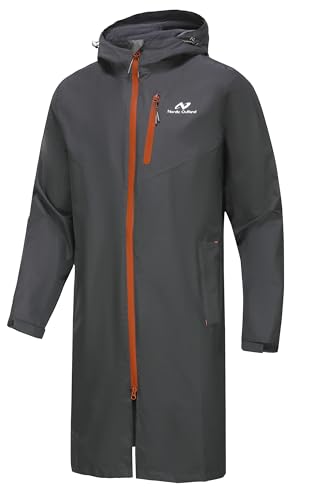
𝐌𝐞𝐦𝐛𝐫𝐚𝐧𝐞 𝐓𝐞𝐜𝐡 𝐟𝐚𝐛𝐫𝐢𝐜 : 2 layer tech fabric with TPU membrane

【Waterproof&Windproof Material】:100% Polyester.Professional waterproof coating and seams are 100% fully sealed and welded with TPU membrane,As a result,it guarantee a long-lasting isolation of water droplets and effectively preventing water molecules from entering.The windproof jacket adopts both special design and wear resistant material to reach windbreak effect.
Frequently Asked Questions
What is the best time to travel to the Norwegian fjords?
The best time to visit is during the summer months from June to August. This period offers the warmest temperatures (15°C–25°C), long daylight hours, fully accessible hiking trails, and active ferry services.
What is the weather like in the Norwegian fjords during summer?
Summer weather is generally mild but changeable. Highs typically range between 15°C and 25°C (59°F–77°F). Rain showers can occur unexpectedly, so waterproof outer layers are necessary even in warm months.
Are there specific cultural events or festivals worth attending?
Yes. Highlights include the Bergen International Festival in late spring, the Geirangerfjord Music Festival in July, and late-summer local food and crafts festivals across Sognefjord villages.
What are the top activities available in the Norwegian fjords?
Popular activities include fjord sightseeing cruises, sea kayaking, mountain hiking to viewpoints like Preikestolen, riding the scenic Flåm Railway, and exploring coastal villages.
Is it possible to see the Northern Lights in the Norwegian fjords during summer?
No. Due to near 24-hour daylight and the Midnight Sun during summer, the night sky never gets dark enough to see the Northern Lights. Auroras are visible during the dark months from late September to April, particularly north of the Arctic Circle.
Conclusion and Final Recommendations
The Norwegian fjords offer a rare combination of geological splendor and rich coastal heritage. Whether taking an electric fjord cruise under cascading waterfalls, trekking past mountain plateaus, or sampling local cuisine in historic fishing villages, visiting this Scandinavian region leaves a lasting impression. Maintaining itinerary flexibility and preparing for shifting mountain weather will ensure your trek through Fjord Norway is smooth, safe, and breathtaking.
Sources
- UNESCO World Heritage Centre — Official inscription details for West Norwegian Fjords (Geirangerfjord and Nærøyfjord).
- Visit Norway — Official travel authority guide for weather, transport routes, and destination highlights.
- Norwegian Trekking Association (DNT) — Mountain safety regulations, trail difficulty standards, and hiking routes.
- Norwegian Meteorological Institute — Official climate statistics and regional weather forecasting.
